Create engaging, inspiring classroom spaces where students thrive academically and emotionally. Thoughtful decoration impacts concentration, motivation, and overall learning outcomes significantly.
Well-designed classrooms combine functionality with aesthetics that reflect diverse learning styles. From wall displays to organizational systems, every element contributes to student success.
Discover how to maximize limited budgets while creating professional, welcoming environments. These home interior decoration ideas translate beautifully to educational settings.
1. Inspirational Quote Wall Display
Transform bare walls with motivational quotes that encourage positive behavior and growth mindset. Select quotes relevant to age groups and curriculum focus areas specifically.
Students benefit from daily visual reminders promoting resilience, kindness, and academic effort. Rotating quotes seasonally keeps messages fresh and engaging throughout school year.
- Use large, readable fonts that are visible from all classroom areas for consistent motivation
- Change quotes monthly to maintain student interest and reinforce different themes progressively
2. Color Psychology Wall Treatment
Strategic wall colors influence mood, focus, and behavior patterns dramatically in classrooms. Soft blues and greens promote calm while yellows encourage creativity and energy.
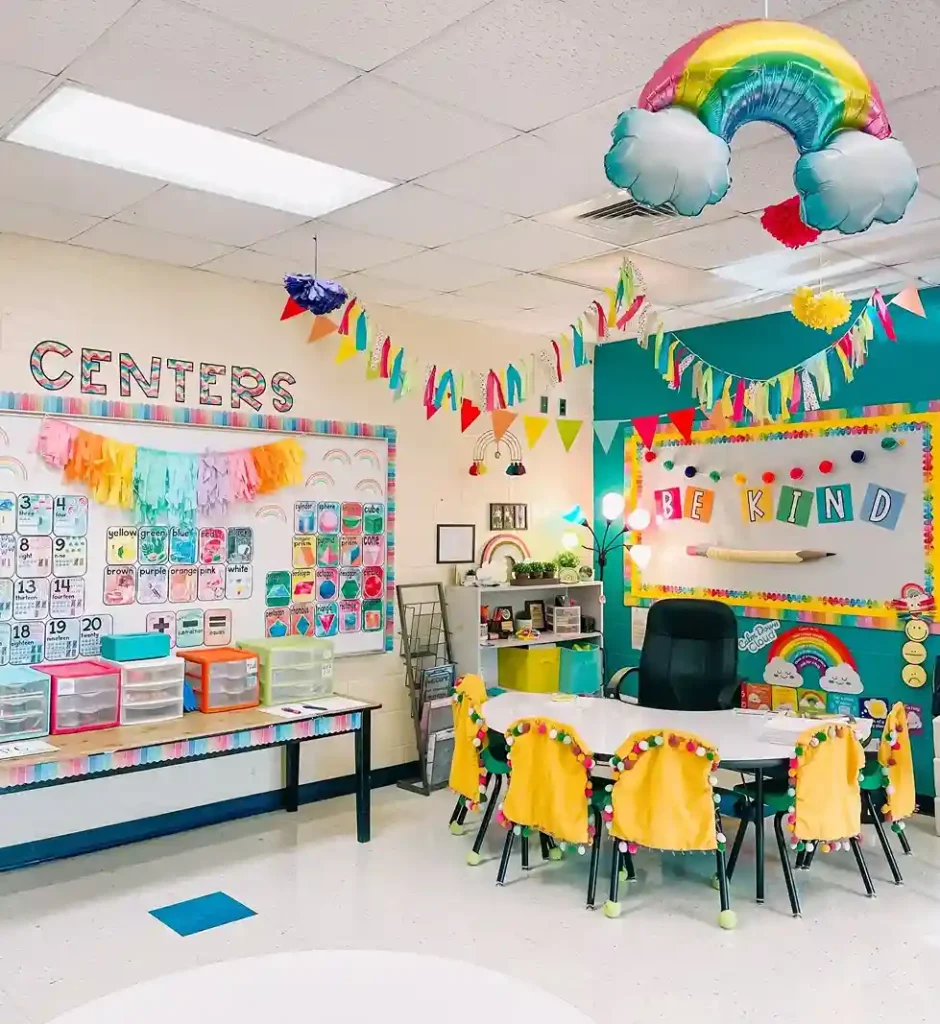
Choose wall colors that support learning objectives and create pleasant study atmospheres. Avoid overwhelming bright colors that distract or overstimulate active learners.
- Paint accent walls to define different classroom zones without overwhelming entire space
- Pair colors thoughtfully with white or neutral trim for professional, clean appearance
3. Student Work Display Boards
Dedicated bulletin boards showcase current student achievements and completed assignments prominently. Rotating displays celebrate diverse abilities and encourage peer appreciation.
This wall decor strategy boosts student confidence and demonstrates that their work matters. Regular updates show administration and families ongoing learning progress.
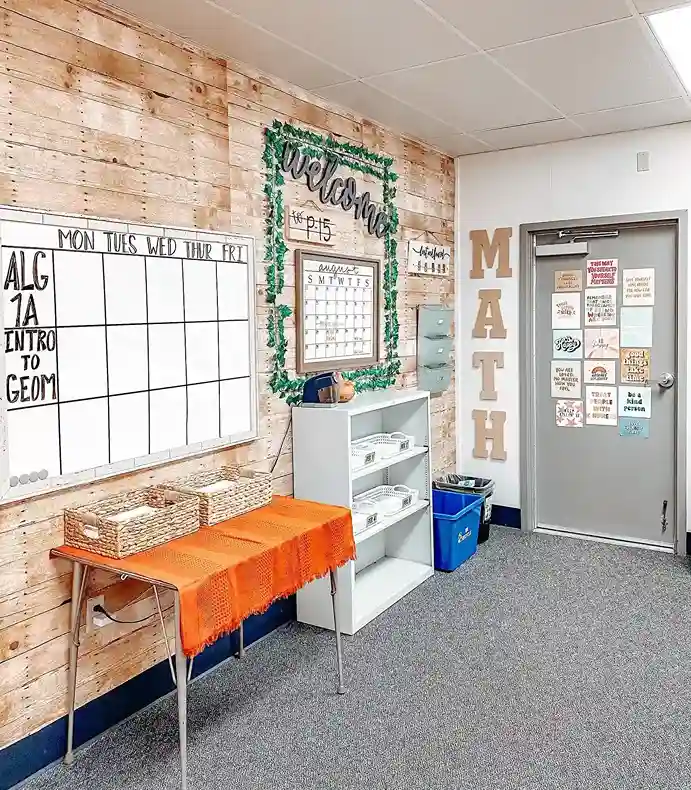
- Create themed displays organized by subject, student, or learning objective for clarity
- Include rubrics or standards so students understand quality expectations explicitly
4. Gallery Wall Art Installation
Mix classroom posters, student artwork, and educational prints for visually stimulating displays. Vary sizes and frames for professional, intentional appearance throughout room.
Gallery walls transform blank spaces into dynamic learning tools supporting curriculum standards. Art encourages visual literacy and appreciation for diverse creative expression forms.
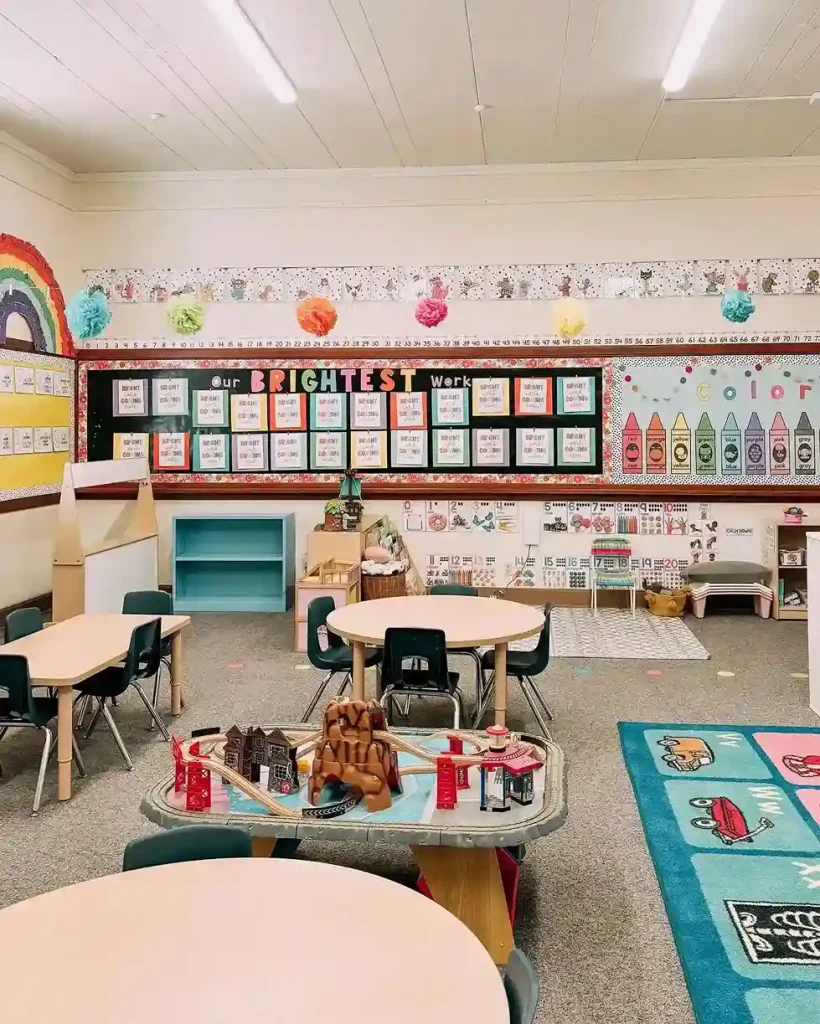
- Group by subject area to support specific lessons and reinforce concepts visually
- Include artist names and brief bios to teach art history and celebrate diverse creators
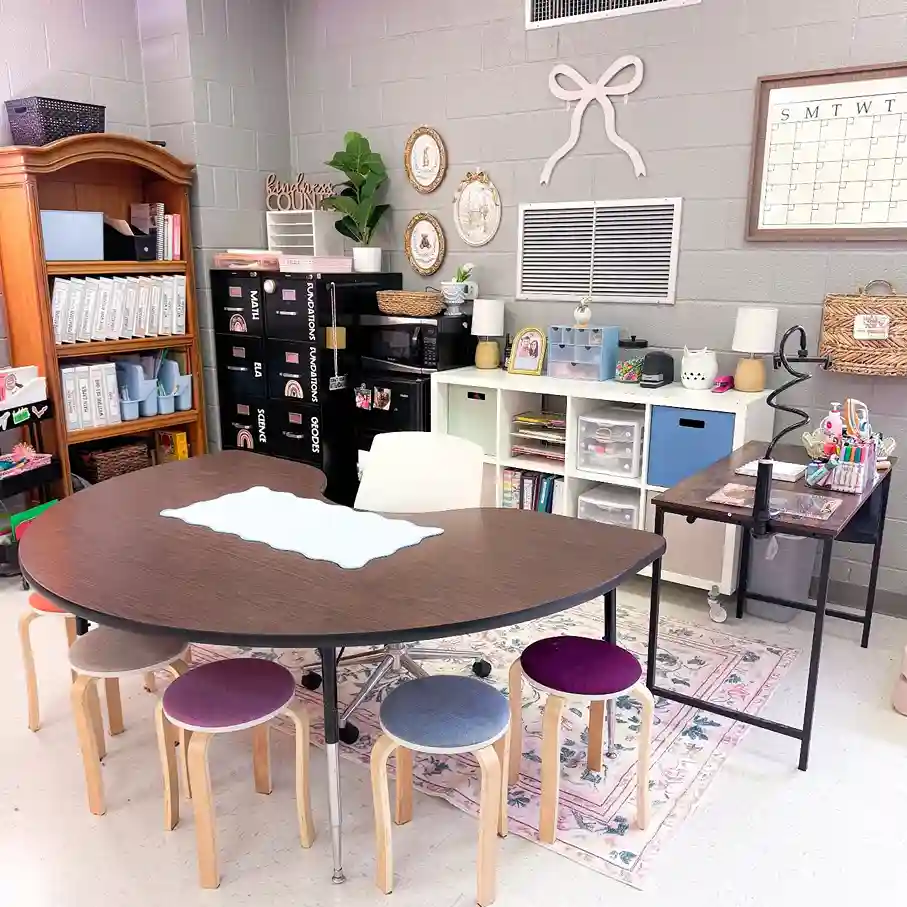
5. Classroom Library Corner Setup
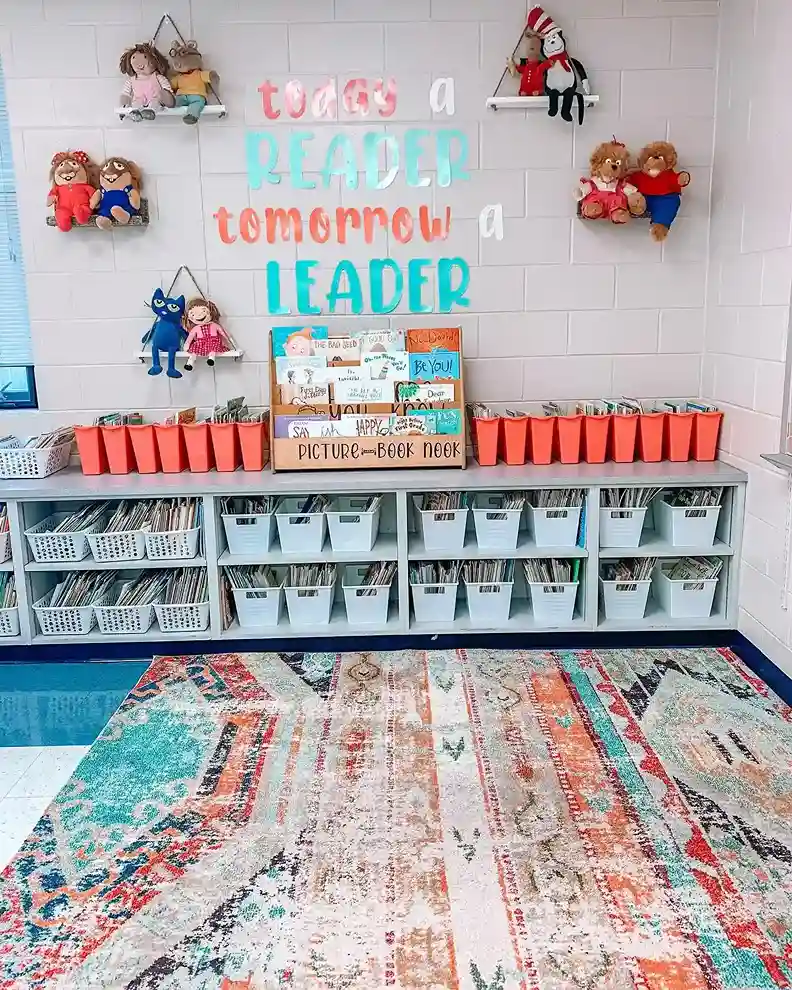
Create cozy reading nooks with comfortable seating and organized book collections. Inviting spaces encourage independent reading and foster love of literacy naturally.
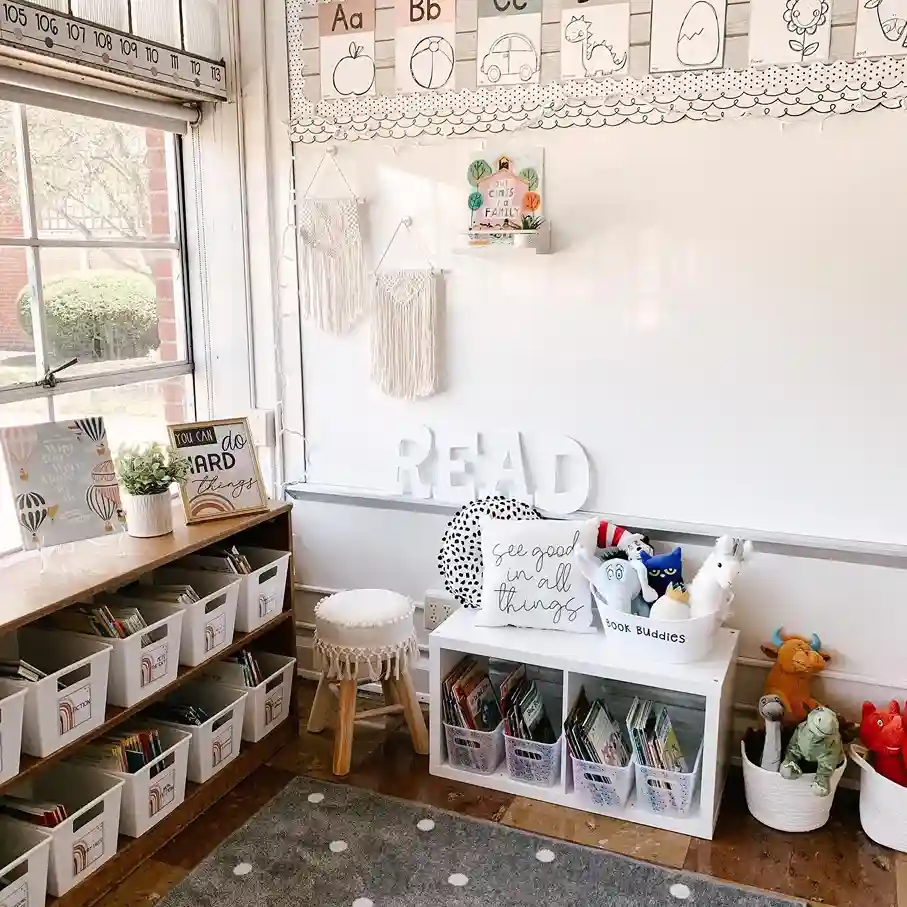
Thoughtful library corners provide safe retreats during transitions and independent study time. Accessible books organized by reading level promote successful reading experiences.
- Include cushions and soft furnishings to create comfortable, appealing reading spaces
- Label shelves clearly by reading level, genre, or author for easy student navigation
6. Organization Systems for Supplies
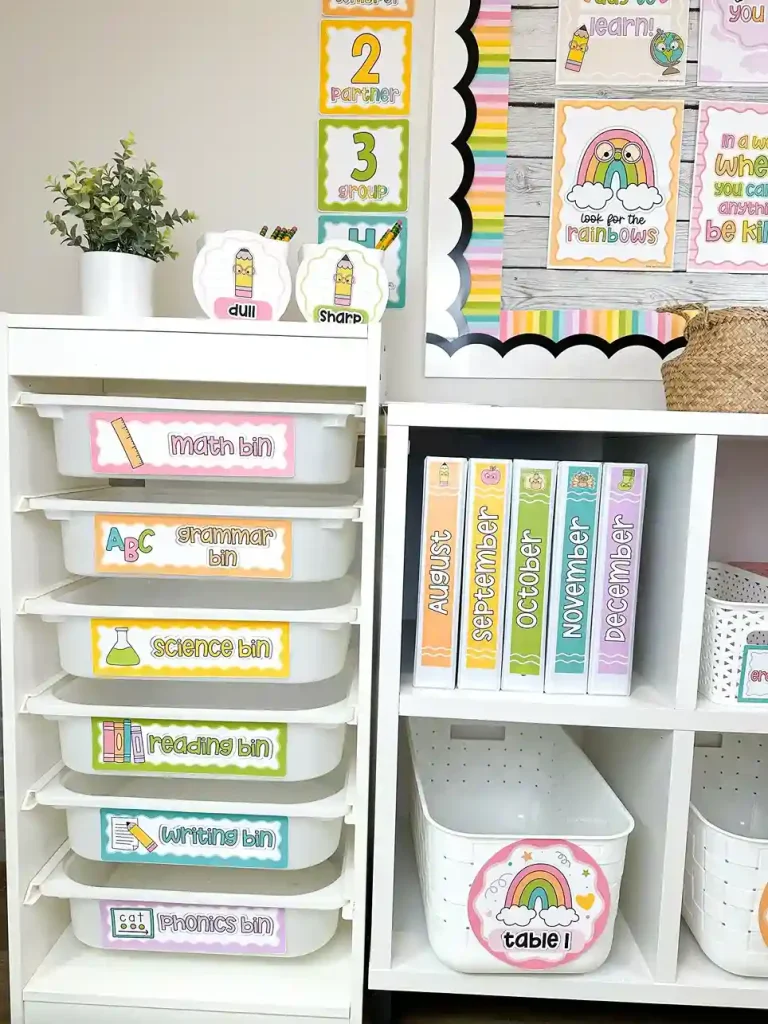
Label baskets, shelves, and drawers clearly to help students locate and return materials independently. Organized systems reduce classroom chaos and teach responsibility.
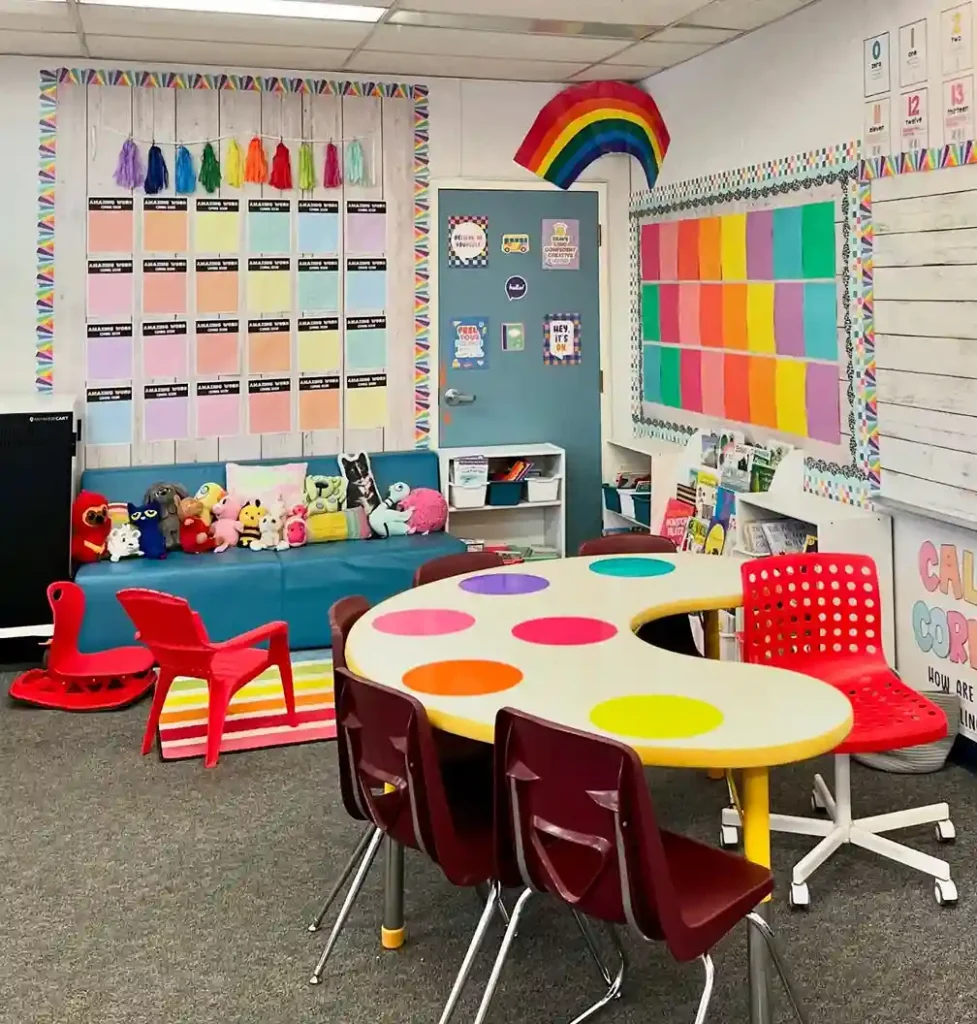
Accessible organization empowers students to manage materials, fostering independence and accountability. Clear labels in words and images support different learners effectively.
- Use color-coding systems to categorize supplies and make organization intuitive visually
- Create inventory lists posted nearby so students understand what belongs in each container
7. Door Entrance Welcome Sign
Greet students with warm, welcoming entrance messages that set positive classroom tone. Personalized messages make individual students feel valued and noticed.
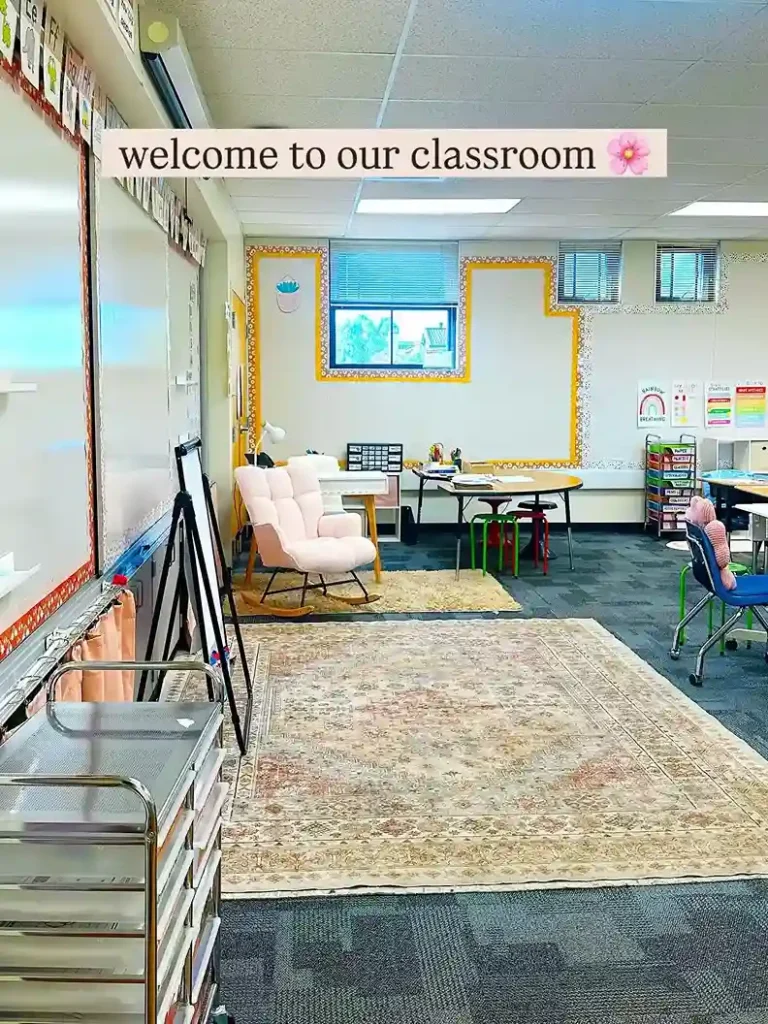
Entrance decor signals you’ve prepared thoughtfully for student arrivals. Creative door decorations build community and establish classroom culture immediately.
- Change messages daily to celebrate birthdays, achievements, or daily learning themes
- Include student names when possible to increase individual recognition and belonging
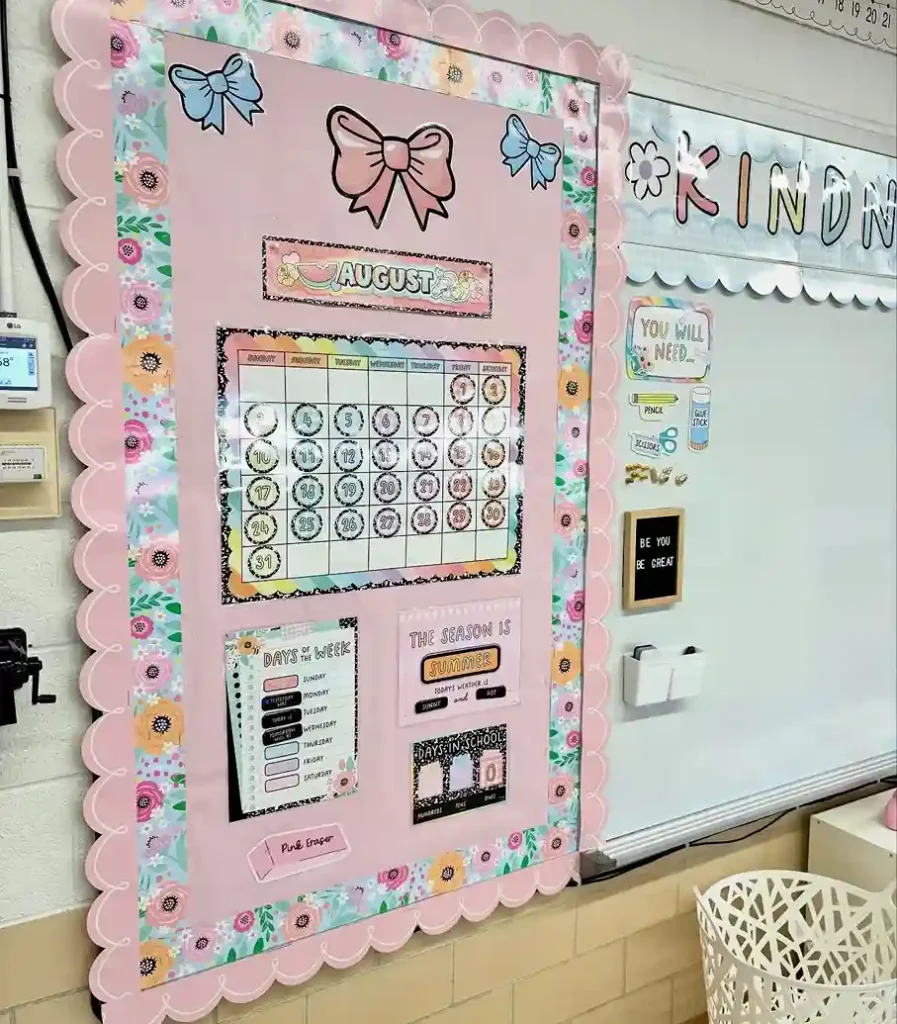
8. Classroom Calendar Display Area
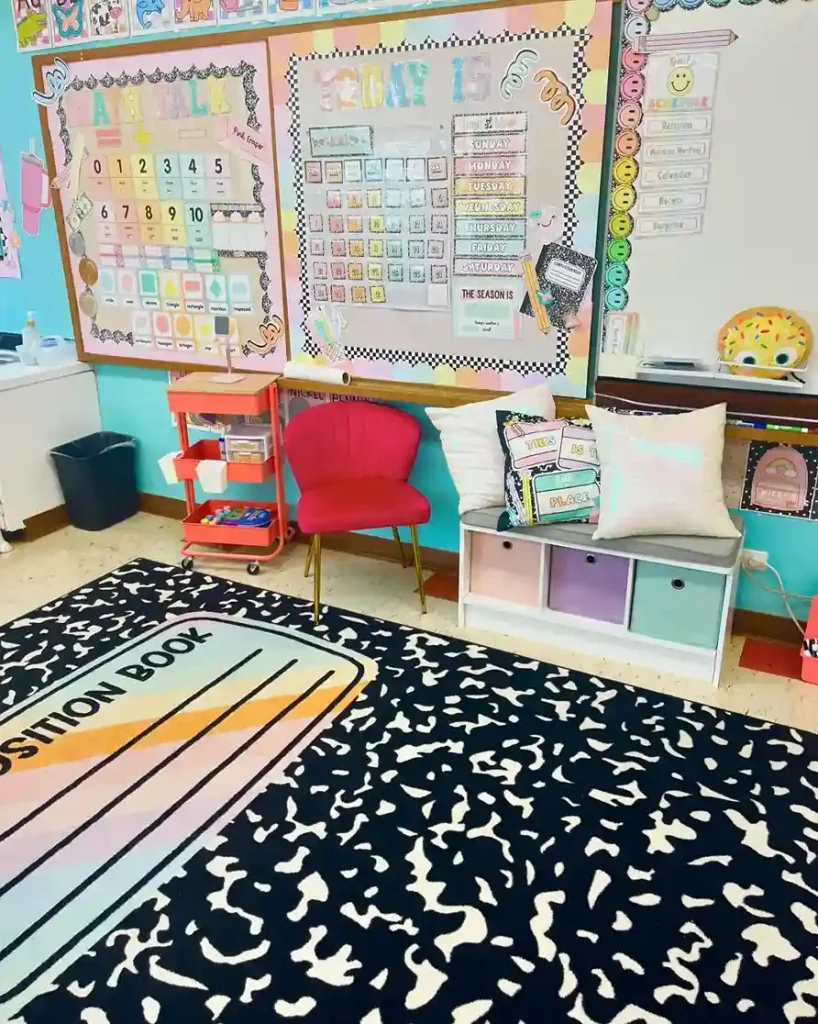
Interactive calendar systems teach time concepts while serving functional planning purposes. Student-led calendar activities build foundational math and social-emotional skills.
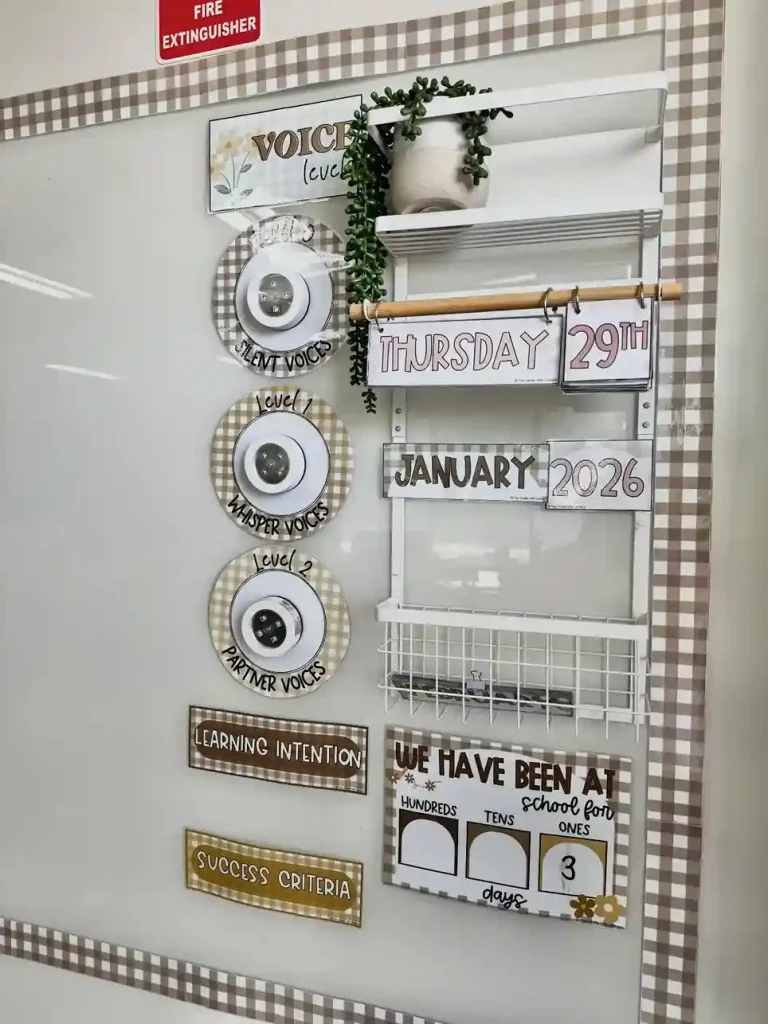
Prominent calendar displays help students understand daily schedules, transitions, and upcoming events. Multi-sensory calendar activities engage various learning styles effectively.
- Include weather, seasons, and special events to connect calendar to real-world experiences
- Allow students to help manage calendar components for engagement and responsibility
9. Word Wall for Vocabulary Building
Dedicated word walls display vocabulary words with visual supports, definitions, and usage examples. Organized systems support oral language development and literacy.
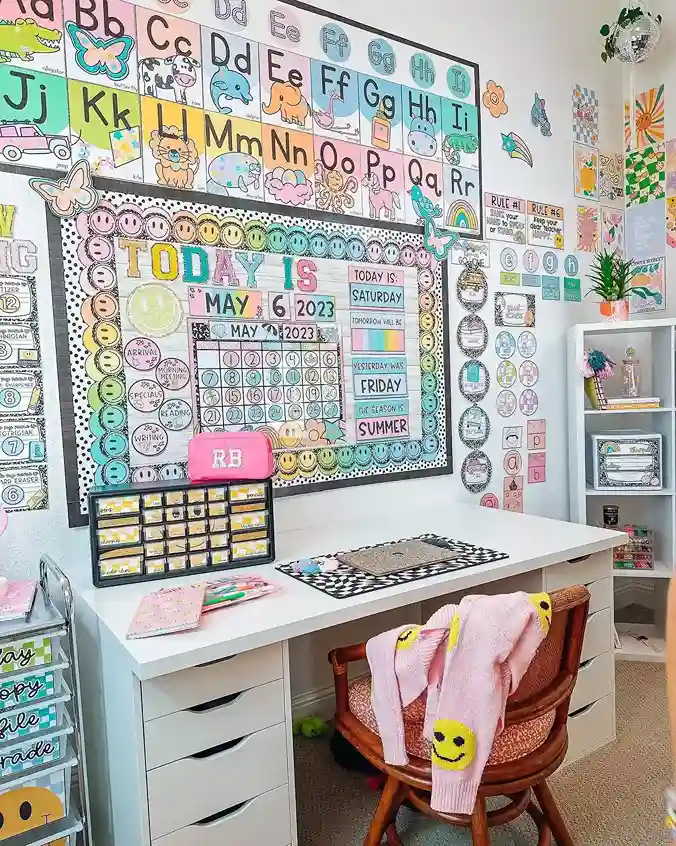
Interactive word walls transform from static displays into dynamic learning tools. Students reference words for writing, spelling, and speaking throughout lessons.
- Add visuals or illustrations next to words to support English language learners
- Rotate words regularly to maintain relevance and prevent overwhelming displays
10. Classroom Rules and Expectations Poster
Clearly posted classroom expectations establish behavior standards students understand. Visual reminders support positive behavior and classroom management consistently.
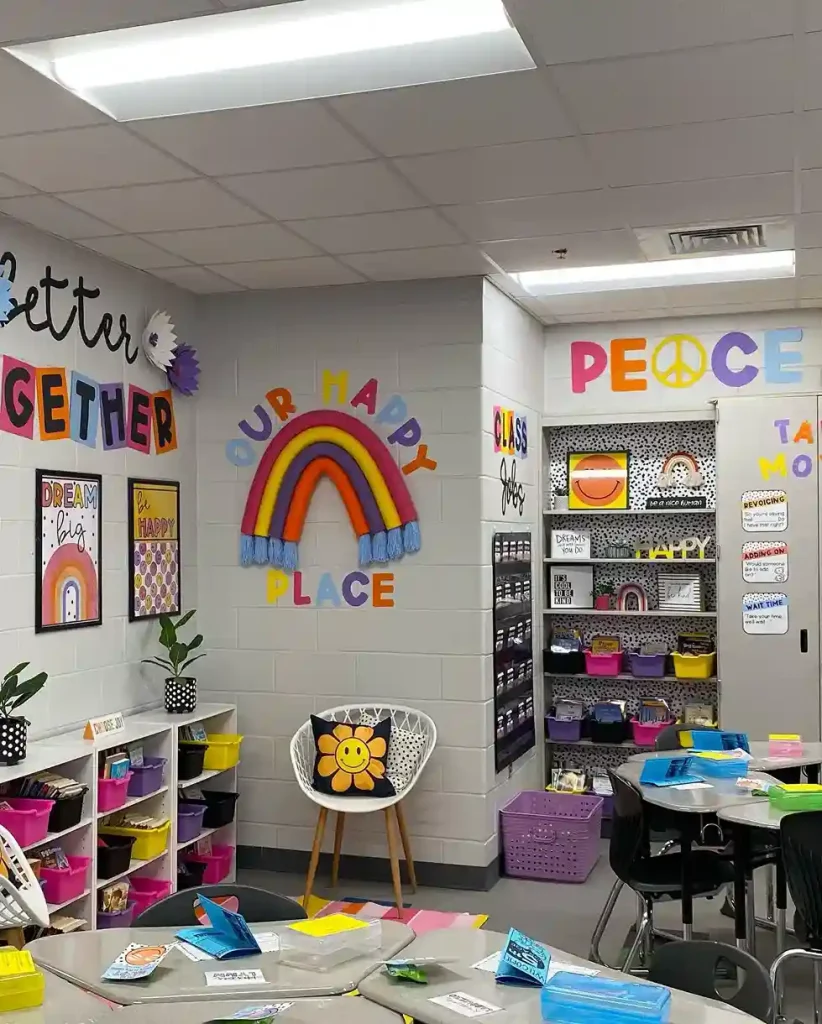
Expectation posters created collaboratively with students increase buy-in and accountability. Prominently displayed standards help students self-monitor behavior positively.
- Use positive language stating what students should do rather than what not to do
- Include visual symbols for primary grades or multilingual classrooms supporting comprehension
11. Achievement and Recognition Board
Celebrate student successes through dedicated recognition boards highlighting accomplishments. Visible recognition motivates continued effort and builds positive self-esteem.
Achievement boards demonstrate that diverse talents and efforts receive acknowledgment. Systems celebrating academic, social, and behavioral growth foster inclusive community.
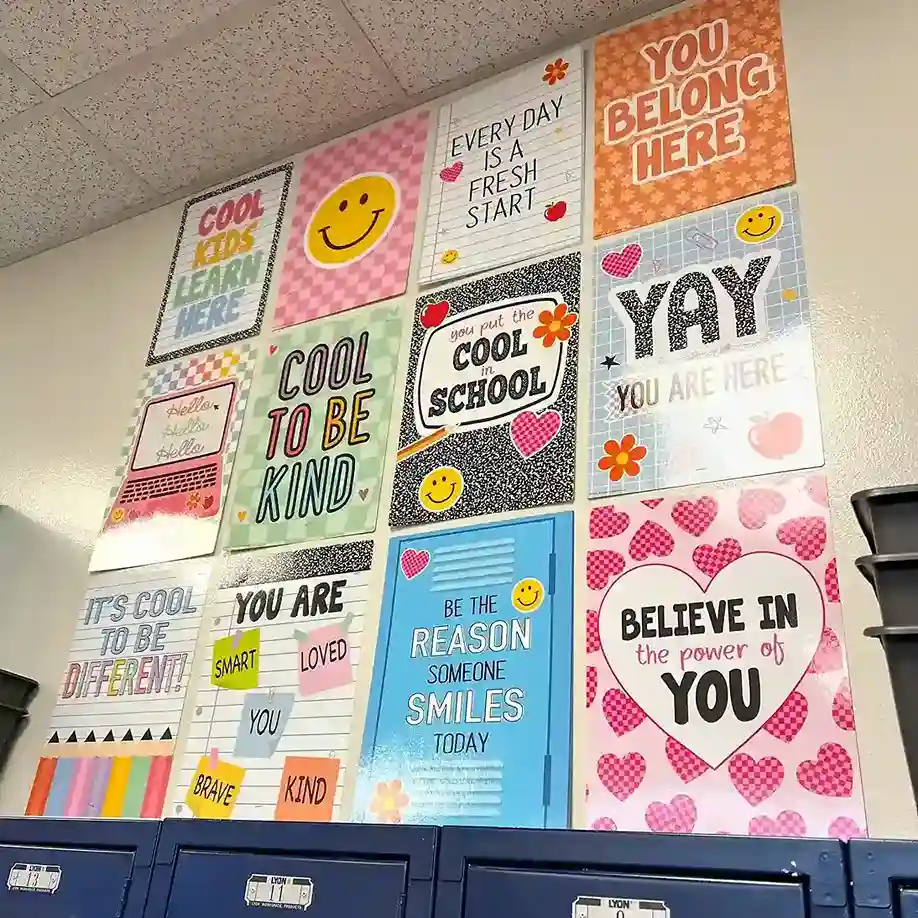
- Rotate featured students regularly to ensure everyone receives recognition eventually
- Display various achievement types academically, athletically, artistically, and socially
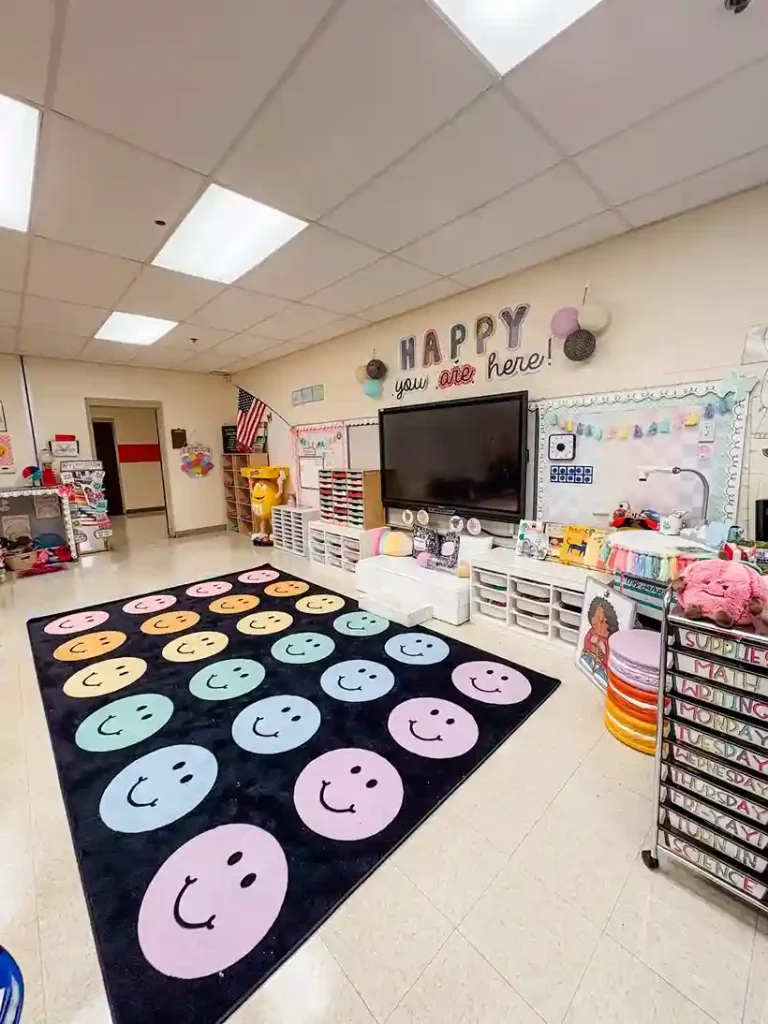
12. Flexible Seating Area Creation
Multiple seating options accommodate different learning preferences and physical needs. Flexible furniture arrangements support collaboration, movement, and individual focus.
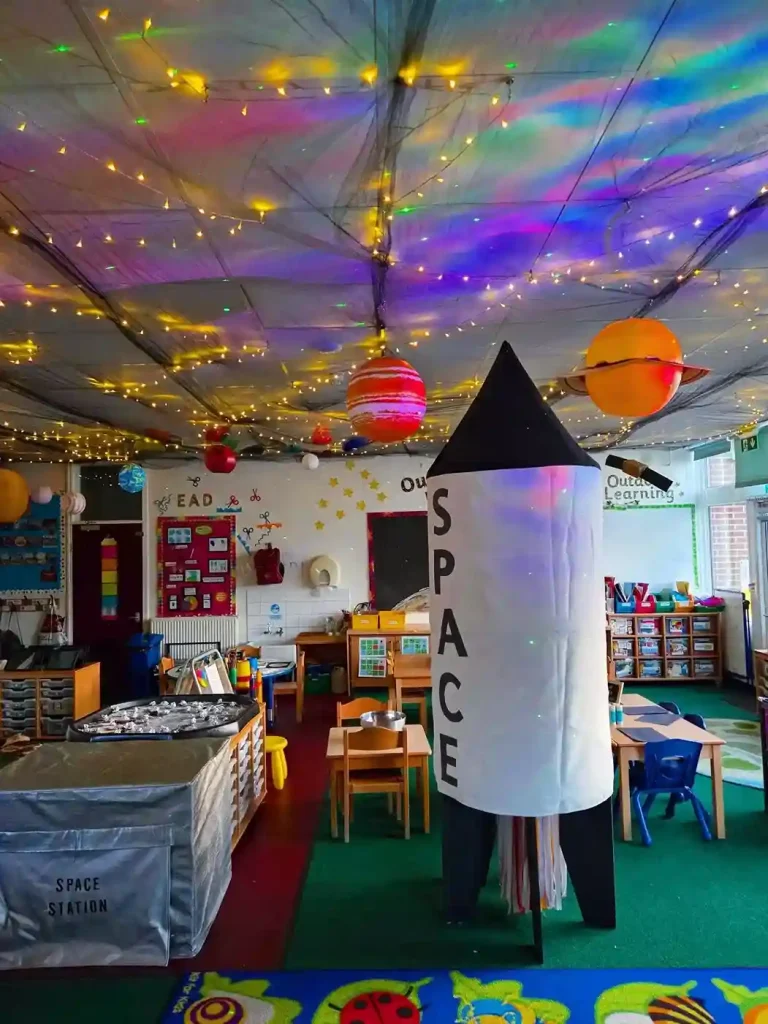
Varied seating choices allow students to select appropriate spaces for tasks. Movement options reduce fidgeting and increase on-task behavior during instruction.
- Include options like floor cushions, stability balls, and traditional chairs for variety
- Establish clear guidelines for how many students can occupy each space simultaneously
13. Time Timer or Visual Schedule Display
Visual schedules using pictures or color-coded timers help students understand daily routines. Transparency about timing reduces anxiety and improves transitions.
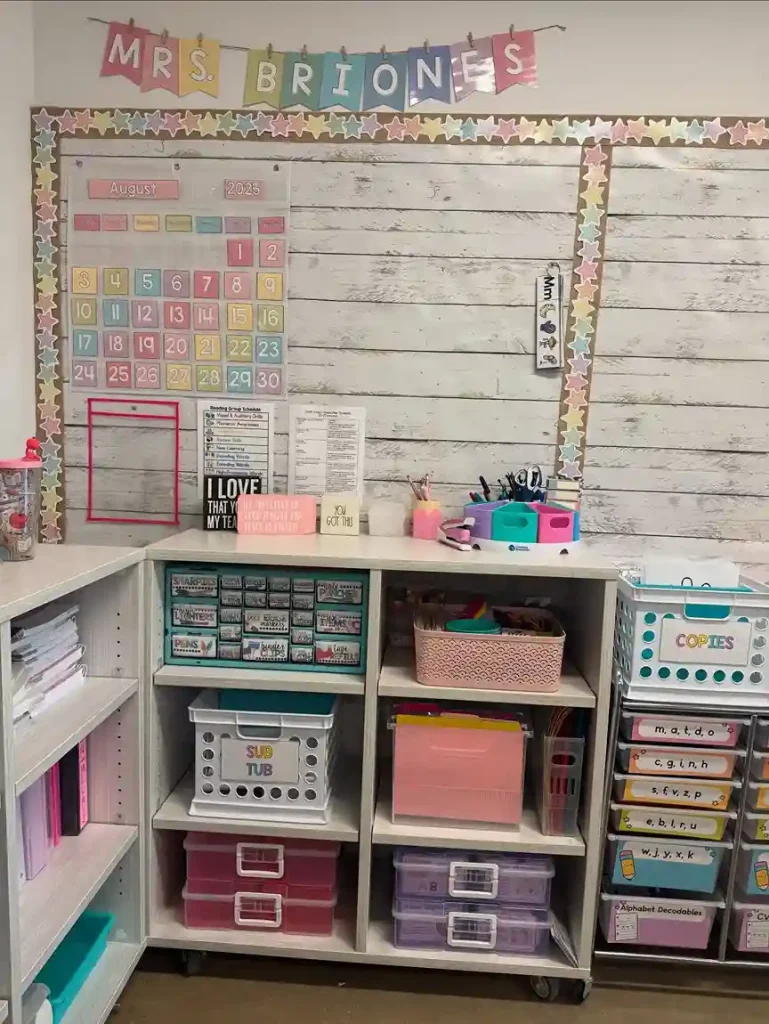
Schedule displays support organization, reduce transition issues, and prepare students cognitively. Visual supports particularly benefit students with anxiety or autism spectrum differences.
- Update displays daily reflecting actual schedule for accuracy and student confidence
- Use consistent visual symbols throughout the classroom for easy recognition
14. Student Name Label System
Creative name labels on desks, cubbies, and materials reinforce literacy while personalizing spaces. Individual labels show you’ve prepared specifically for each student.
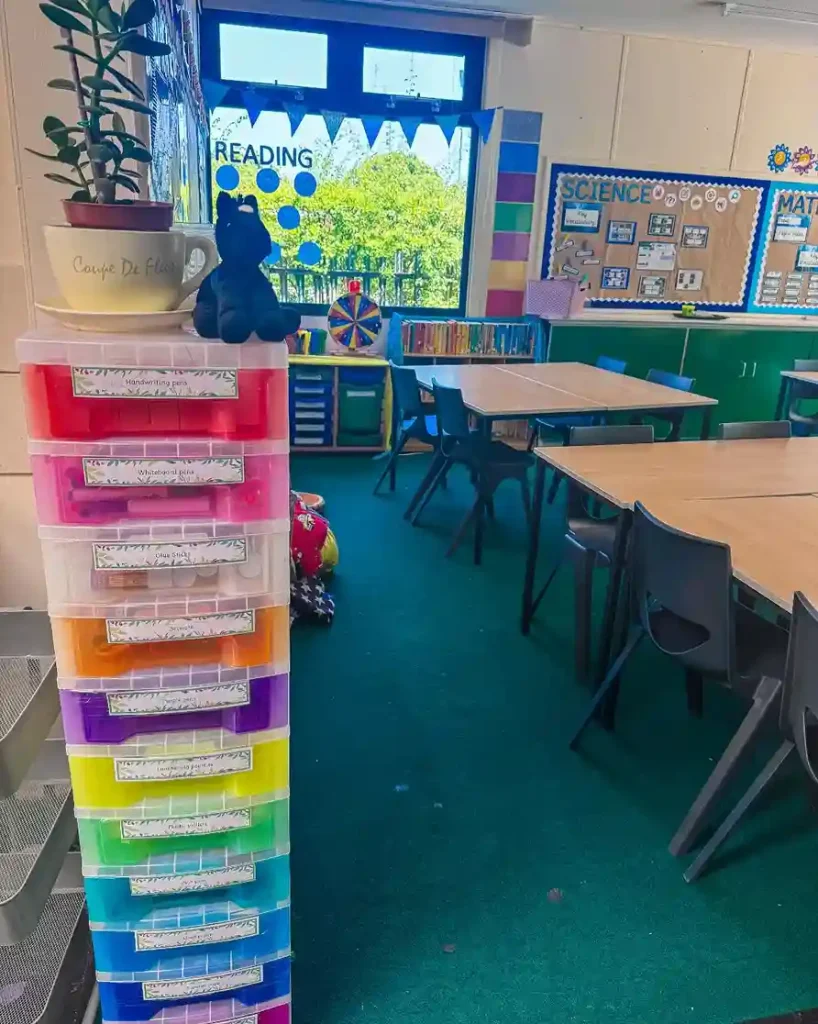
Personalization through name labels increases belonging and classroom community feeling. Students feel individually recognized rather than part of anonymous group.
- Use handwritten names initially for personal touch before adding printed versions
- Include names in multiple languages reflecting classroom diversity intentionally
15. Bulletin Board Trim and Border
Attractive borders frame bulletin boards professionally, defining spaces visually. Decorative borders contain displays and create finished, intentional appearances.
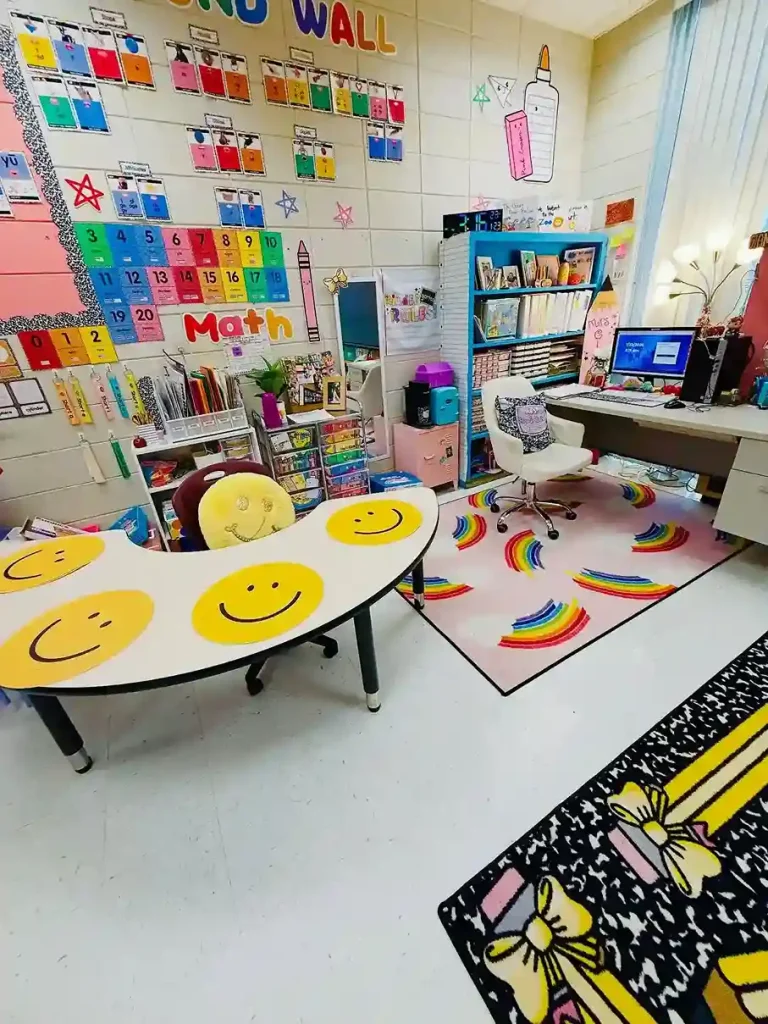
Well-framed boards appear more polished and communicate care about classroom environment. Simple borders enhance visual organization without requiring artistic ability.
- Change borders seasonally keeping appearance fresh throughout academic year
- Coordinate border colors with wall paint and overall classroom aesthetic
16. Learning Objective Display
Clearly posted daily learning objectives help students understand lesson purpose and success criteria. Visible objectives maintain focus and guide independent work time.
Explicit objective statements support metacognition and student understanding of learning goals. Students reference objectives when evaluating their own progress and understanding.
- Write objectives simply in student-friendly language avoiding jargon and complexity
- Reference objectives throughout lessons and check-in activities for consistency
17. Student Work in Progress Display
Dedicated spaces showcase work at various completion stages, not just finished products. In-progress displays normalize mistakes and celebrate effort throughout learning process.
Displaying work-in-progress reduces perfectionism anxiety while showing learning as process. Students see diverse approaches and problem-solving strategies modeled by peers.
- Include process photos showing how work developed over time for learning transparency
- Display alongside finished products to show learning journey and growth narratives
18. Classroom Jobs and Responsibilities Chart
Visual job charts help students understand responsibilities and build community contribution skills. Rotating jobs ensure varied experiences and equitable participation opportunities.
Student jobs create responsibility culture where everyone contributes meaningfully. Visible charts clarify expectations and reduce confusion about role assignments.
- Include job descriptions or visuals so students understand expected responsibilities clearly
- Rotate jobs regularly allowing all students opportunities for different classroom roles
19. Calming Corner Setup
Dedicated calm-down spaces with sensory items support emotional regulation and self-soothing. Peaceful retreats teach healthy coping strategies and reduce behavioral issues.
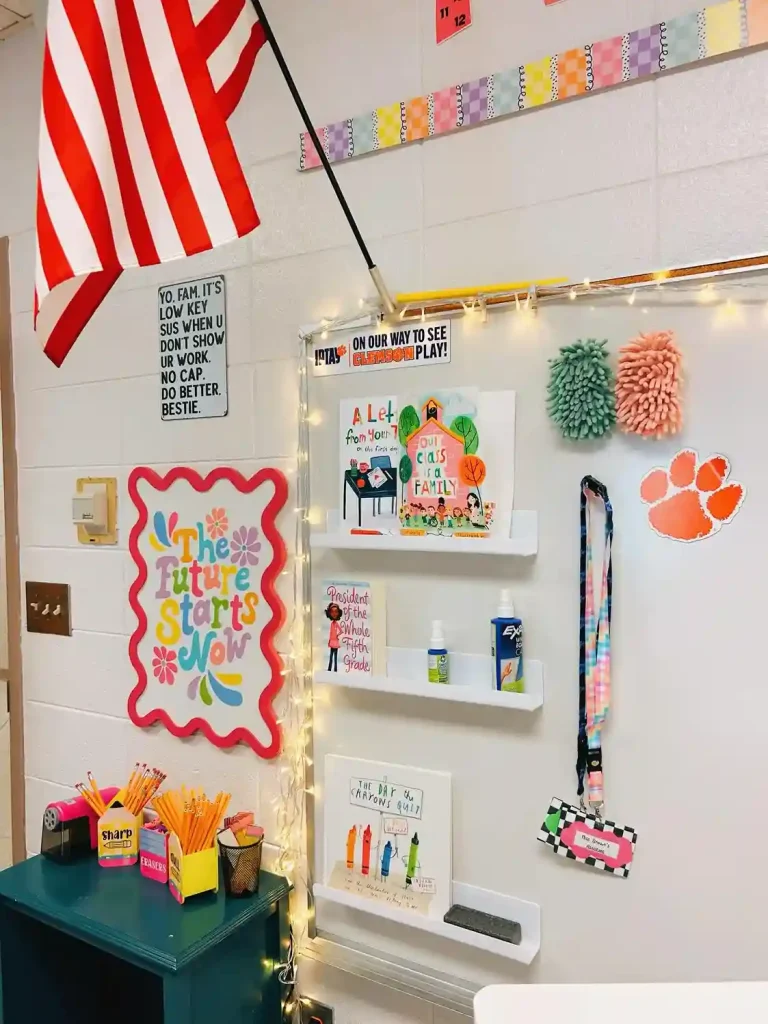
Safe sensory spaces reduce classroom disruptions while teaching vital emotional regulation skills. Students learn to self-manage emotions through intentional space design.
- Include soft textures, fidgets, and soothing items supporting different sensory preferences
- Establish clear norms around calm corner use so it supports rather than isolates
20. Height-Adjusted Anchor Charts
Large, clearly visible anchor charts display learning strategies and reference information prominently. Interactive charts become teaching tools referenced throughout lessons.
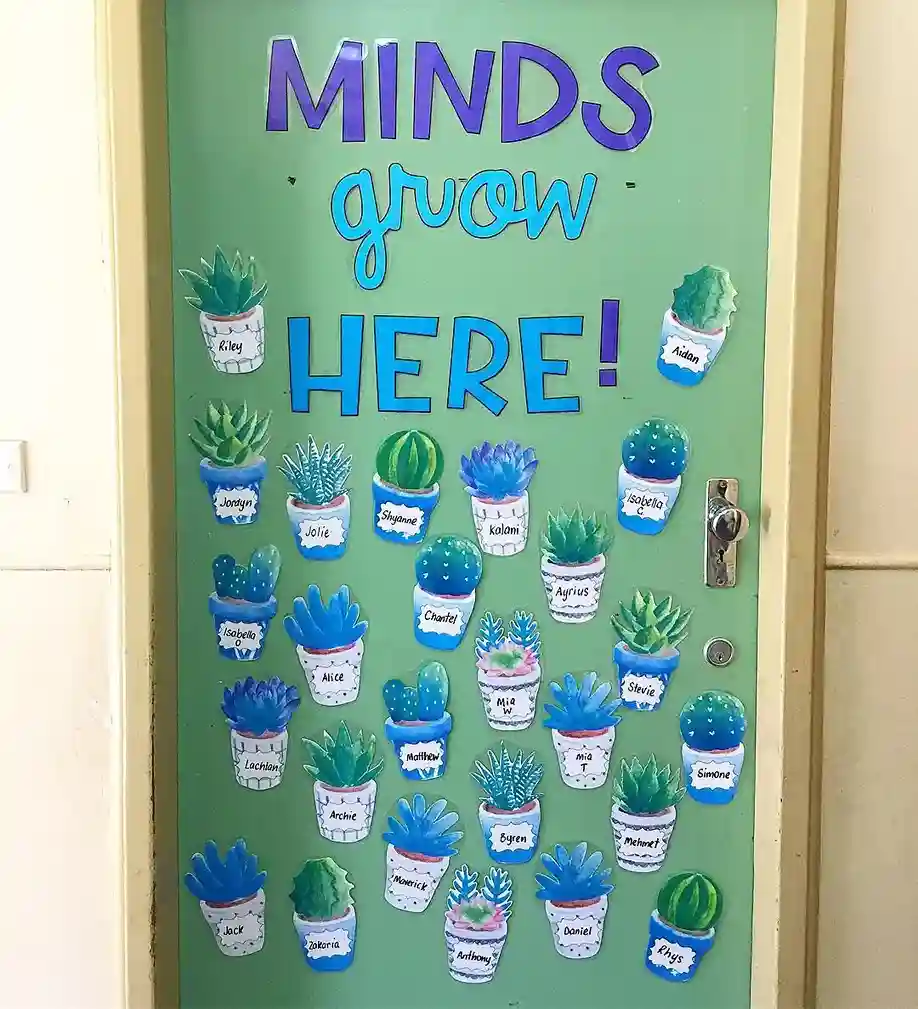
Anchor charts created collaboratively with students increase engagement and retention. Charts transformed into living documents through student contributions grow throughout unit.
- Make lettering large and readable from all classroom seats for accessibility
- Use consistent formatting across charts for visual coherence and professional appearance
21. Classroom Collection Display Shelves
Open shelving displaying classroom collections, science specimens, or curricular materials. Accessible displays turn resources into visual learning tools and focal points.
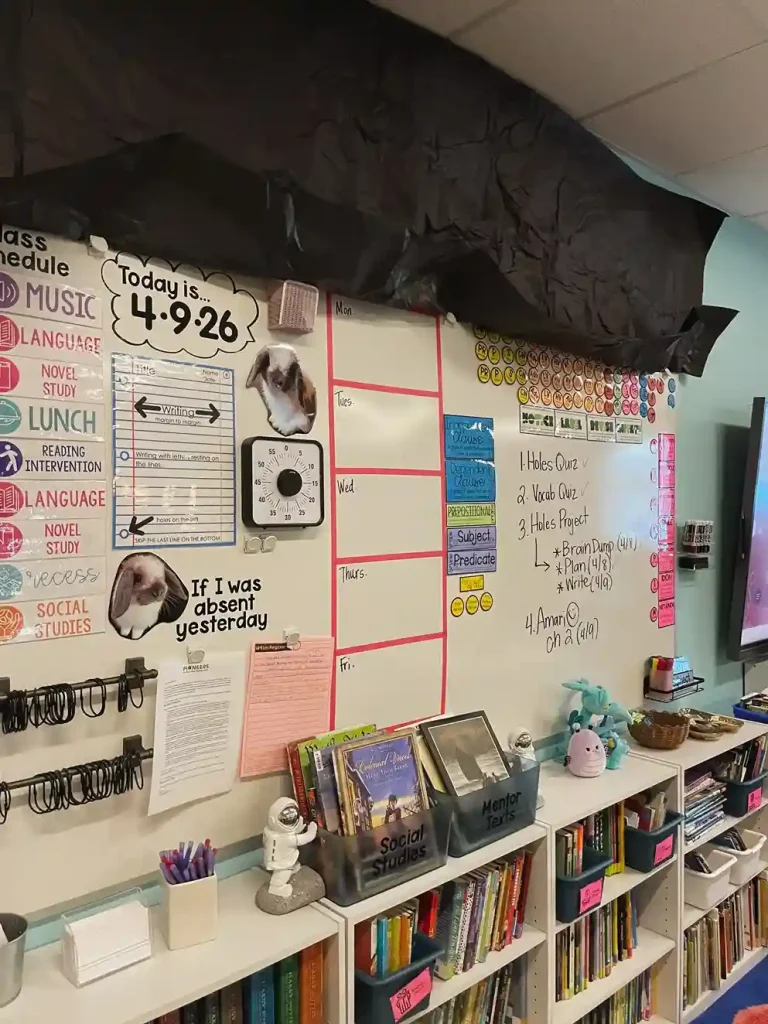
Display shelves transform storage into sophisticated decor supporting learning objectives. Organized displays teach classification, organization, and observation skills.
- Organize collections by category or theme supporting current curriculum units
- Change displays seasonally maintaining visual interest and relevance
22. Inspirational Posters and Print Displays
Educational posters supporting curriculum and promoting positive values hang strategically throughout. Varied poster selections reflect diverse role models and perspectives intentionally.
Quality posters support learning while creating welcoming, inspiring environments. Poster selections communicate what you value and aspire toward as classroom community.
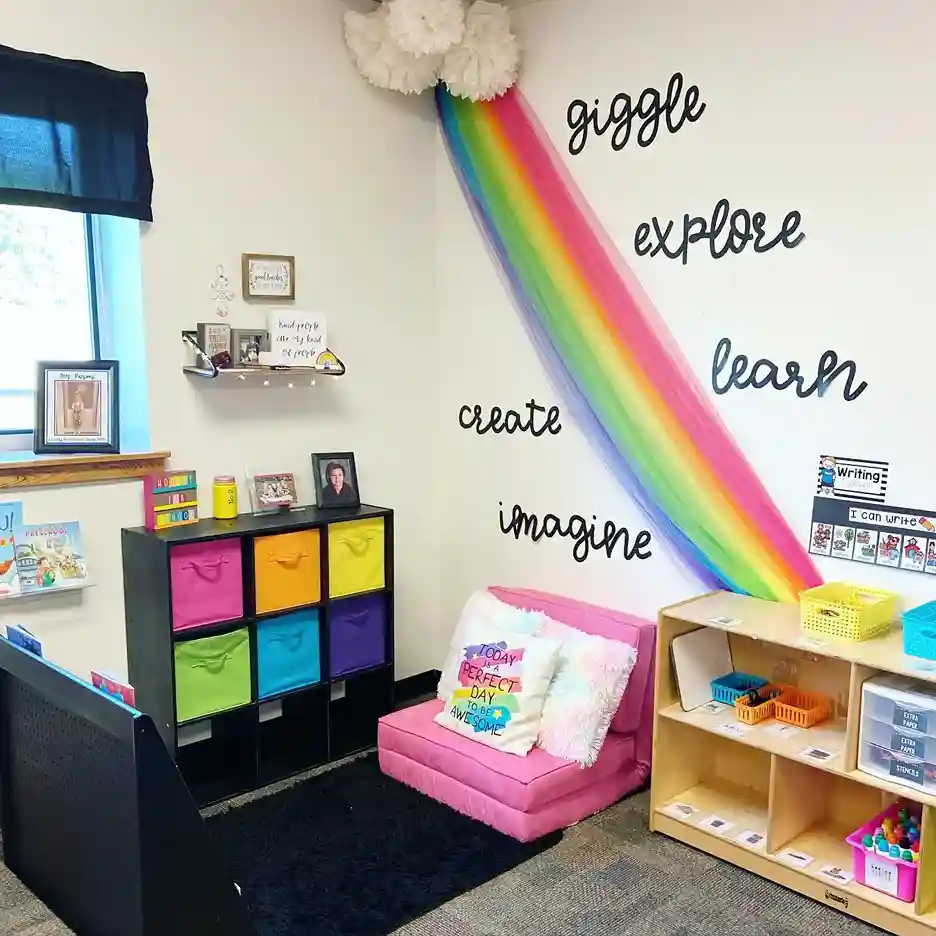
- Select posters reflecting diverse backgrounds and perspectives intentionally
- Rotate posters seasonally or with curriculum units keeping displays fresh
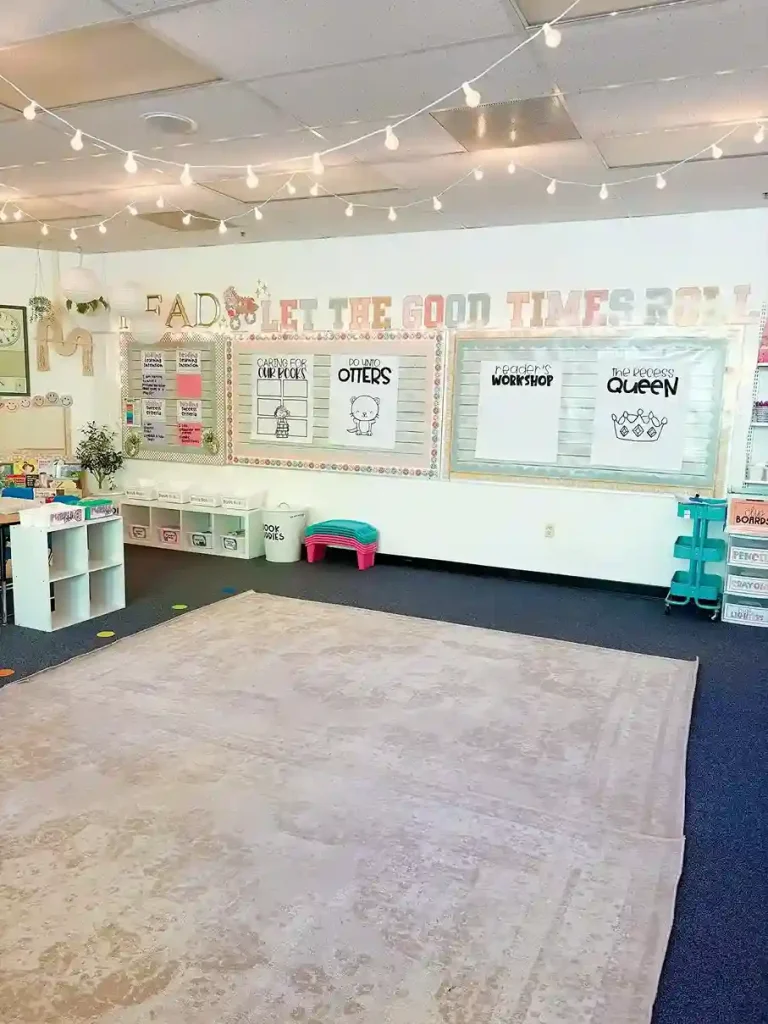
23. String Light Ambient Lighting
Warm string lights create cozy, inviting classroom atmosphere supporting student comfort. Soft lighting reduces harsh fluorescent brightness creating pleasant study environment.
Ambient lighting through string lights creates welcoming space while reducing visual stress. Soft lighting supports focus and reduces overstimulation in busy classrooms.
- Hang lights around perimeter or key areas avoiding interference with instruction
- Use LED lights for safety and energy efficiency in busy classroom environments
24. Student Learning Profile Posters
Individual student strength posters celebrating diverse learners build inclusive community. Visible recognition of varied abilities reduces stigma and promotes acceptance.
Learning profile displays normalize that everyone has different strengths and learning styles. Visible diversity promotes peer appreciation and reduces social anxiety.
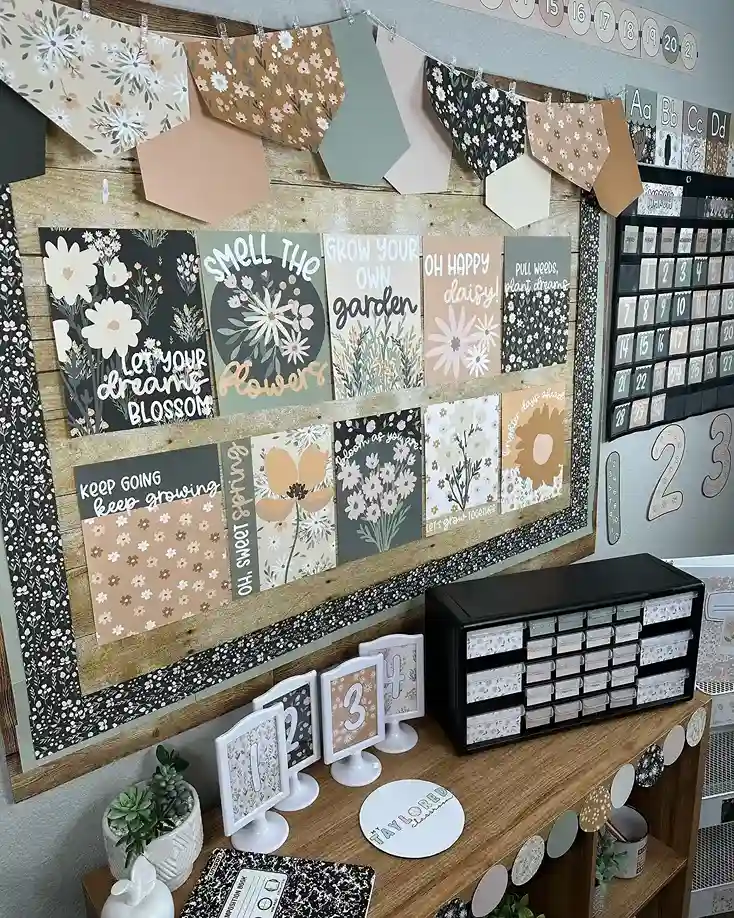
- Include strengths in academic, social, artistic, athletic, and leadership areas broadly
- Update annually reflecting student growth and changing interests
25. Classroom Community Promise Wall
Collaborative promises created with students establish shared classroom values and culture. Student-created norms increase buy-in and accountability compared to teacher-imposed rules.
Community promises created democratically foster ownership and commitment. Visible promises serve as touchstones during challenging moments and transitions.
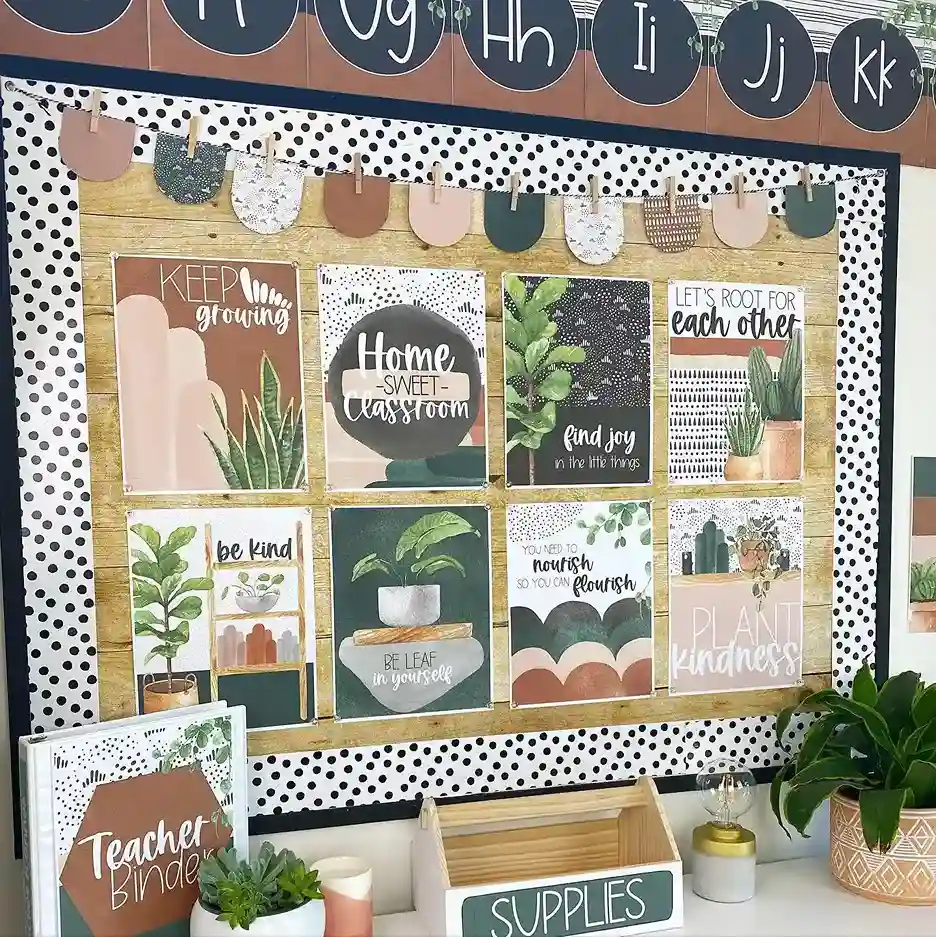
- Display promises prominently referencing them regularly during lessons and conflicts
- Review and revise annually as classroom composition changes
26. Subject-Specific Learning Stations
Designated station areas support hands-on learning and independent skill practice. Organized stations with clear instructions promote independence and engagement.
Learning stations differentiate instruction while maximizing limited classroom space efficiently. Rotating stations keep content fresh and engage kinesthetic learners.
- Include materials and instructions clearly at each station for independence
- Change stations seasonally or every few weeks preventing boredom
27. Classroom Community Board
Dedicated boards celebrate classroom news, announcements, and upcoming events. Community boards build connection and keep families informed about happenings.
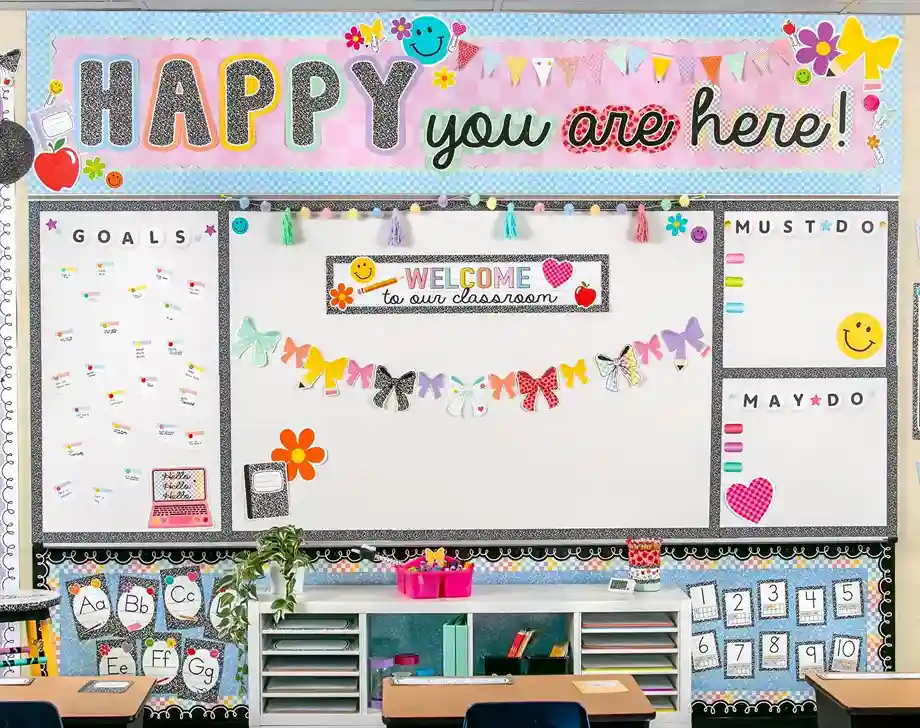
Community boards make classroom transparent and welcoming to families. Visible updates demonstrate ongoing learning and community building activities.
- Include both academic and social announcements representing whole-child focus
- Update regularly showing classroom is active, engaged community
28. Student Birthday Display
Consistent birthday recognition makes students feel individually valued and special. Visible celebration of milestones builds community connection and belonging.
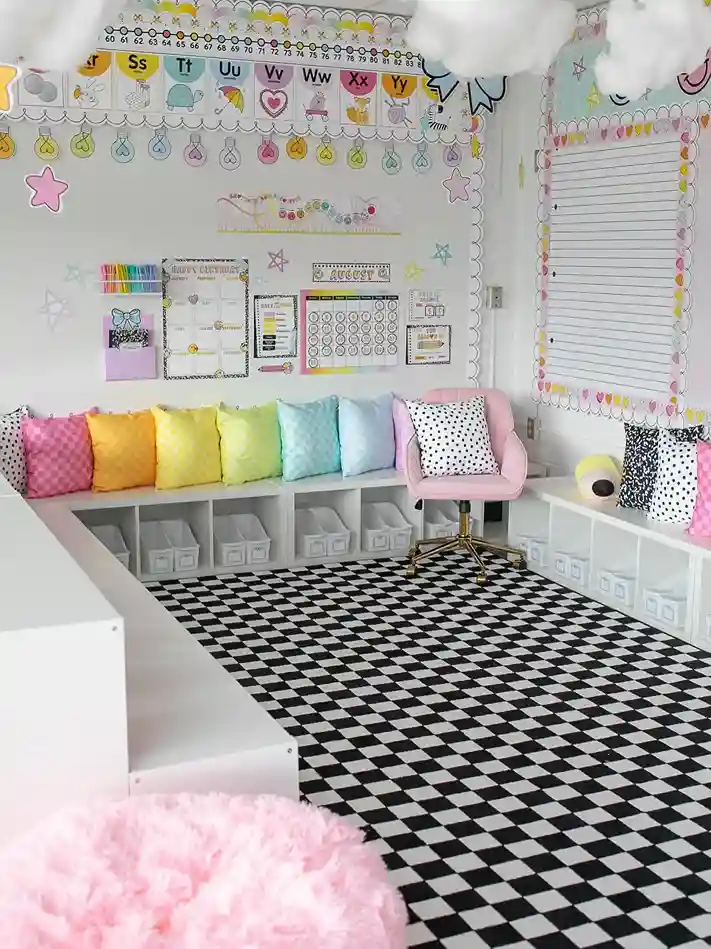
Birthday displays ensure every student receives recognition and celebration. Consistent systems prevent overlooked students and support inclusive community building.
- Display upcoming birthdays prominently building anticipation and community excitement
- Celebrate non-traditional milestones honoring diverse family structures and celebrations
29. Classroom Behavior Tracking System
Visual behavior systems using charts or token economies support positive reinforcement. Transparent tracking helps students monitor and self-regulate behavior.
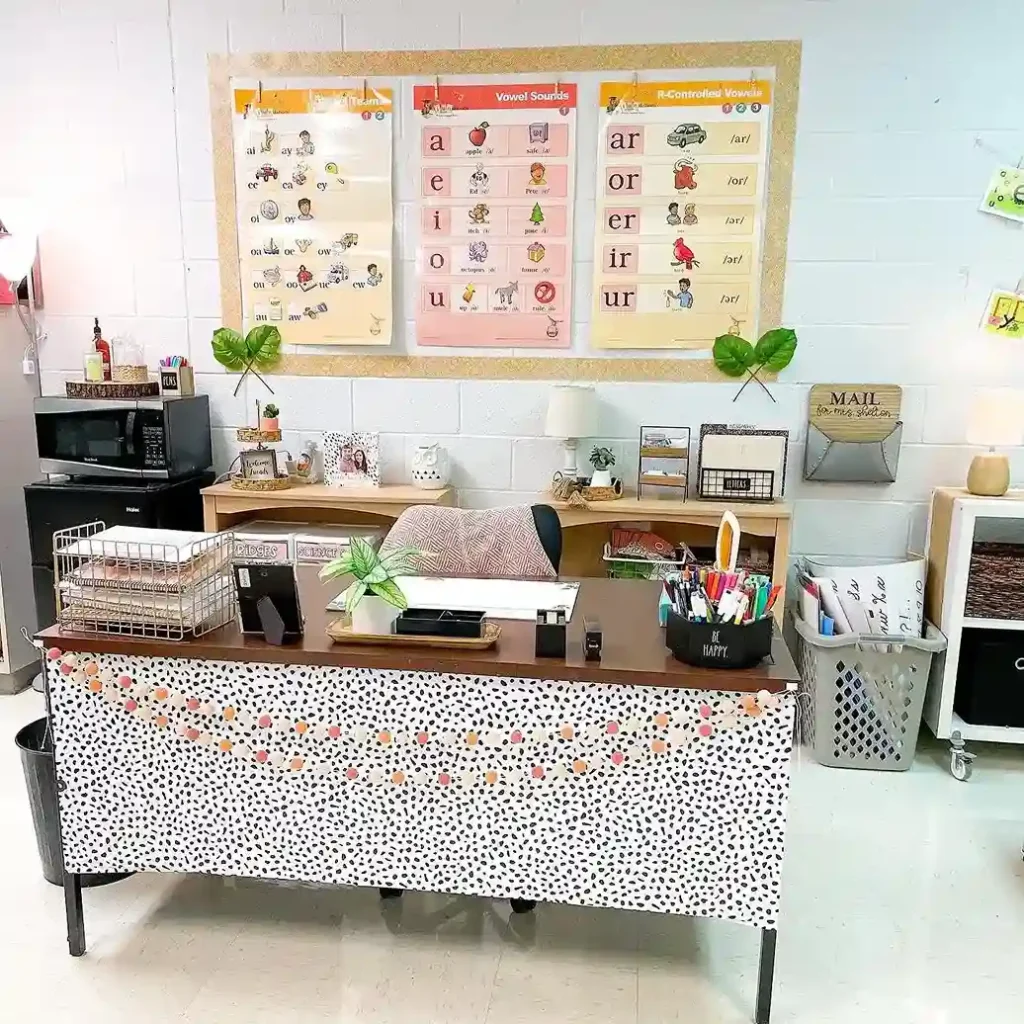
Behavior systems create clear expectations and consistent consequences. Visual tracking motivates improved behavior through accessible, understandable feedback.
- Make tracking systems visible and understandable for all learners including diverse needs
- Celebrate individual and class progress regularly reinforcing positive behavior patterns
30. Curriculum-Aligned Word Displays
Subject-specific terminology displayed with visual supports scaffolds vocabulary learning. Organized displays help students navigate academic language across content areas.
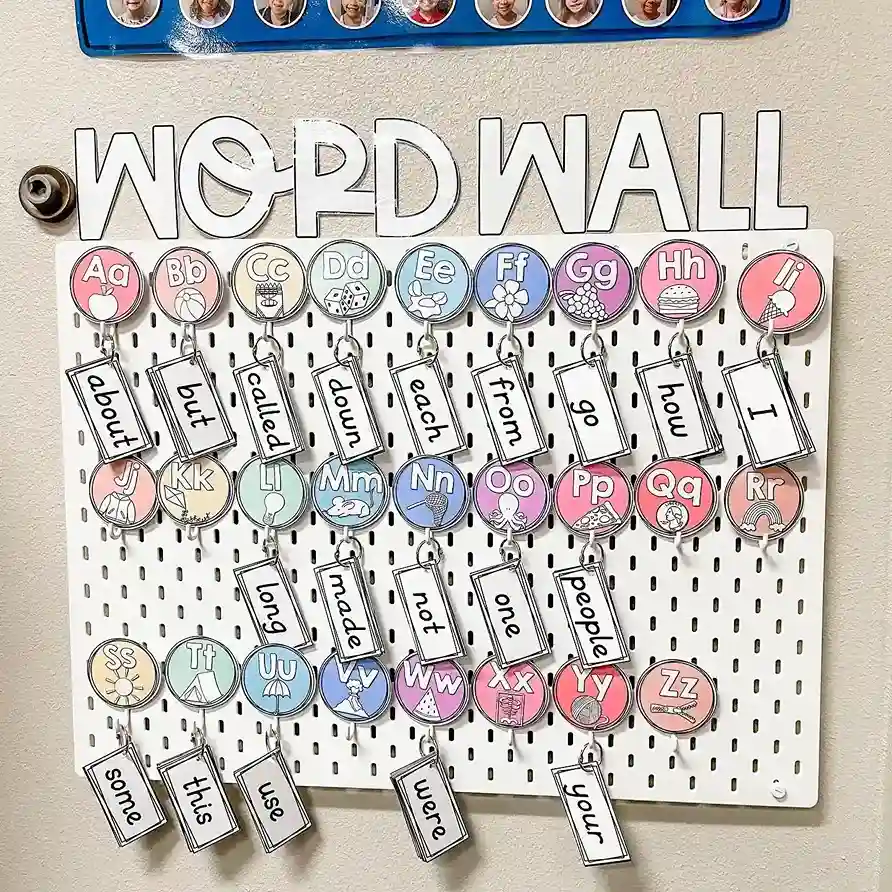
Terminology displays support literacy across content areas beyond language arts. Visual supports reduce language barriers for English learners and struggling readers.
- Add illustrations or icons supporting vocabulary comprehension for diverse learners
- Group related terms together showing conceptual relationships clearly
31. Student Choice and Voice Opportunities
Visible evidence of student choice through project selections and voice opportunities. Student agency in decision-making increases motivation and ownership of learning.
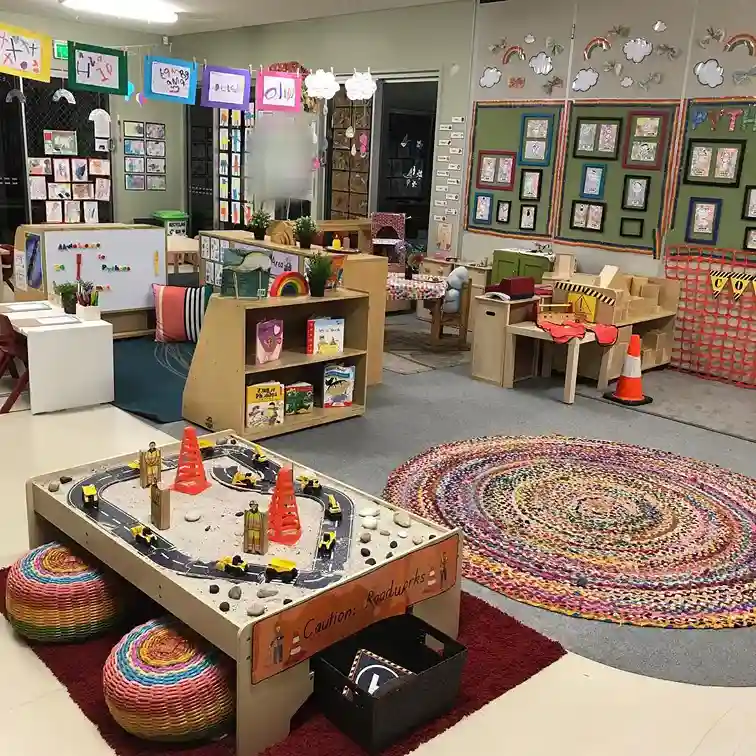
Displaying student choices demonstrates their voices matter in classroom culture. Choice boards and voting results show students their preferences influence classroom.
- Create physical choice boards where students vote on activities or learning options
- Display results showing what students chose celebrating democratic decision-making
32. Classroom Mascot or Thematic Decoration
Consistent mascots or themes create cohesive, recognizable classroom identity and culture. Thematic elements make classroom feel like special community distinct from others.
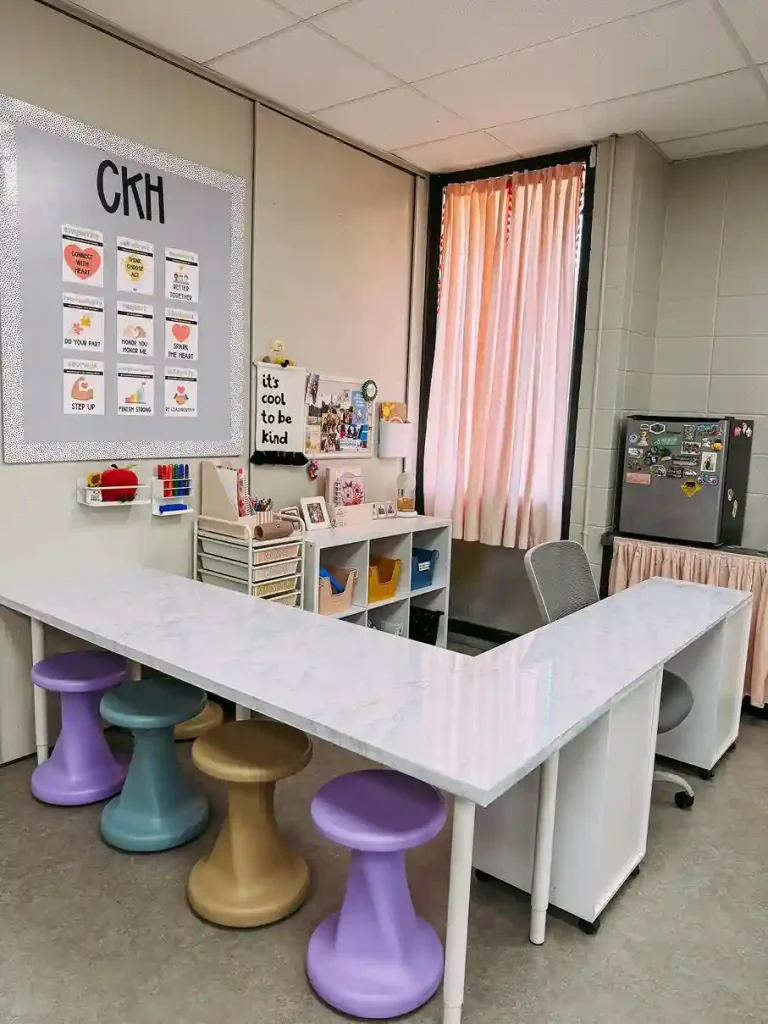
Classroom mascots create identity and belonging, bonding students together. Consistent themes throughout year create continuity and community recognition.
- Feature mascot in various displays maintaining visual cohesion throughout space
- Reference mascot in classroom language and culture building community identity
33. Safety and Procedures Visual Reminders
Pictorial reminders of procedures support transitions and reduce verbal repetition. Visual supports help students remember routines, transitions, and safety protocols.
Procedure reminders create predictability reducing anxiety and behavioral issues. Visual organization systems support classroom routines automatically.
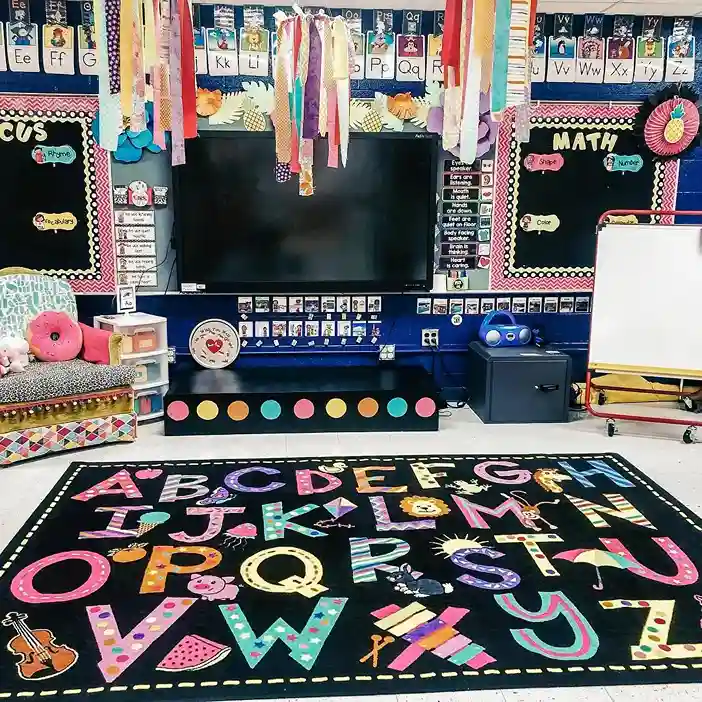
- Use simple icons or drawings that students understand quickly
- Post near relevant locations like doorways, pencil sharpeners, and supply areas
34. Diversity and Inclusion Displays
Intentional displays celebrating diverse cultures, abilities, and family structures. Visible representation ensures all students see themselves reflected in classroom.
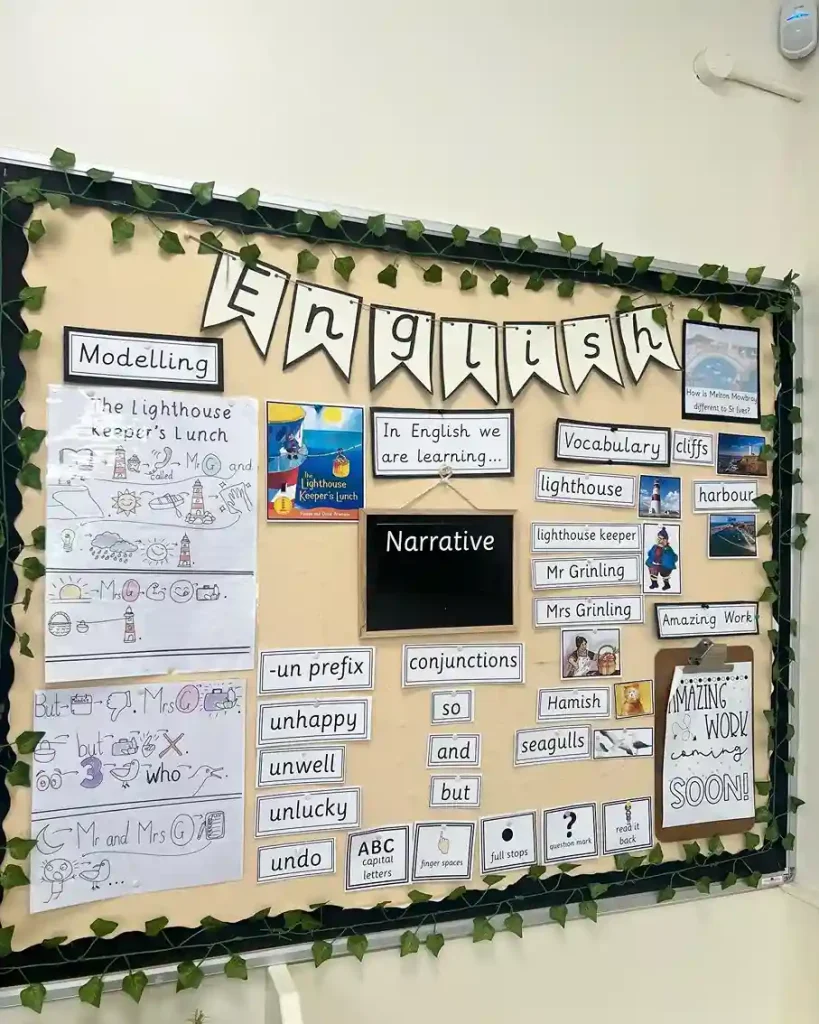
Inclusive displays send powerful messages that all students and families are valued. Diverse representation supports academic achievement and belonging for marginalized students.
- Include diverse family structures, abilities, and cultural celebrations throughout year
- Update displays seasonally featuring different cultures and traditions systematically
35. Student Assessment and Progress Visuals
Learning progression displays showing individual or class growth over time. Visual progress tracking motivates students while demonstrating academic growth.
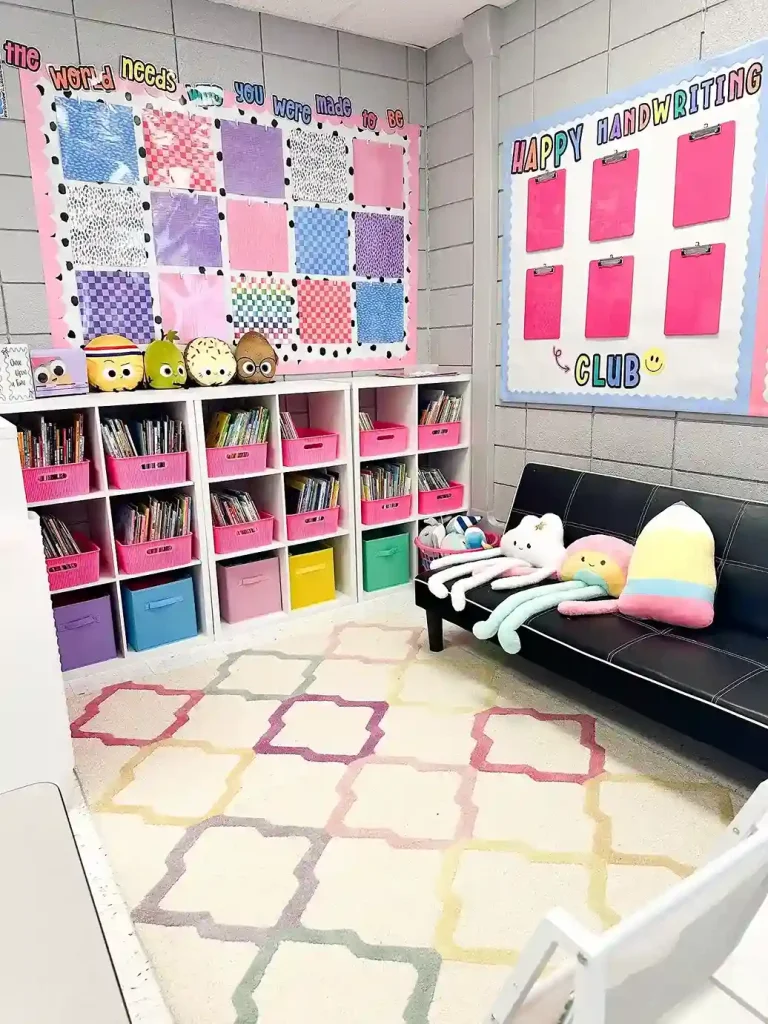
Progress displays build student agency by showing measurable growth and improvement. Visible gains increase motivation and confidence particularly for struggling learners.
- Use growth-oriented language celebrating progress rather than fixed ability
- Display multiple types of progress academically, behaviorally, and socially
36. Teacher Welcome and Classroom Personality
Personal touches showing teacher interests and personality humanize classroom space. Teacher personality visible through decoration builds relationships and community.
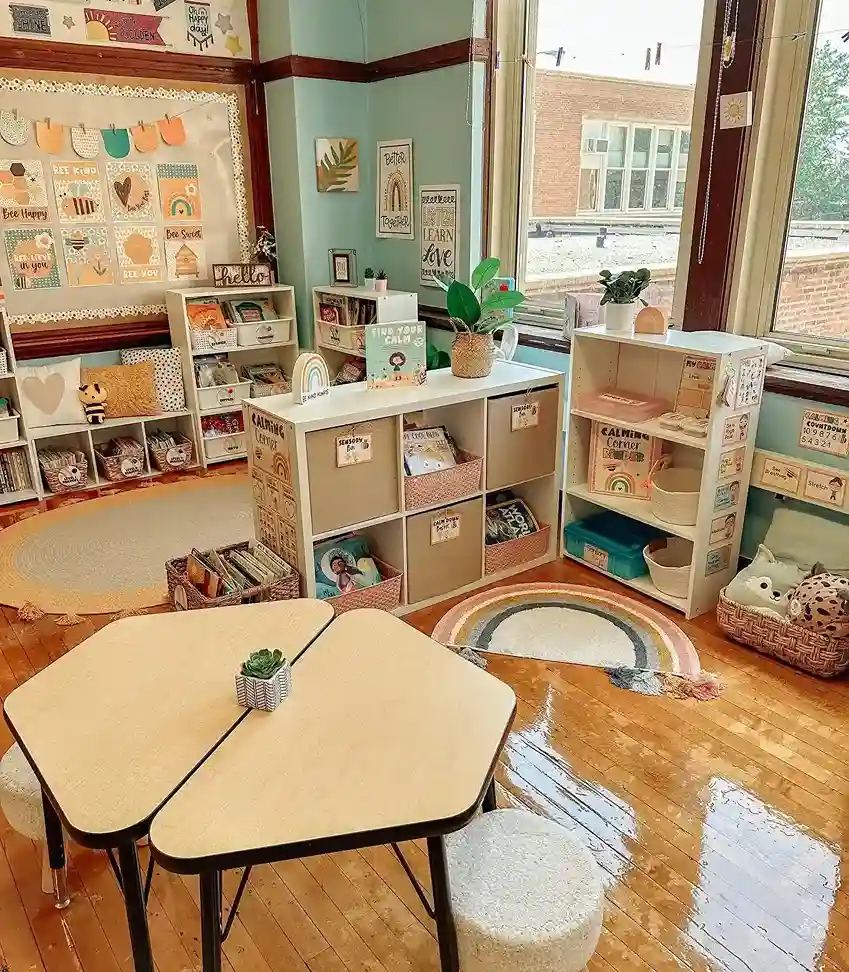
Teacher authenticity builds trust and models that personality and identity matter. Personal displays show teachers are whole humans with interests beyond teaching.
- Share genuine interests through displayed items creating conversation starters
- Update displays seasonally reflecting current interests and enthusiasm
Frequently Asked Questions
What classroom decorations have the most impact on student learning?
Research shows that organized, cluttered-free spaces with clear expectations and positive visual messages most impact achievement. Interactive displays students reference during lessons increase learning retention significantly.
How can I decorate a classroom on a limited budget?
Utilize student-created artwork, nature finds, and strategically placed bulletin boards. Many quality resources are free online or available through school supply budgets allocated annually.
Should classroom decoration be bright and colorful or calm and minimalist?
Balance is optimal. Use calming base colors with strategic pops of color drawing attention to important information. Avoid overwhelming stimulation while maintaining visual interest and engagement.
How often should classroom decorations be changed?
Seasonal changes prevent monotony while keeping displays fresh. Feature student work rotates weekly while permanent displays can remain year-long if well-designed and relevant.
Seasonal Decoration Ideas
Fall Themes:
- Display warm colors reflecting autumn leaves and harvest themes
- Feature student work alongside pumpkins, apples, and seasonal decorations
- Celebrate diverse fall holidays and cultural traditions
- Create community giving displays promoting gratitude and kindness
Winter Themes:
- Use cool blues and silvers reflecting winter while acknowledging diverse celebrations
- Display student winter science projects and observations
- Create cozy reading nooks with warm lighting and comfortable seating
- Celebrate multiple cultural holiday traditions represented in classroom
Spring Themes:
- Feature growth themes through student progress displays and nature observations
- Display spring flowers and garden-related learning activities
- Create colorful, hopeful atmospheres as students prepare for transitions
- Celebrate spring cultural traditions and upcoming summer preparations
Summer Themes:
- Transition to outdoor learning displays celebrating year’s growth
- Create end-of-year celebration displays recognizing achievements
- Prepare for next year through hope and anticipation-focused displays
- Share summer learning opportunities and community resources
Transform your classroom into an engaging, inclusive learning environment supporting all students. Visit MotifSpace.com for more creative home interior decoration ideas applicable to educational settings. Explore guides on organizational systems, wall decor, and space design to inspire your classroom transformation. Create inspiring spaces where every student feels welcomed, valued, and supported in their learning journey.