Are you looking at your unfinished basement and seeing wasted potential instead of valuable living space? Does your family need a comfortable gathering area, entertainment zone, or simply more room to spread out without undertaking expensive home additions?
Source: @airoomdesignbuild
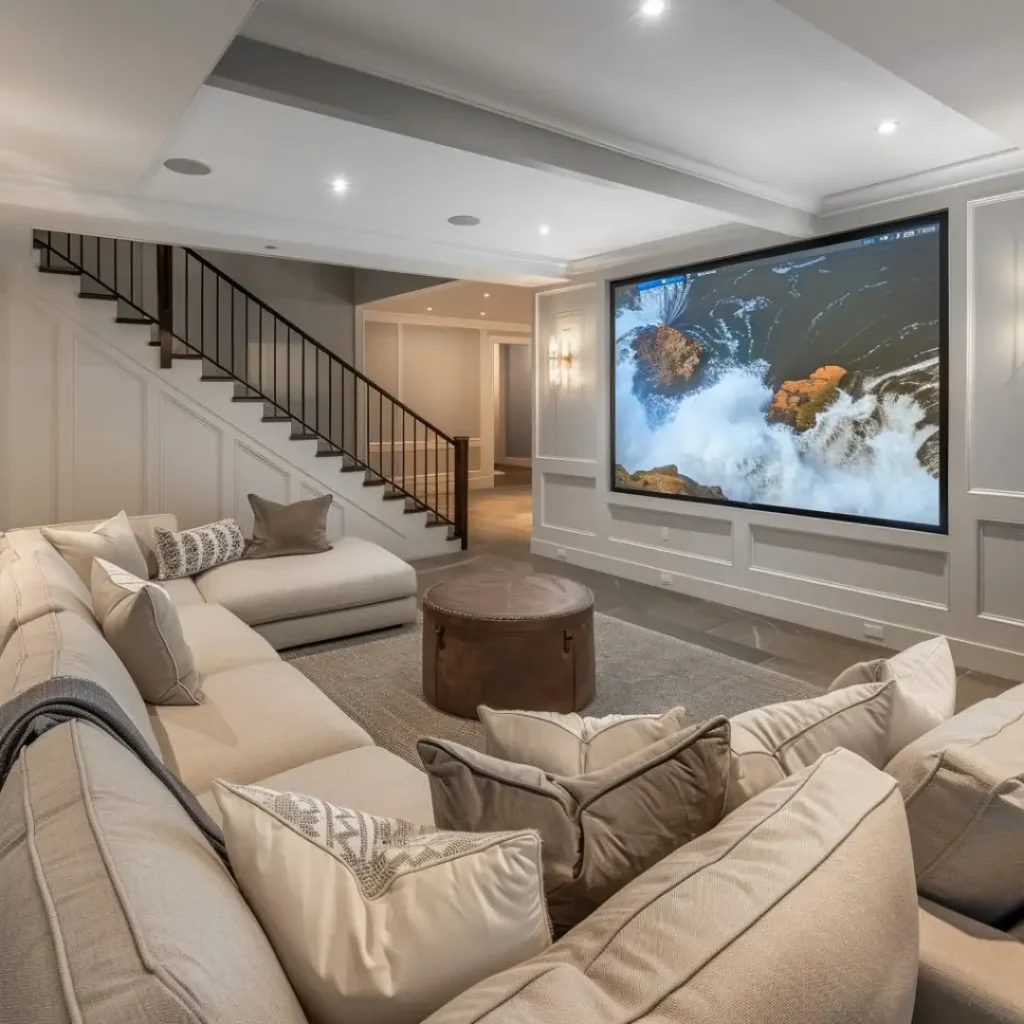
Basement living rooms represent one of the smartest uses of below-grade space, creating casual, comfortable areas perfect for family time, entertaining guests, watching movies, or providing teenagers with their own hangout spaces away from upstairs formality.
Unlike formal main-level living rooms that might restrict activities or require constant upkeep, basement living rooms embrace relaxed atmospheres where families can truly unwind without worrying about pristine furniture or noise disturbing others.
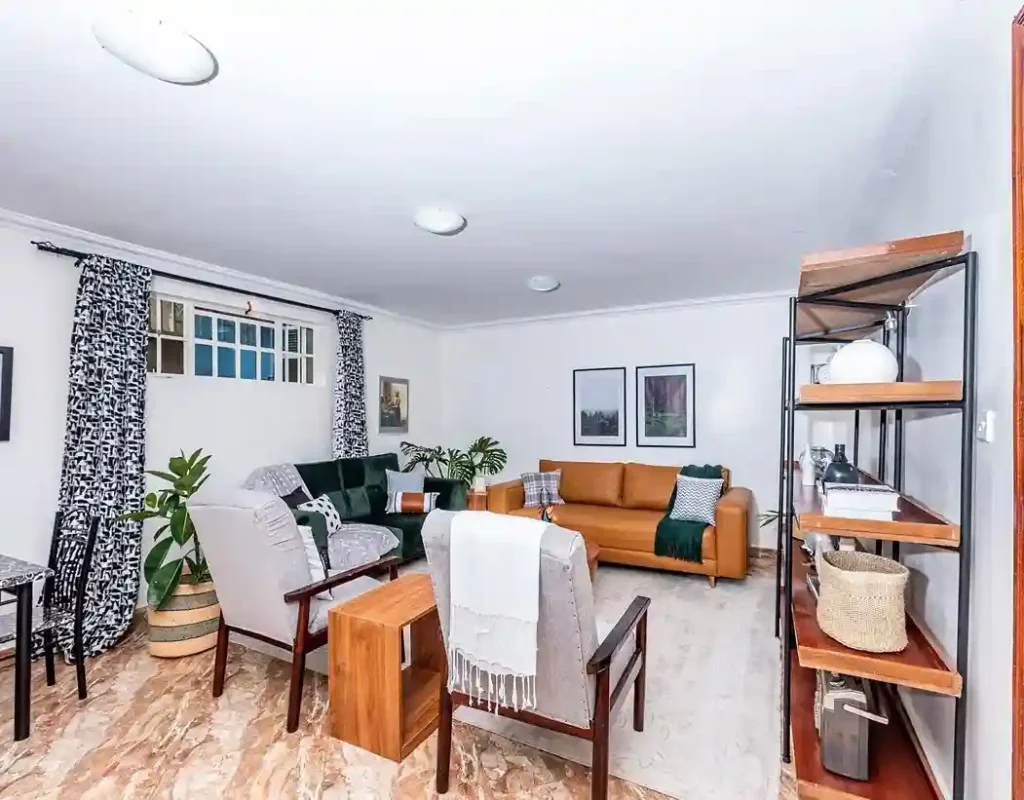
The transformation typically costs $15,000-$40,000 depending on size and finishes, adding substantial functional space and $25,000-$50,000 in home value.
Whether you’re working with 300 or 1,200 square feet, these 21 basement living room ideas prove that thoughtful design creates inviting spaces that become your home’s most-used and beloved gathering areas.
1. Cozy Media Room
Create dedicated entertainment spaces with large-screen TVs, surround sound systems, comfortable sectional sofas, and dimmable lighting perfect for movie nights. Include theater seating, blackout curtains blocking natural light, and acoustic panels improving sound quality.
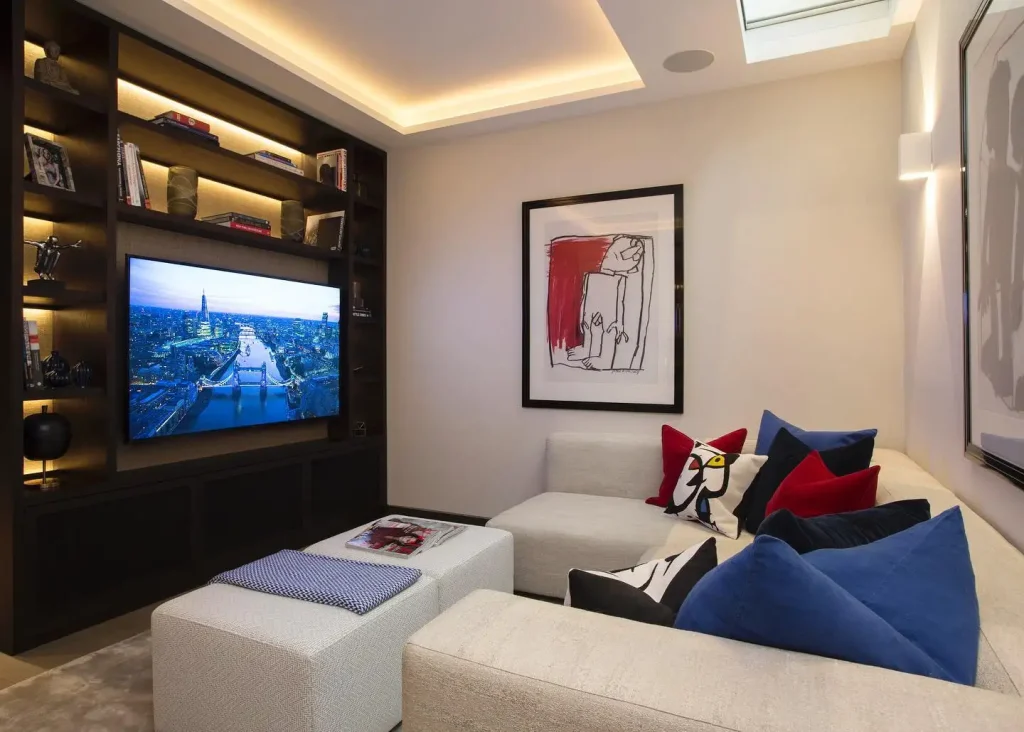
This popular basement use transforms ordinary TV watching into cinematic experiences rivaling commercial theaters while keeping snack mess and volume contained away from upstairs living areas where noise might disturb others. If you are interested in remodeling your basement then check our basement remodel guide for detailed transformation.
2. Sports Bar Theme
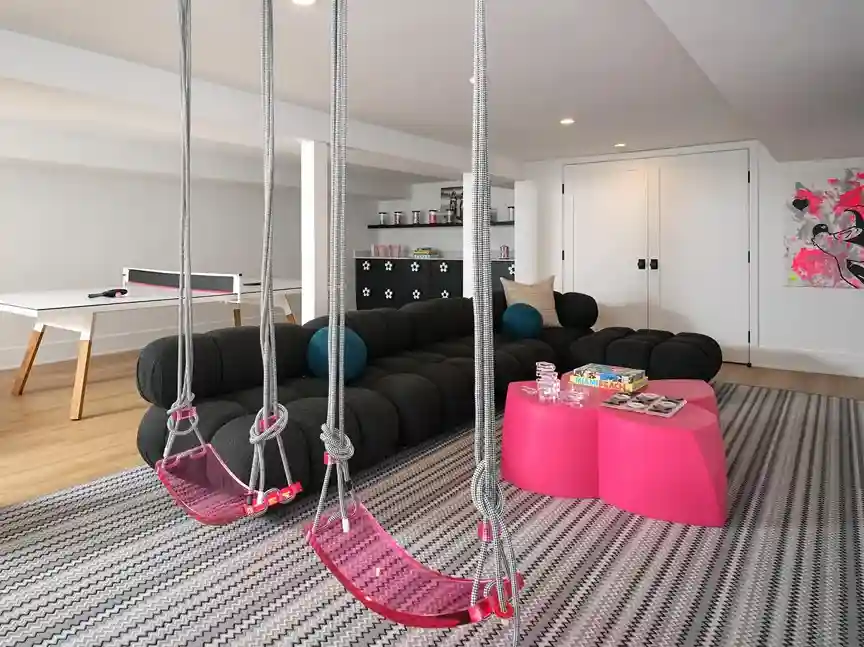
Design sports-themed living rooms featuring multiple TVs showing different games, bar seating, pub tables, dartboards, and team memorabilia creating authentic sports bar atmospheres. Include mini-fridges stocked with beverages, popcorn machines, and comfortable seating accommodating groups during game days.
Source: @sarahtract
The casual, masculine vibe works perfectly in basements where spilled drinks and enthusiastic celebrations won’t damage formal furnishings or disturb household members seeking peace elsewhere.
3. Modern Minimalist Space
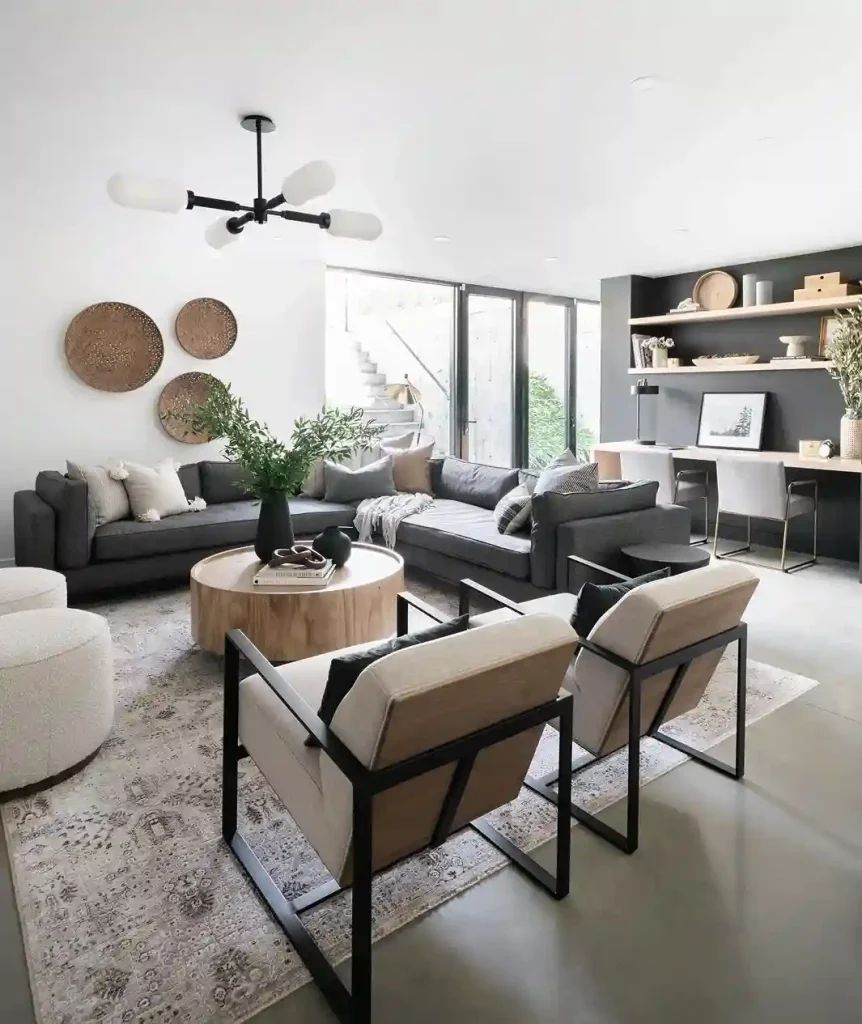
Embrace clean-lined contemporary design through minimal furniture, neutral color palettes, sleek finishes, and uncluttered spaces emphasizing quality over quantity. Choose low-profile sectionals in gray or white, simple coffee tables with hidden storage, and strategic lighting creating sophisticated atmospheres.
Source: @leclairdecor
The restrained aesthetic makes small basements feel larger while delivering modern sophistication that appeals to homeowners preferring simplicity over busy traditional designs. For minimalist inspiration, see our small living room ideas guide.
4. Rustic Cabin Retreat
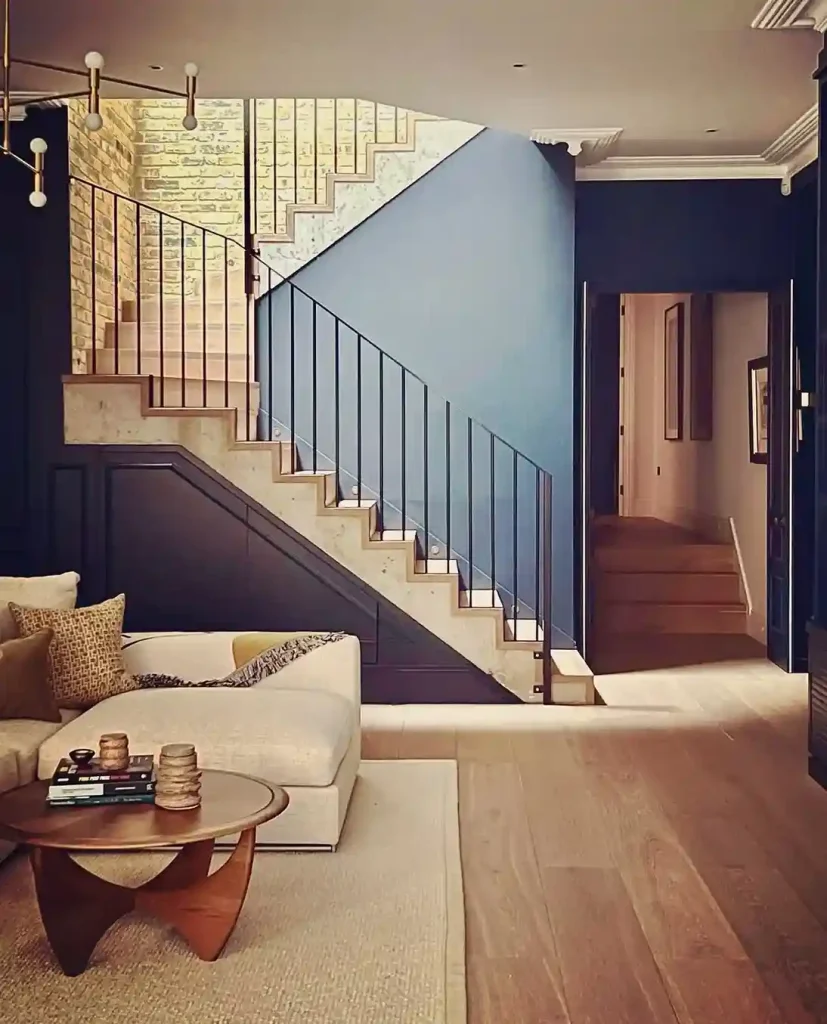
Create warm, inviting spaces through exposed wood beams, stone accent walls, leather furniture, and natural materials suggesting mountain lodges. Include wood-burning or electric fireplaces adding ambiance and warmth, plaid textiles creating cozy comfort, and antler or wildlife decor reinforcing rustic themes.
Source: @hemptonhouse
The cabin aesthetic works beautifully in basements where lower ceilings and limited natural light actually enhance cozy, retreat-like feelings rather than seeming like limitations. Visit our warm rustic living room ideas for rustic design.
5. Industrial Chic Design
Embrace basement’s utilitarian nature through exposed ceilings painted uniform colors, concrete floors stained or polished, metal furnishings, and Edison bulb lighting creating urban loft aesthetics. Leave ductwork and pipes visible as design features, incorporate brick or concrete accent walls, and choose furniture with metal frames and distressed wood surfaces.
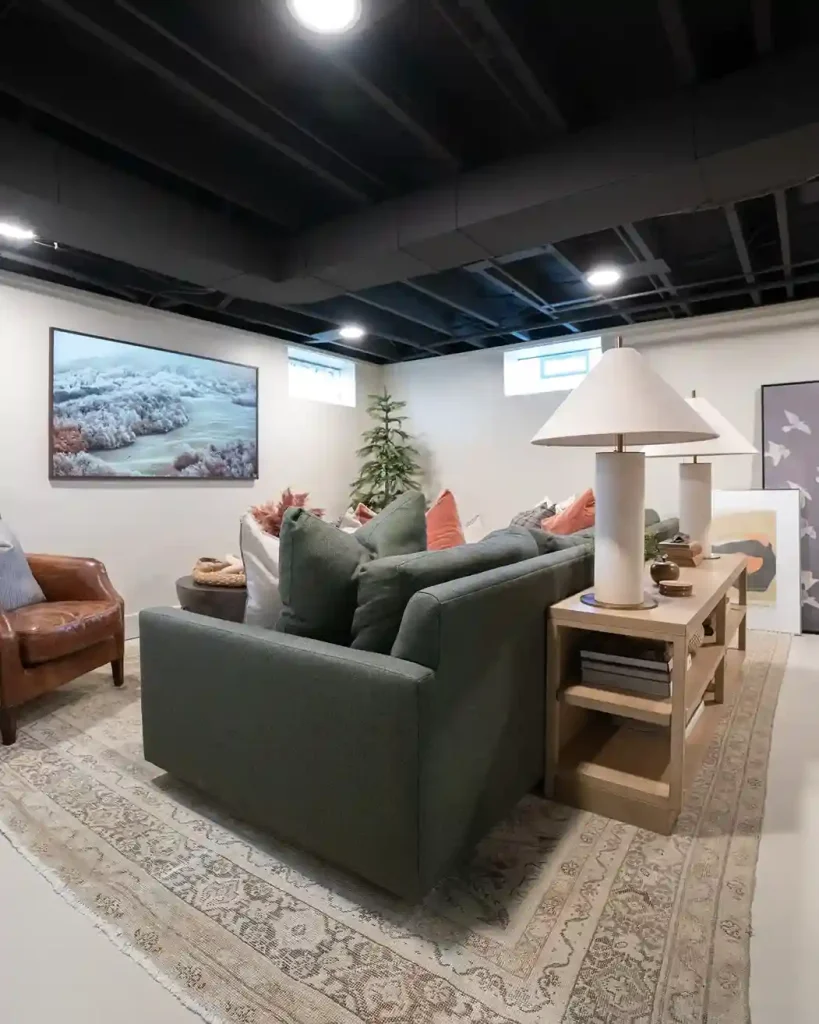
The industrial approach costs less than concealing mechanicals while creating trendy spaces that feel intentionally designed rather than unfinished.
6. Multi-Functional Family Room
Design versatile spaces accommodating various activities through strategic zoning—TV viewing area in one section, game table in another, kids’ play zone in the corner, and reading nook completing the layout. Include ample storage organizing toys, games, and supplies while maintaining clear traffic flow between zones.
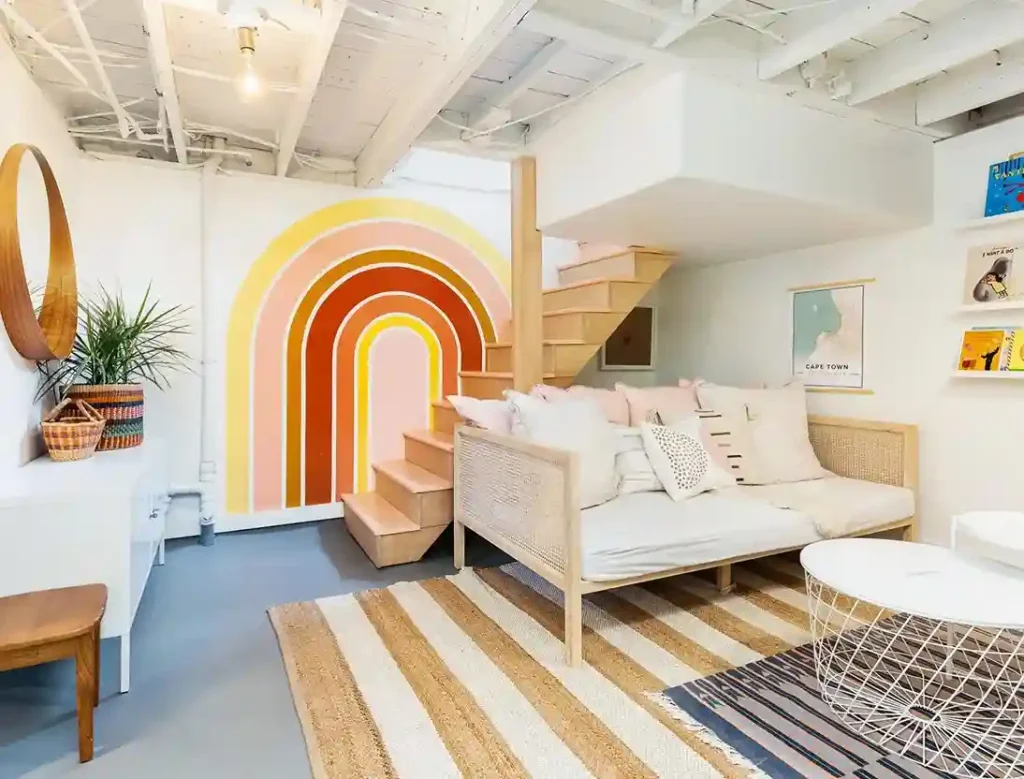
Source: @nicolewear
The flexible design serves entire families rather than single purposes, adapting easily as children grow and interests evolve without requiring major renovations.
7. Bright White and Airy
Combat basement darkness through all-white color schemes including white walls, ceilings, furniture, and trim reflecting maximum light. Add mirrors multiplying available light, incorporate glass coffee tables maintaining visual lightness, and use metallic accents bringing subtle shimmer.
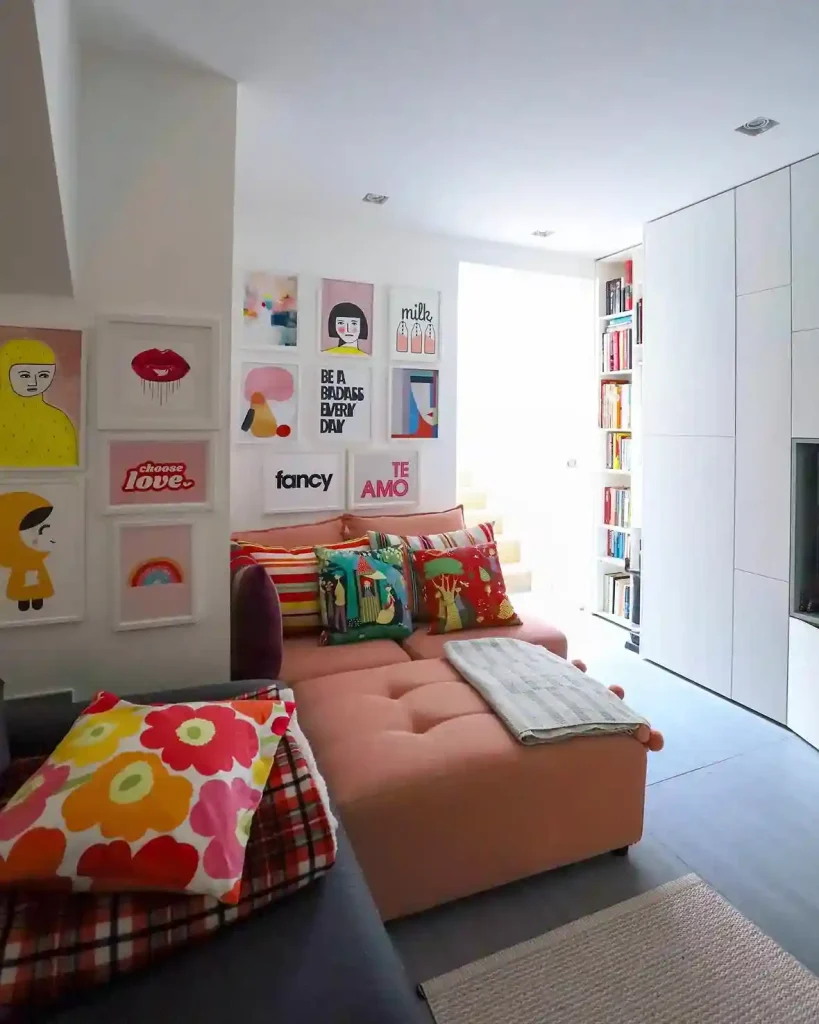
Source: @littlebigbell
The monochromatic approach makes even windowless basements feel surprisingly bright and spacious despite below-grade locations naturally lacking abundant daylight that upstairs rooms enjoy.
8. Bold Accent Wall
Create focal points through single dramatic accent walls behind seating areas using bold paint colors, striking wallpaper, reclaimed wood planks, or stone veneer adding visual interest. This targeted approach provides personality and design impact without overwhelming small spaces with too much color or pattern throughout entire rooms.
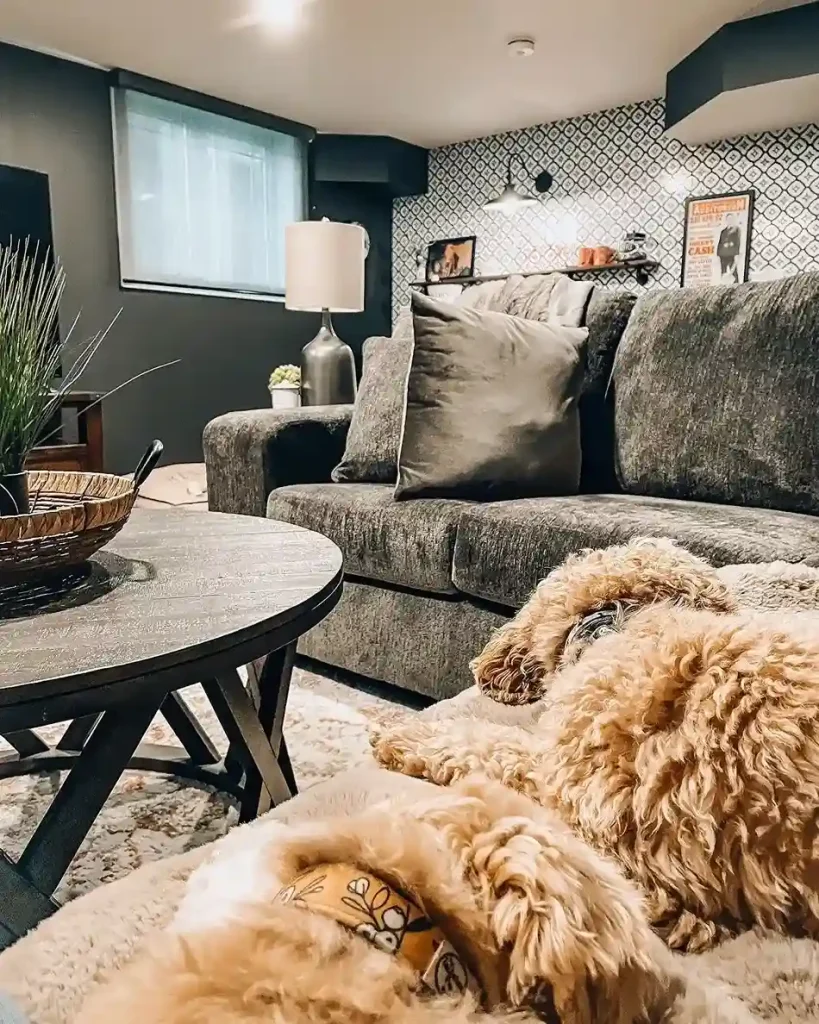
Source: @unclutteredhouse
Choose colors or materials that complement rather than fight existing furnishings for cohesive results. See our living room wall decor for accent wall ideas.
9. Home Library Living Room
Combine comfortable seating with floor-to-ceiling bookshelves creating sophisticated library atmospheres perfect for readers. Include proper reading lights, comfortable chairs or window seats, and perhaps a rolling library ladder adding functional charm.
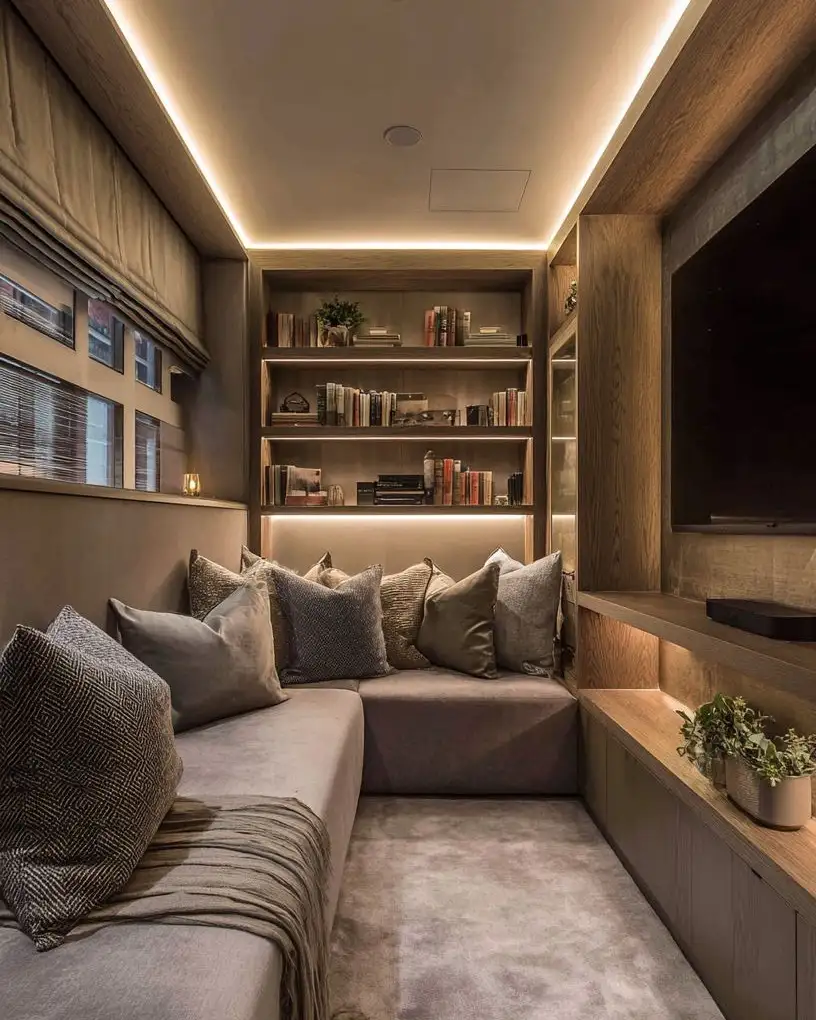
Source: @nuprojects.co
The book-lined walls provide built-in decoration, excellent sound absorption, and conversation-starting focal points that guests inevitably notice and admire during visits. For library design, visit our home library ideas guide.
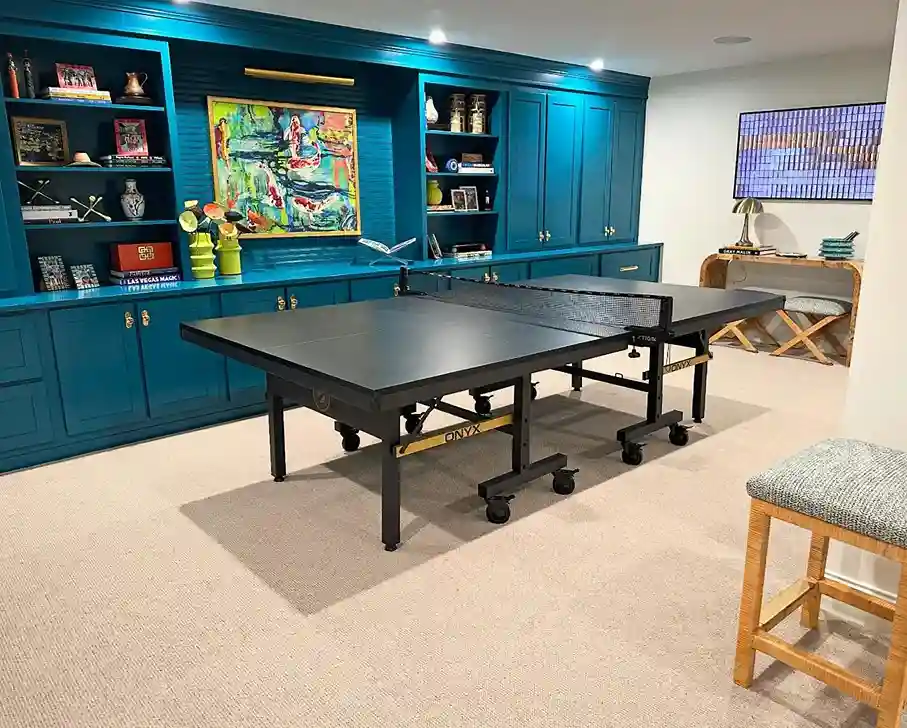
10. Game Room Paradise
Design entertainment-focused spaces featuring pool tables, ping pong tables, arcade games, dartboards, and card tables creating adult playgrounds. Include bar seating, mini-fridges, and comfortable lounge areas for spectators and players taking breaks.
Source: @kateadamsdesign
The dedicated game space keeps equipment and competition contained in basements where enthusiastic play won’t disturb sleeping children or damage valuable furnishings that formal living rooms require protecting.
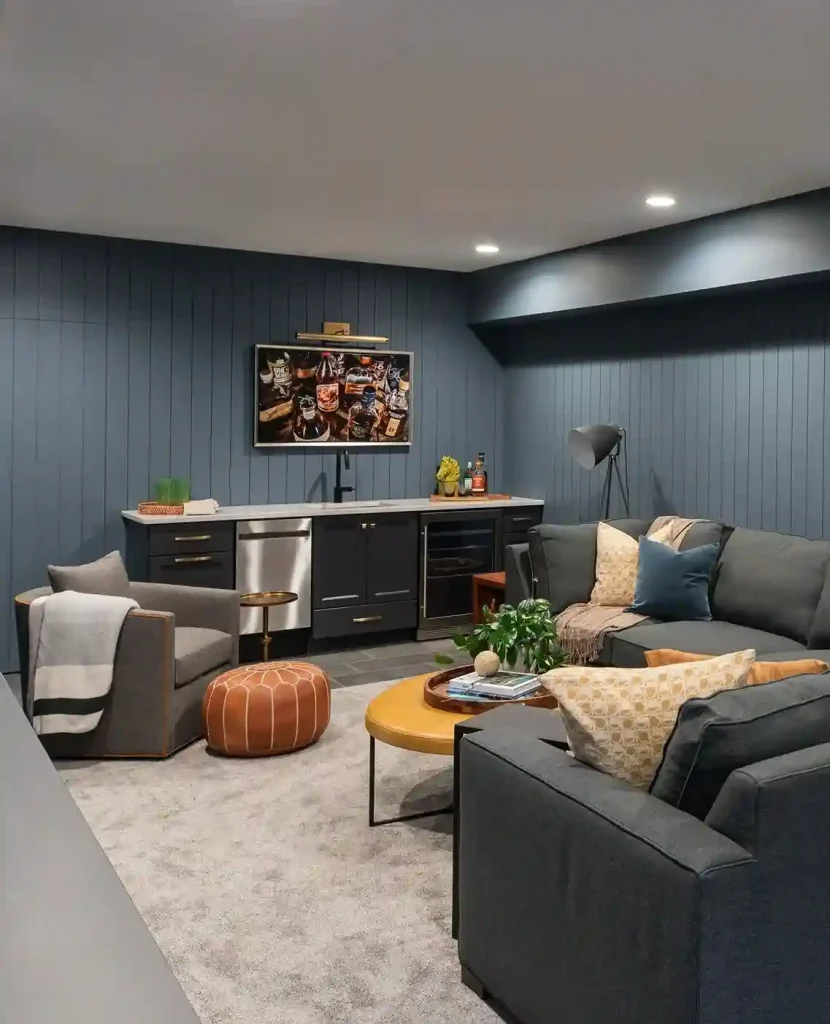
11. Farmhouse Style Comfort
Create casual, welcoming spaces through shiplap accent walls, distressed wood furniture, vintage accessories, and neutral palettes with soft color accents. Include comfortable slipcovered sofas, rustic coffee tables, mason jar lighting, and galvanized metal accents completing farmhouse aesthetics. You can try various round coffee tables in the living room as well.
Source: @twohandsinteriors
The relaxed, lived-in style suits basement living rooms perfectly, where comfort and durability matter more than pristine showroom appearances. Explore our farmhouse living room ideas for farmhouse design.
12. Music and Performance Space
Convert basements into rehearsal studios, music rooms, or performance spaces with proper acoustic treatment, instrument storage, and comfortable seating for audiences.
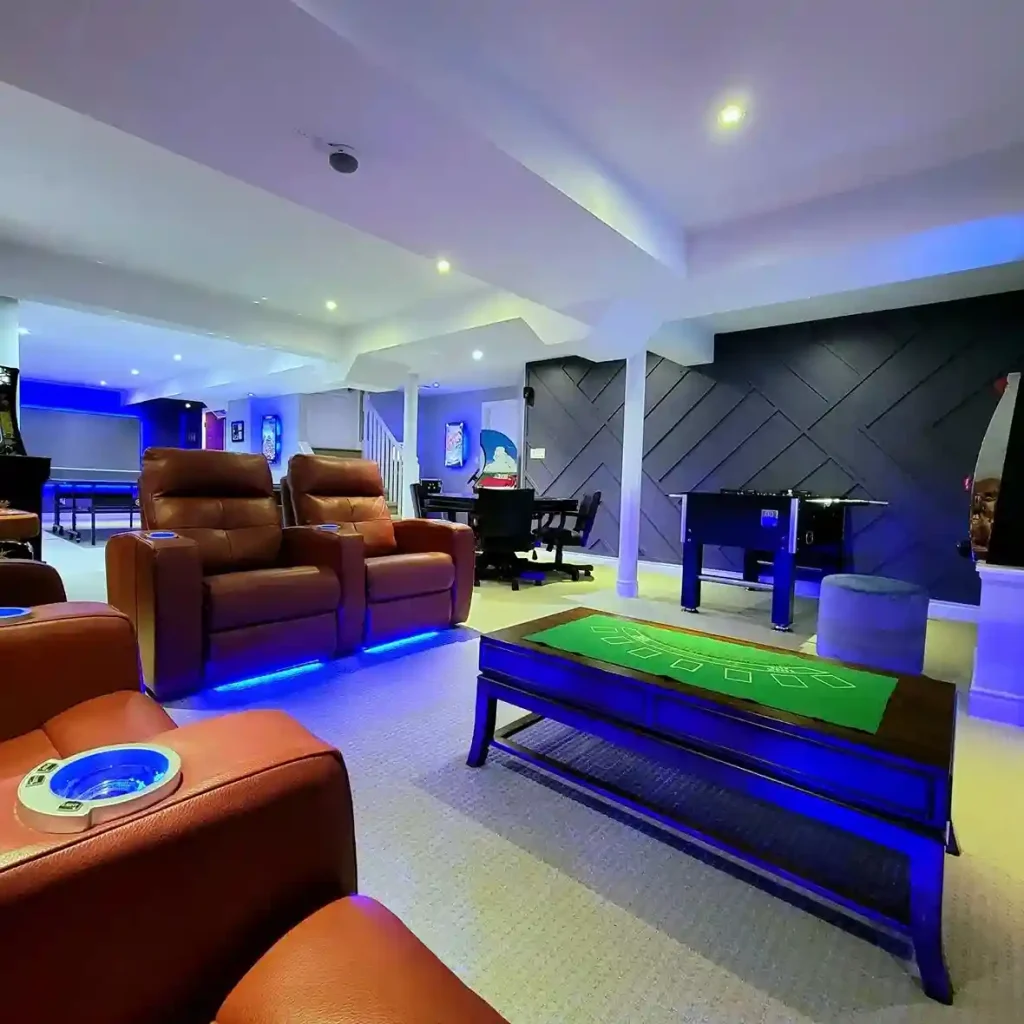
The separated location allows music practice without disturbing household members while basement’s sound-dampening qualities prevent noise complaints from neighbors. Include proper lighting for performances, equipment storage, and perhaps recording capabilities for serious musicians pursuing their craft.
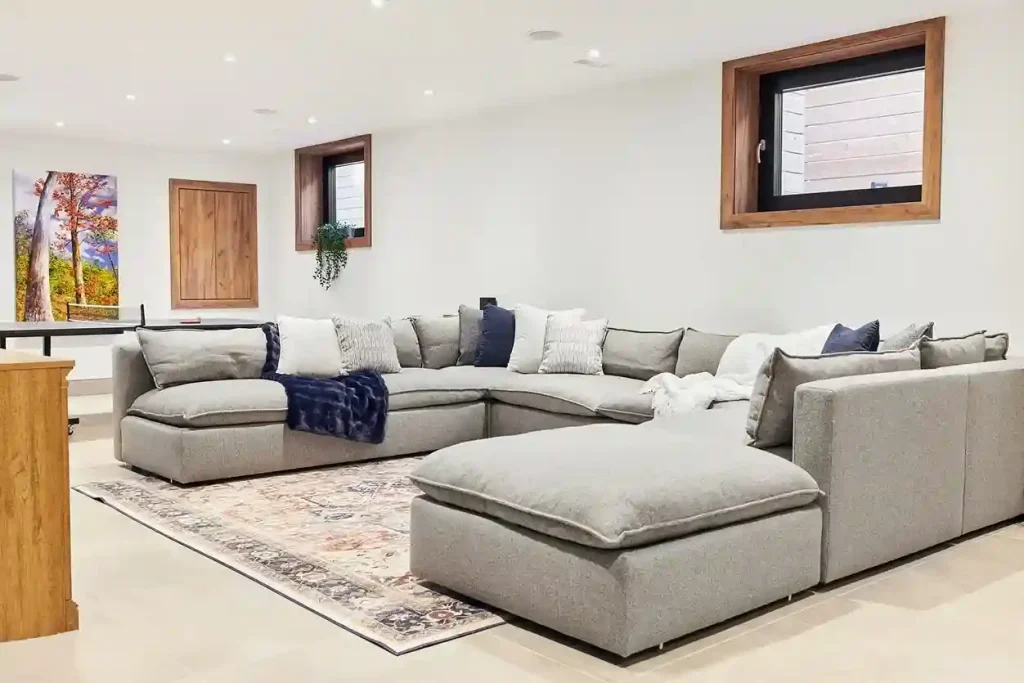
13. Sectional-Focused Layout
Anchor large basement living rooms with substantial sectional sofas providing abundant seating without multiple furniture pieces cluttering spaces. Choose U-shaped or L-shaped configurations fitting room proportions while creating intimate conversation areas despite expansive square footage.
Source: @rayneinterior
The single large piece simplifies furniture arrangement while providing comfortable seating for entire families plus guests during gatherings or entertaining.
14. Built-In Entertainment Center
Create custom built-in cabinetry flanking TVs with storage for electronics, media, books, and decorative displays. The permanent installations look expensive and sophisticated while providing substantial storage that freestanding furniture cannot match.
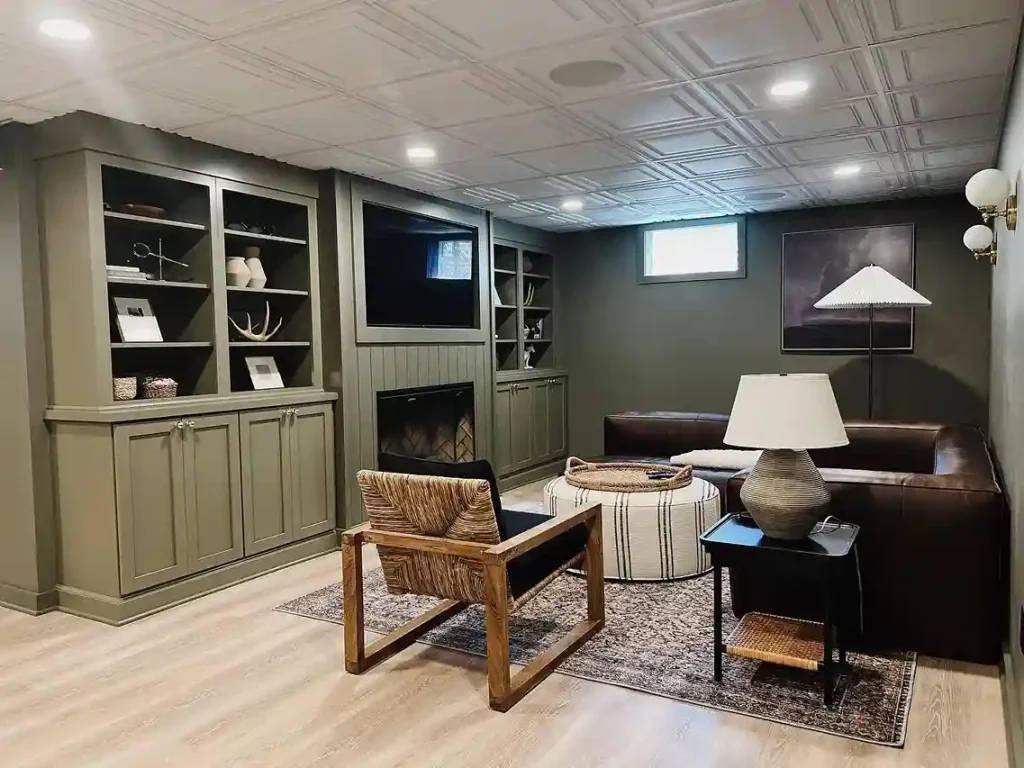
Source: @cove.interiors
Built-ins particularly suit basement living rooms where custom millwork transforms basic spaces into polished environments suggesting quality and attention to detail that increases perceived home value substantially.
15. Conversation Pit
Design sunken seating areas or raised platforms creating defined gathering zones within open basements. These architectural features add visual interest and intimate scale to large spaces while providing cozy conversation areas that encourage face-to-face interaction rather than passive TV watching.
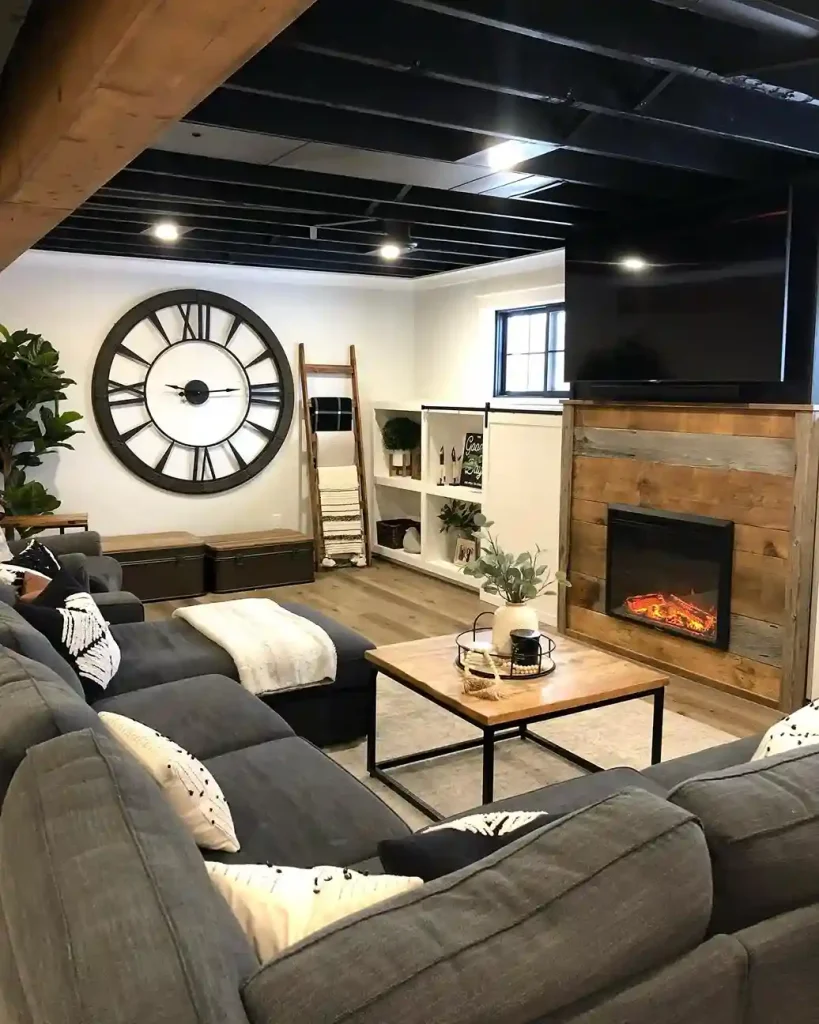
Source: @thelakesidefarmhouseproject
The unique design element becomes memorable focal point that distinguishes your basement from typical recreation rooms in neighboring homes.
16. Kid-Friendly Playroom Living Room
Combine adult seating with kid-friendly play zones through strategic layout and durable, cleanable finishes. Include toy storage, activity tables, and open floor space for play while maintaining comfortable adult seating areas supervising children’s activities.
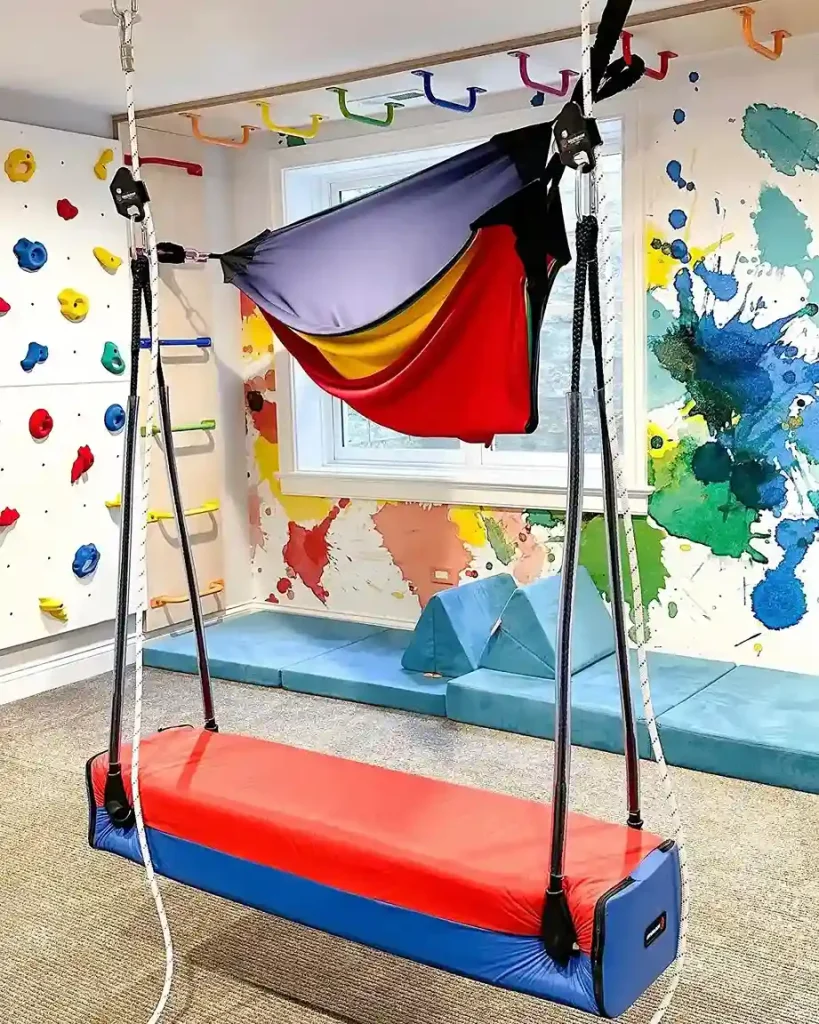
Source: @jensegalldesign
Choose performance fabrics resisting stains, luxury vinyl flooring withstanding spills, and washable paint simplifying maintenance in high-traffic family spaces that serve multiple generations simultaneously.
17. Bohemian Eclectic Space
Create artistic, collected atmospheres through mixed patterns, global textiles, vintage furniture, layered rugs, and abundant plants bringing organic life underground. The relaxed, creative vibe embraces imperfection and personal expression rather than matching sets or coordinated design.
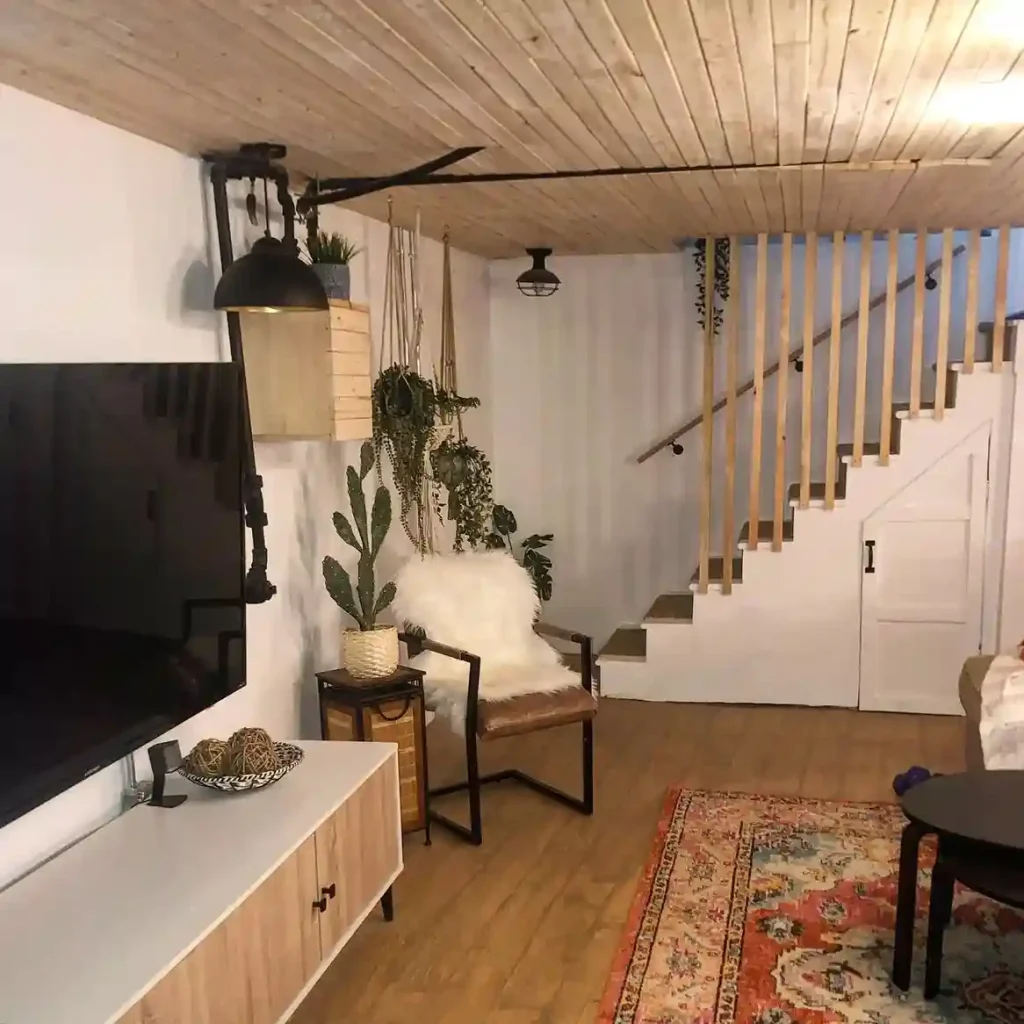
Include floor cushions, poufs, macramé wall hangings, and colorful accessories creating spaces reflecting individual personalities and travel experiences. For boho inspiration, see our boho home decor ideas guide.
18. Formal Traditional Living Room
Design sophisticated spaces through classic furniture, rich wood tones, traditional architectural details like crown molding or wainscoting, and formal color palettes. Include quality upholstered furniture, oriental rugs, table lamps with traditional shades, and artwork in ornate frames creating polished appearances.
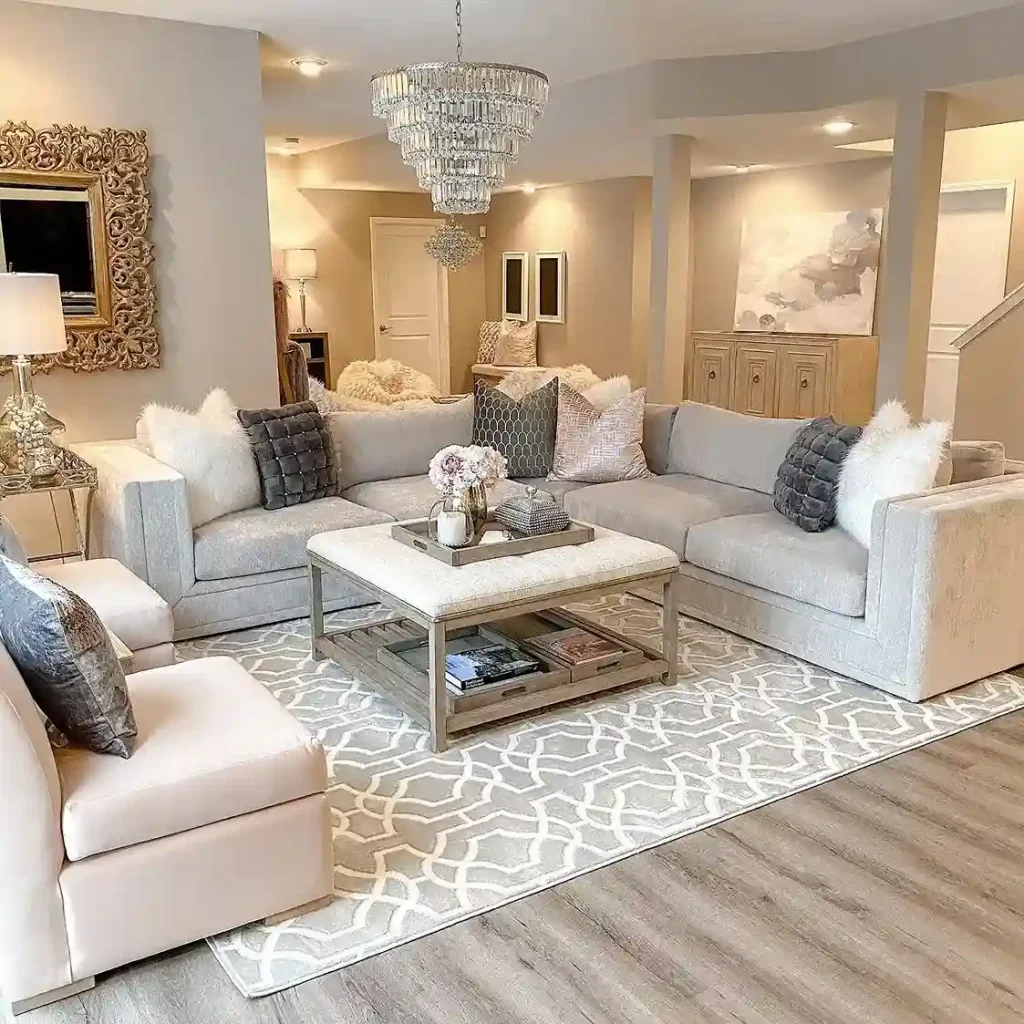
Source: @farahjmerhi
The formal approach suits basement apartments, in-law suites, or homeowners wanting every floor reflecting classic taste and attention to quality design throughout entire properties.
19. Fitness and Wellness Space
Combine comfortable seating with exercise equipment creating multi-functional wellness rooms. Include yoga mats, weights, exercise bikes, and perhaps wall-mounted TVs streaming workout classes alongside comfortable sofas for post-workout relaxation.
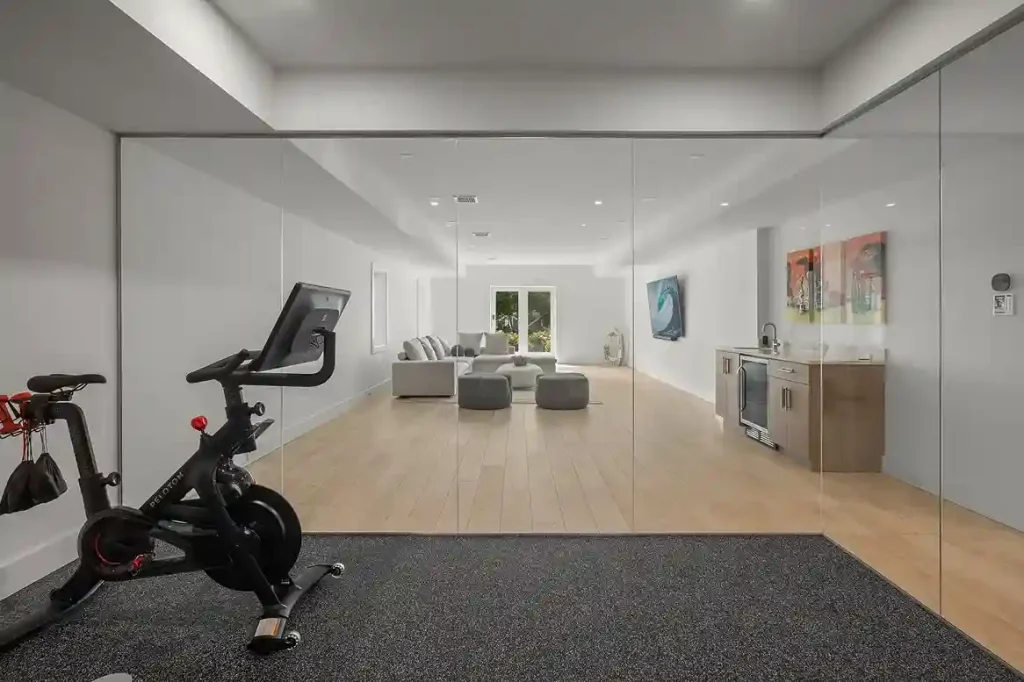
Source: @myboyscontracting
The combination suits small basements where dedicating entire spaces to single purposes seems wasteful, allowing spaces to serve both fitness and relaxation needs throughout daily routines.
20. Teen Hangout Zone
Design age-appropriate spaces for teenagers with gaming setups, comfortable seating, snack areas, and décor reflecting their interests and personalities. The separated basement location provides teens with autonomy and privacy while keeping their activities, friends, and inevitable mess contained away from main living areas.
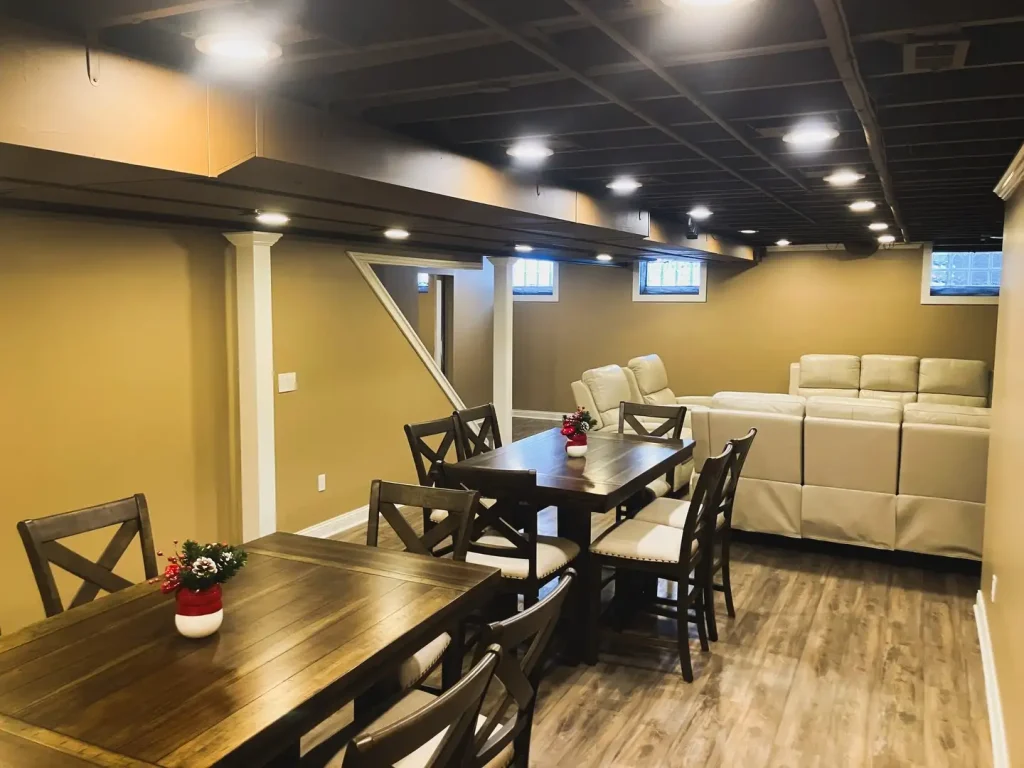
Source: @masterworks_custom
Include adequate outlets for electronics, good WiFi coverage, and durable finishes withstanding teenage use and occasional parties.
21. Rental Unit Living Room
Create complete, self-contained living spaces with kitchenettes, separate entrances, and full amenities attracting quality long-term tenants. Design neutral, durable spaces appealing to broad renter demographics while incorporating quality finishes commanding premium rents.
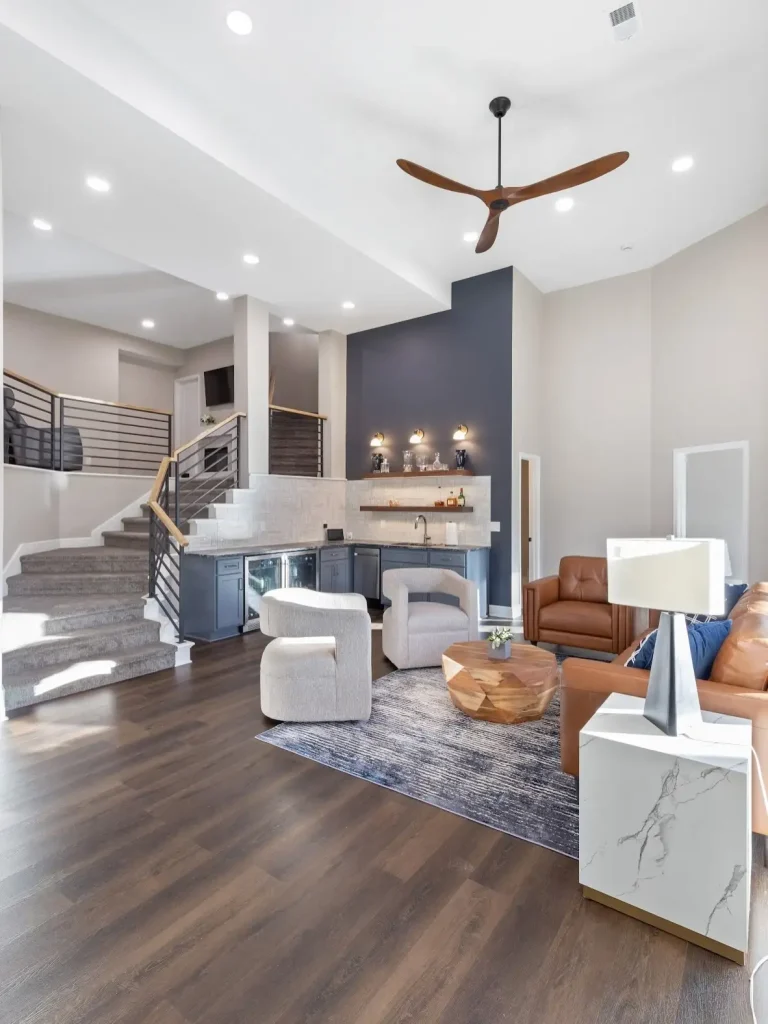
Source: @kcbr_design_remodel
Include proper separation from upstairs living through soundproofing and independent mechanical systems ensuring tenant comfort and landlord peace of mind throughout rental periods.
Essential Basement Living Room Elements
Proper Lighting Strategy
Combat natural darkness through abundant recessed lighting (1 fixture per 25-50 sq ft), task lighting over seating areas, and accent lighting highlighting features. Layer multiple light sources allowing brightness adjustment for various activities from energetic game nights to calm movie watching. Install dimmer controls throughout providing flexibility that single overhead fixtures cannot deliver in spaces requiring versatile illumination supporting different uses. For lighting guidance, visit our guide to ceiling lights.
Moisture and Climate Control
Ensure proper waterproofing, adequate insulation, climate control through extended HVAC or mini-splits, and dehumidification maintaining 30-50% humidity. Comfortable temperatures and dry conditions prove essential for basement living rooms that families will actually use rather than avoid. The unsexy infrastructure investments protect furniture and finishes while creating comfortable environments rivaling upstairs spaces in livability despite below-grade challenges.
Durable, Moisture-Resistant Materials
Choose flooring, furniture, and finishes that withstand higher humidity and potential moisture exposure. Luxury vinyl plank flooring, performance fabrics, and moisture-resistant paints prevent damage while simplifying maintenance. Avoid materials like solid hardwood or delicate fabrics that basement conditions will destroy despite proper moisture control, instead selecting products specifically designed for below-grade applications.
Adequate Storage Solutions
Include built-in cabinets, shelving, storage ottomans, and concealed storage maintaining organization in spaces that easily accumulate clutter. Basement living rooms often serve multiple purposes requiring substantial storage for games, toys, media, and supplies. The organized storage systems keep spaces feeling tidy and intentional rather than cluttered despite serving as household overflow areas for items lacking upstairs homes.
Budget Considerations
Basic Basement Living Room ($15,000-$25,000)
Basic finishes including framed walls, drop ceilings, vinyl flooring, standard lighting, and basic furnishings create functional gathering spaces at minimum investment. A 400-500 sq ft living room provides comfortable seating, entertainment capabilities, and casual atmosphere without luxury materials or custom features that strain limited budgets significantly.
Mid-Range Living Room ($25,000-$40,000)
Mid-range basements include quality flooring like engineered hardwood, upgraded lighting with dimmers, drywall ceilings, built-in features, better furniture, and potentially wet bars or bathrooms. A 600-700 sq ft space delivers comfortable, polished environments where families genuinely enjoy spending time rather than tolerating as unfortunate necessities requiring use.
High-End Living Room ($40,000-$75,000+)
Luxury basement living rooms feature premium materials, custom built-ins, designer lighting, high-end furniture, full bars with quality appliances, bathrooms, and show-quality finishes throughout. An 800+ sq ft space rivals main-level rooms in quality while providing entertainment capabilities and comfort justifying substantial investments through daily enjoyment and increased property values.
Frequently Asked Questions
How much does it cost to create a basement living room?
Basement living rooms typically cost $15,000-$40,000 for 400-700 sq ft spaces depending on finishes, included amenities, and existing conditions. Basic functional spaces run $15,000-$25,000, mid-range living rooms cost $25,000-$40,000, and luxury designs exceed $40,000-$75,000. Costs include framing, drywall, ceilings, flooring, lighting, HVAC extensions, and finishing work necessary for comfortable, attractive gathering spaces families will actually use regularly.
What is the best flooring for basement living rooms?
Luxury vinyl plank (LVP) represents the most popular basement flooring, offering waterproof performance, realistic wood appearances, and comfort underfoot at $3-$7 per square foot installed. Engineered hardwood provides authentic wood beauty with better moisture resistance than solid hardwood at $5-$12 per square foot. Carpet creates warm, comfortable spaces at $3-$8 per square foot but requires perfect moisture control preventing mold growth within padding.
How do you make a basement living room feel less like a basement?
Maximize natural light through window wells and enlarged windows, use light color palettes reflecting available light, install abundant layered lighting, add mirrors multiplying illumination, choose comfortable furniture scaled appropriately, and incorporate normal living room amenities rather than treating spaces as afterthoughts. Proper climate control, quality finishes, and thoughtful design make basements feel like intentional living spaces rather than unfortunate necessities.
Do basement living rooms add home value?
Yes, finished basement living rooms typically add $25,000-$50,000 in home value while costing $15,000-$40,000, delivering strong ROI. The additional living space makes homes more competitive while appealing to buyers seeking maximum square footage. Actual value depends on finish quality, local markets, and overall basement amenities. Well-executed basement living rooms pay for themselves through increased property values while providing immediate lifestyle improvements.
Conclusion: Transform Your Underground Space
Basement living rooms unlock valuable square footage hiding beneath your feet, creating comfortable gathering spaces that serve families beautifully while increasing home values substantially.
The 21 ideas presented demonstrate that basement living rooms suit any style preference, budget level, or functional need from casual family rooms to sophisticated entertainment spaces, game rooms to home theaters. Whether you’re working with compact 300 sq ft areas or expansive 1,200 sq ft spaces, thoughtful design creates inviting environments that become your home’s most-used and beloved areas.
Start your basement living room transformation by assessing current conditions, establishing realistic budgets, defining intended uses, and planning layouts that maximize comfort and functionality within available space. The investment delivers immediate quality-of-life improvements through expanded living space while building equity that benefits homeowners during eventual sales.
Your basement living room awaits—transform neglected underground space into the welcoming gathering area your family deserves through strategic design, quality finishes, and attention to details that make basements feel like natural extensions of upstairs living rather than forgotten afterthoughts.
Ready to complete your basement transformation? Explore our guides including living room and dining room combo ideas, home decor ideas for the living room, small apartment ideas, multipurpose rooms ideas, and home interior design ideas for complete design inspiration. Transform your basement into the inviting living room where your family creates lasting memories, entertains friends, and enjoys comfortable spaces that maximize your home’s full potential.