Your home’s front landscape creates the crucial first impression for visitors and passersby. Strategic landscaping transforms ordinary exteriors into stunning showcases that elevate property value significantly.
Discover how thoughtful plant placement, hardscaping elements, and architectural details revolutionize curb appeal. From foundation plantings to welcoming walkways, these ideas blend beauty with practicality effortlessly.
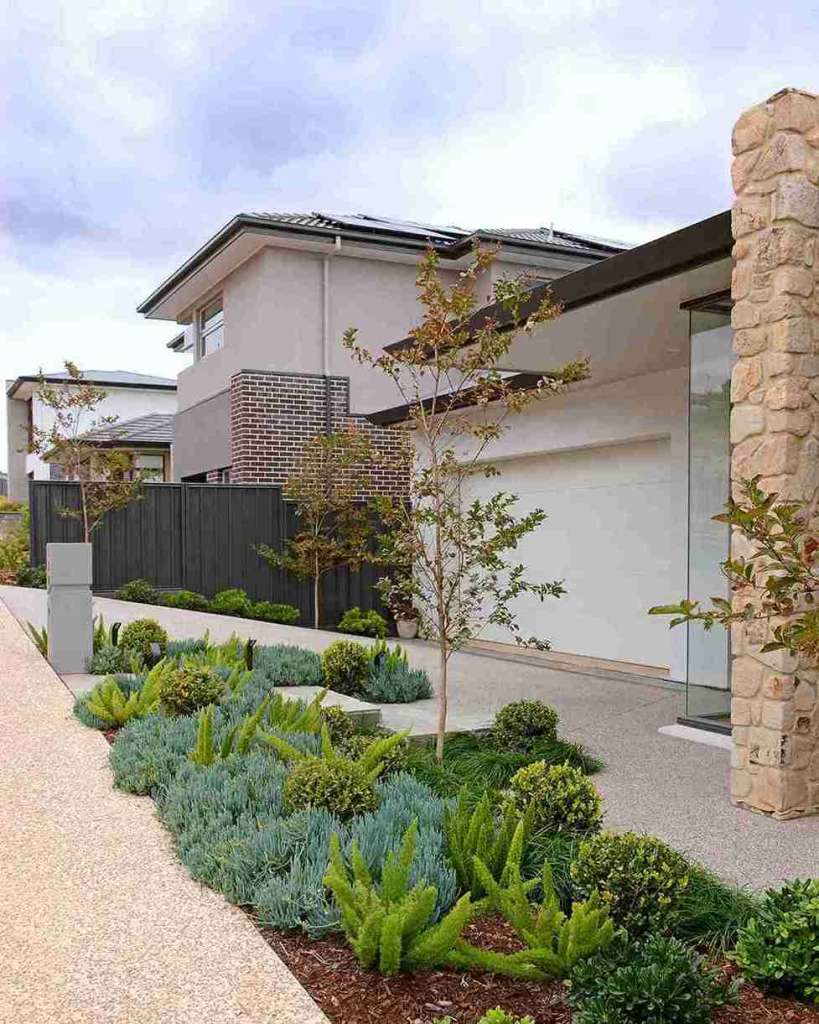
source: @leegray_landscapedesign
Whether updating a modern home exterior or enhancing traditional architecture, front of house landscaping offers endless possibilities. Create inviting outdoor spaces that reflect personal style while boosting home value.
1. Foundation Plantings for Year-Round Interest
Foundation plantings soften architectural lines while adding color and texture. Choose evergreen shrubs combined with seasonal bloomers for continuous visual appeal.
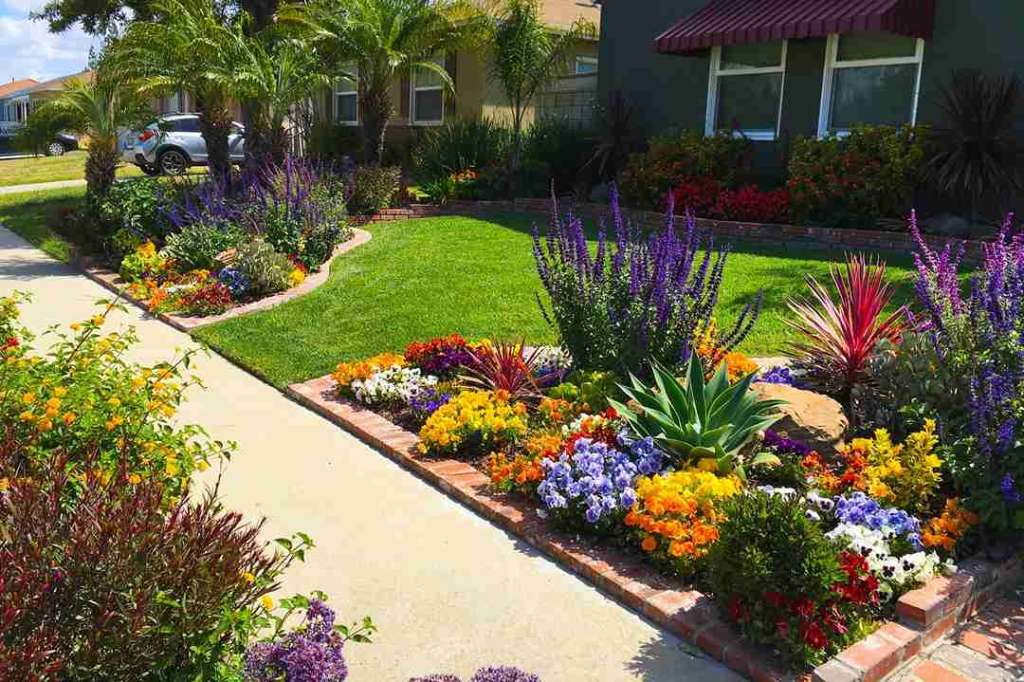
source: @backward_garden
Layer plants by height with taller specimens near corners descending gradually. This creates depth and prevents your home from appearing to sit on ground.
- Use dwarf varieties near windows to prevent blocking natural light and maintain clear sightlines from inside
- Select native plants for lower maintenance, better drought tolerance, and natural integration with local environment
2. Symmetrical Entrance Design
Symmetrical plantings create formal elegance that suits traditional and colonial architecture. Matching containers, topiaries, or shrubs flanking the front door establish balance.
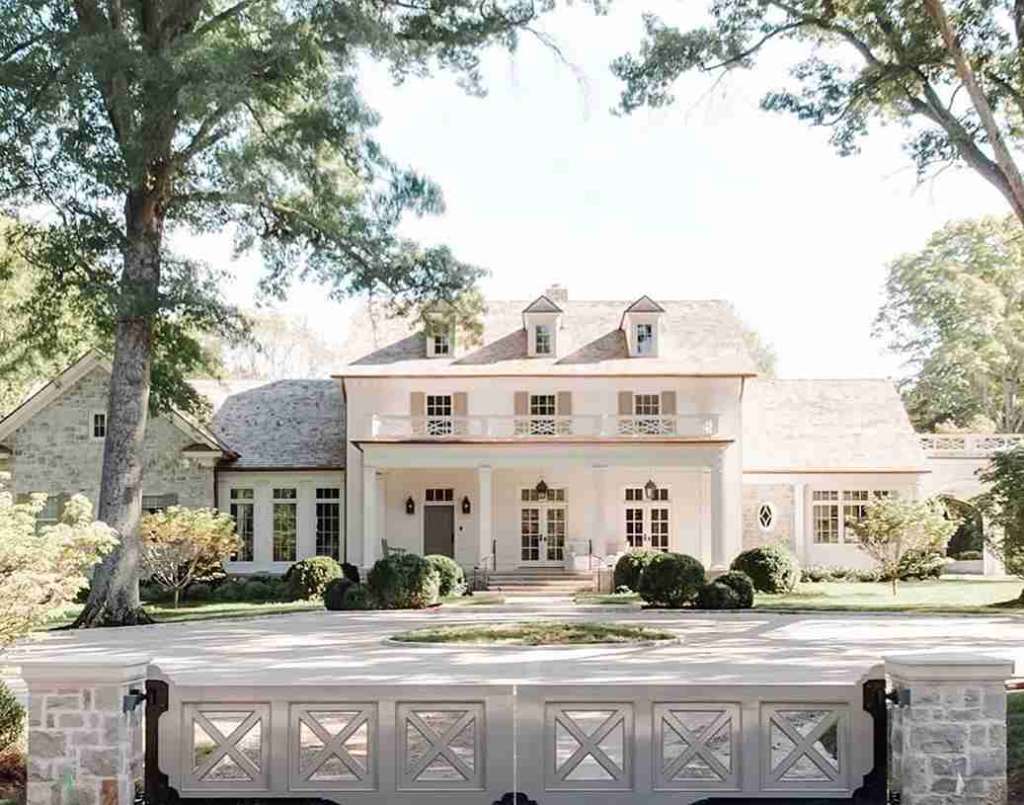
source: @garden_and_grace
This classic approach provides timeless curb appeal that never goes out of style. Symmetry conveys order, stability, and intentional home design to visitors.
- Mirror plant selections on both sides of the entrance for perfect symmetry and cohesive visual harmony
- Maintain consistent pruning to keep paired elements identical in size, shape, and overall appearance
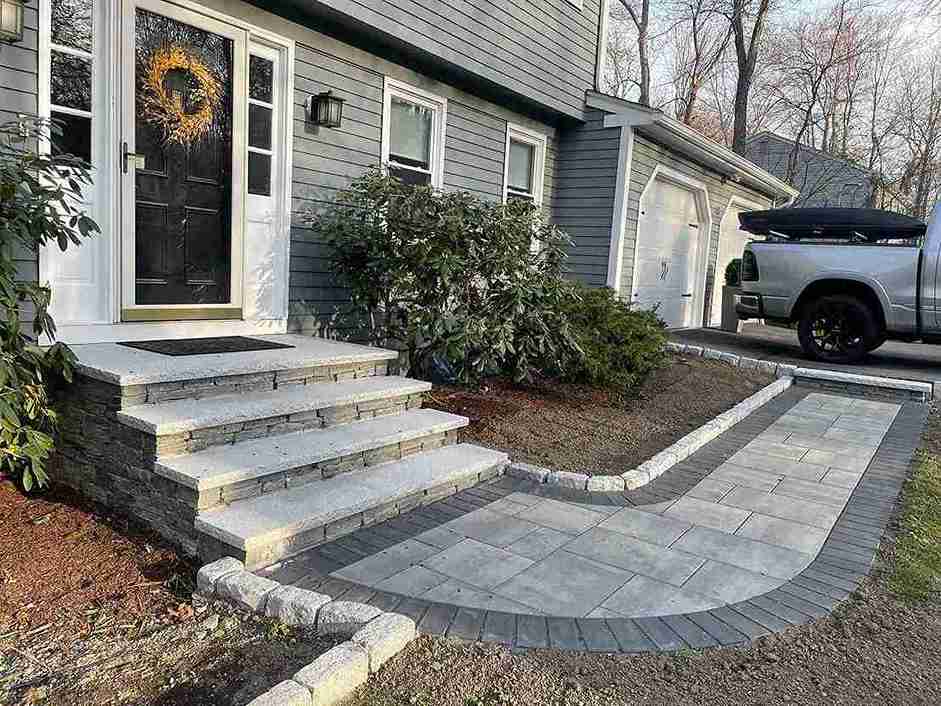
3. Curved Walkway with Border Plantings
Curved pathways create visual interest and soften geometric house lines naturally. Border them with low-growing perennials or ornamental grasses for definition.
Gentle curves guide visitors toward the entrance while showcasing landscape beauty. This approach feels more inviting than straight, rigid pathways to doors.
source: @desireconstruction
- Use edging materials like brick, stone, or metal to maintain clean borders and prevent grass encroachment
- Plant fragrant varieties along walkways so visitors enjoy pleasant scents while approaching your entrance
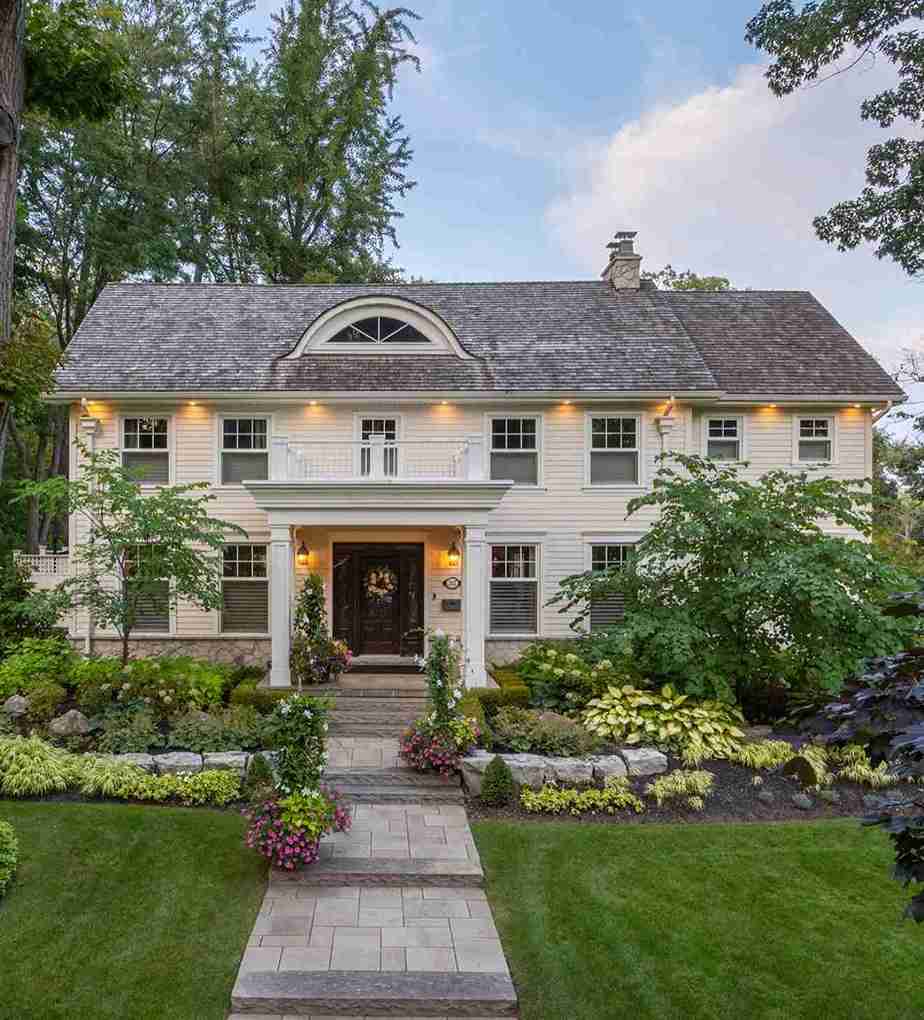
4. Colorful Container Gardens
Large planters flanking the entrance provide instant color and seasonal flexibility. Swap out plantings throughout the year to maintain fresh, vibrant displays.
Containers allow experimentation with bold colors and textures without permanent commitment. They’re perfect for renters or those testing new plant combinations.
source: @mylavenderroselife
- Choose oversized pots (at least 16-20 inches) for visual impact and better moisture retention
- Layer thriller, filler, spiller plants for professional-looking arrangements with height, fullness, and cascading elements
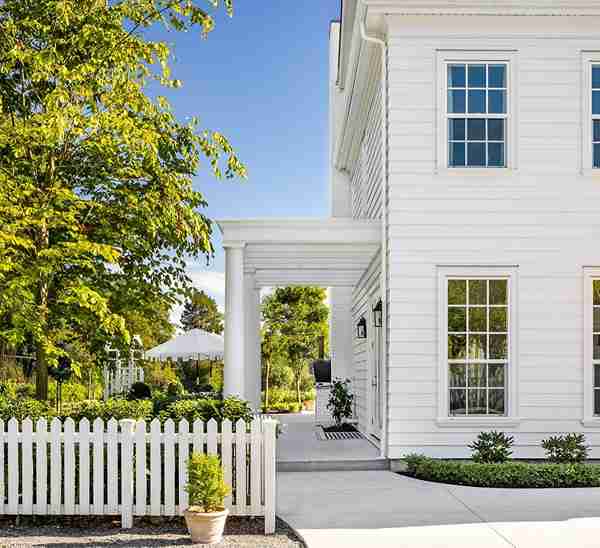
5. Front Porch Ceiling Treatment
A painted or stained porch ceiling adds architectural interest visible from the street. Traditional haint blue creates Southern charm while neutrals suit modern aesthetics.
Ceiling treatments transform basic covered entries into design statements. This overhead element completes the porch’s visual appeal beautifully.
source: @sucasadesign
- Install recessed lighting in ceilings for both functional illumination and enhanced evening curb appeal
- Use beadboard or tongue-and-groove for texture that adds cottage charm and hides ceiling imperfections
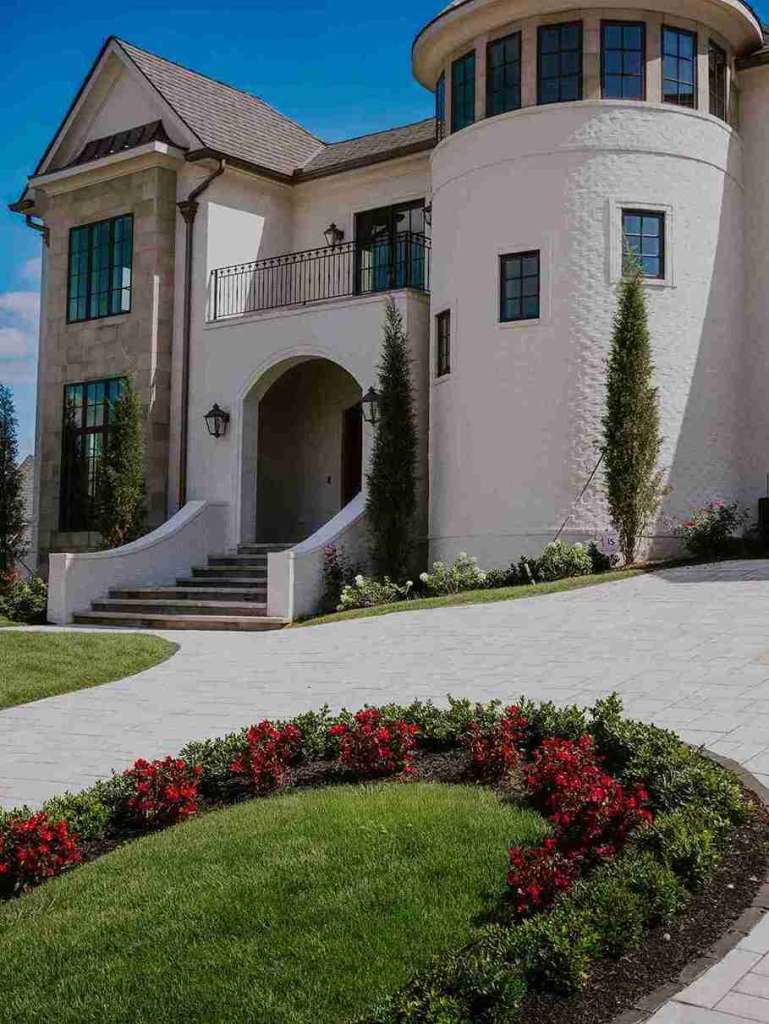
6. Low-Maintenance Perennial Beds
Perennial gardens return year after year with minimal replanting effort required. Choose drought-tolerant varieties for sustainable, eco-friendly landscaping that thrives.
Mix bloom times to ensure continuous color from spring through fall. This approach reduces annual plant costs while building established, mature gardens.
source: @cardonadesigns
- Group plants by water needs to create efficient irrigation zones and prevent overwatering susceptible varieties
- Mulch beds generously (2-3 inches) to suppress weeds, retain moisture, and create finished appearance
7. Ornamental Tree as Focal Point
A strategically placed ornamental tree draws the eye and anchors landscape design. Choose varieties with multi-season interest like flowering, fall color, or interesting bark.
Trees provide vertical interest and scale appropriate for residential landscapes. They mature over time, increasing property value and environmental benefits significantly.
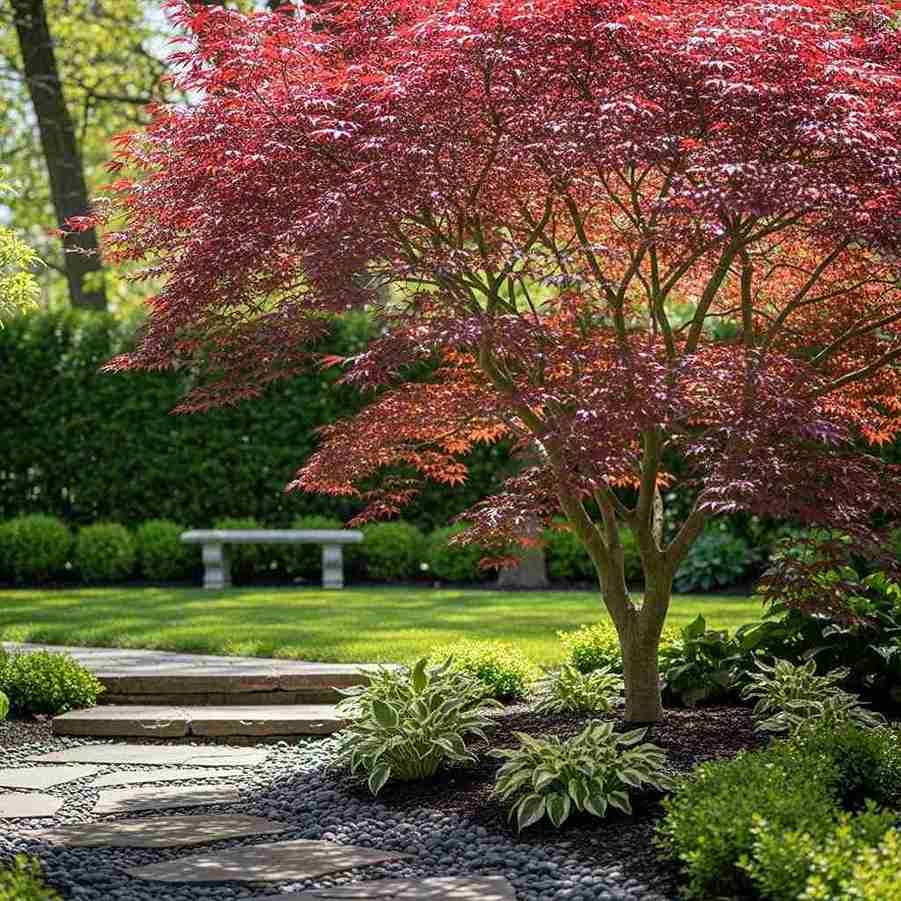
- Plant 10-15 feet from house to allow mature growth without foundation or roof damage
- Select appropriate mature size for your space to avoid constant pruning or removal later
8. Layered Landscape Beds
Create depth by layering plants from tall background specimens to low foreground. This three-dimensional approach maximizes visual impact and prevents flat, boring landscapes.
Layering showcases each plant’s best features while creating lush, professional-looking gardens. Varying heights guides the eye through the entire landscape composition.
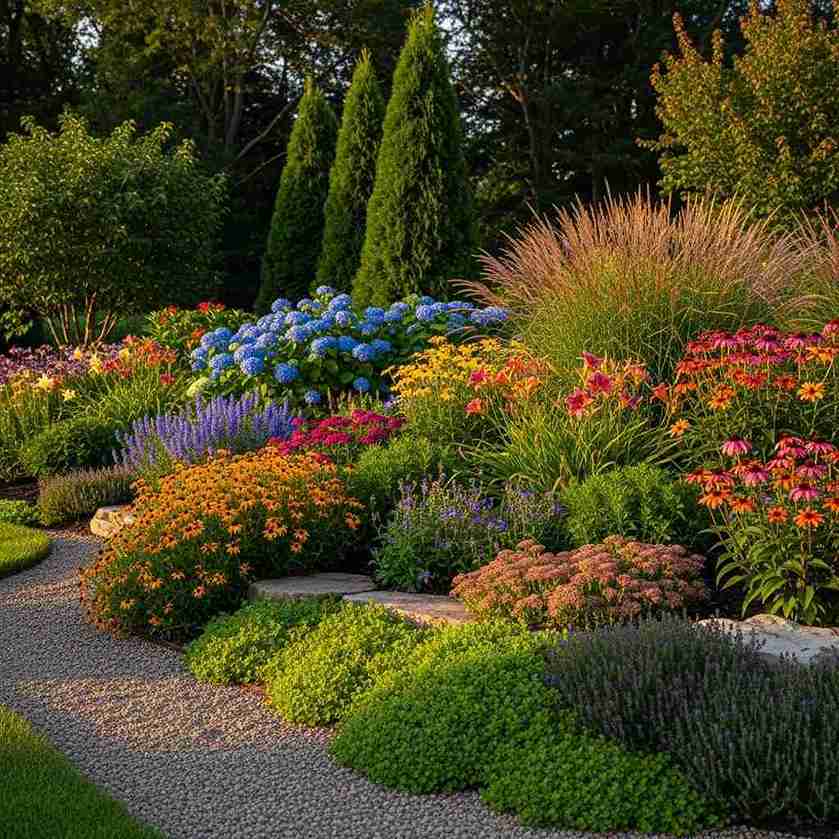
- Place tallest plants at the back or corners, medium in middle, shortest in front
- Use odd numbers (groups of 3, 5, 7) for natural, less formal appearance
9. Seasonal Color Rotation Strategy
Plan for color throughout seasons with spring bulbs, summer annuals, and fall mums. Rotating seasonal plantings keeps the landscape feeling fresh and well-maintained always.
This strategy prevents the “dormant season” look that makes homes appear neglected. Continuous color demonstrates pride of ownership and enhances neighborhood appeal.
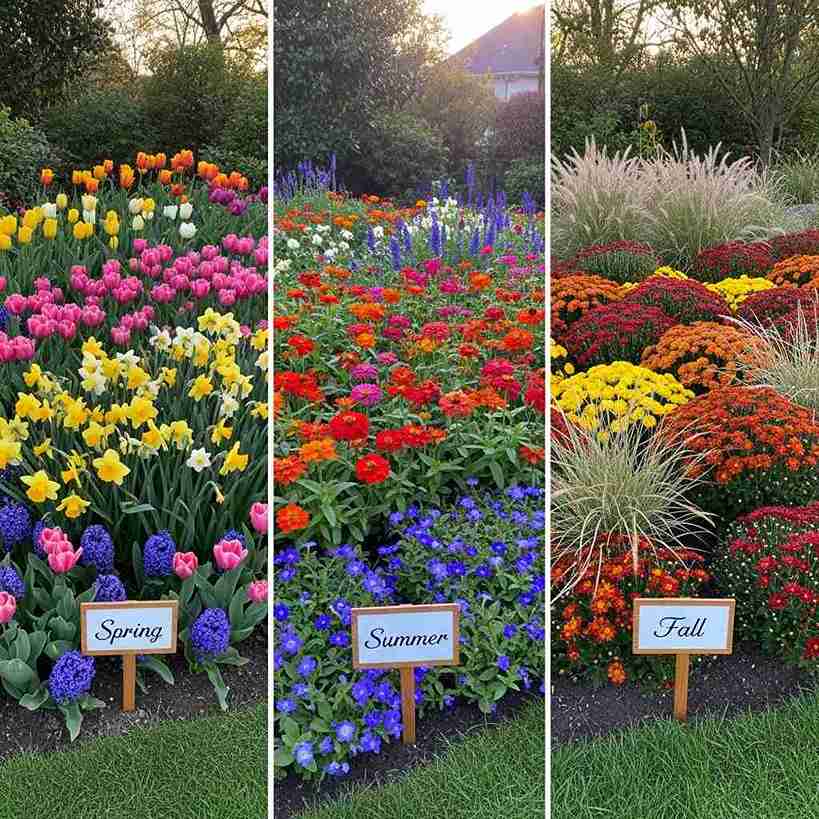
- Plant spring bulbs in fall for early season color that emerges before anything else
- Deadhead spent blooms regularly to encourage continued flowering and maintain tidy appearance
10. Native Plant Landscaping
Native plants thrive in local conditions with minimal water and maintenance. They support local pollinators and wildlife while reducing chemical fertilizer needs.
Natives establish faster and resist regional pests better than exotic varieties. This sustainable approach reduces long-term maintenance costs and environmental impact significantly.
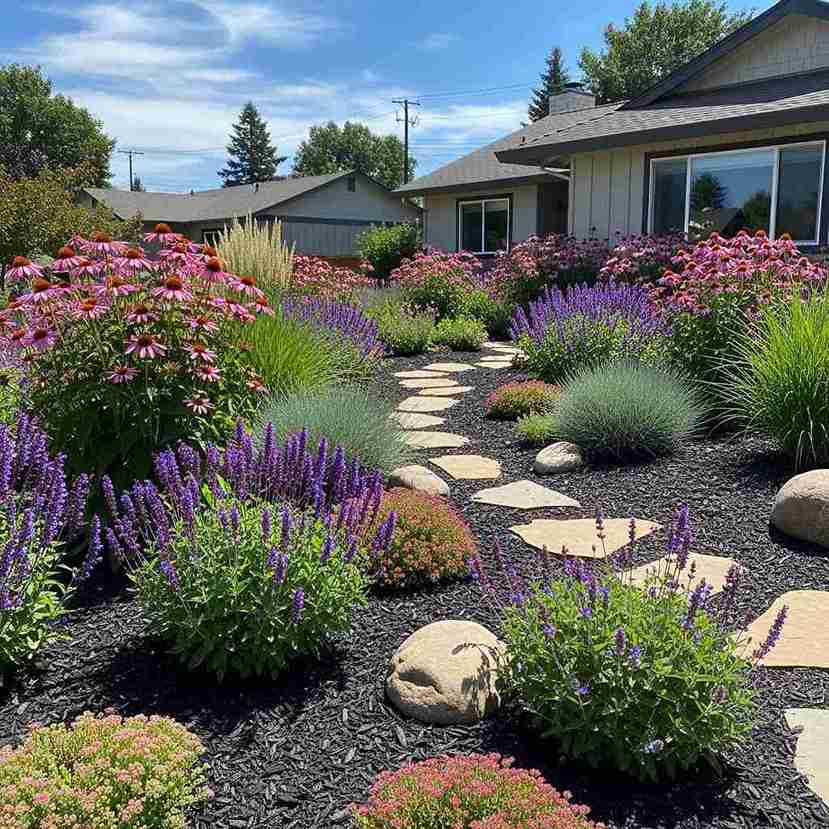
- Research your region’s native plants through local extension offices or native plant societies
- Create habitat corridors that connect with neighbors’ native plantings for greater ecosystem benefits
11. Decorative Lighting Installation
Landscape lighting extends curb appeal into evening hours when many people drive home. Uplighting trees, path lights, and door illumination create welcoming, safe entries.
Strategic lighting highlights architectural features and specimen plants beautifully. It also enhances security by eliminating dark hiding spots around entrances.
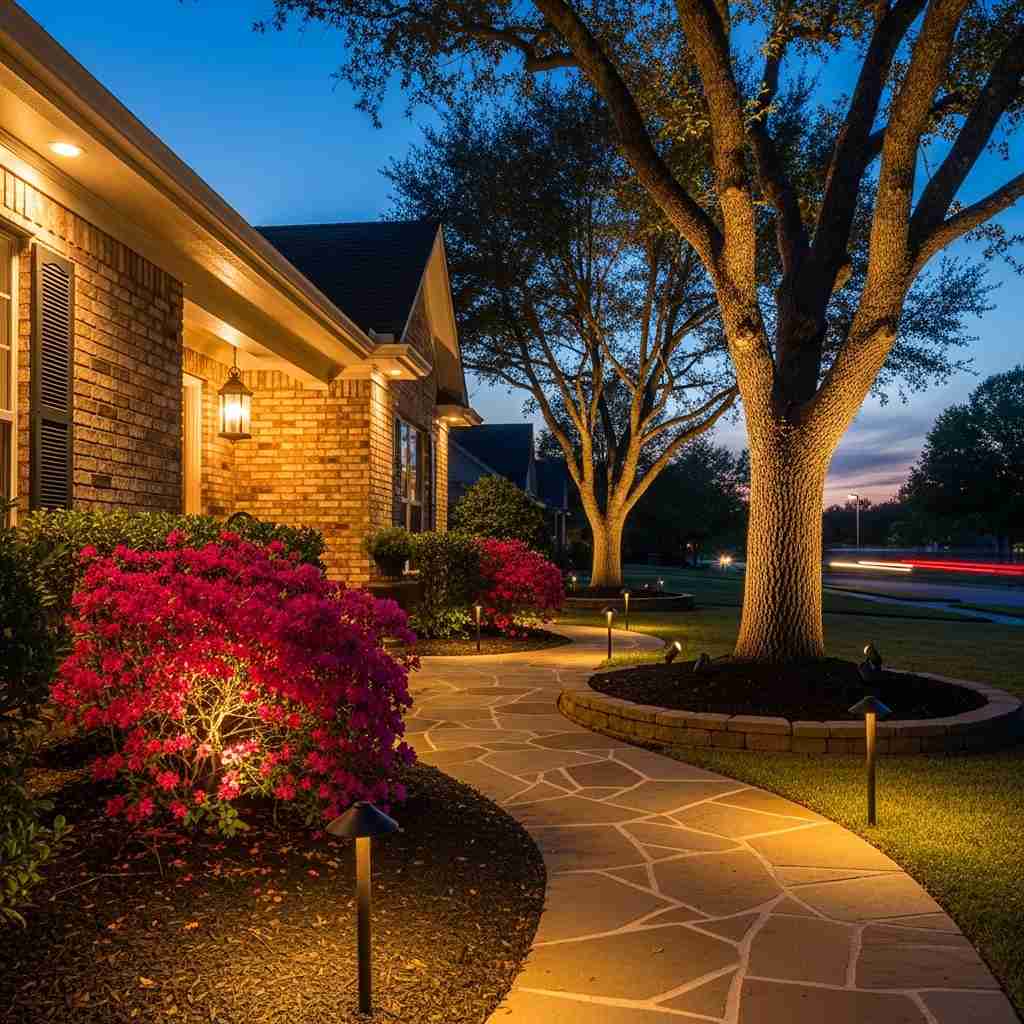
- Use warm white LEDs (2700-3000K) for inviting glow that complements most architectural styles
- Light pathways safely with low-voltage fixtures spaced 6-8 feet apart for adequate illumination
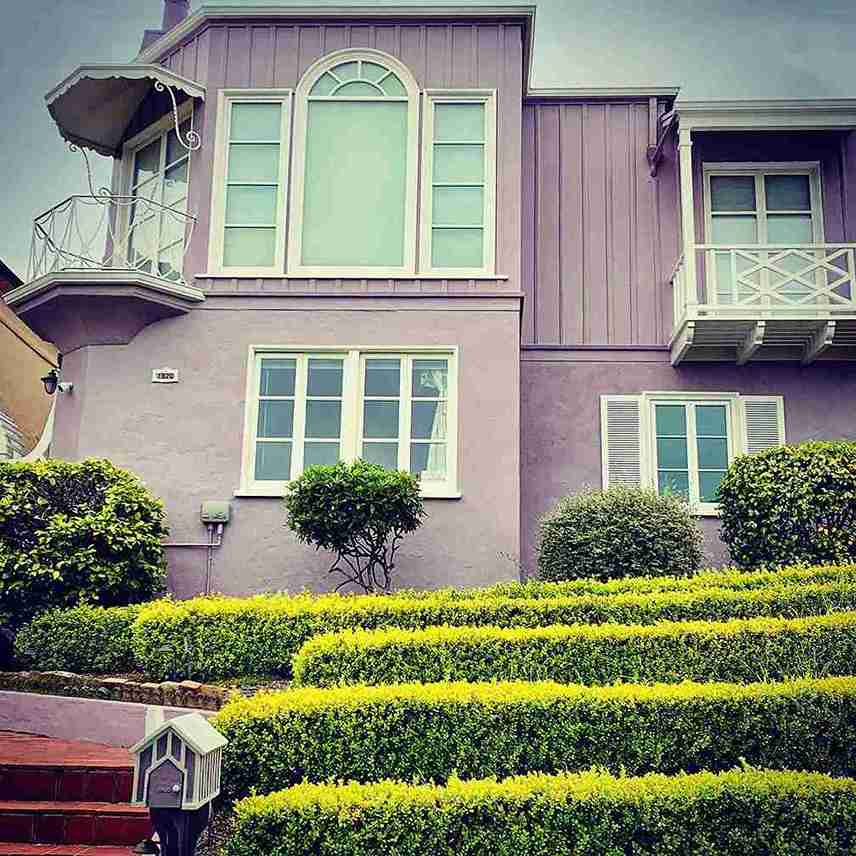
12. Decorative Mailbox Landscaping
Transform the mailbox area into a mini garden with perennials and decorative elements. This street-facing focal point welcomes visitors before they reach your driveway.
Mailbox gardens demonstrate attention to detail extending beyond the immediate house. They create visual interest in often-neglected areas of front yards.
source: @lizland_studio
- Choose low-growing plants that won’t obscure mailbox access or postal carrier visibility
- Use weather-resistant materials for mailbox posts and surrounds that withstand constant outdoor exposure
13. Front Yard Privacy Screening
Strategic plantings provide privacy without creating fortress-like barriers that seem unwelcoming. Use layered shrubs, ornamental grasses, or mixed hedges for natural screening.
Privacy landscaping reduces noise and creates intimate outdoor spaces. It defines property boundaries while maintaining neighborly openness and curb appeal.
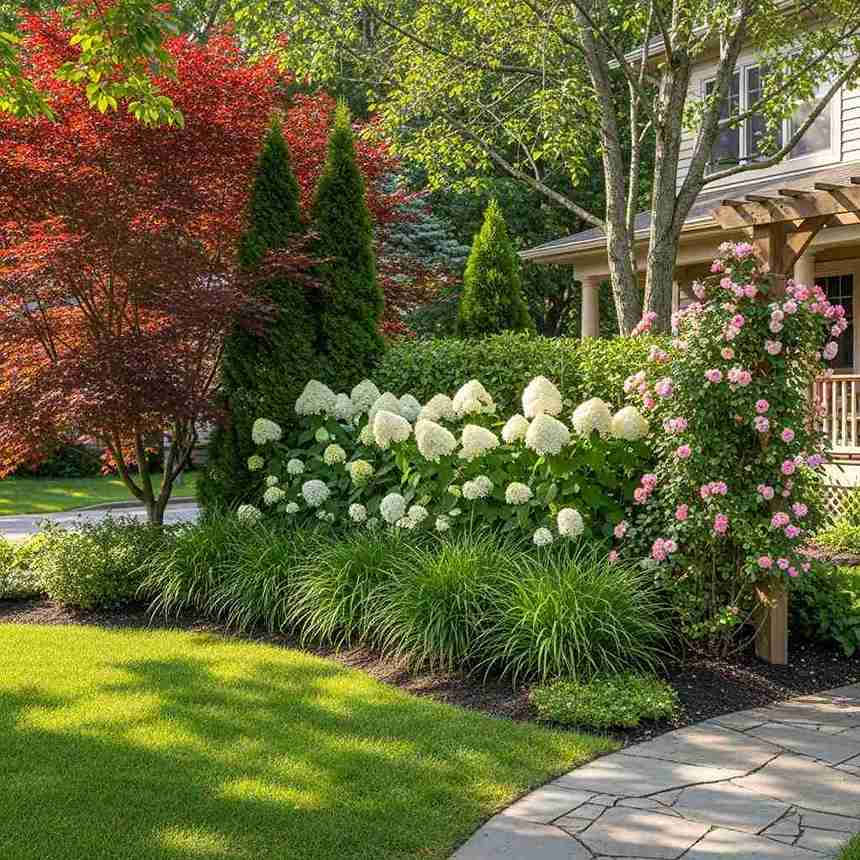
- Plant staggered rows of mixed species for natural-looking screens that resist disease spread
- Consider mature height to ensure privacy level matches needs without blocking house views
14. Water-Wise Xeriscaping Design
Xeriscape landscaping reduces water consumption through drought-tolerant plants and efficient design. Gravel mulches, succulents, and native grasses create stunning, sustainable landscapes.
This approach suits arid climates perfectly while reducing utility costs. Modern xeriscaping proves low-water doesn’t mean sacrificing beauty or sophistication.
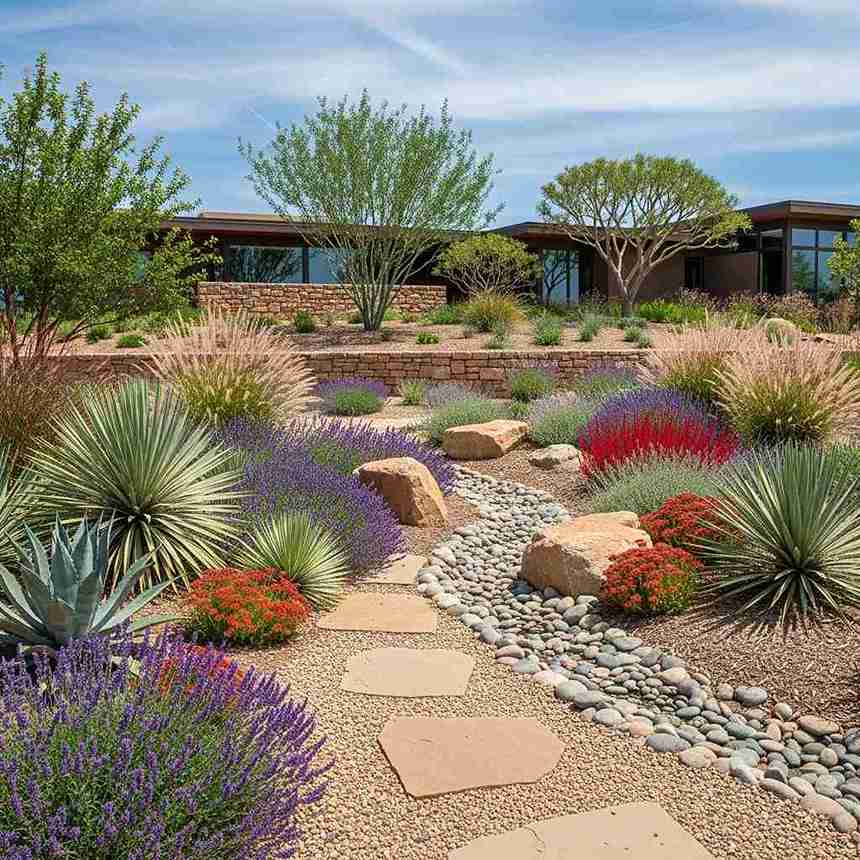
- Group plants by water needs into hydrozones for maximum irrigation efficiency and plant health
- Use permeable hardscaping like decomposed granite or porous pavers to reduce runoff
15. Raised Planting Beds
Raised beds add architectural dimension while improving drainage and soil quality. They create defined planting areas that simplify maintenance and prevent grass encroachment.
This solution works beautifully for sloped properties or areas with poor native soil. Raised beds allow precise soil amendments for optimal plant performance.
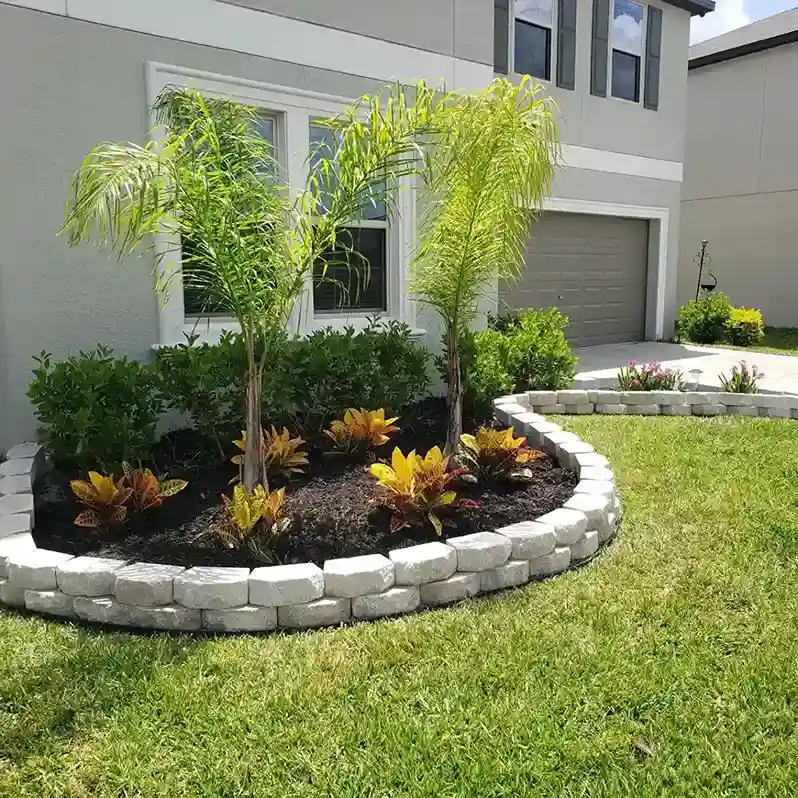
source: @wealthwithsam
- Build 12-18 inches high for adequate root depth and visual impact from street
- Use durable materials like stone, composite lumber, or brick that complement home architecture
16. Cottage Garden Style Plantings
Cottage gardens blend informal charm with abundant flowering plants in relaxed arrangements. Mix perennials, annuals, and flowering shrubs for romantic, overflowing beauty.
This approach suits informal architecture and creates cheerful, welcoming entrances. Cottage gardens feel lived-in and loved rather than overly manicured.
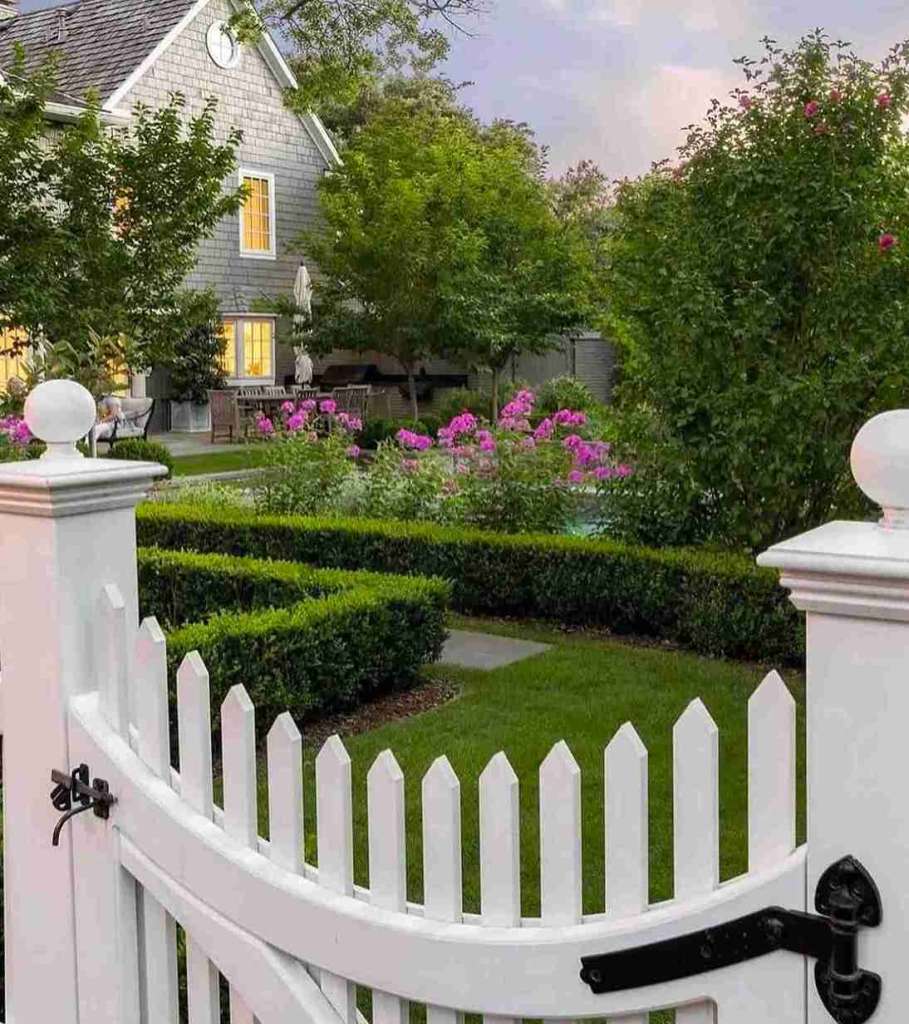
source: @itsahouselovestory
- Allow plants to self-seed for natural, effortless additions and evolving garden character
- Include fragrant varieties like roses, lavender, and sweet alyssum for sensory appeal
17. Modern Minimalist Approach
Clean lines, limited plant palette, and strategic placement define modern landscaping. Architectural plants like ornamental grasses and geometric shrubs suit contemporary homes.
Minimalism creates sophisticated, low-maintenance landscapes that emphasize quality over quantity. This style complements modern living room aesthetics extended outdoors.
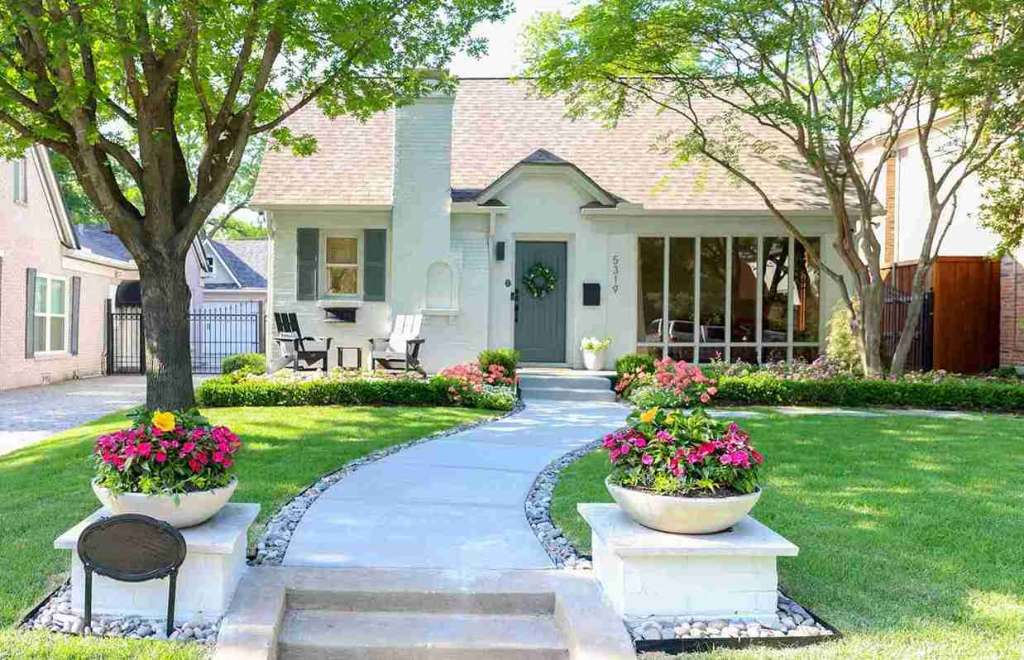
source: @scapes_inc_dallas
- Use repetition of same plant varieties in odd-numbered groups for cohesive, intentional look
- Incorporate hardscaping like gravel beds, concrete pavers, or metal accents for architectural interest
18. Seasonal Wreath and Door Decor
Change door wreaths and decorations seasonally to keep entrances feeling current. This simple update provides instant curb appeal without landscaping changes.
Door decor demonstrates home pride and welcomes visitors with personal style. It’s an affordable way to refresh appearance throughout the year.
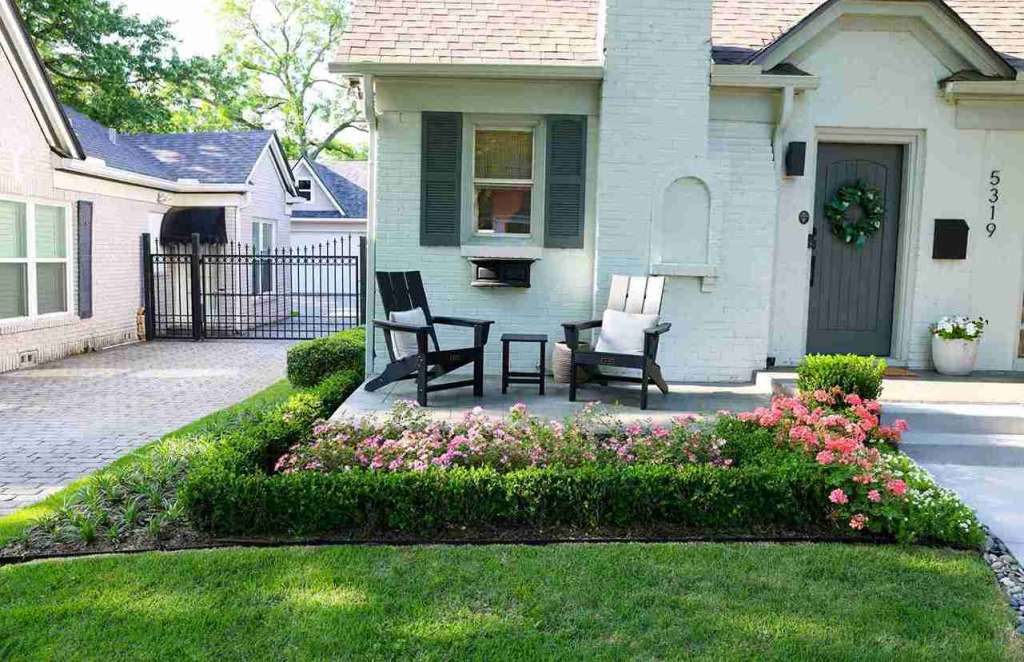
source: @scapes_inc_dallas
- Coordinate wreath colors with existing landscape plantings for cohesive, intentional color schemes
- Use weather-resistant materials designed for outdoor exposure to prevent fading and deterioration
19. Driveway Border Enhancements
Line driveways with flowering borders or ornamental grasses for visual appeal. This guides visitors naturally while softening hard paving materials with greenery.
Driveway landscaping often gets overlooked but significantly impacts overall curb appeal. Well-designed borders create cohesive transitions between different landscape areas.
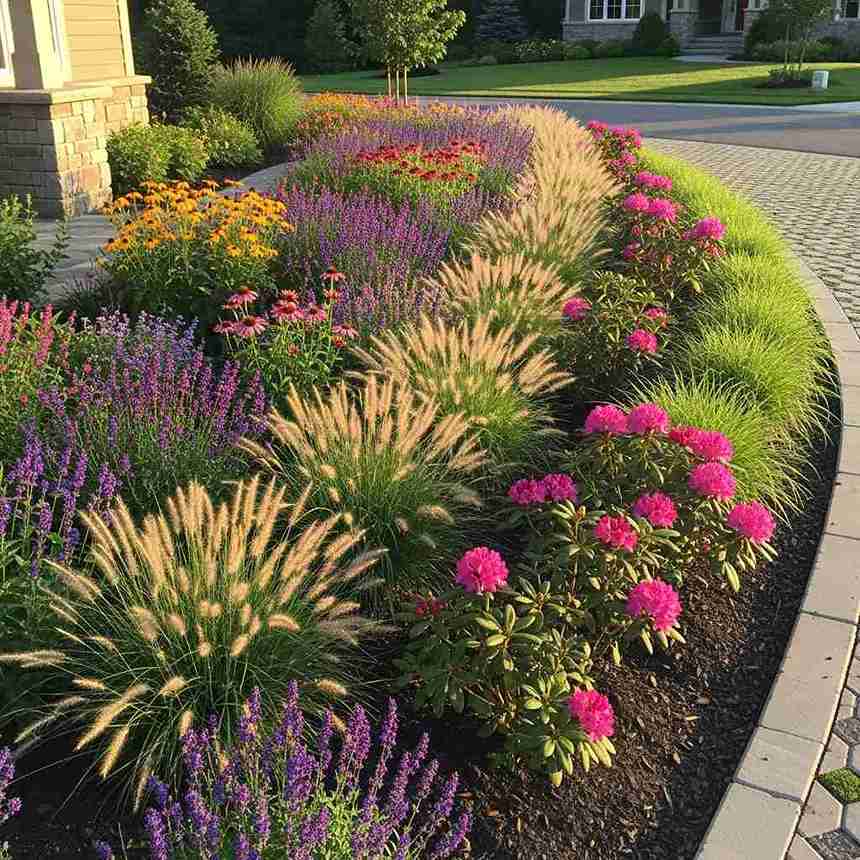
- Plant 12-18 inches back from pavement edges to prevent damage from vehicles and maintenance
- Choose salt-tolerant varieties in cold climates where road salt may drift onto plants
20. Vertical Garden Elements
Trellises, arbors, and vertical planters add height and visual interest to flat landscapes. Climbing vines soften structures while maximizing planting space in compact areas.
Vertical elements draw the eye upward and create architectural features. They’re perfect for small yards needing dimension without consuming square footage.
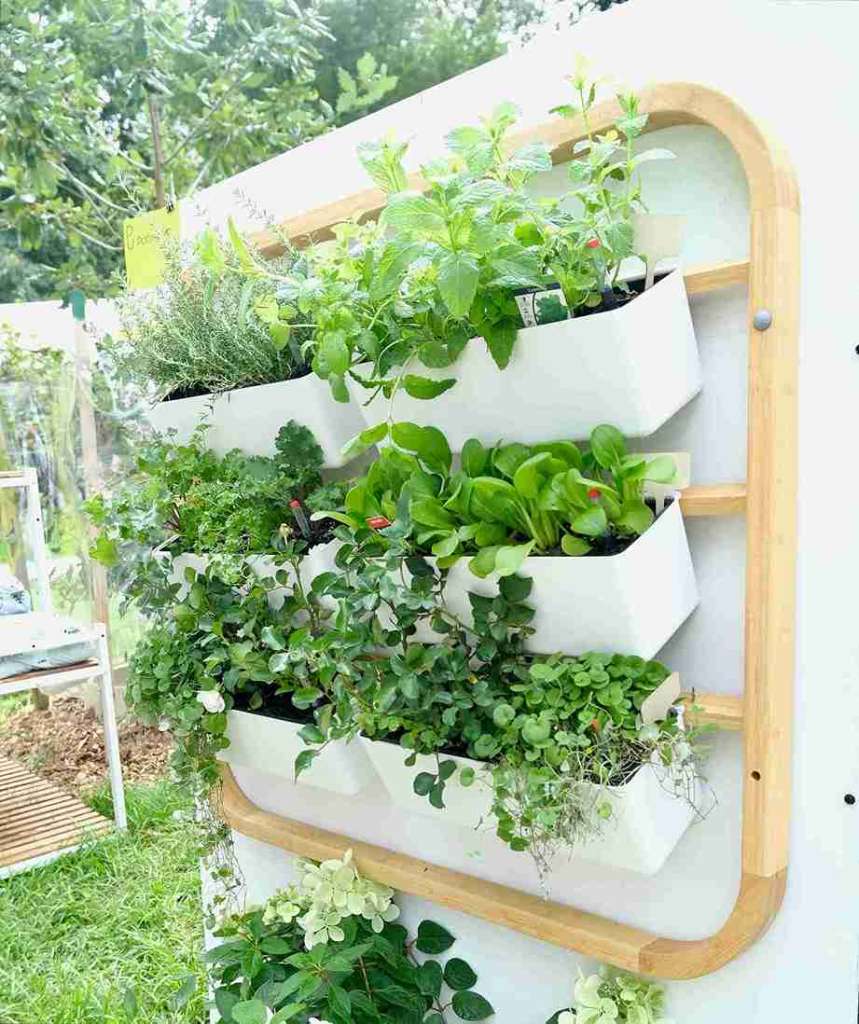
source: @pottingup_verticalgarde
- Select appropriate climbers like clematis, climbing roses, or jasmine for sun exposure and climate
- Install sturdy supports rated for mature plant weight and wind resistance in your area
21. Front Yard Seating Area
Create a welcoming seating area visible from the street using benches or chairs. This signals hospitality and provides functional outdoor living space for residents.
Front seating areas encourage neighborhood interaction and community connection. They make homes appear lived-in and loved rather than sterile showpieces.
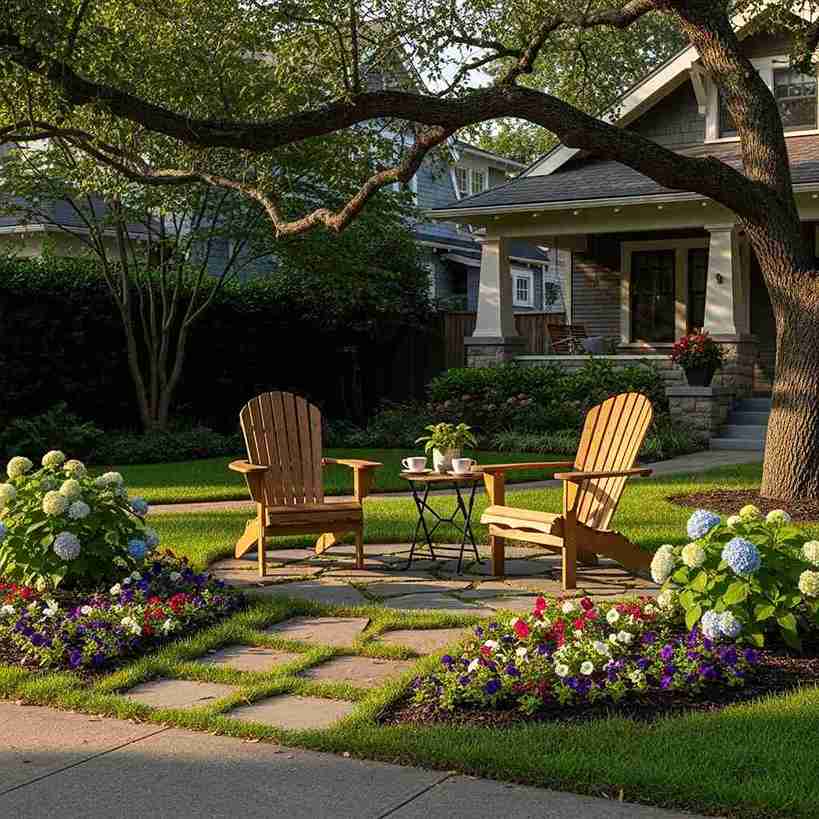
- Position seating 10-15 feet from street for comfort while maintaining welcoming accessibility
- Add cushions and planters to create cozy, intentional spaces rather than afterthought placements
22. Stone or Brick Pathway Design
Natural stone or brick pathways add texture and permanence to front landscapes. These materials age beautifully and suit both traditional and contemporary architecture.
Quality hardscaping increases property value and reduces maintenance compared to grass paths. Pathways define circulation patterns while adding architectural interest and character.
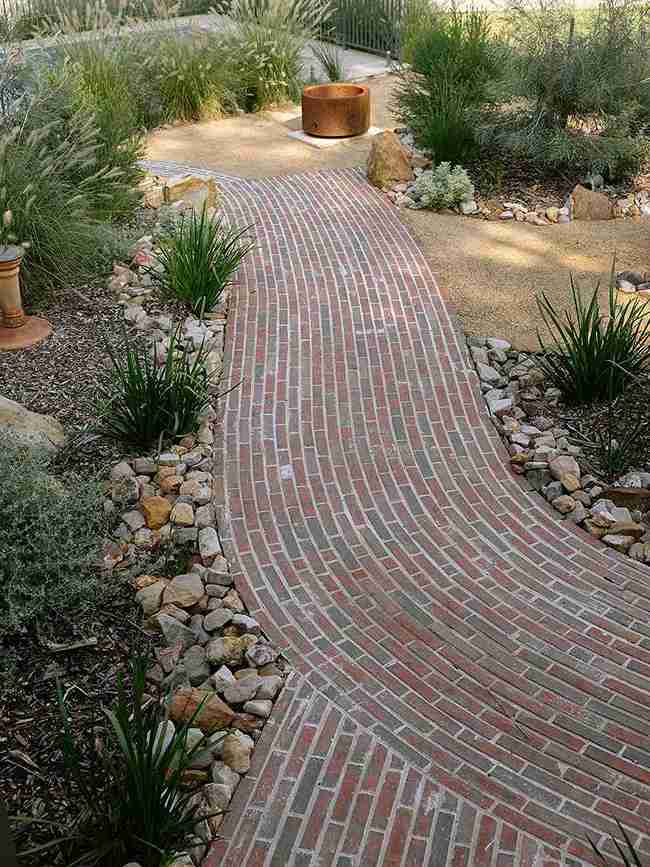
source: @greau.studio
- Match material colors to existing home exterior for cohesive design that feels intentional
- Install proper base with compacted gravel and sand to prevent settling and shifting
23. Address Number Display Enhancement
Make house numbers a design feature with oversized, illuminated, or artistically styled numerals. Clear, attractive addressing helps visitors while enhancing curb appeal significantly.
Visible numbers improve emergency response and package delivery while demonstrating design attention. This functional element deserves aesthetic consideration beyond basic practicality.
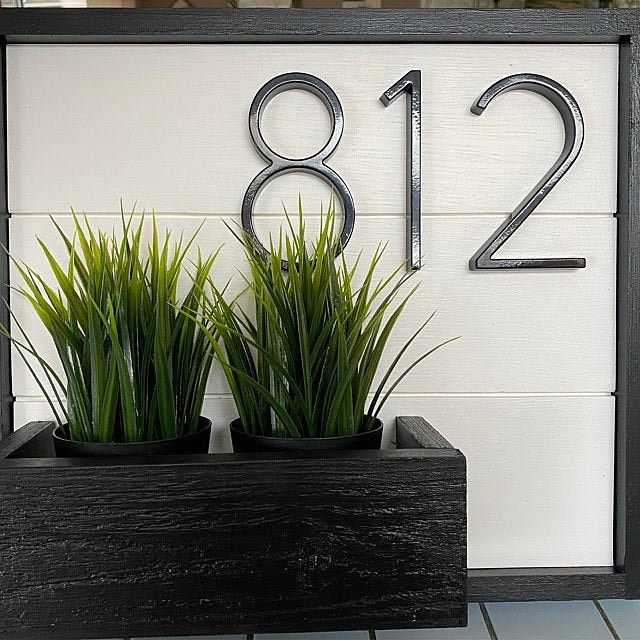
source: @handcraftedsignsanddesigns
- Size numbers appropriately (minimum 4-6 inches tall) for visibility from street in all conditions
- Light numbers directly or use reflective materials for nighttime visibility and safety
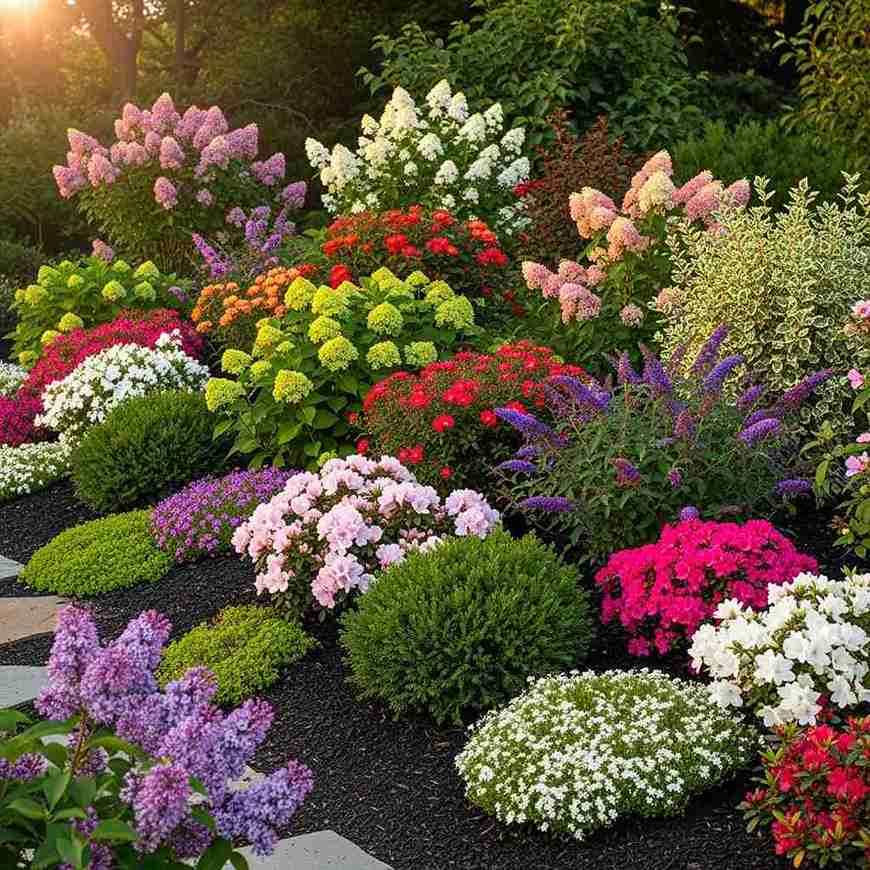
24. Flowering Shrub Border
Create flowing borders of flowering shrubs for low-maintenance color throughout seasons. Varieties like hydrangeas, roses, and spireas provide stunning displays with minimal care.
Shrub borders define property boundaries while adding privacy and structure. They mature into substantial landscape features that increase in beauty annually.
- Space according to mature width to prevent overcrowding that requires constant pruning later
- Mix bloom times to ensure continuous floral interest from early spring through fall
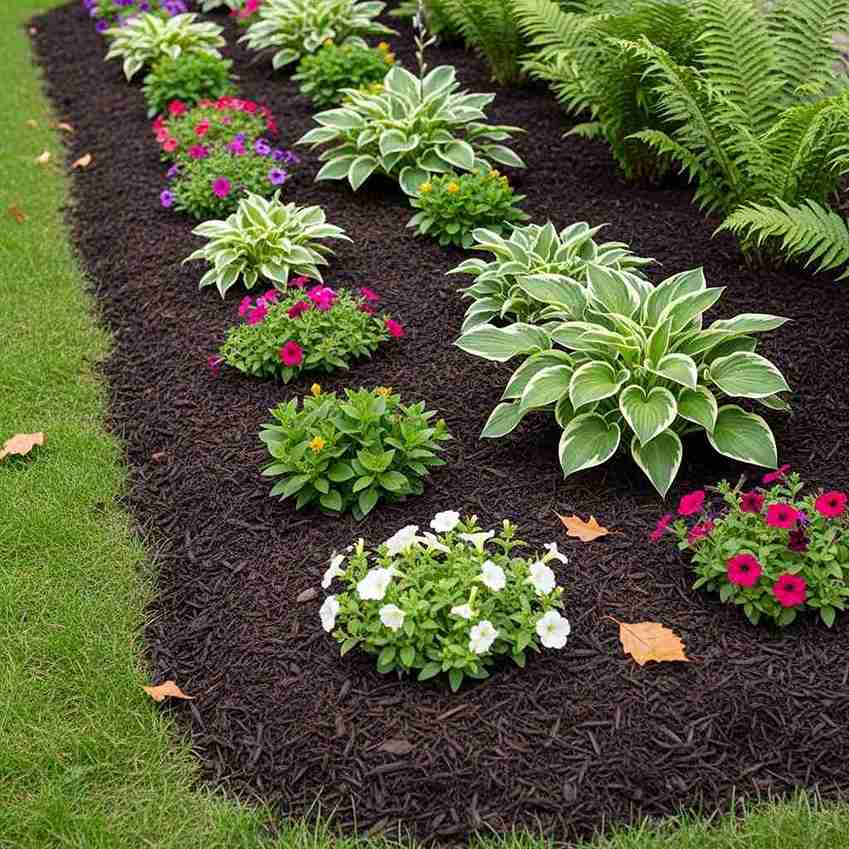
25. Decorative Mulch Application
Fresh mulch instantly refreshes landscape beds and signals meticulous maintenance. Choose colors complementing your home’s exterior while suppressing weeds effectively.
Quality mulching improves soil health, retains moisture, and provides finished appearance. This simple update delivers dramatic visual improvement for minimal investment.
- Apply 2-3 inch depth annually, avoiding direct contact with plant stems and tree trunks
- Choose appropriate type (hardwood, pine bark, cedar) based on plant preferences and aesthetic goals
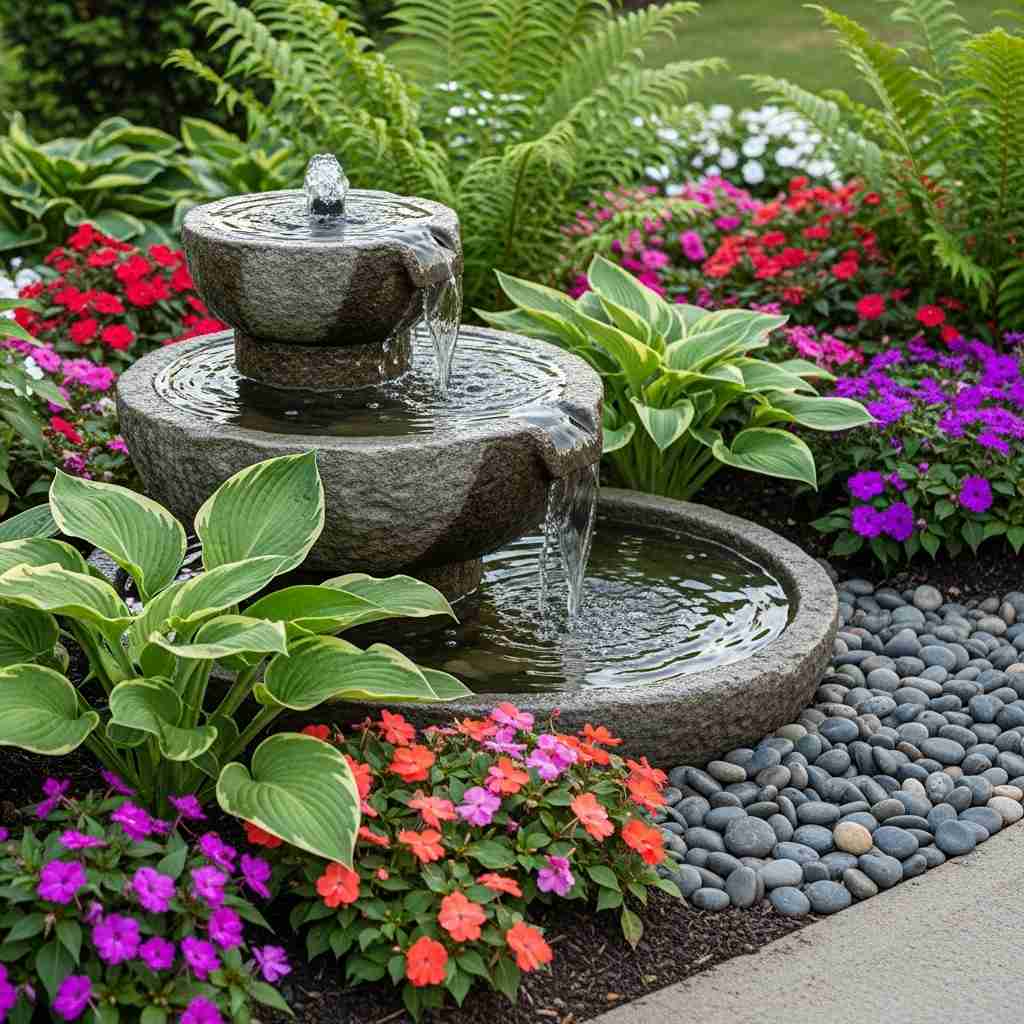
26. Water Feature Integration
Small fountains or birdbaths add movement and sound to front landscapes. Water features create focal points while attracting beneficial birds and pollinators.
The soothing sound of water enhances the entrance experience memorably. Even small water elements provide disproportionate visual and sensory impact.
- Choose self-contained fountains that recirculate water for easy maintenance and water conservation
- Place strategically where sound carries to porch or entrance without overwhelming conversation areas
27. Ornamental Grass Accents
Ornamental grasses add movement, texture, and year-round interest with minimal maintenance. Their flowing forms soften hard architectural lines and provide winter structure.
Grasses suit both modern and traditional landscapes with appropriate variety selection. They thrive in challenging conditions where other plants struggle significantly.
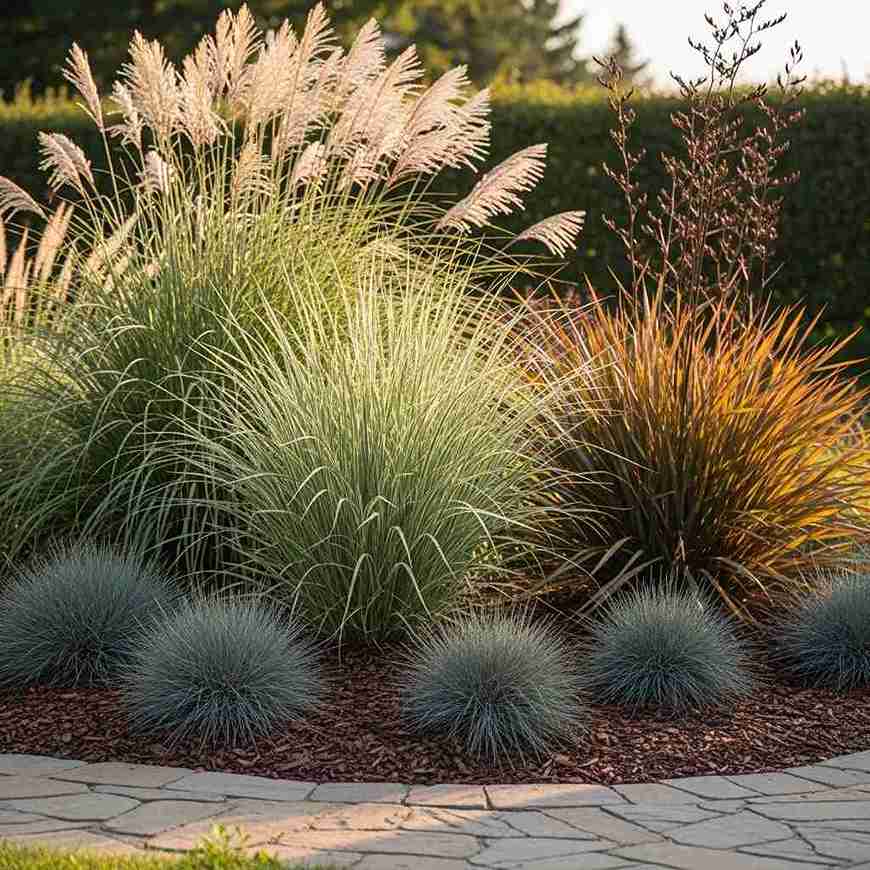
- Select clumping varieties (not running) to prevent invasive spread into lawn areas
- Leave standing through winter for visual interest and wildlife habitat before spring cutback
28. Front Porch Rail Plantings
Window boxes or rail planters add color at eye level for approaching visitors. This vertical layer creates depth and makes porches feel lush and inviting.
Elevated plantings showcase trailing varieties beautifully while keeping maintenance accessible. They’re perfect for homes with limited ground-level planting space available.
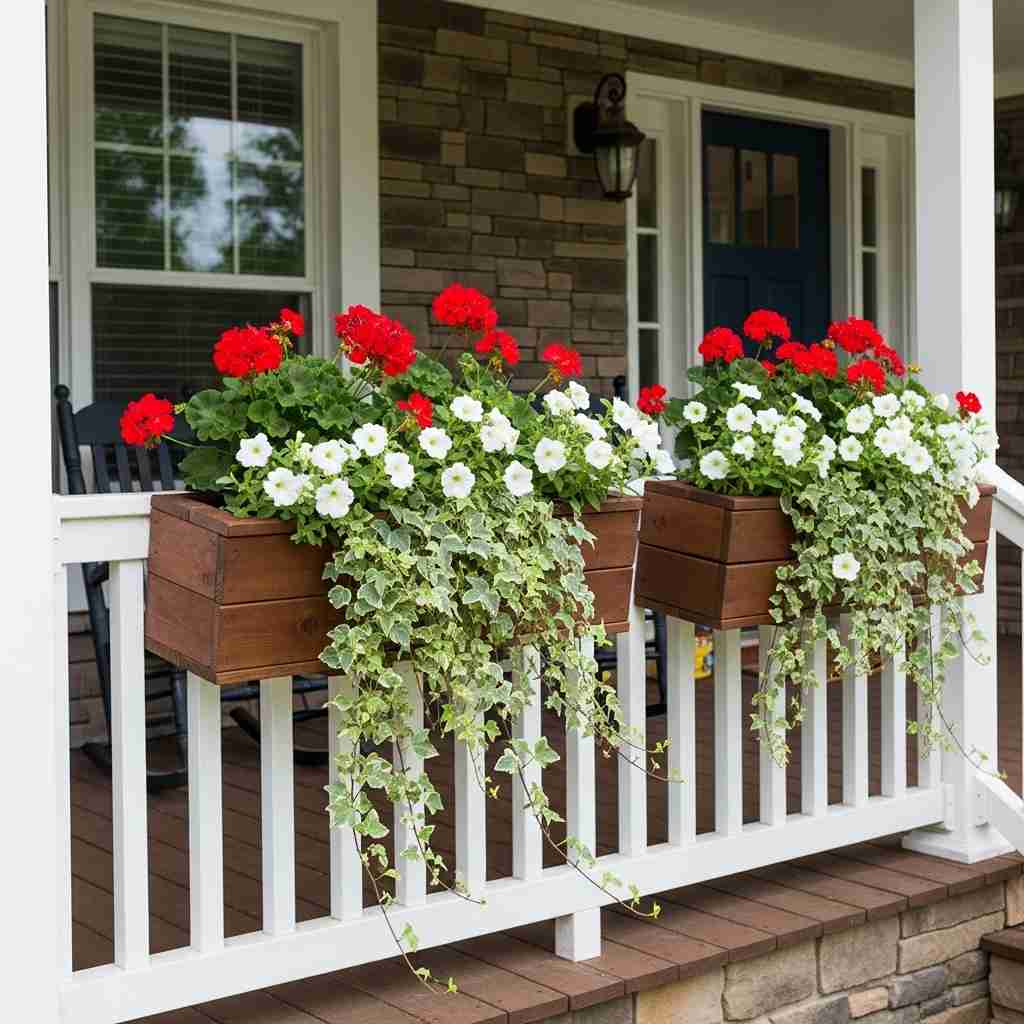
- Ensure proper drainage with holes in bottom to prevent waterlogged roots and plant death
- Use potting mix (not garden soil) for appropriate drainage and nutrient levels in containers
29. Edible Landscaping Integration
Incorporate ornamental edibles like blueberries, herbs, and attractive vegetables into front landscapes. Modern varieties offer beauty rivaling traditional ornamentals with bonus harvests.
Edible landscaping combines aesthetics with functionality in sustainable, productive ways. It demonstrates environmental consciousness while reducing grocery costs through home-grown ingredients.
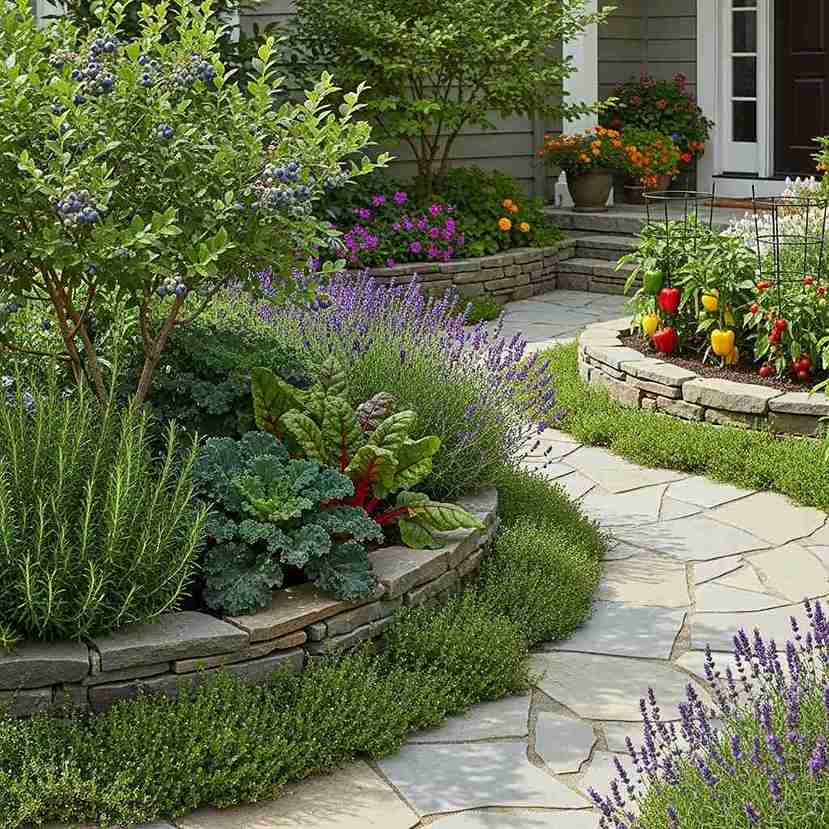
- Choose attractive edibles like rainbow chard, artichokes, or purple basil with ornamental appeal
- Maintain consistently as edible gardens require more attention than purely ornamental landscapes
30. Color-Coordinated Planting Scheme
Select a cohesive color palette for all plantings to create sophisticated, intentional appearance. Monochromatic or complementary schemes feel more professional than random selections.
Coordinated colors tie the landscape together visually while complementing home exteriors. This approach demonstrates design knowledge and creates memorable, distinctive curb appeal.
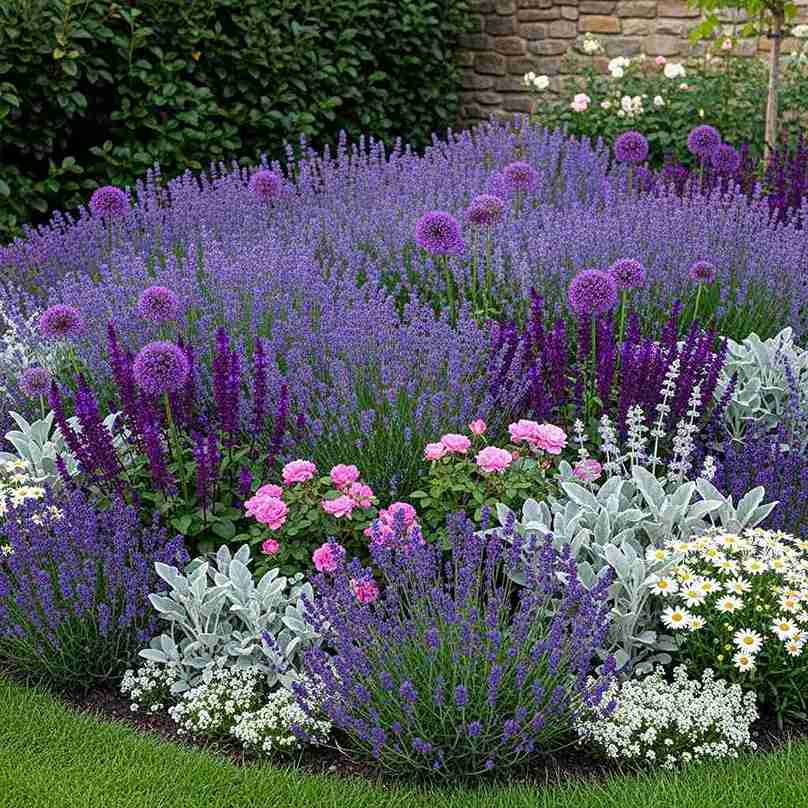
- Repeat signature colors throughout landscape for rhythm and unity rather than isolated pops
- Consider foliage colors year-round, not just flowers which may bloom briefly
31. Seasonal Annual Displays
Rotate annual flowers in high-visibility areas for continuous, bold color throughout seasons. Annuals provide flexibility to experiment with trends and personal preferences.
This approach keeps landscapes feeling current and well-maintained through constant refreshment. Annual displays demonstrate ongoing care and attention to home appearance.
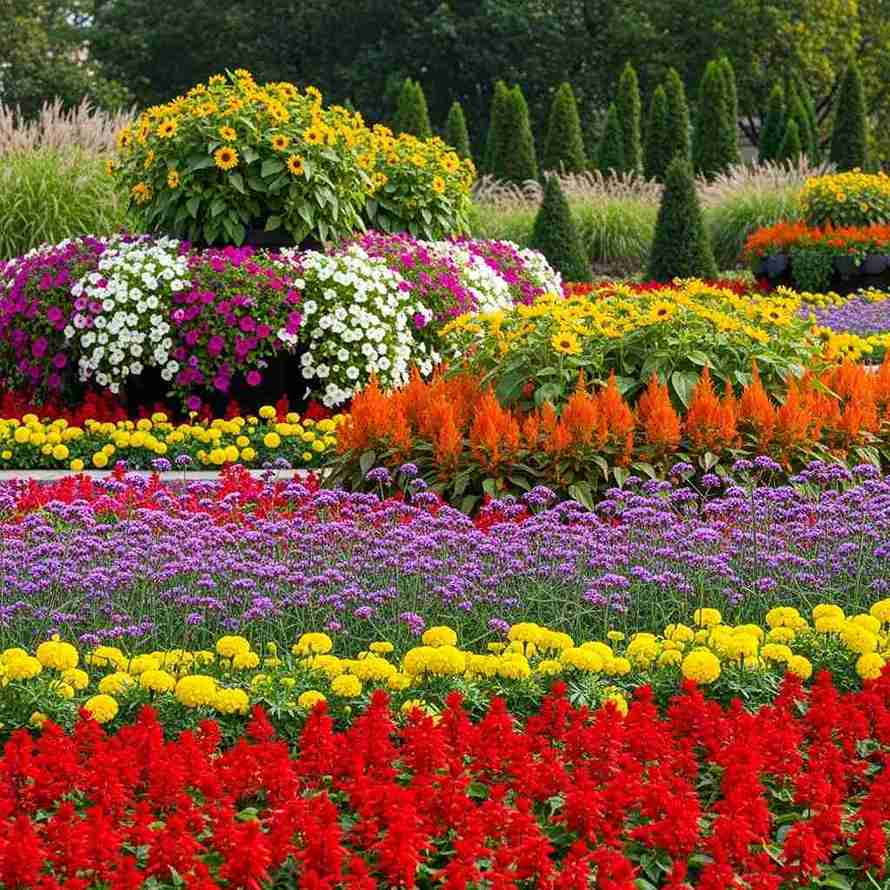
- Plant in waves every few weeks for continuous bloom rather than simultaneous fade
- Deadhead regularly to promote continued flowering and prevent leggy, spent appearance
32. Professional Landscape Lighting Design
Invest in professionally designed lighting that highlights architecture and landscape features dramatically. Quality lighting transforms curb appeal and extends outdoor enjoyment hours.
Professional systems use proper voltage, fixture placement, and beam angles for maximum impact. This investment pays dividends in safety, security, and property value.
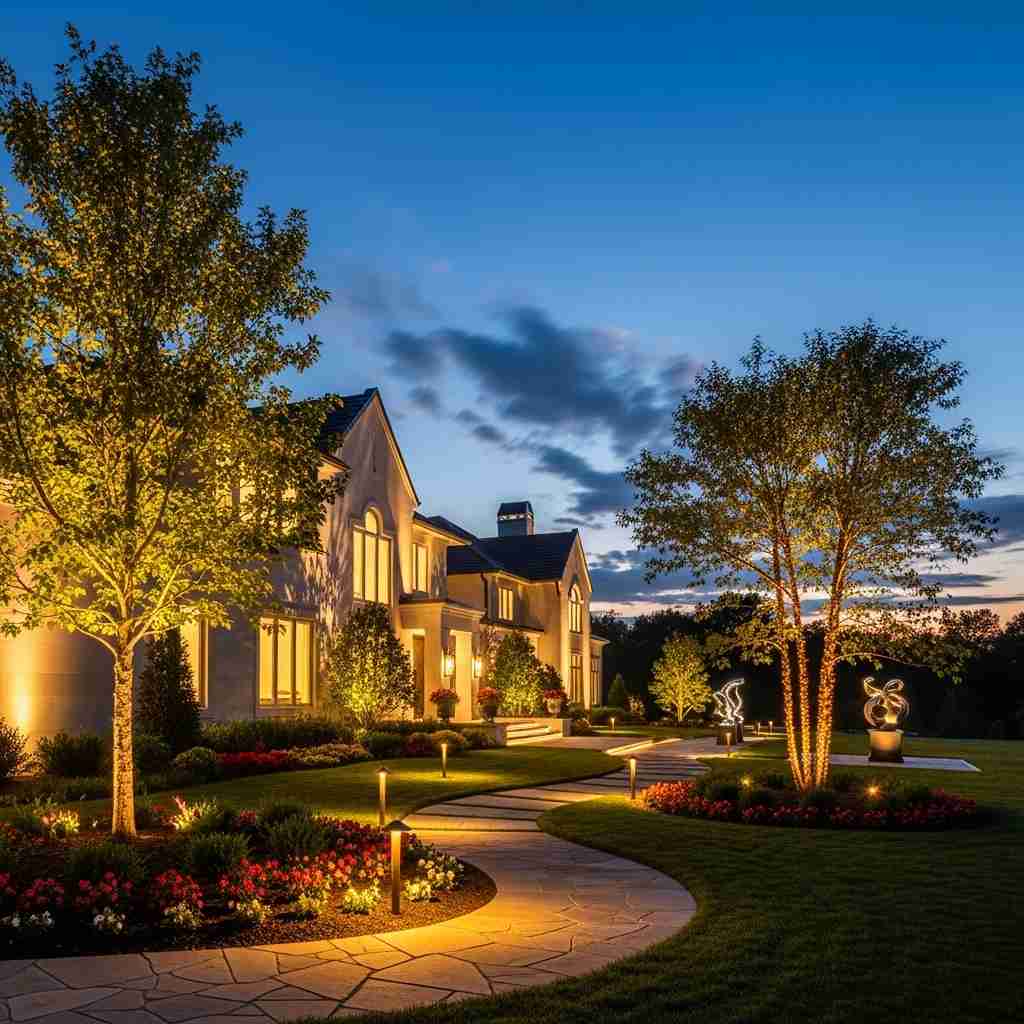
- Layer lighting types including uplighting, path lighting, and accent lights for dimensional effect
- Use timers or smart controls for automatic operation that maintains consistency without daily management
Frequently Asked Questions
How much should I budget for front yard landscaping?
Basic DIY landscaping costs $1,500-$5,000 for most homes including plants and materials. Professional installations range $5,000-$15,000 depending on property size, complexity, and plant selections chosen.
What plants require the least maintenance for front yards?
Native perennials, ornamental grasses, and evergreen shrubs offer lowest maintenance requirements. They establish quickly, resist local pests, tolerate climate extremes, and require minimal pruning or deadheading.
How can I improve curb appeal on a tight budget?
Fresh mulch, seasonal container plantings, and thorough weeding provide maximum impact for minimal investment. Clean walkways, trim overgrown shrubs, and add inexpensive annual flowers in high-visibility areas.
Should front yard landscaping match my home’s architectural style?
Landscaping should complement architecture without being overly literal about matching styles. Traditional homes suit formal plantings while contemporary architecture pairs well with minimalist, structural plant selections.
Seasonal Maintenance Checklist
Spring Tasks:
- Remove winter mulch and debris from beds
- Edge lawn borders for clean, defined lines
- Plant summer annuals after last frost date
- Fertilize established perennials and shrubs
- Prune spring-flowering shrubs after bloom
Summer Tasks:
- Maintain consistent watering schedule during heat
- Deadhead flowers to encourage continuous blooming
- Monitor for pest issues and address promptly
- Apply fresh mulch if winter layer has decomposed
- Trim hedges and foundation plantings as needed
Fall Tasks:
- Plant spring-flowering bulbs before ground freezes
- Remove spent annuals and cut back perennials
- Apply winter mulch after ground begins freezing
- Plant fall mums and decorative kale for color
- Clean gutters to prevent overflow onto plantings
Winter Tasks:
- Protect tender plants with burlap or covers
- Remove heavy snow from evergreen branches
- Plan spring landscape projects and order materials
- Prune deciduous trees and shrubs while dormant
- Check pathway lighting and replace burned bulbs
Transform your home’s first impression with these front landscaping ideas that combine beauty, functionality, and personal style. Visit MotifSpace.com for more inspiration on home exterior design, outdoor living spaces, and complete home transformations that elevate every aspect of your property. Create outdoor spaces that welcome visitors, boost property value, and reflect your unique aesthetic vision beautifully.