
Organized classrooms reduce stress, increase productivity, and create conducive learning environments. Strategic classroom organization systems help teachers manage resources efficiently while supporting student independence.
Well-organized spaces promote positive behavior, reduce transitions, and maximize instructional time effectively. From storage solutions to classroom layouts, organization impacts student success significantly.
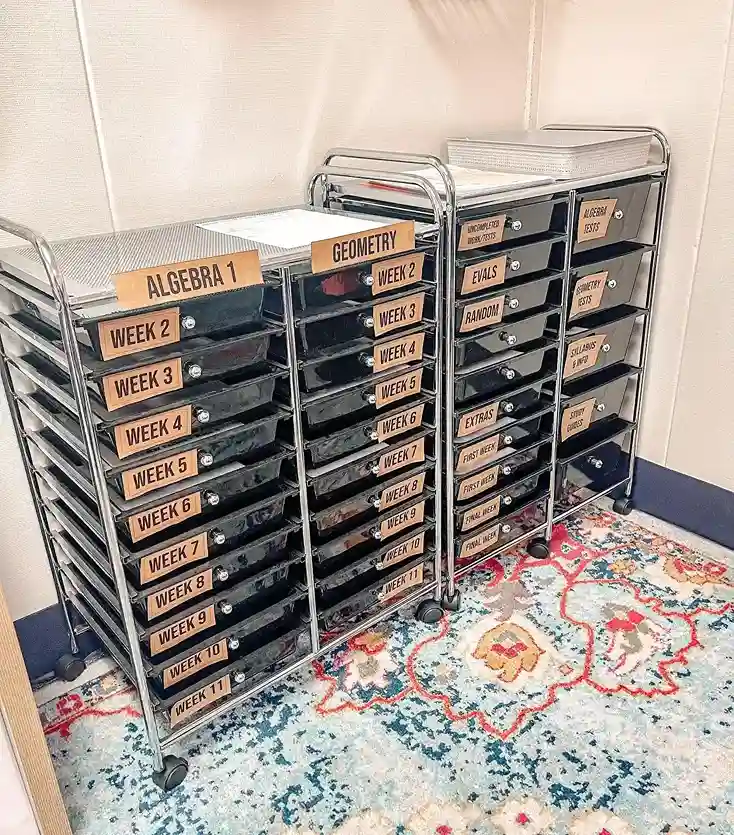
Discover practical strategies transforming chaotic spaces into efficient, functional learning environments. These organizational systems boost productivity for teachers and students alike.
1. Color-Coded Storage System Implementation
Assign colors to different subject areas or classroom zones for quick identification. Color-coding reduces decision-making time and helps students locate materials independently.
Consistent color systems across storage containers, shelves, and labels create visual clarity. Students understand organization at a glance without reading every label carefully.
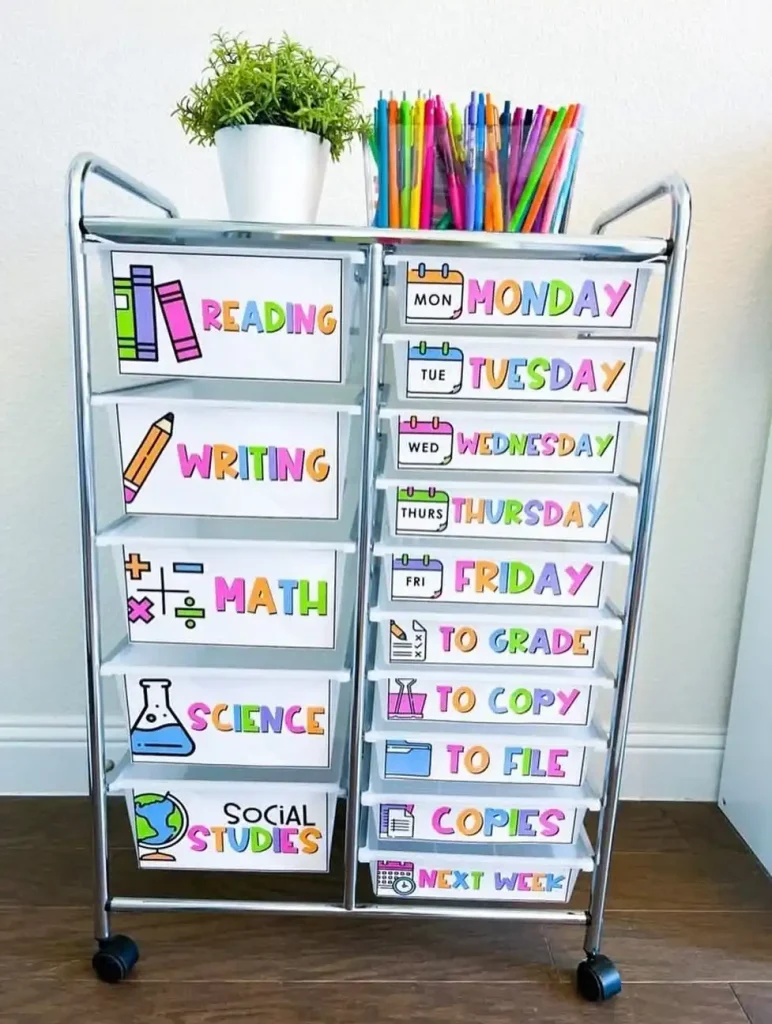
- Assign one color per subject or classroom function for intuitive organization
- Apply color coding consistently across baskets, shelves, and labeling systems
2. Label Everything Clearly
Comprehensive labeling system using words and pictures supports independent material access. Clear labels reduce time spent searching and support non-readers and English learners.
Labeling saves instructional time by eliminating repeated questions about item locations. Consistent labeling throughout room creates predictable, learnable organizational system. See more classroom setups for decorations,
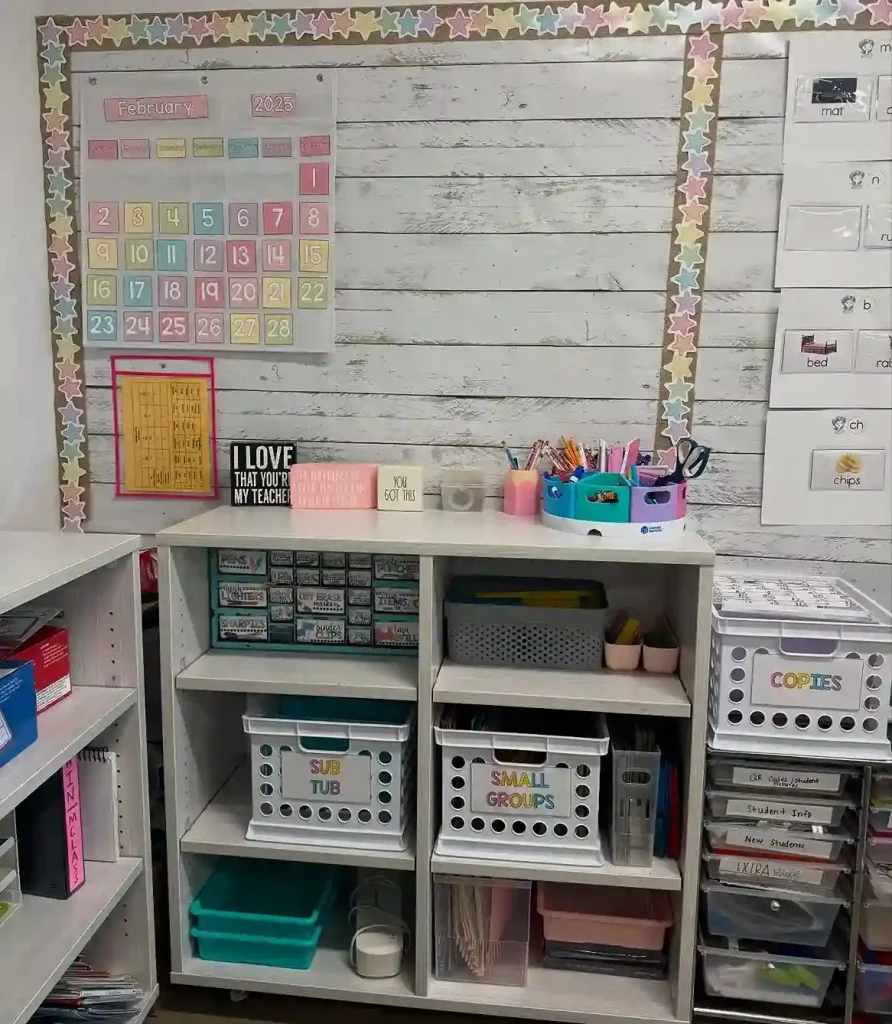
- Use both words and visuals on labels supporting diverse learners
- Print labels clearly with large font visible from classroom distances
3. Basket and Bin Organization
Labeled baskets and bins contain similar materials preventing loose item clutter. Clear containers allow visibility while maintaining neat appearances throughout classroom.
Strategic bin placement near relevant learning areas reduces supply retrieval time. Organized bins teach students responsibility while simplifying classroom management.
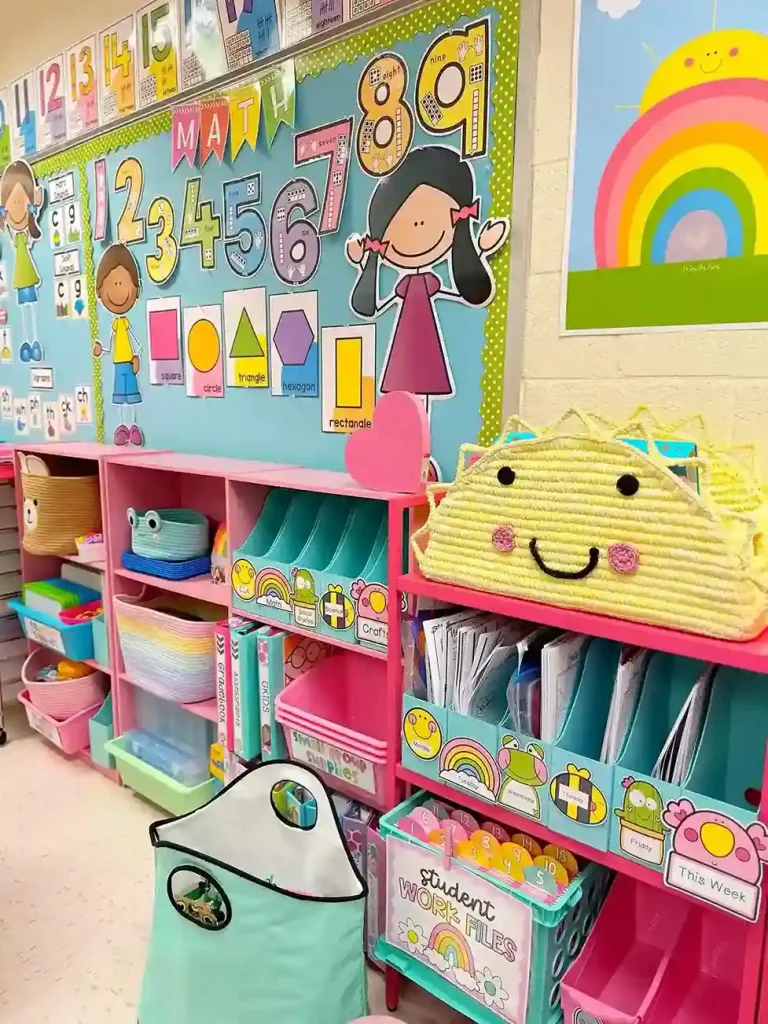
- Use clear containers so contents remain visible at a glance
- Label basket contents with quantity limits encouraging student responsibility
4. Shelf Organization by Category
Arrange shelves organizing materials by subject, grade level, or learning objective. Categorized shelves help students and substitutes quickly locate needed resources.
Logical shelf organization prevents scrambling during transitions and independent work. Well-organized shelves communicate care and professionalism to visitors and families.
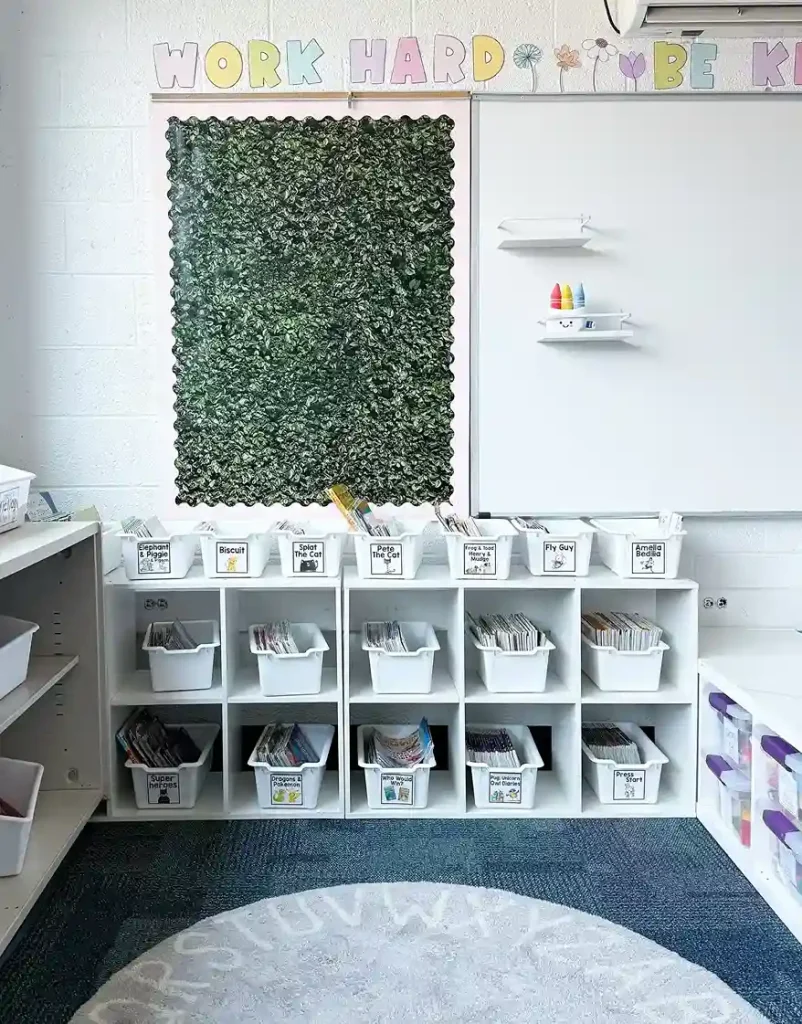
- Group related materials together supporting conceptual understanding
- Keep frequently used items at accessible heights reducing stretch or reaching
5. Drawer Divider Systems
Dividers organize desk and cabinet drawers preventing tangled, jumbled contents. Organized drawers make finding items quick and reduce frustration during lessons.
Drawer organization saves preparation time and extends supply longevity. Students learn organization through accessing neat, well-organized spaces.
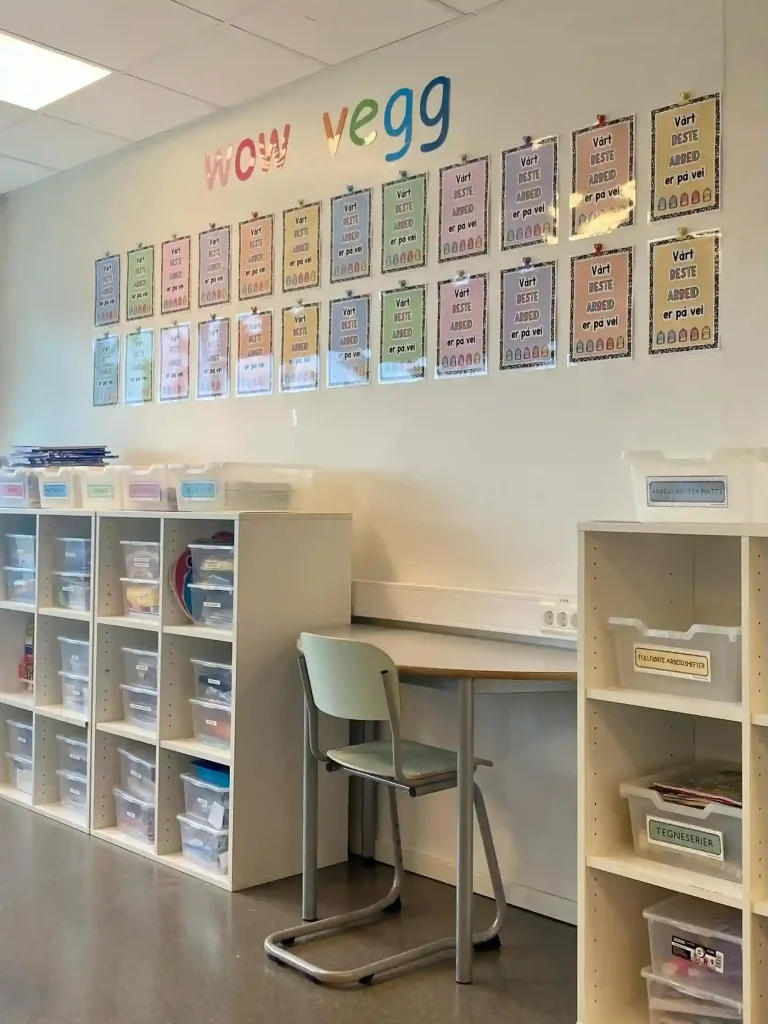
- Use adjustable dividers allowing flexibility as needs change
- Label divider sections clearly so items return to correct locations
6. File Organization and Storage
Organized filing systems store papers, worksheets, and resources efficiently. Accessible files reduce preparation time and support substitute teacher success.
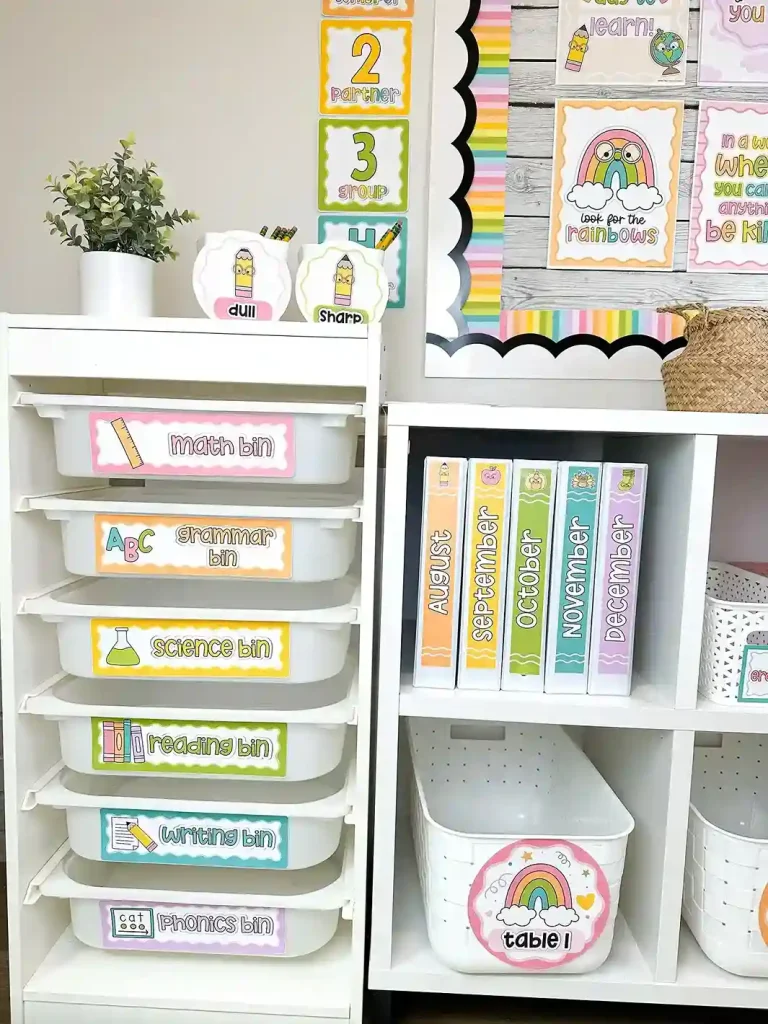
Well-organized files enable quick material location during lessons. Organized filing systems prevent lost documents and duplicate preparation efforts.
- Organize files by subject, grade, or unit depending on classroom structure
- Use hanging files with clear labels making navigation intuitive
7. Supply Inventory System
Maintain current inventory lists preventing stockouts and overstocking. Inventory systems help track usage patterns and guide supply requests effectively.
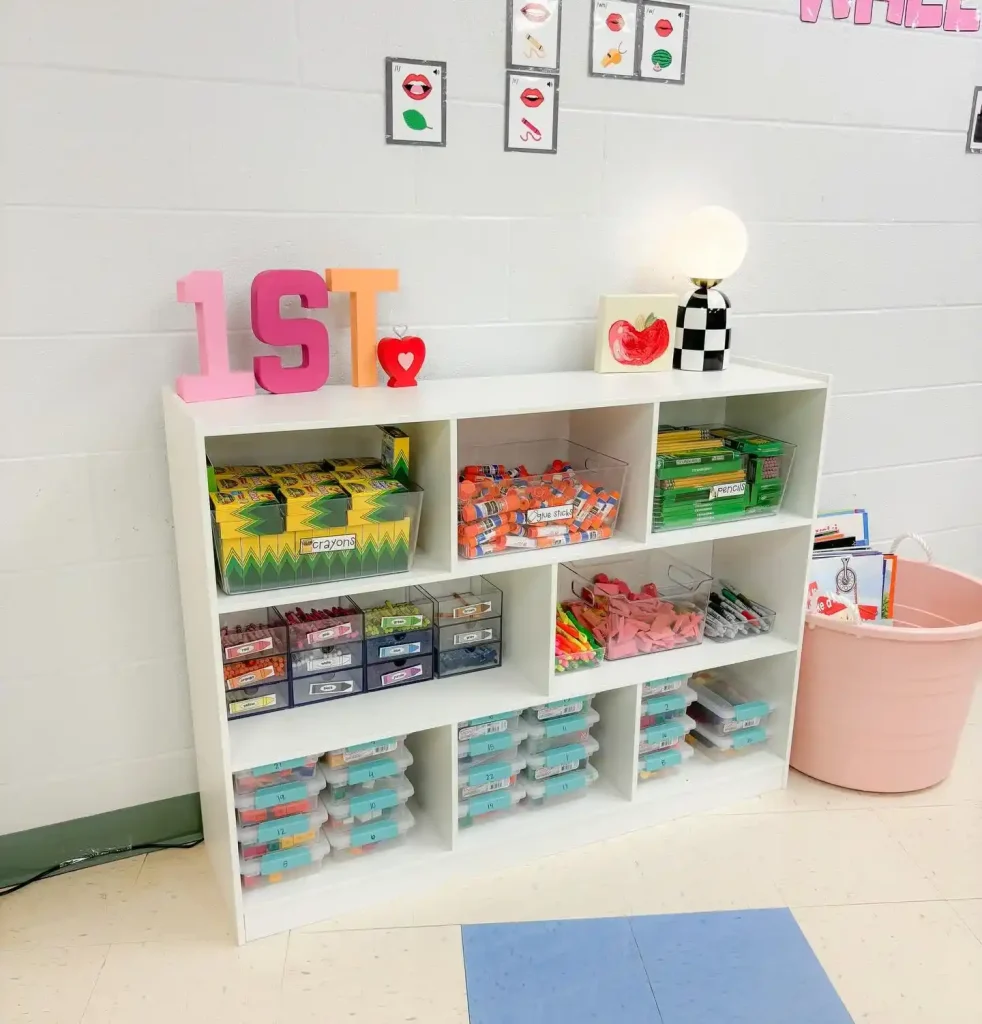
Knowing supply levels prevents last-minute scrambling for materials. Inventory tracking identifies usage trends informing future purchase decisions.
- Update inventory monthly tracking supply usage and depletion rates
- Post inventory lists so students know availability of materials
8. Vertical Storage Maximization
Utilize wall space with shelves, pegboards, and wall-mounted organizers. Vertical storage saves floor space while maximizing storage capacity available.
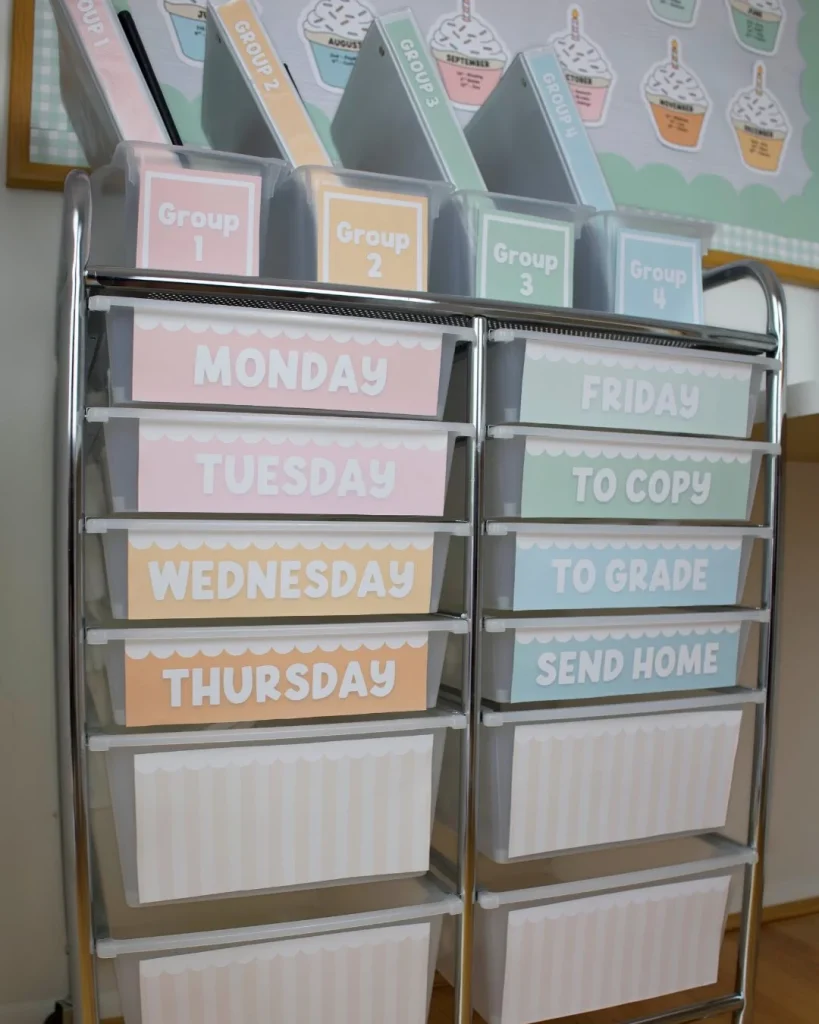
Vertical storage reduces classroom clutter while keeping materials accessible. Wall organization frees floor space for movement and flexible seating arrangements.
- Install shelving at varying heights accommodating different material sizes
- Use wall space strategically avoiding interference with instruction areas
9. Pegboard Organization Wall
Pegboards with hooks and baskets organize frequently used supplies accessibly. Customizable pegboards adapt as classroom needs and priorities change throughout year.
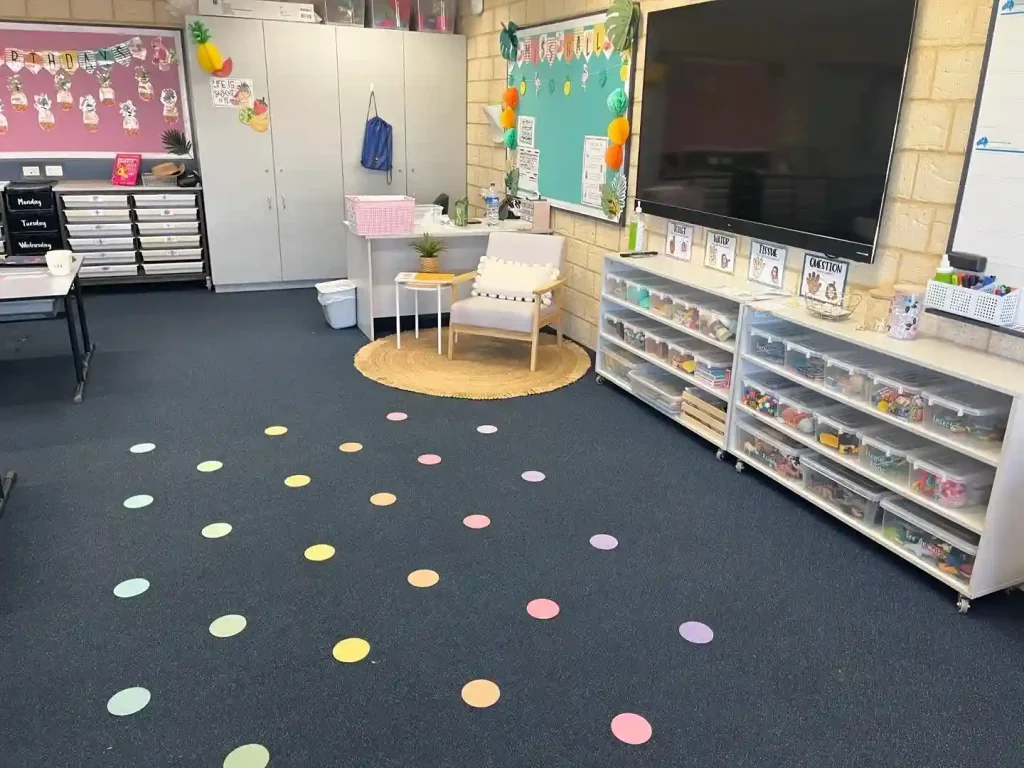
Pegboard organization keeps supplies within reach during lessons. Visual pegboard displays demonstrate organization while maintaining accessibility.
- Arrange pegboard items logically grouping related supplies together
- Label hooks and baskets clearly indicating appropriate contents
10. Under-Table and Underutilized Space Usage
Transform underneath tables and low areas into organized storage. Utilizing underused space increases total storage without consuming classroom footprint.
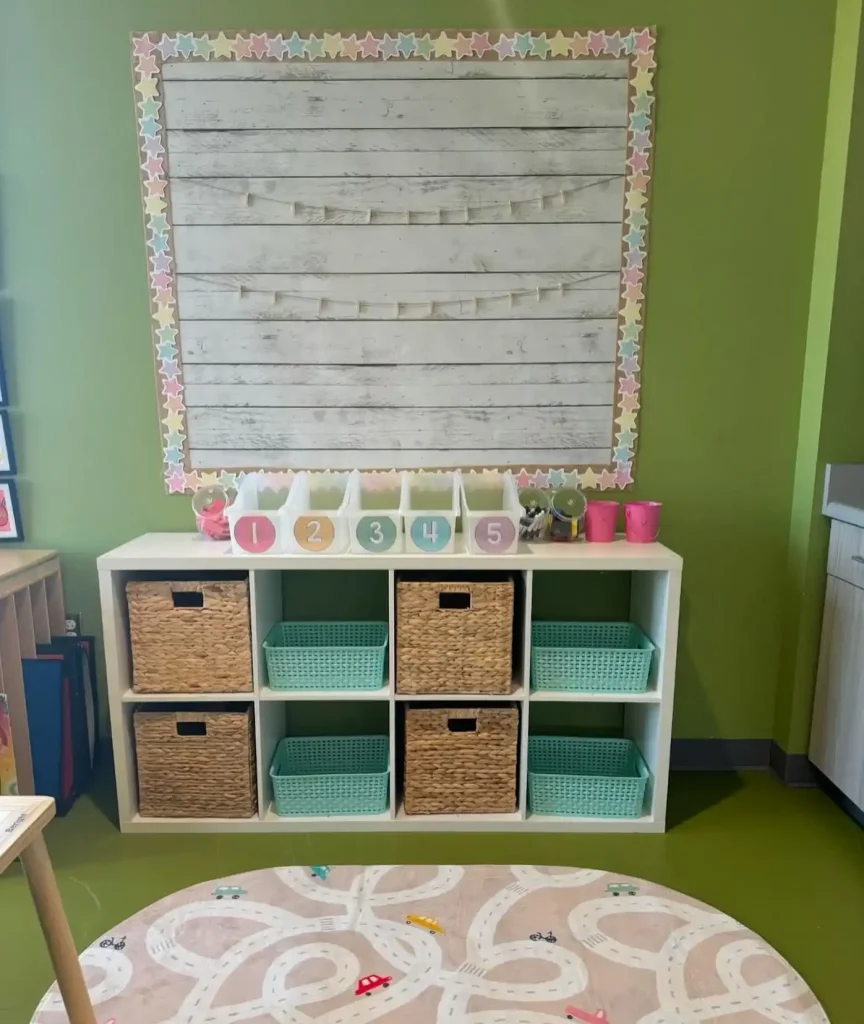
Under-table storage keeps supplies accessible while reducing visual clutter. Strategic use of overlooked areas maximizes efficient space utilization.
- Use clear containers under tables so contents remain visible
- Create rolling bins allowing easy access to frequently used items
11. Door-Based Organizer Installation
Mount organizers on closet, cabinet, or classroom doors. Door organizers provide accessible storage without consuming shelf or floor space.
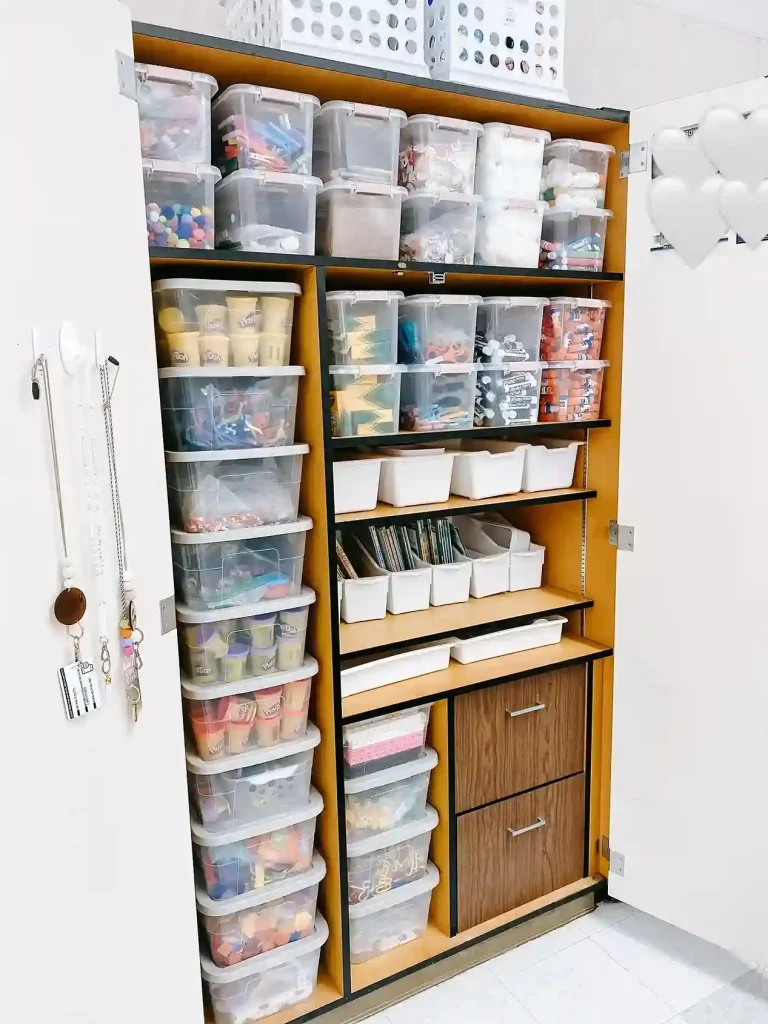
Over-door organizers store small supplies efficiently. Strategic door storage keeps high-frequency items within arm’s reach during instruction.
- Install organizers at appropriate heights ensuring student accessibility
- Choose sturdy organizers supporting weight of stored materials
12. Student Supply Caddy System
Individual or small group supply caddies contain frequently used materials. Caddy systems reduce time spent distributing supplies during transitions.
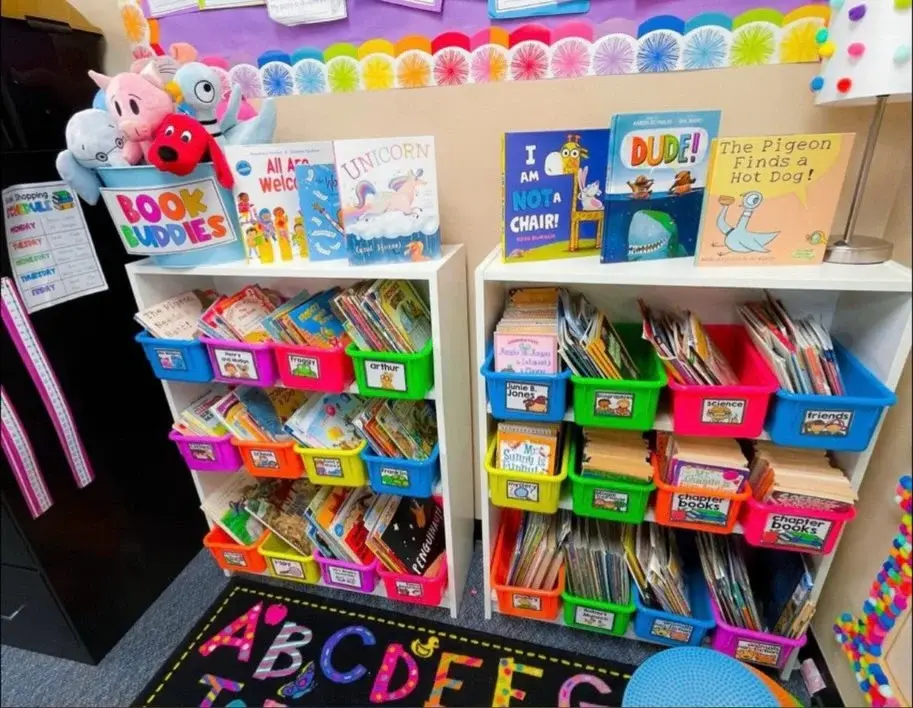
Supply caddies promote student independence in material access. Caddies reduce distribution time allowing more instructional minutes.
- Stock caddies with essential supplies like pencils, erasers, and paper
- Establish clear protocols for maintaining and restocking caddies
13. Classroom Library Organization by Reading Level
Organize books by reading level using color dots or level labels. Level organization supports students selecting appropriate books independently.
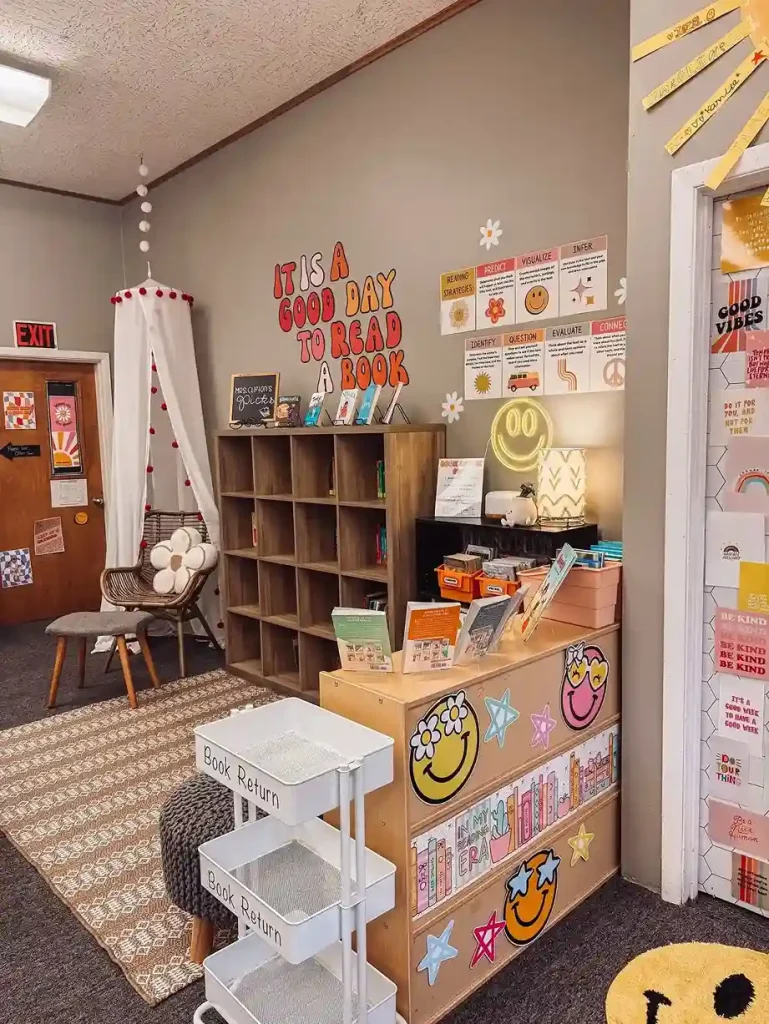
Reading-level organization supports differentiated instruction and student choice. Organized libraries increase book circulation and reading engagement.
- Use consistent reading level indicators across all books
- Include genre labels supporting diverse reading preferences
14. Desk Organization for Students
Provide individual desk organizers or establish clear desk expectations. Organized desks promote focus and reduce distraction during learning.
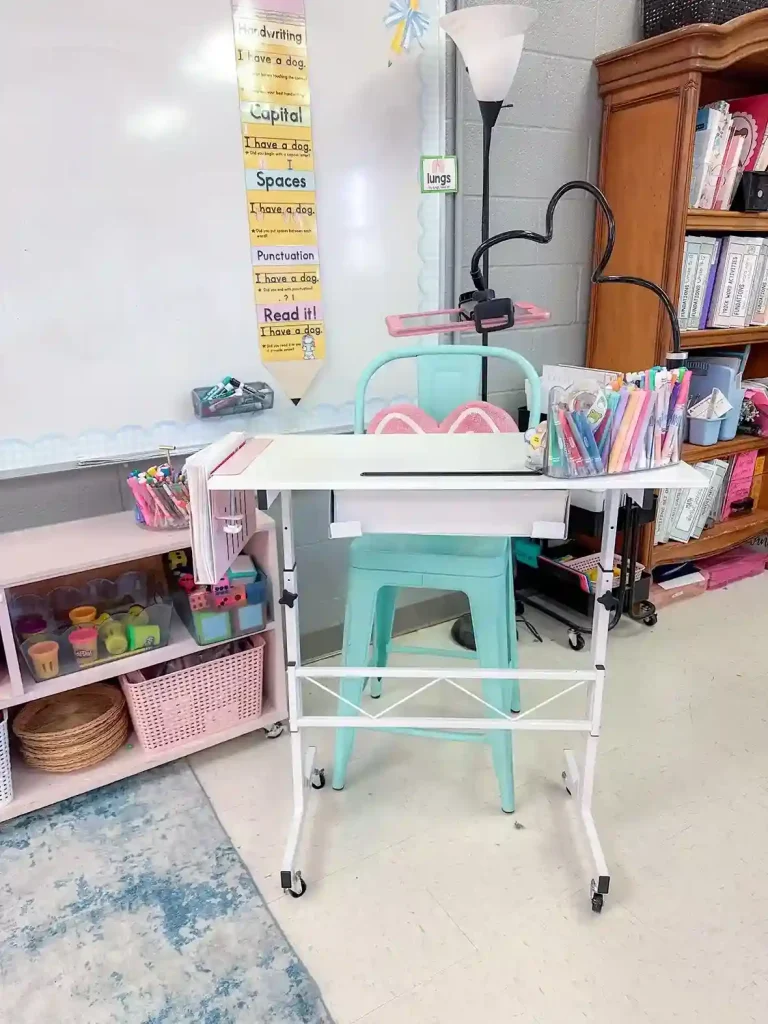
Desk organization teaches responsibility and reduces lost materials. Clean desks support focus and reduce classroom visual chaos.
- Provide small organizers for individual student desk supplies
- Establish daily desk cleanup routines maintaining organization consistently
15. Teacher Desk Organization
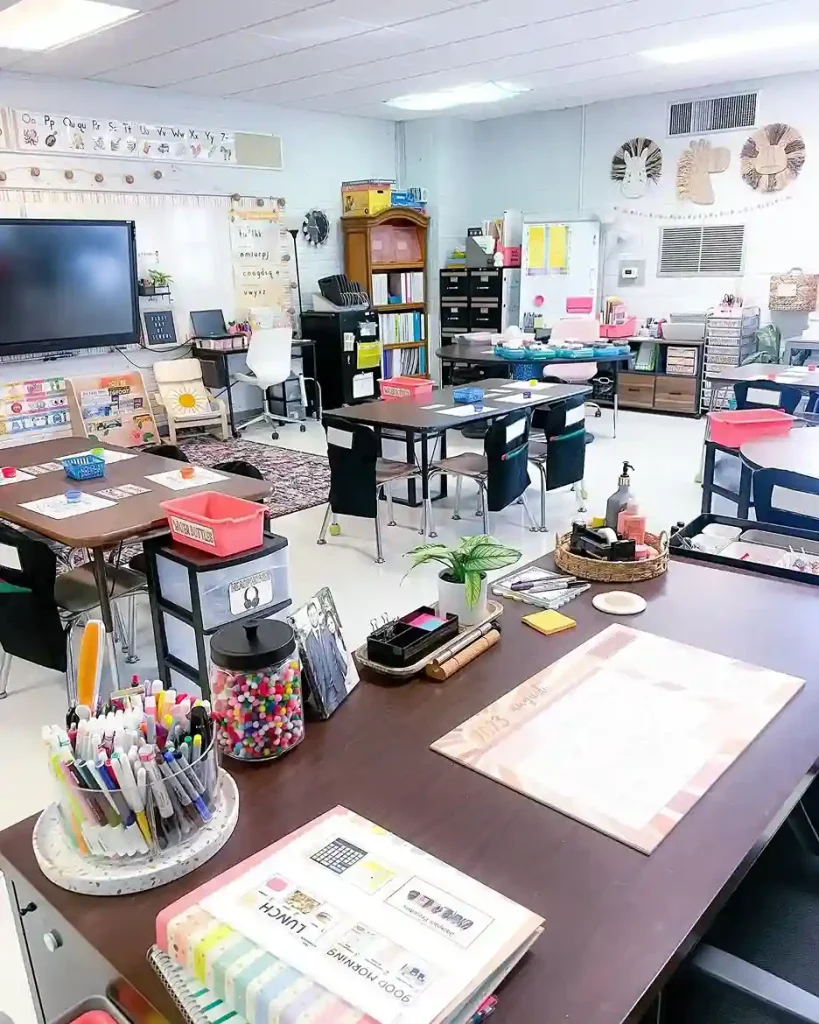
Organize teacher desk with filing system, supply organizer, and desktop storage. Well-organized teacher desks model organization for students.
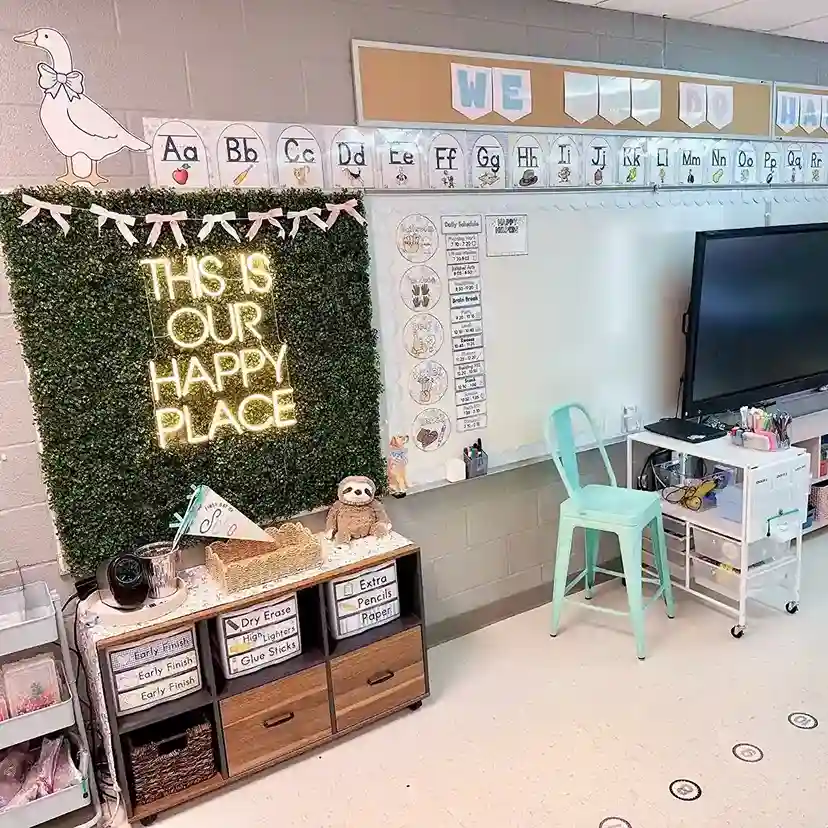
Organized teacher desks increase efficiency and reduce planning time. Visible teacher organization demonstrates professional systems worth replicating.
- Create zones on desk for work-in-progress, files, and supplies
- Keep frequently used items within immediate reach during instruction
16. Transition Station Setup
Designate stations containing materials needed for specific transitions. Organized stations reduce transition time and promote student independence.
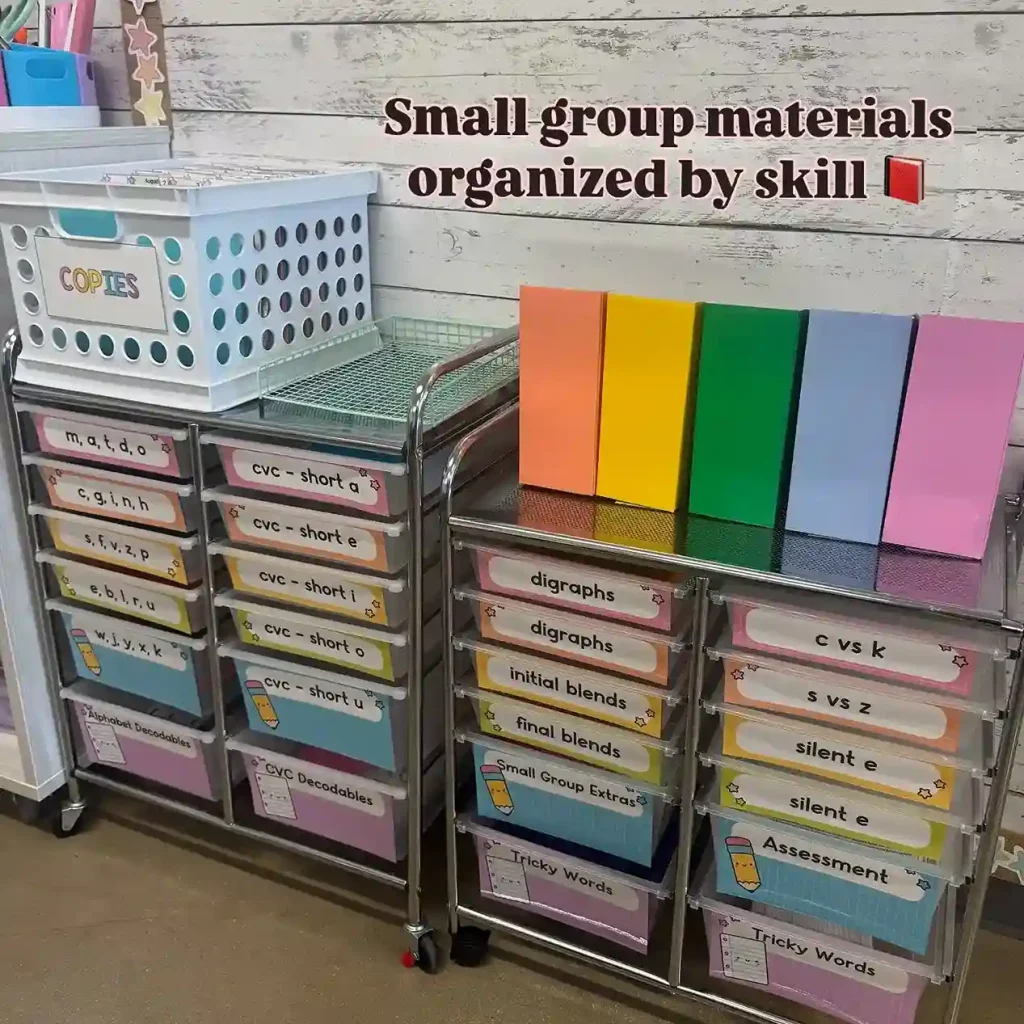
Transition stations prepare students for upcoming activities. Organized materials at stations streamline activity changes throughout day.
- Stock stations with all materials students need for upcoming activity
- Label stations clearly indicating their purpose and contents
17. Materials Cart Organization
Mobile carts organize and transport frequently accessed materials. Rolling carts increase flexibility allowing teachers to bring materials to students.
Materials carts support flexible classroom arrangements and mobility. Organized carts reduce setup time for activities and transitions.
- Use tiered carts providing multiple storage levels in compact footprint
- Label cart tiers indicating contents of each level
18. Cleaning Supply Storage
Designate safe, accessible cleaning supply storage. Organized cleaning supplies support student participation in classroom maintenance.
Accessible cleaning supplies encourage student ownership of classroom cleanliness. Organized supply storage models organizational systems for students.
- Store supplies safely away from student reach if hazardous
- Label supplies clearly indicating contents and purposes
19. Student Work Turn-In System
Create designated turn-in stations or bins for homework, assignments, and projects. Organized turn-in systems reduce lost work and simplify grading.
Clear turn-in systems help students understand submission expectations. Organized collection prevents work loss and supports grading efficiency.
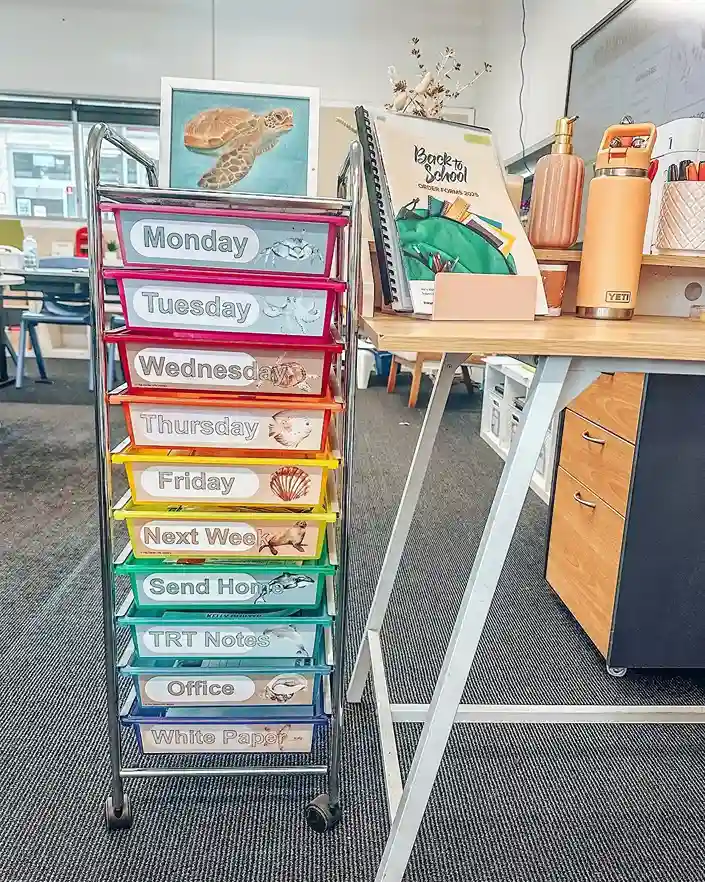
- Create separate bins for different assignment types or classes
- Label bins clearly indicating assignments and due dates
20. Assessment Tool Organization
Organize assessment materials, rubrics, and data collection tools accessibly. Organized assessment materials support efficient progress monitoring.
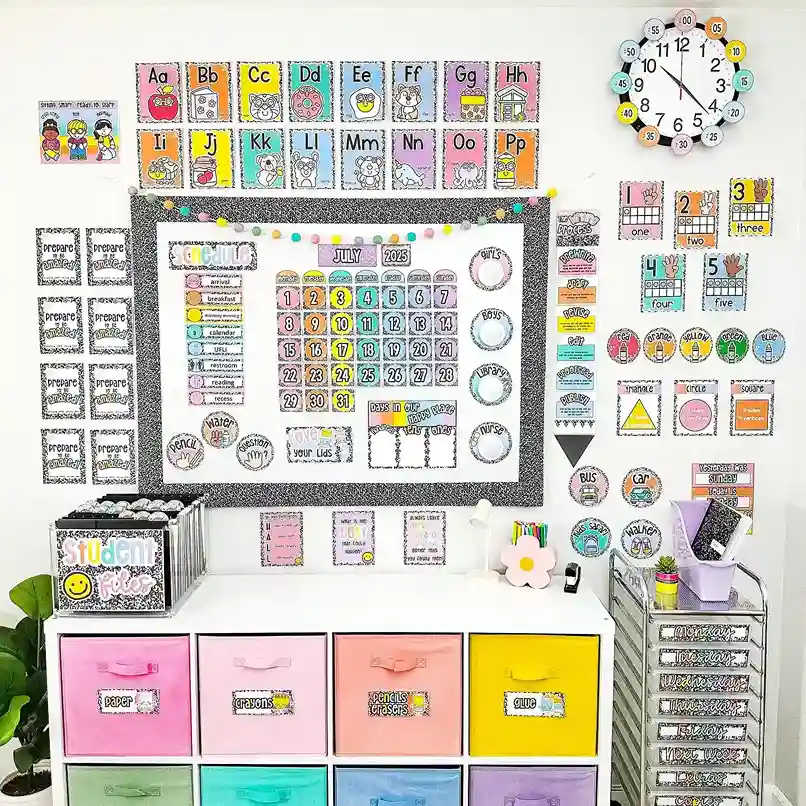
Accessible assessment tools enable quick progress tracking during lessons. Organized systems support data-driven decision making effectively.
- Store rubrics and checklists near assessment areas
- Create templates for common assessments saving preparation time
21. Manipulative and Hands-On Material Storage
Organize math manipulatives, science materials, and hands-on learning tools. Well-organized manipulatives support exploration and student independence.
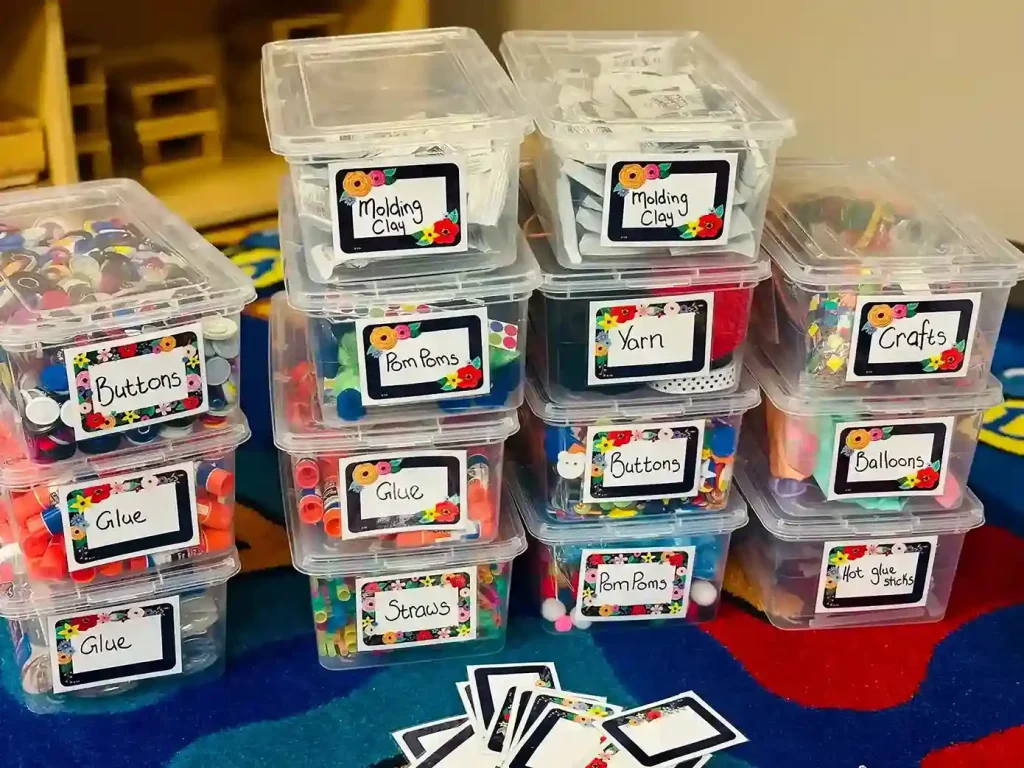
Accessible manipulatives encourage hands-on learning and student engagement. Organized storage extends material longevity through proper care.
- Use clear containers so students see available manipulatives
- Include instruction cards with containers explaining appropriate use
22. Technology Equipment Organization
Store technology items, chargers, and cables in designated locations. Organized technology storage prevents loss and extends equipment lifespan.
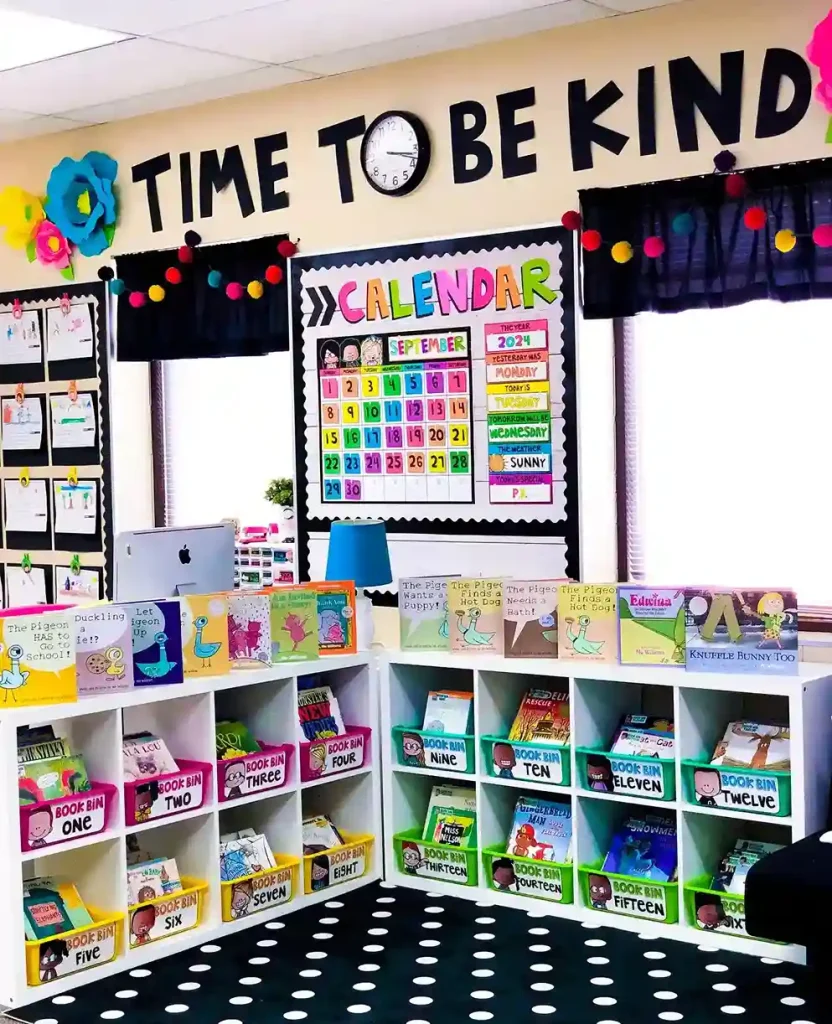
Accessible technology encourages integration into lessons. Organized storage systems prevent tangled cords and missing equipment.
- Label cables and chargers matching them with correct devices
- Create charging station with organized cord management system
23. Art Supply Organization
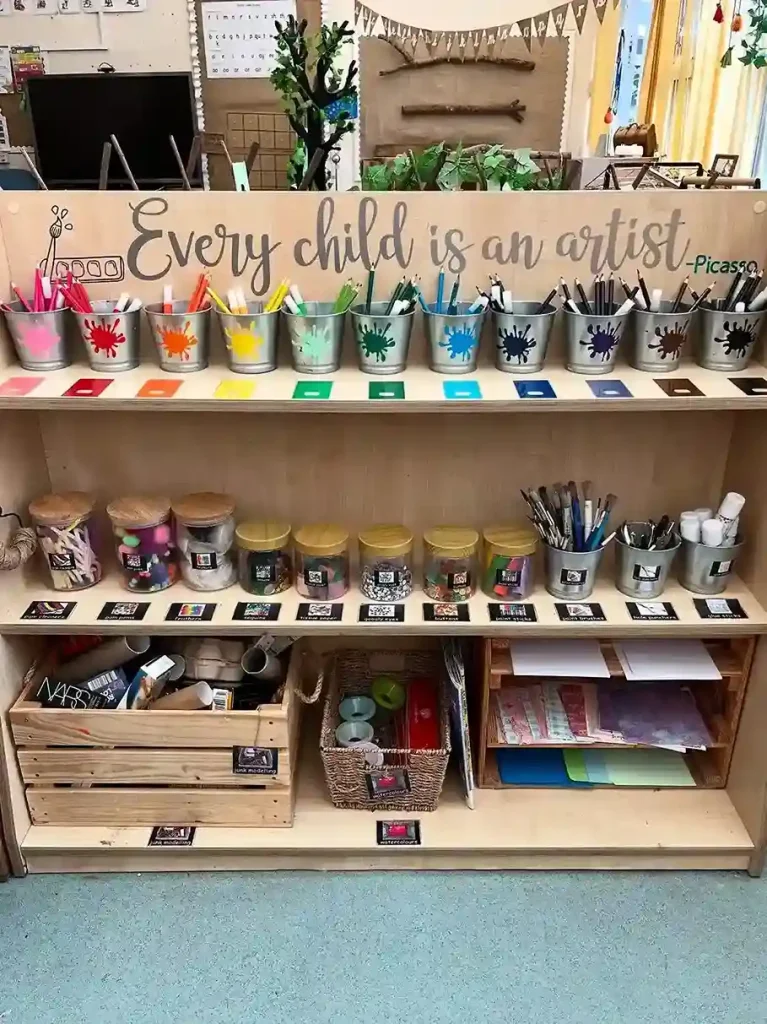
Arrange paint, markers, crayons, and art materials accessibly. Organized art supplies inspire creativity while preventing waste and loss.
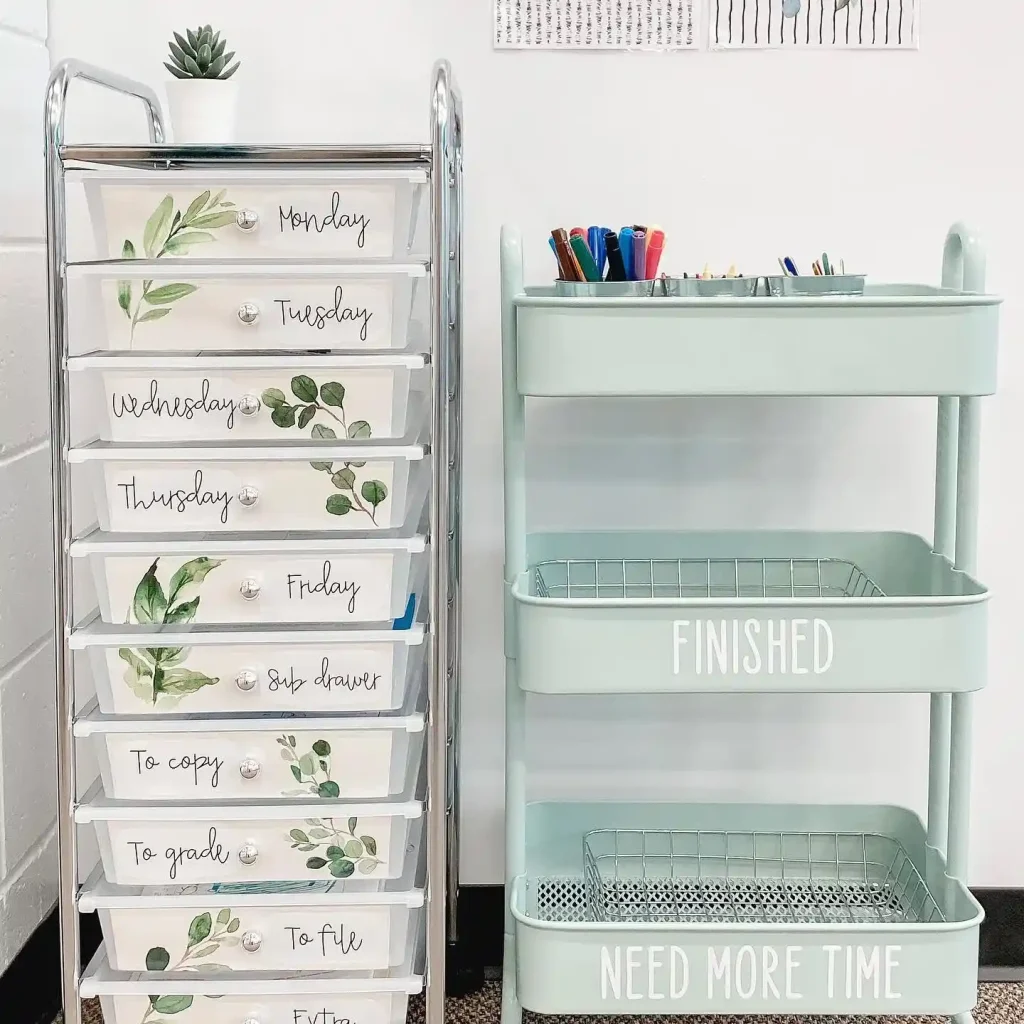
Accessible art materials encourage artistic exploration and creation. Organized supplies reduce setup time for art activities.
- Use divided containers separating similar colors or supplies
- Keep lids and caps organized with matching containers
24. Behavior Management System Organization
Store reward items, incentive tickets, or behavior tracking tools systematically. Organized systems support consistent behavior management implementation.
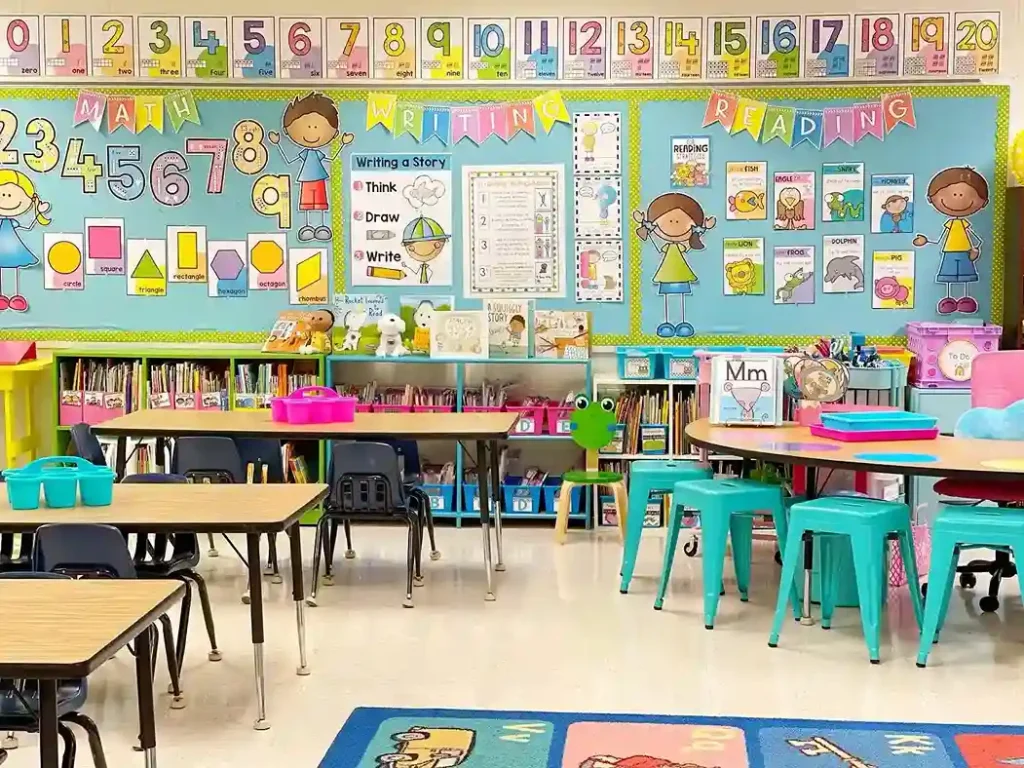
Accessible behavior tools enable quick implementation during instruction. Organized systems support positive reinforcement administration efficiently.
- Store rewards securely preventing unauthorized access
- Create inventory system tracking reward availability and usage
25. Literacy Materials Organization
Organize phonics materials, sight words, and reading resources by skill. Categorized literacy materials support differentiated reading instruction.
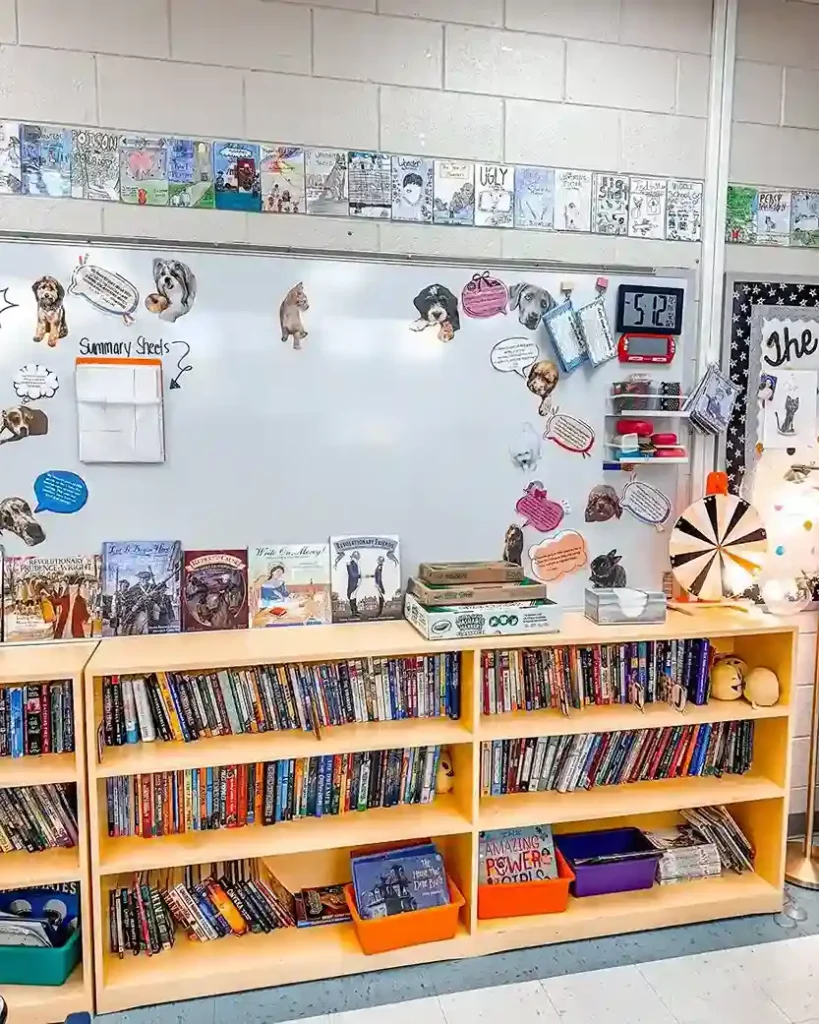
Organized literacy materials enable quick lesson preparation. Accessible materials support independent reading practice.
- Group materials by phonetic pattern or skill level
- Include visuals supporting non-reader access to materials
26. Math Materials Organization
Store math worksheets, games, and practice materials by concept. Organized math materials support skill-based practice and review.
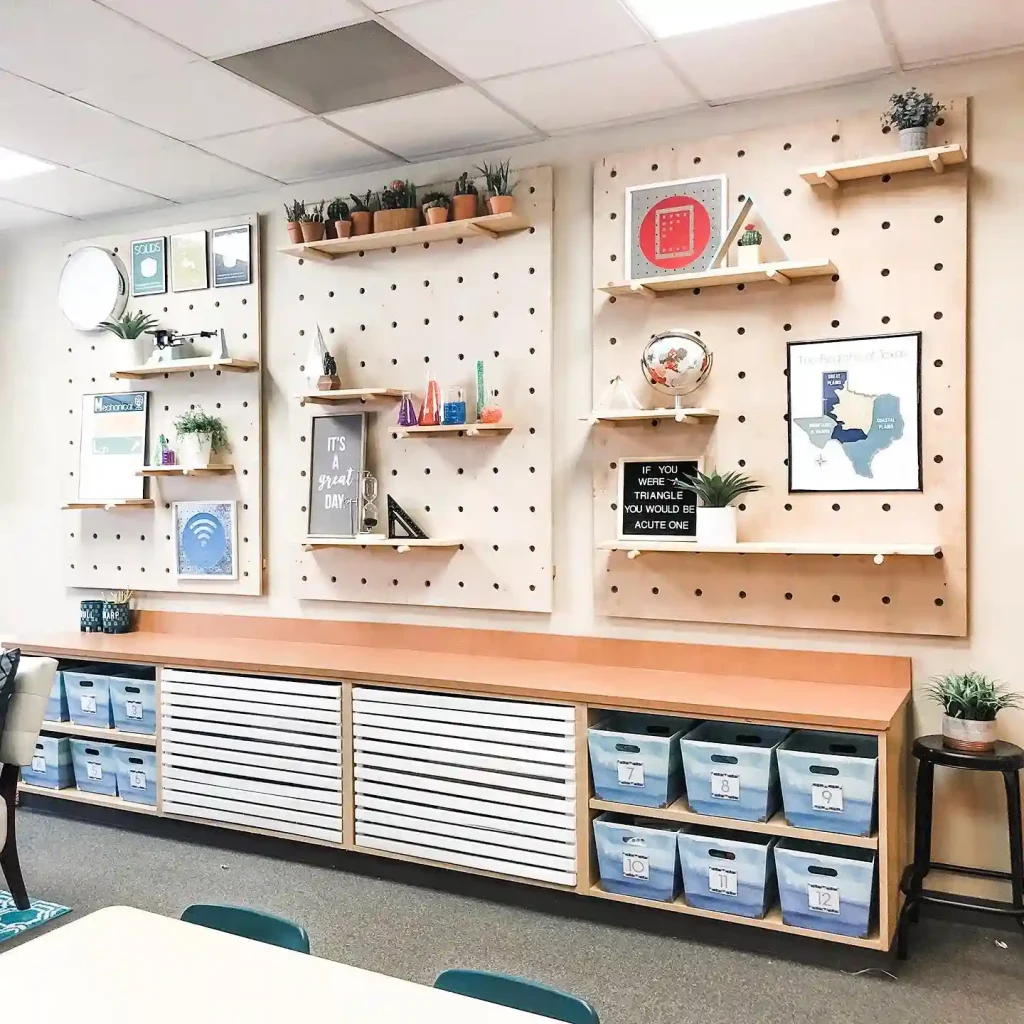
Accessible math materials encourage independent practice. Organized storage enables quick supplemental activity access.
- Label materials by skill or grade standard supporting differentiation
- Include answer keys with materials for student self-checking
27. Science Investigation Kits
Organize science materials in labeled kits supporting investigations. Pre-assembled science kits reduce setup time and encourage exploration.
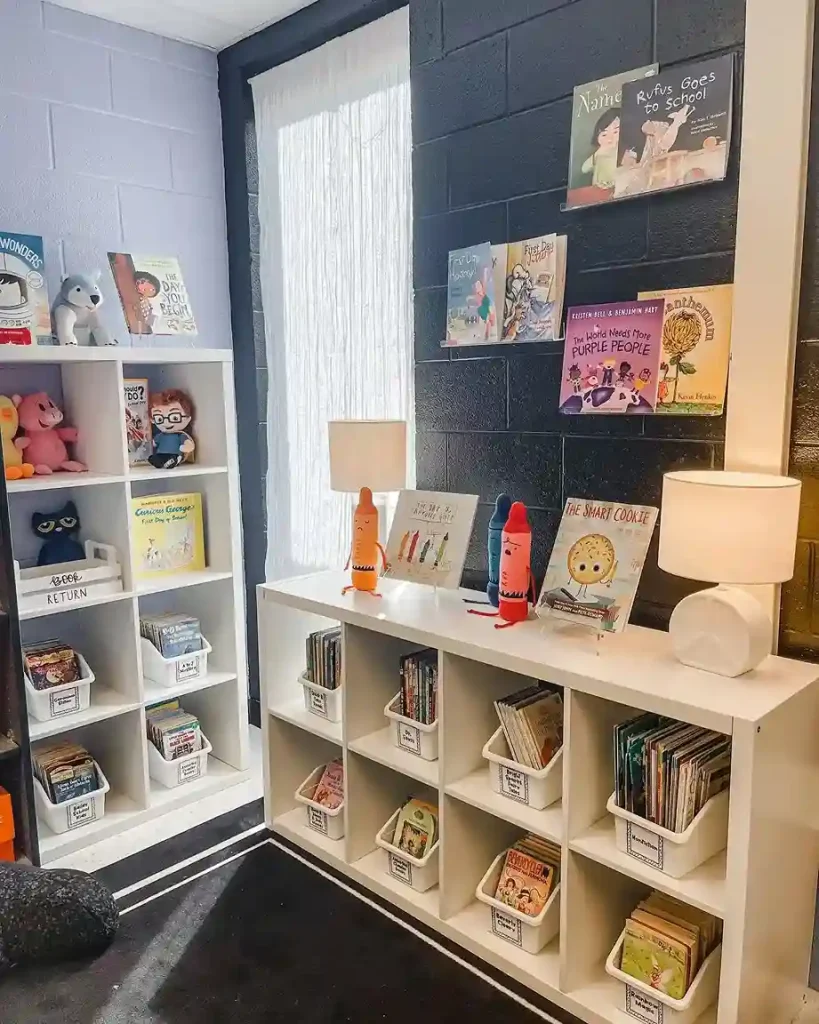
Organized science materials support hands-on learning. Pre-assembled kits promote student independence in investigations.
- Include all materials needed for each investigation in kit containers
- Add instruction cards explaining safe procedures and expectations
28. Writing Center Organization
Organize writing paper, editing tools, and publication materials. Well-organized writing centers encourage independent writing and revision.
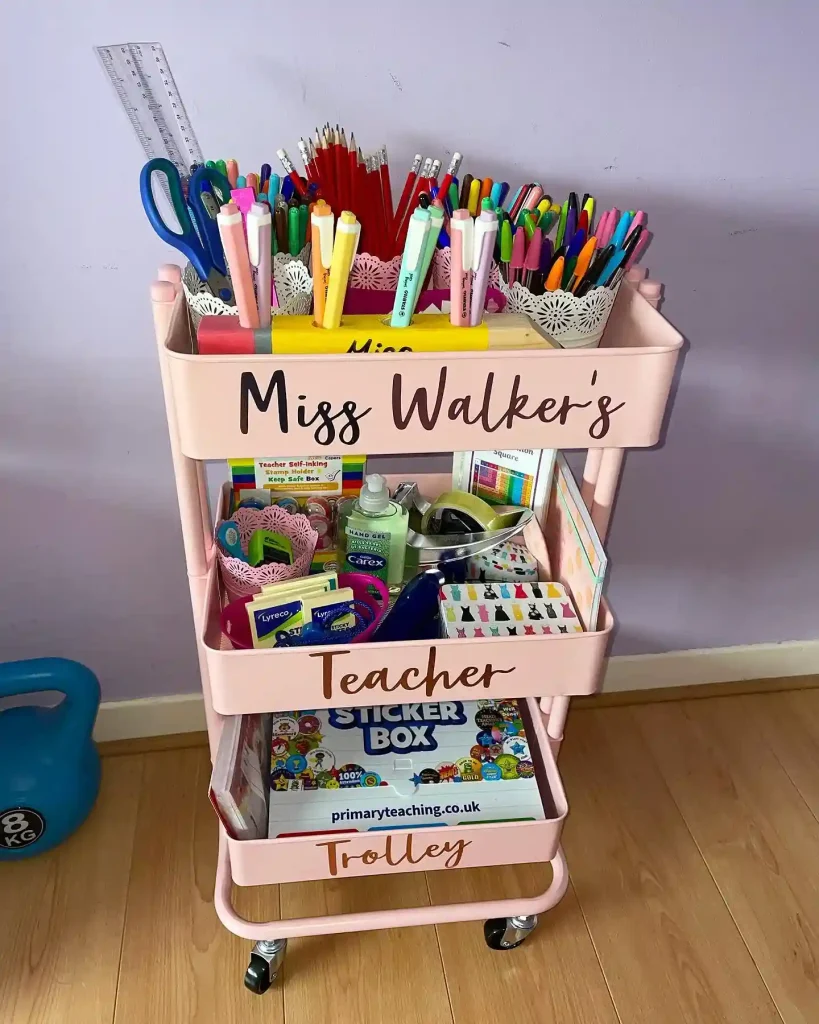
Accessible writing materials support writing process instruction. Organized centers inspire student writing confidence and independence.
- Provide various paper types supporting different writing purposes
- Include editing checklists and reference materials for student use
29. Reading Comprehension Strategy Display
Organize and display reading strategy posters and reference materials. Visible strategy reminders support student application during independent reading.
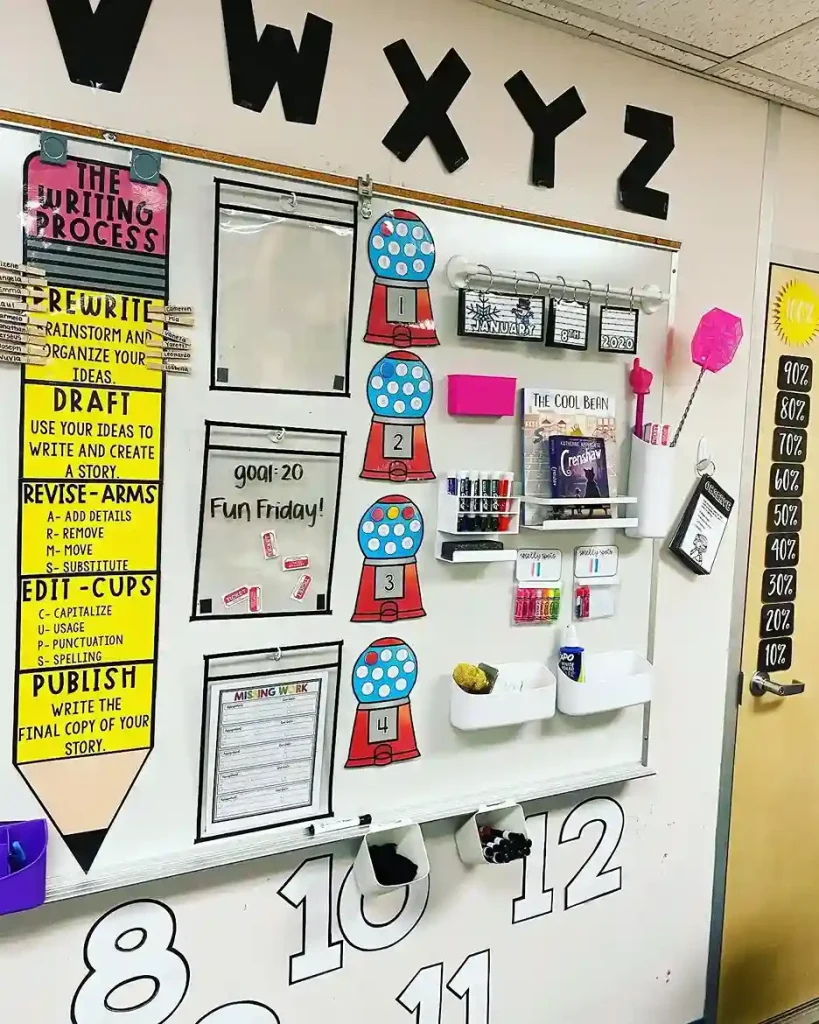
Strategy displays support student metacognition and comprehension. Organized displays help students locate relevant strategies during reading.
- Arrange strategies logically by comprehension skill or reading stage
- Include visual examples showing strategy application
30. Bulletin Board Storage Organization
Store bulletin board materials, borders, and decorations systematically. Organized bulletin materials reduce setup time for regular updates.
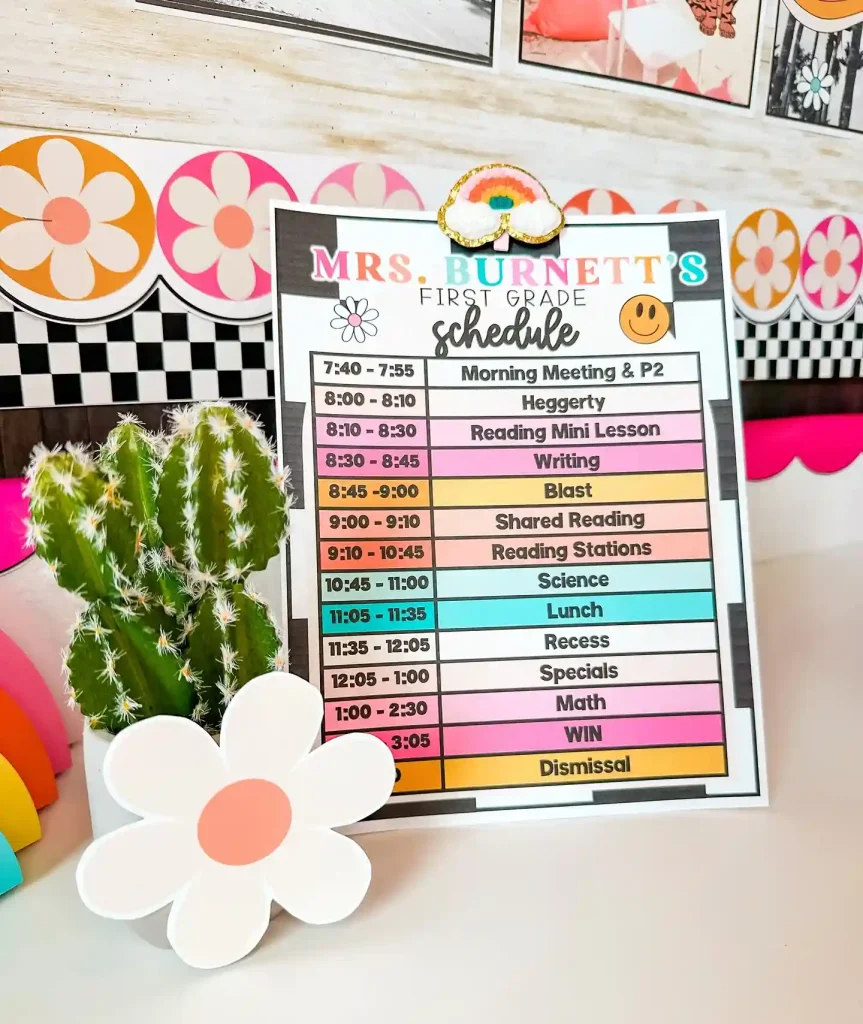
Accessible bulletin materials enable frequent refreshing. Organized storage prevents material waste and loss.
- Use labeled containers separating materials by season or theme
- Store flat materials preventing creasing and damage
31. Substitute Teacher Binder Organization
Prepare comprehensive substitute binders containing lesson plans, routines, and resources. Organized substitute materials enable continuity during absences.
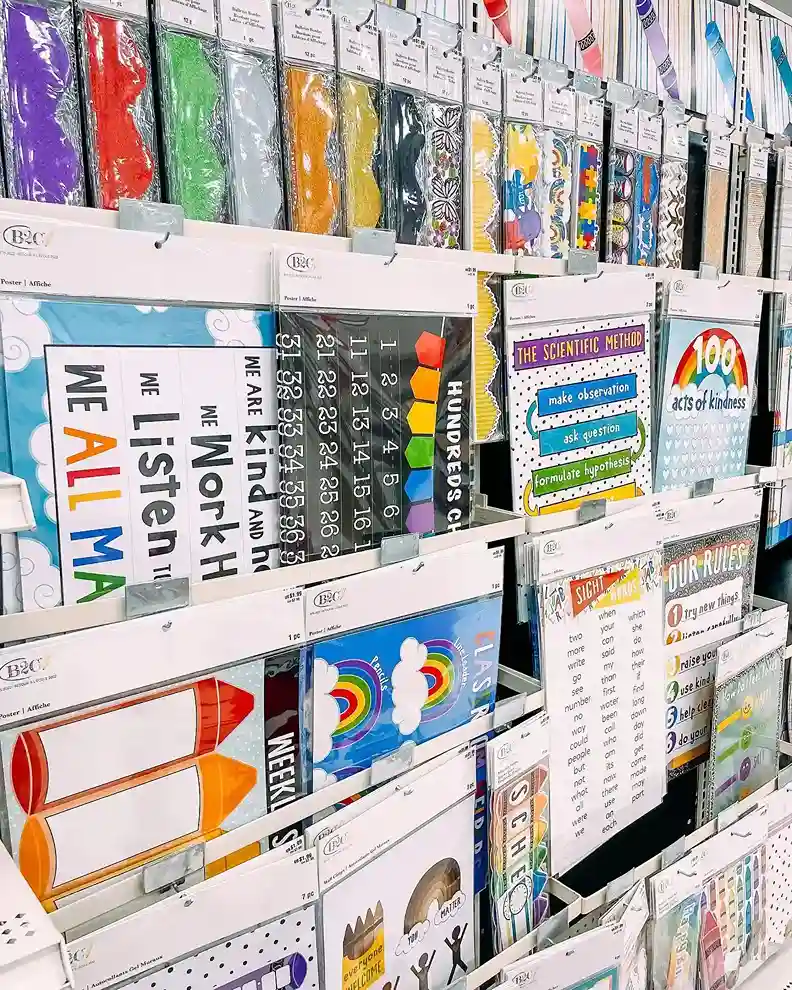
Well-organized substitute materials support smooth classroom operation. Detailed systems increase substitute confidence and effectiveness.
- Include daily schedules, routines, and emergency contacts prominently
- Provide lesson plans with accessible materials locations
32. Parent Communication Organization
Organize communication templates, class newsletters, and family information. Systematic communication supports positive home-school partnerships.
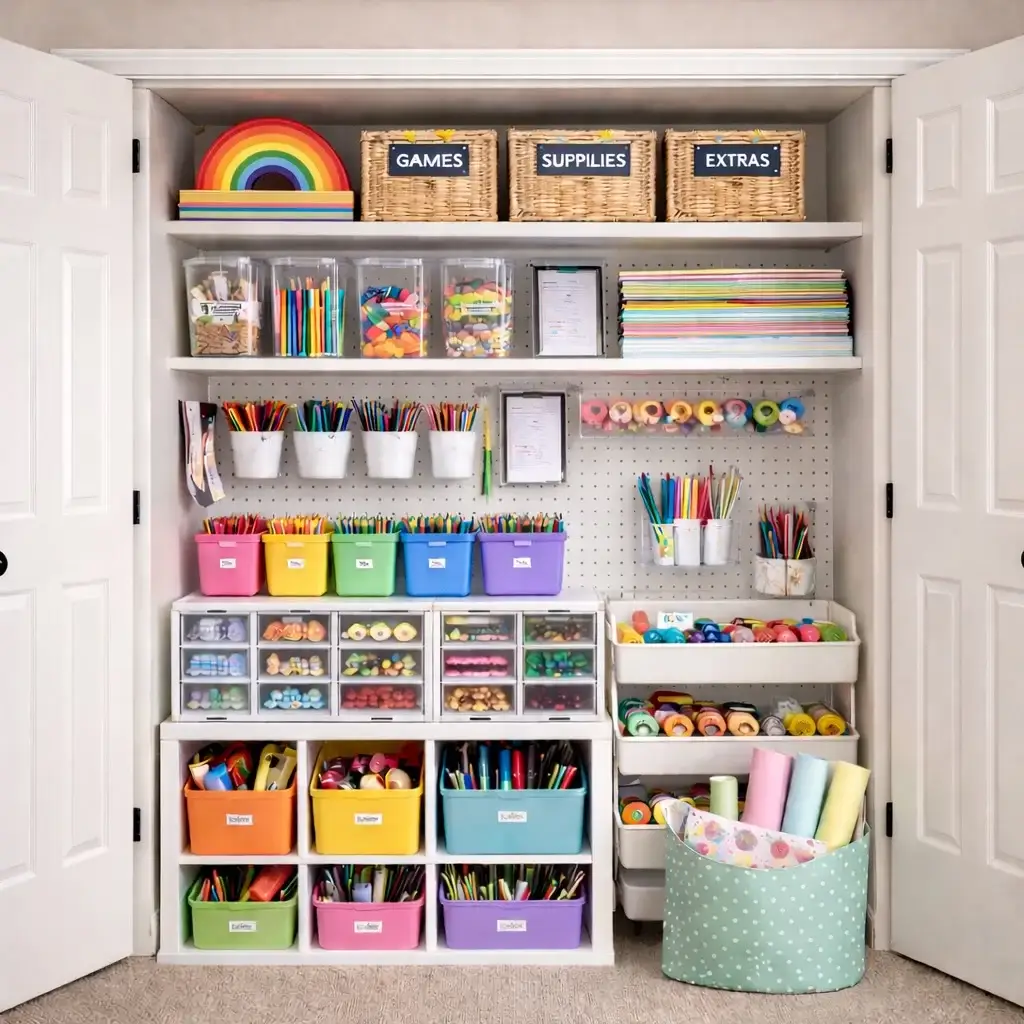
Organized communication systems ensure timely information sharing. Accessible templates reduce preparation time for regular updates.
- Create templates for common communications saving time
- Maintain contact information organized and current
33. End-of-Year Organization and Storage
Organize classroom materials for summer storage and next-year setup. Systematic organization enables smooth transitions between school years.
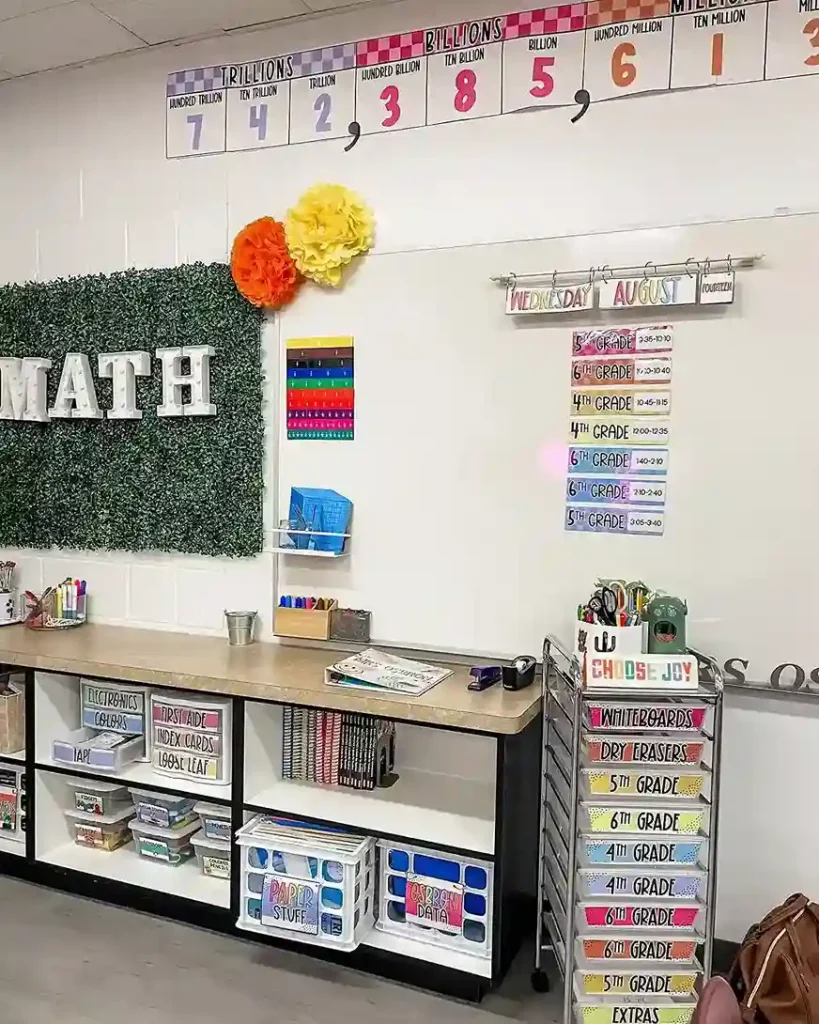
Well-organized storage prevents material loss during summer. Organized systems reduce fall setup time and stress.
- Inventory materials before storing and document locations
- Store off-season items safely preventing damage and deterioration
Frequently Asked Questions
How can I organize a classroom with limited storage space?
Maximize vertical storage through wall shelves and pegboards. Use under-table areas, door organizers, and multi-purpose furniture with built-in storage. Regular decluttering prevents accumulation of unnecessary materials.
What’s the best way to teach students to maintain organization?
Model organizational procedures explicitly and practice them regularly. Create visual systems supporting independent material access. Assign student classroom jobs including organization responsibilities. Provide positive reinforcement celebrating organizational success.
How should materials be organized for substitute teachers?
Organize materials in clearly labeled locations with substitute binders. Include classroom procedures, emergency contacts, and lesson plans. Label all materials with their location and purpose. Provide organization tour or video for substitutes.
How often should classroom organization systems be updated?
Review and update organization monthly or quarterly. Changes can occur based on curriculum focus, seasonal shifts, or identified inefficiencies. Regular maintenance prevents accumulation and disorganization creep throughout year.
Organization Implementation Timeline
August/September:
- Establish basic organizational systems before students arrive
- Create labels and signage for all storage areas
- Set up student supply systems and classroom procedures
- Model organizational expectations repeatedly initially
October-November:
- Refine systems based on early-year observations
- Establish routines around maintenance and restocking
- Train students on proper organizational procedures
- Assess system effectiveness and adjust as needed
December-January:
- Reorganize based on semester needs and curriculum shifts
- Declutter and redistribute materials as needed
- Refresh labels and organizational displays
- Prepare for second-semester adjustments
February-April:
- Continue seasonal updates to organizational systems
- Add new materials and resources as curricula progress
- Maintain consistent organizational standards
- Prepare for end-of-year materials management
May-June:
- Inventory materials for summer storage
- Organize classroom for next school year
- Pack away seasonal and special materials
- Document material locations for fall retrieval
Organization Best Practices Checklist
Daily Practices:
- Students return materials to correct locations
- Surfaces cleared at end of day
- Supplies restocked as needed
- Work areas ready for next day
Weekly Practices:
- Deep clean storage areas and shelves
- Restock frequently used supplies
- Organize accumulated papers and materials
- Check inventory levels for low supplies
Monthly Practices:
- Review and update organizational systems
- Assess system effectiveness and make adjustments
- Reorganize problem areas requiring better systems
- Update labels and signage as needed
Seasonal Practices:
- Switch out seasonal materials and decorations
- Reorganize for curriculum shifts
- Declutter accumulated materials
- Prepare for upcoming unit organization
Organization Tools and Resources
Digital Organization:
- Online class management systems
- Google Drive for document organization
- Digital assignment management platforms
- Spreadsheet tracking systems
Physical Organization Tools:
- Clear plastic containers and bins
- Label makers for professional labeling
- Wall-mounted shelving and pegboards
- Rolling storage carts for mobility
Planning Resources:
- Organization planning templates
- Supply inventory checklists
- Classroom layout planners
- Organization systems guides
Transform your classroom into an efficiently organized learning space supporting student success. Visit MotifSpace.com for more organization and home interior design ideas applicable to educational settings. Explore guides on storage solutions, space organization, and functional design to inspire your classroom transformation. Create organized spaces where teaching and learning thrive efficiently.