Are you considering adding a kitchen to your basement but unsure where to start or if it’s even practical? Do you need cooking facilities for a rental unit, in-law suite, or simply want the convenience of a second kitchen near entertainment spaces?
Basement kitchens solve real problems for multigenerational households, Airbnb hosts, families with teenagers, or homeowners wanting self-contained lower-level living spaces that don’t require constant trips upstairs for snacks and meals.
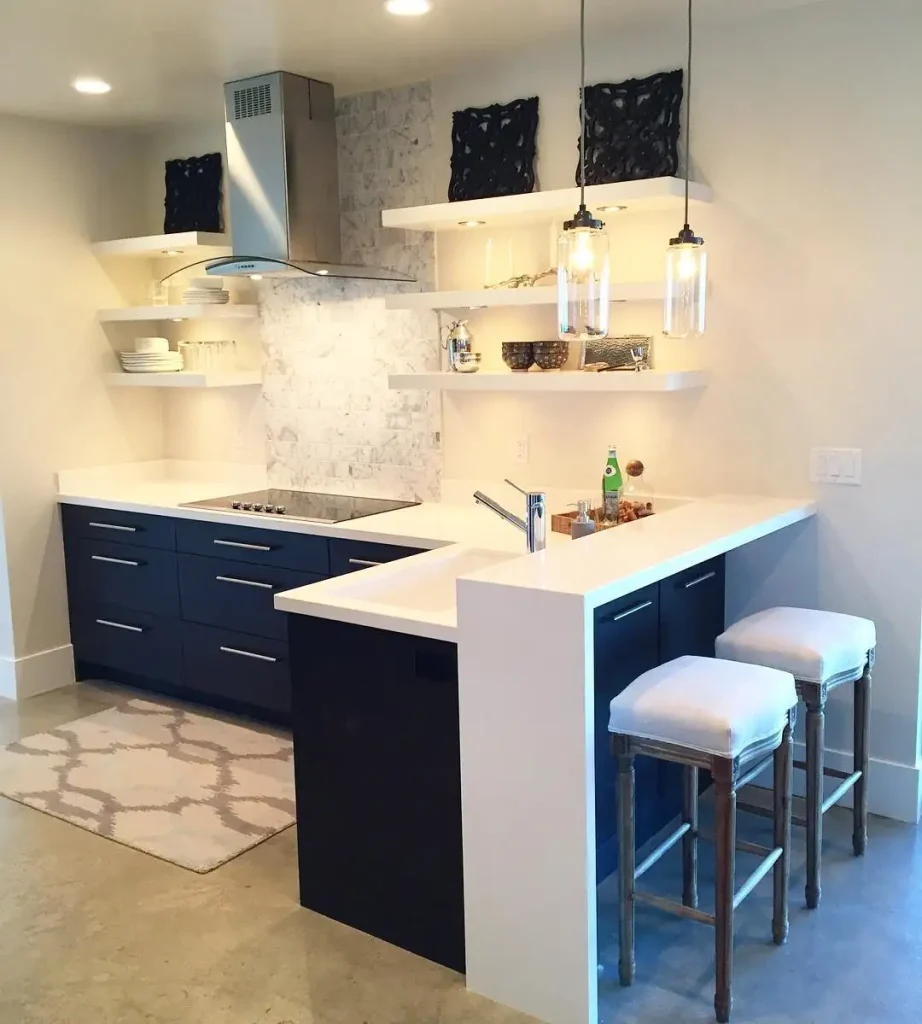
Source: @remodelaholic
While basement kitchens present unique challenges including plumbing installation, ventilation requirements, moisture control, and building codes, they add substantial functionality and home value when properly executed.
These secondary cooking spaces range from simple kitchenettes with mini-fridges and microwaves costing $3,000-$8,000 to full kitchens with complete appliances and custom cabinetry running $15,000-$50,000.
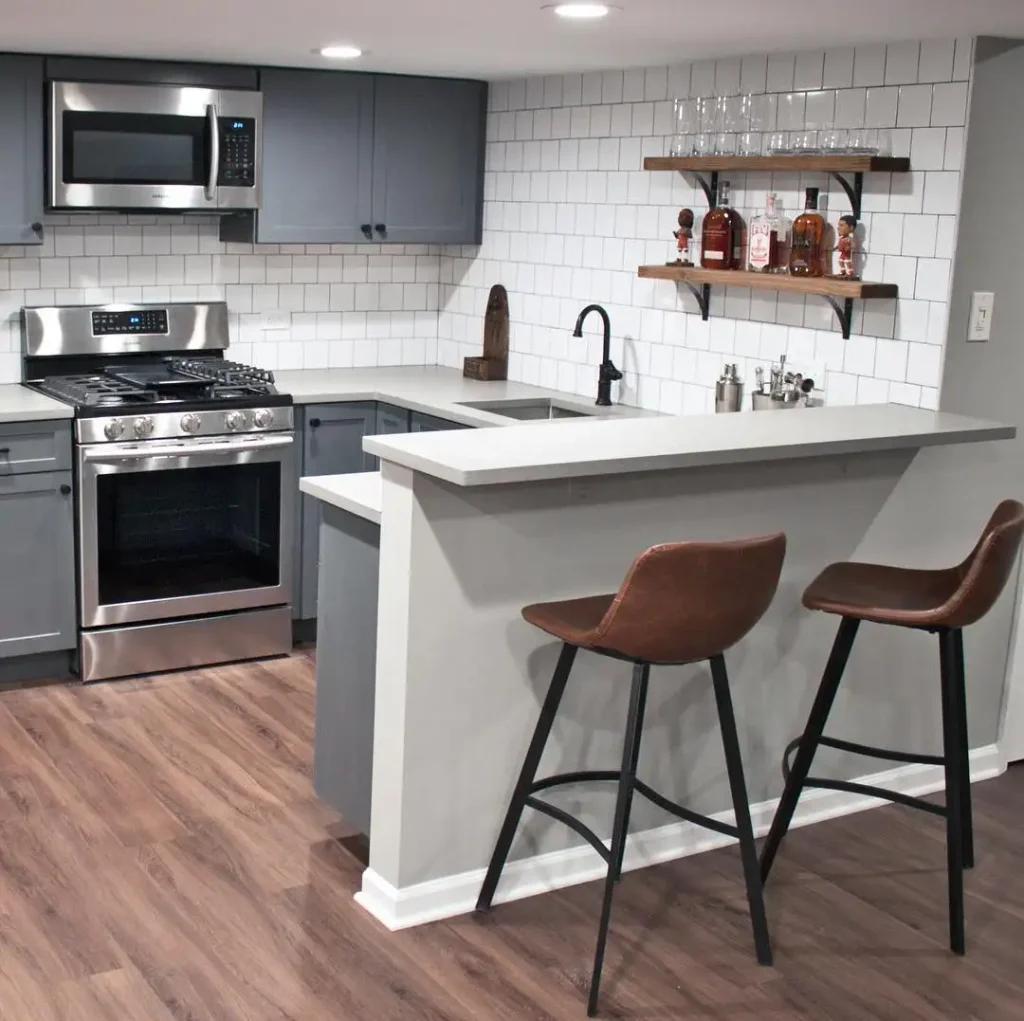
Source: @esslingerdesigncompany
Whether you’re creating income-generating rental units or simply want convenient basement refreshment centers, these 23 basement kitchen ideas prove that thoughtful design creates functional cooking spaces that serve families beautifully despite below-grade challenges.
1. Basic Kitchenette with Essentials
Create minimal cooking spaces with compact refrigerators, microwaves, coffee makers, and small sinks providing refreshment capabilities without full kitchens. Include open shelving or simple cabinets storing dishes, snacks, and beverages. This affordable approach costs $3,000-$8,000, perfect for entertainment spaces where guests need drink access without requiring complete meal preparation facilities that might never be used regularly. Check our guide basement remodel guide to learn about remodeling of basement.
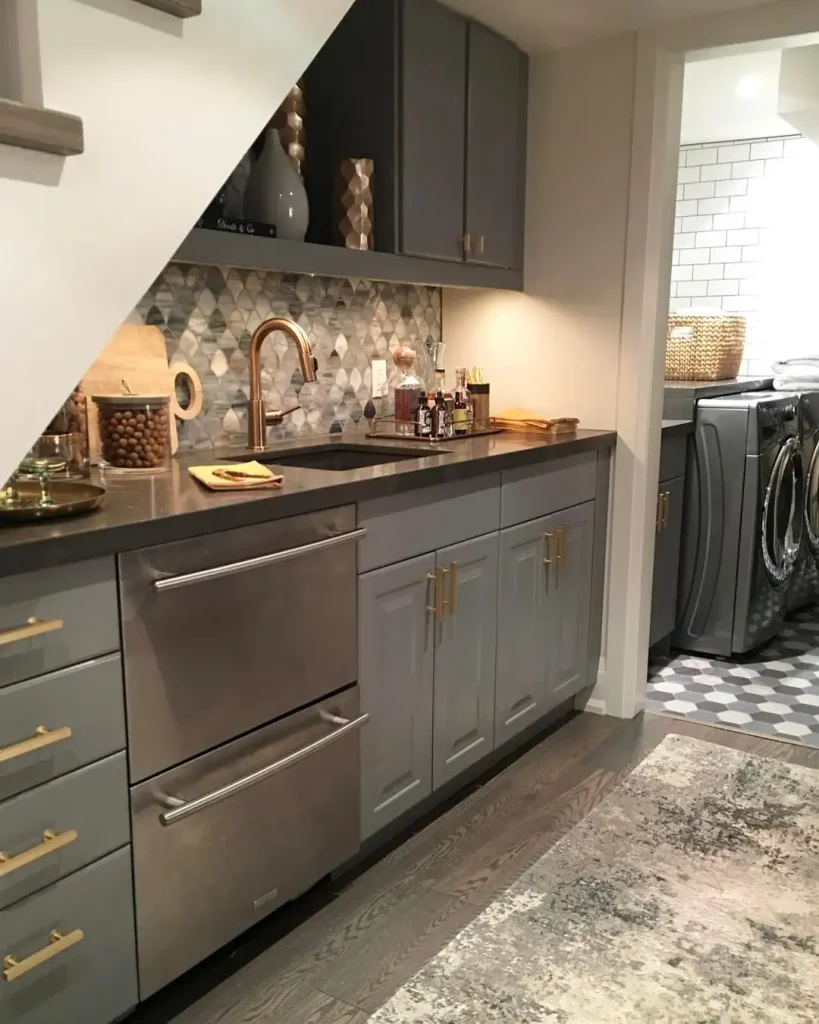
Source: @feasbyandbleeksdesign
2. Sophisticated Beverage and Refreshment Station
Design sophisticated wet bars featuring high-end beverage refrigerators, specialized drink chillers, ice makers, sinks, and attractive cabinetry to create an upscale entertaining space. Incorporate glass-front cabinets to display premium glassware, under-cabinet LED lighting for ambiance, and durable countertops perfectly suited for drink preparation and serving. For bar design inspiration, see our coffee bar ideas guide.
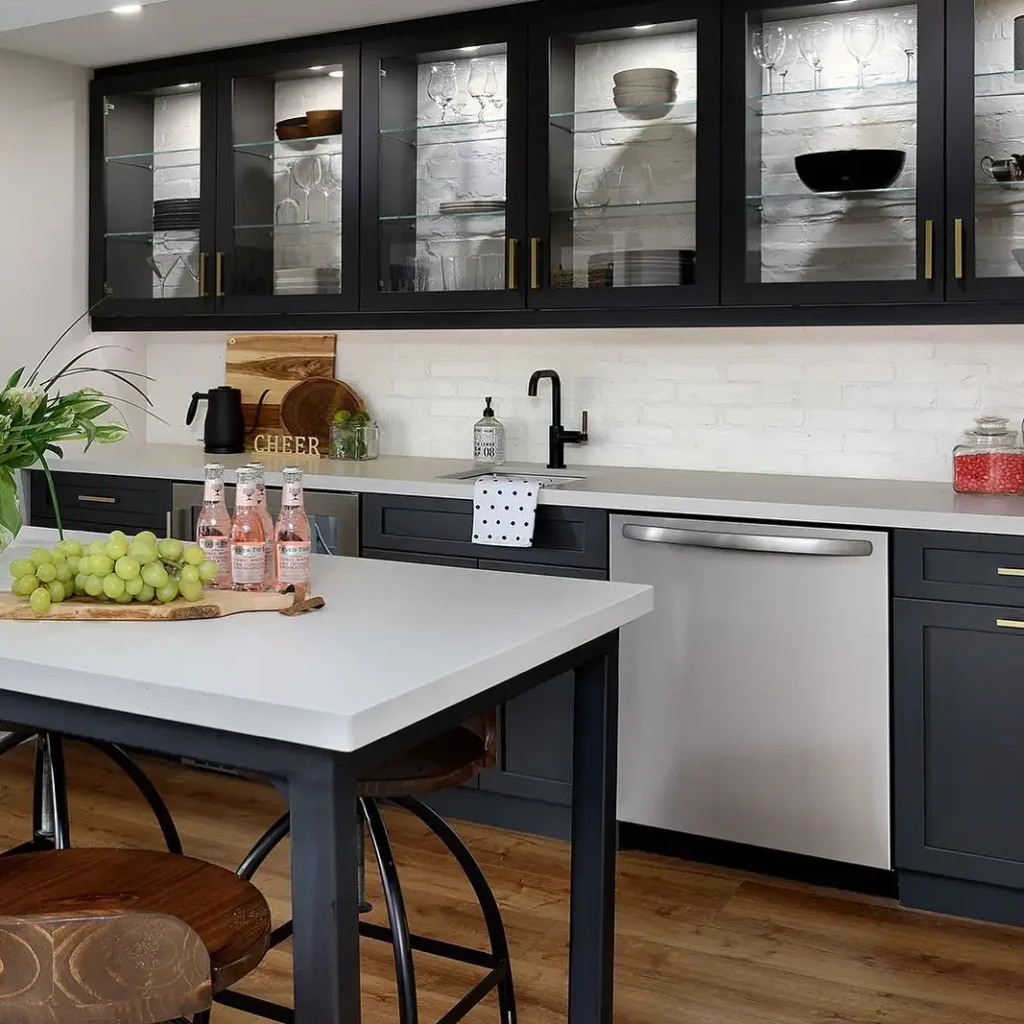
3. Studio Apartment Full Kitchen
Install complete kitchens with full-size appliances, ample cabinetry, and functional work triangles creating self-contained rental units. Include ranges or cooktops, full refrigerators, dishwashers, and adequate prep space supporting independent living. Budget $15,000-$35,000 for quality installations attracting tenants while providing cooking capabilities rivaling main-level kitchens in functionality and convenience. For the lower apartment kitchen decor you would like to read our guide.
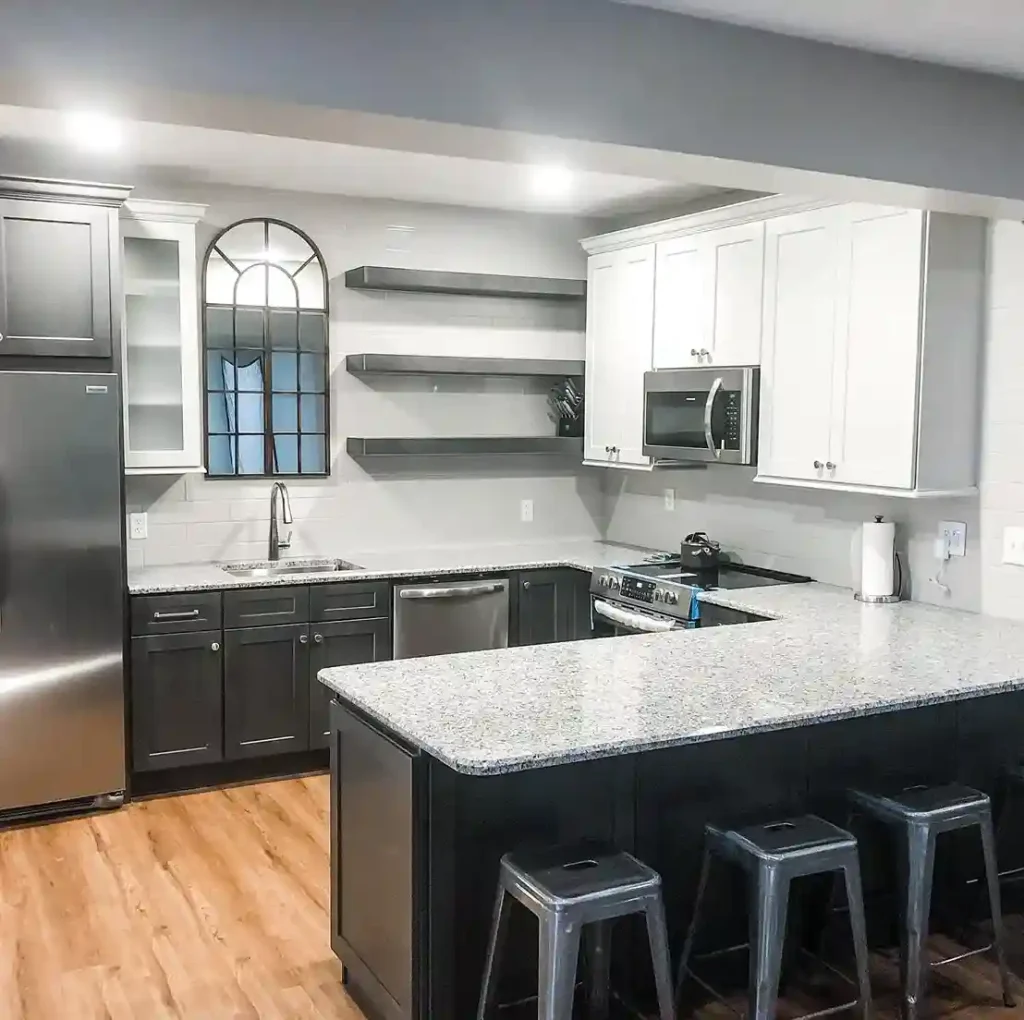
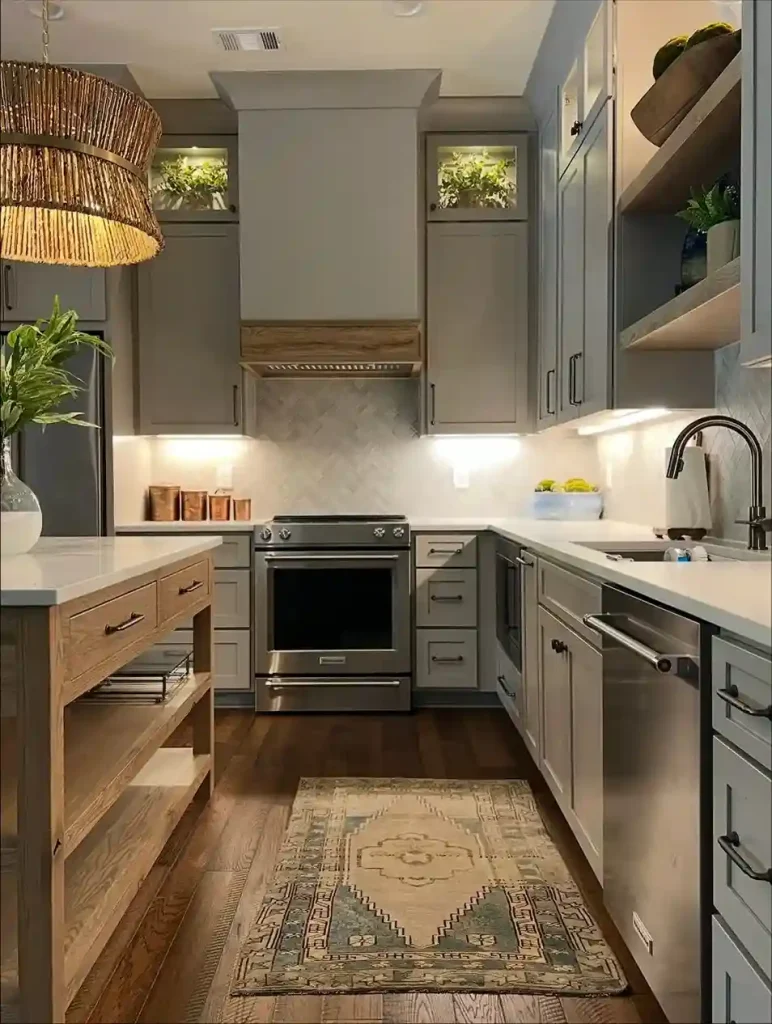
4. In-Law Suite Kitchen
Create comfortable cooking spaces for aging parents or adult children with accessible appliances, easy-to-reach storage, and safety features like anti-scald faucets and slip-resistant flooring. Include pull-out shelves, lever-style faucets, and adequate lighting supporting independent living. The thoughtful design allows multigenerational households to coexist harmoniously while maintaining everyone’s autonomy and dignity through separate cooking facilities.
Source: @housedressinginteriors
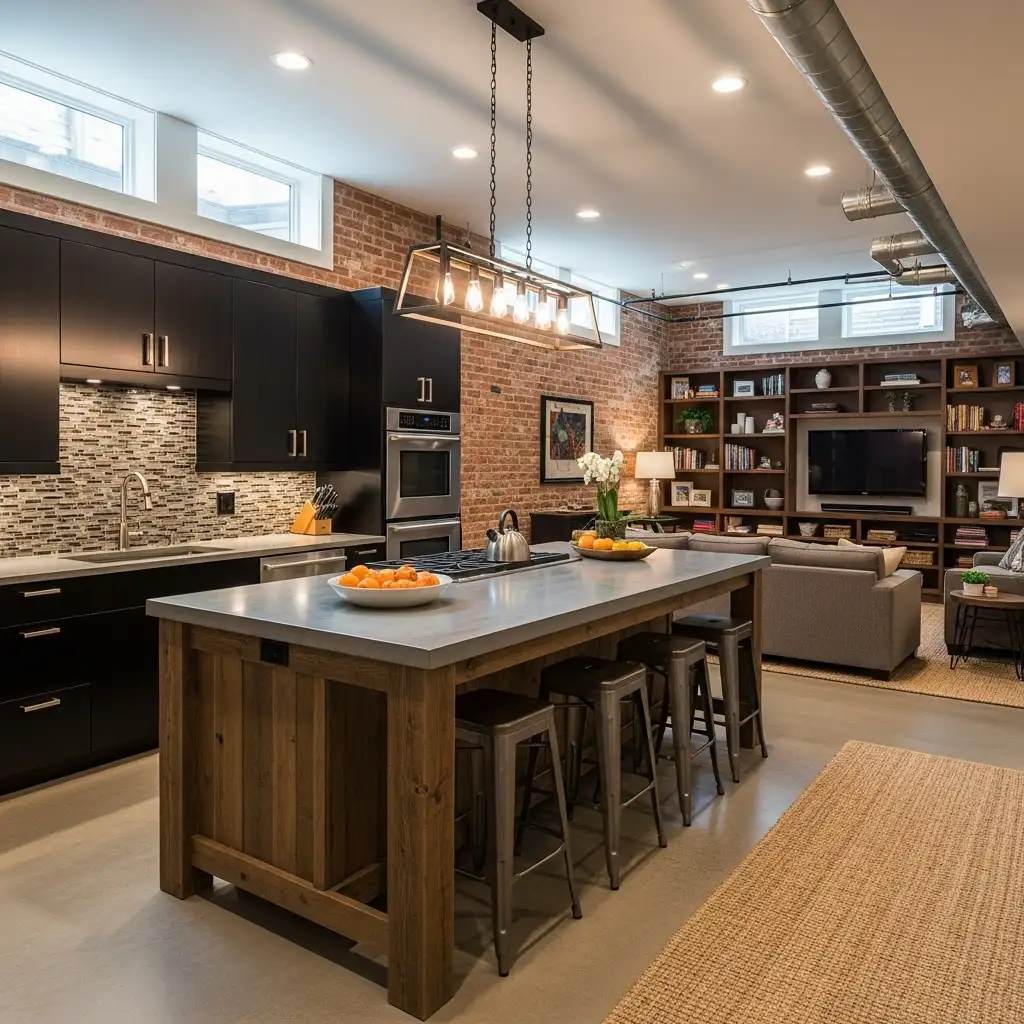
5. Open-Concept Kitchen and Living
Design flowing spaces integrating kitchens with adjacent living areas through kitchen islands, breakfast bars, or peninsula counters creating natural gathering points. The open layout maximizes limited basement square footage while encouraging interaction between cooking and relaxing zones. Include bar seating allowing conversation between cooks and guests, making basement entertaining more social and connected. Visit our living room and dining room combo ideas for open concept inspiration.
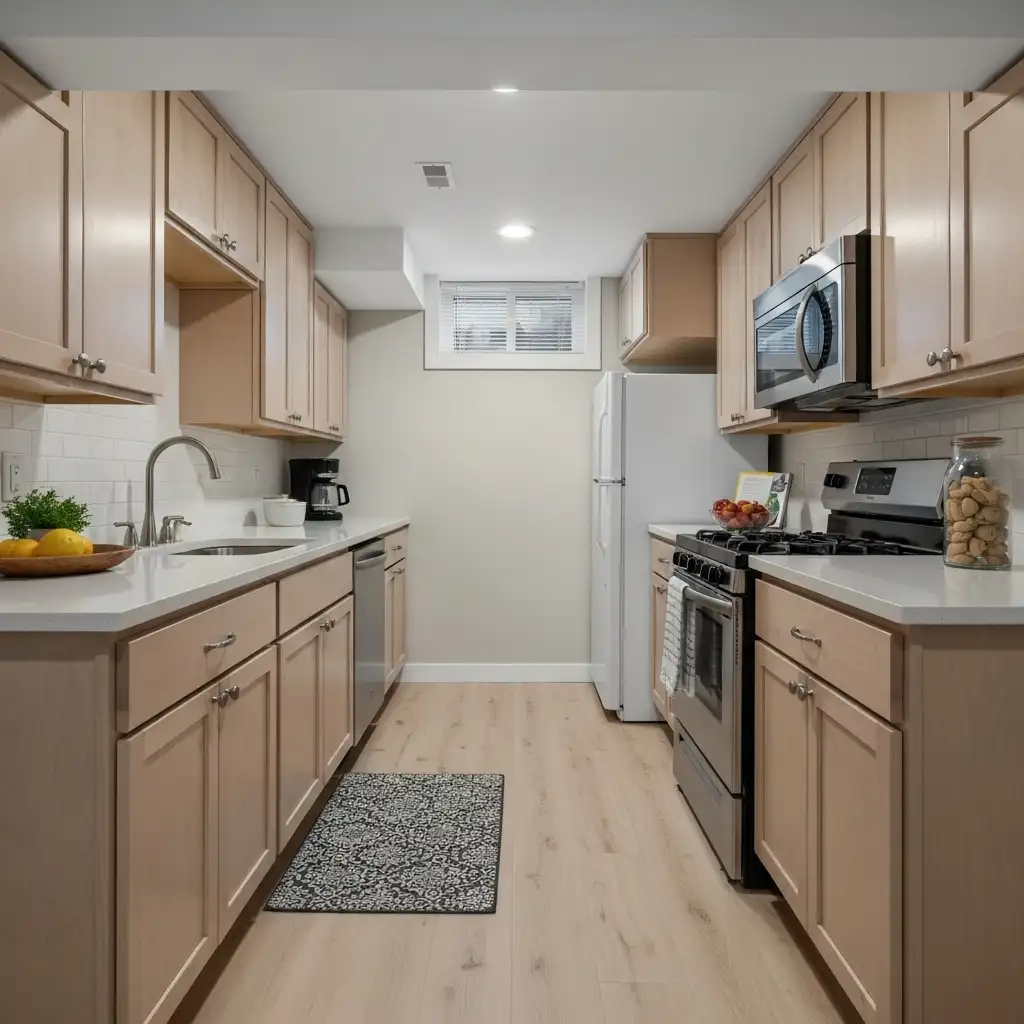
6. Compact Galley Kitchen
Maximize efficiency through galley layouts placing appliances and work surfaces along parallel walls creating efficient work triangles in narrow spaces. This space-saving configuration works beautifully in smaller basements where square footage limitations require thoughtful planning. Include overhead cabinetry on both walls maximizing storage while maintaining clear central walkways that don’t feel cramped despite compact dimensions.
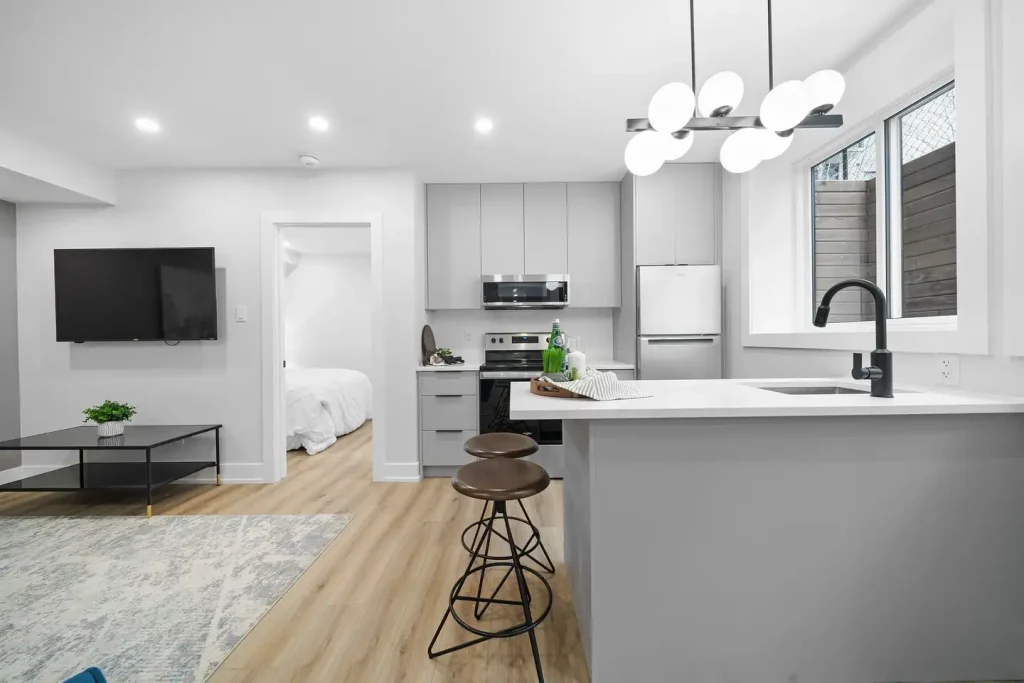
7. Modern Minimalist Design
Embrace clean-lined contemporary aesthetics through flat-panel cabinets, integrated appliances, minimal hardware, and neutral color palettes creating sophisticated simplicity. Choose handle-less cabinets with push-to-open mechanisms, concealed appliances, and streamlined countertops maintaining uncluttered appearances. The modern approach works beautifully in basements where simplicity helps small spaces feel larger and more intentional.
Source: @megafinecabinetry
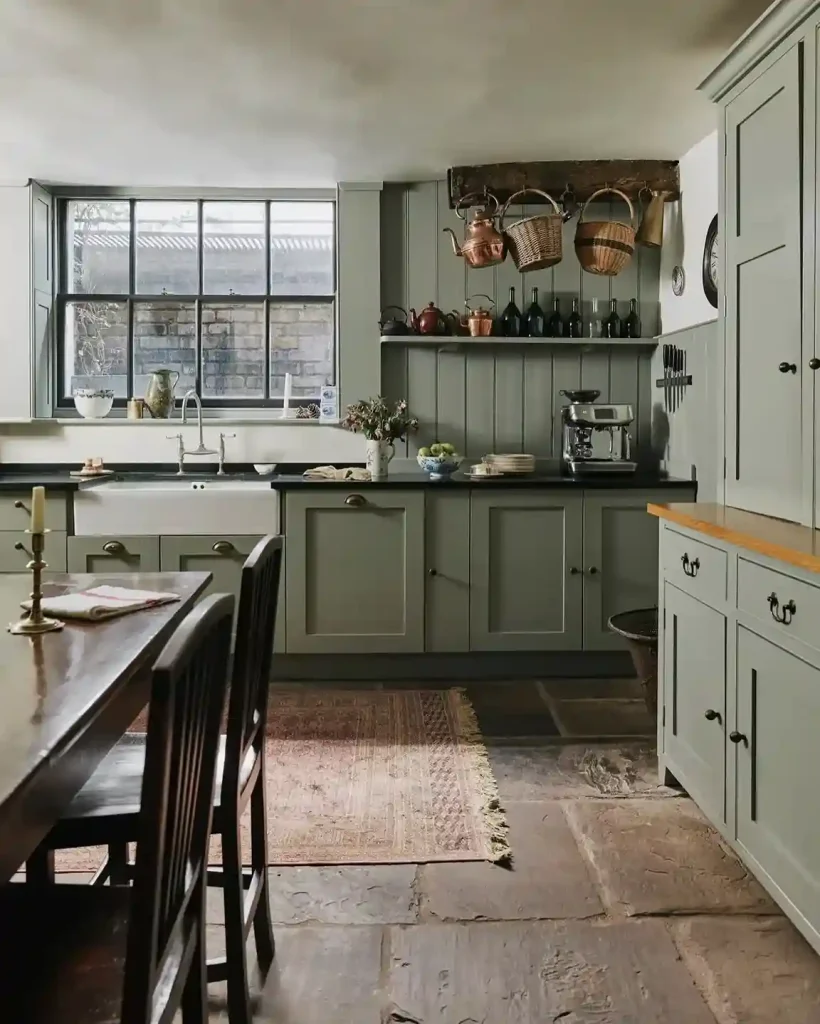
8. Farmhouse Style Kitchen
Create warm, inviting spaces through open shelving, apron-front sinks, distressed finishes, and vintage-inspired accessories suggesting country charm. Include shiplap accent walls, reclaimed wood elements, and classic subway tile backsplashes completing farmhouse aesthetics. The casual, collected style suits basement kitchens perfectly, where comfort and character matter more than pristine formality. Explore our farmhouse living room ideas for farmhouse design principles.
Source: @akindofhome
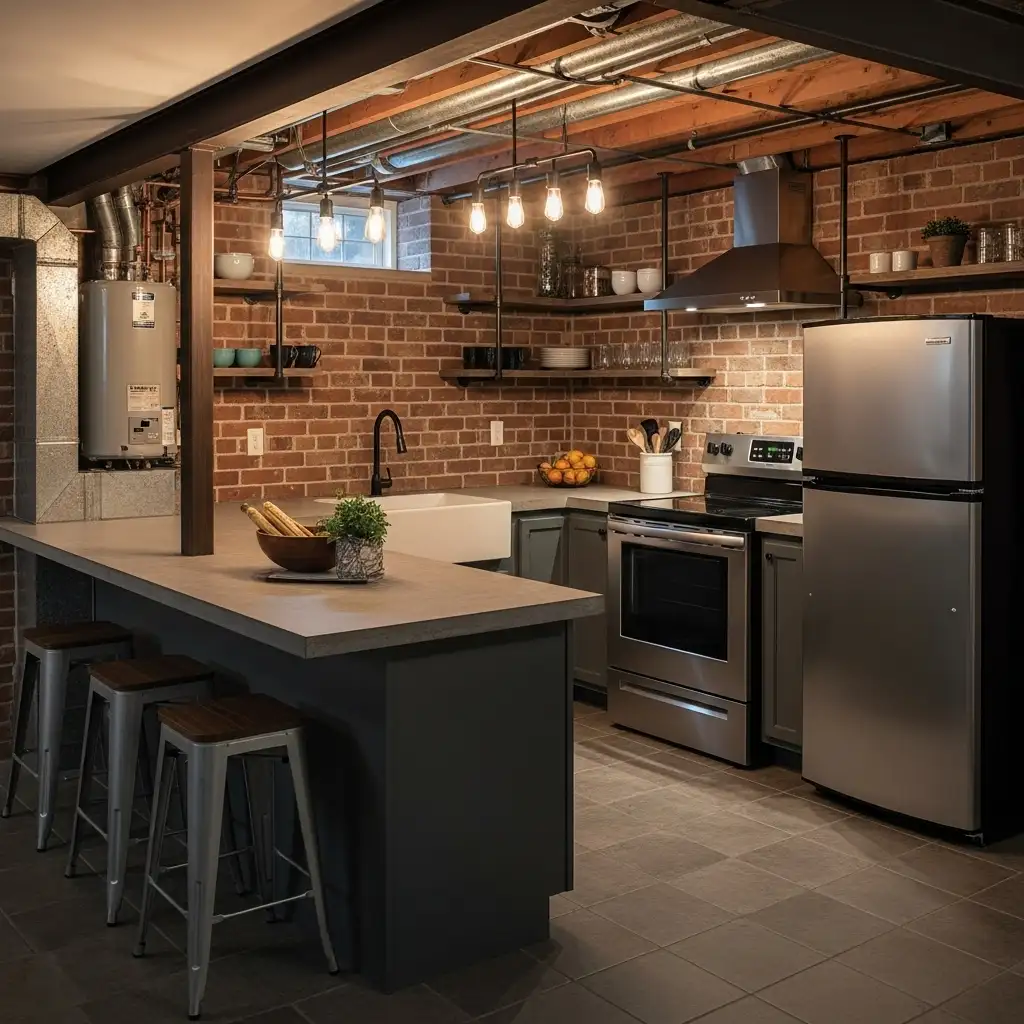
9. Industrial Chic Style
Embrace basement’s utilitarian nature through exposed brick, concrete countertops, open pipe shelving, and metal accents creating urban loft aesthetics. Leave mechanical elements visible as design features, incorporate Edison bulb lighting, and choose stainless steel appliances enhancing industrial character. The edgy approach costs less than concealing mechanicals while creating trendy spaces that feel intentionally designed rather than unfinished.
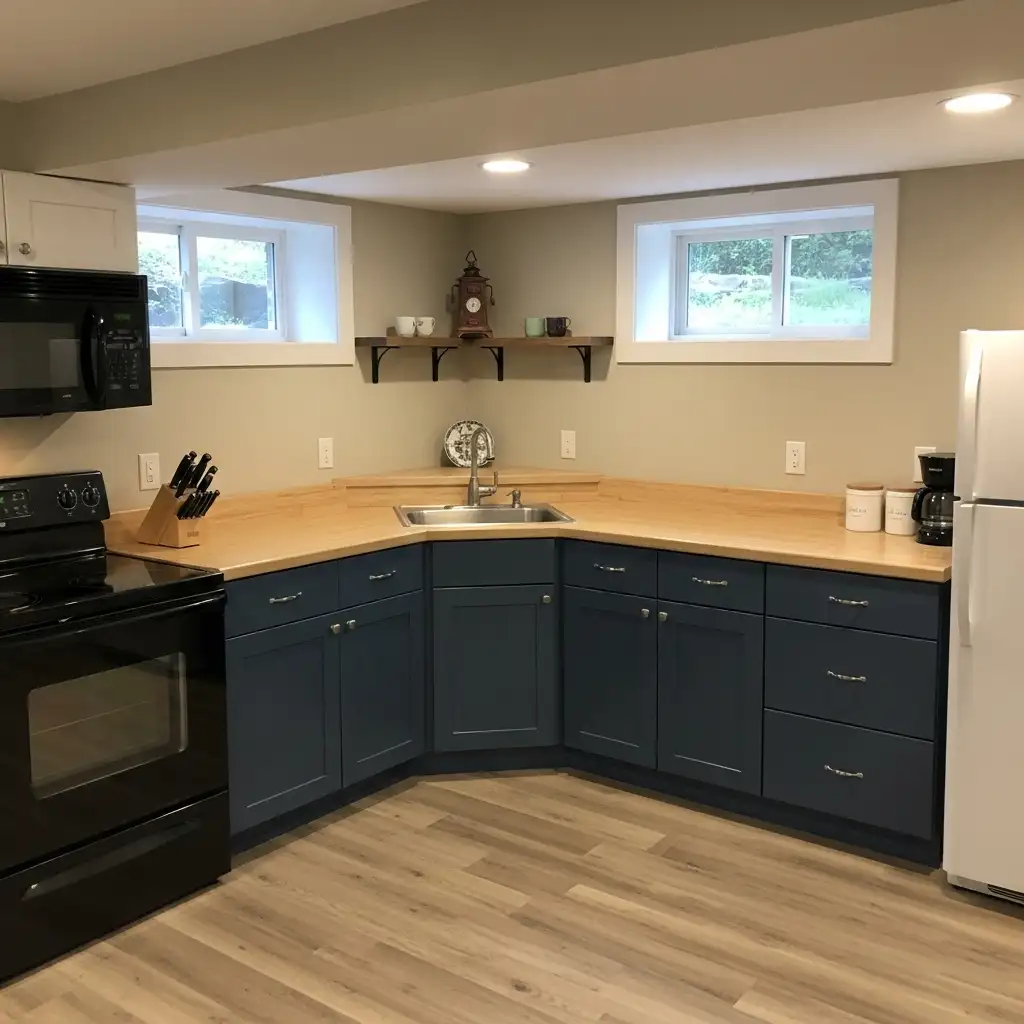
10. Corner Kitchen Configuration
Utilize awkward basement corners through L-shaped layouts maximizing wall space while leaving floor areas open for dining or living zones. Position sinks in corners with windows when possible, capitalizing on natural light and views. The efficient configuration works well in multipurpose basements where kitchens share space with entertainment or living areas requiring careful space allocation. See our kitchen corner cabinet ideas for corner solutions.
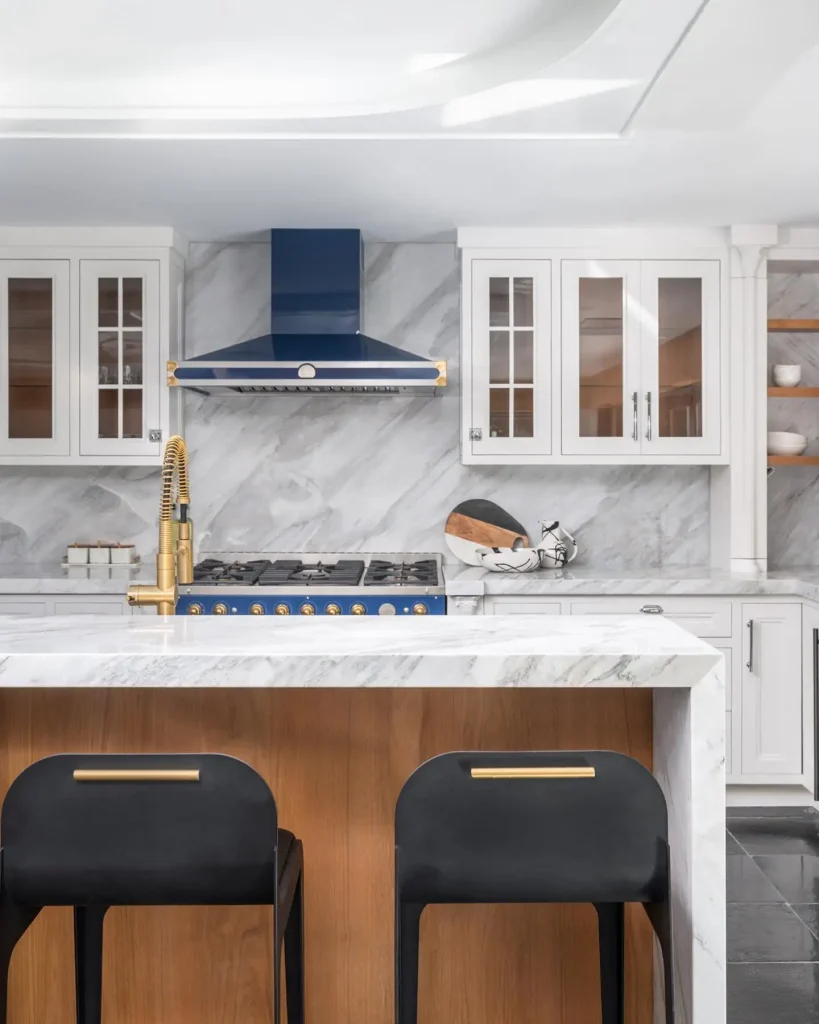
11. White and Bright Design
Combat basement darkness through all-white cabinetry, white countertops, white backsplashes, and white appliances reflecting maximum light. Add under-cabinet LED lighting, pendant lights over work areas, and adequate overhead fixtures creating bright, welcoming cooking environments. The monochromatic approach makes even windowless basement kitchens feel surprisingly airy and spacious despite below-grade locations naturally lacking abundant daylight.
12. Butcher Block Countertops
Add warmth and natural beauty through butcher block wood countertops providing work surfaces, visual interest, and organic texture that cold basement spaces desperately need. The food-safe surface works beautifully for meal preparation while adding character that granite or quartz cannot replicate. Regular oiling maintains appearance and protects wood from moisture in below-grade environments requiring extra care.
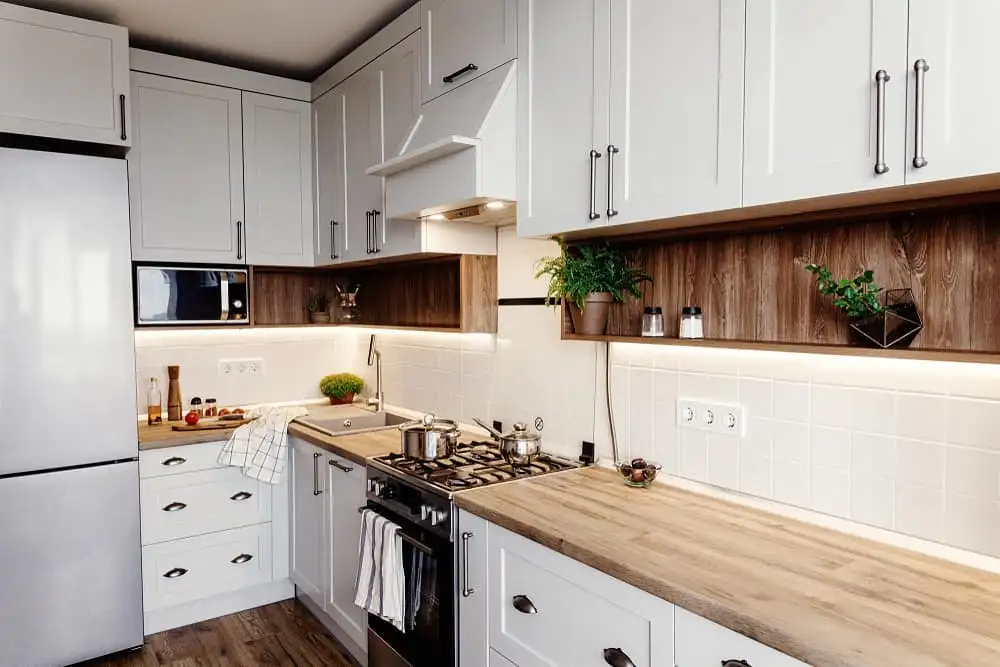
13. Subway Tile Classic
Install timeless subway tile backsplashes in classic white, soft gray, or trendy colored glazes creating clean, traditional aesthetics. The simple 3×6 inch tiles install easily, clean effortlessly, and work across design styles from traditional through contemporary. The affordable, durable material withstands basement humidity while providing classic beauty that never feels dated despite changing trends.
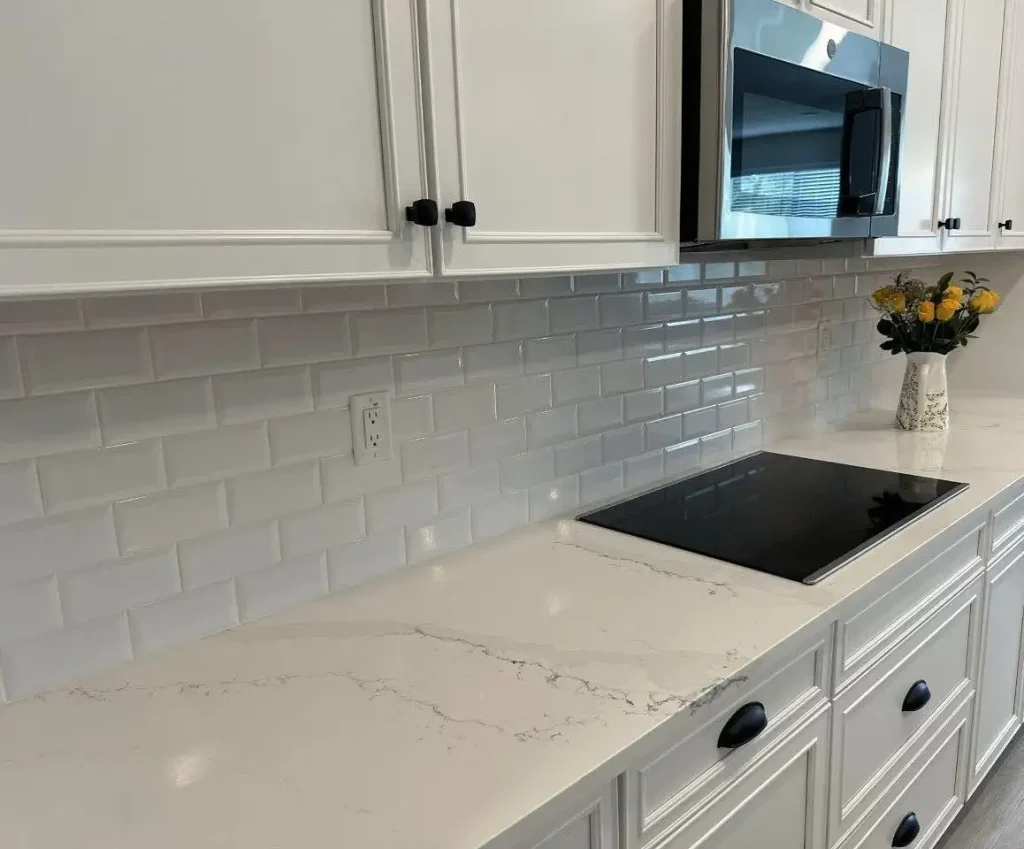
14. Under-Stair Kitchen
Maximize wasted space beneath basement stairways through custom kitchens fitting awkward dimensions that standard layouts cannot accommodate. Include angled cabinets, compact appliances, and creative storage solutions making every inch functional. The innovative approach transforms previously useless areas into valuable cooking spaces that add functionality without consuming additional floor space.
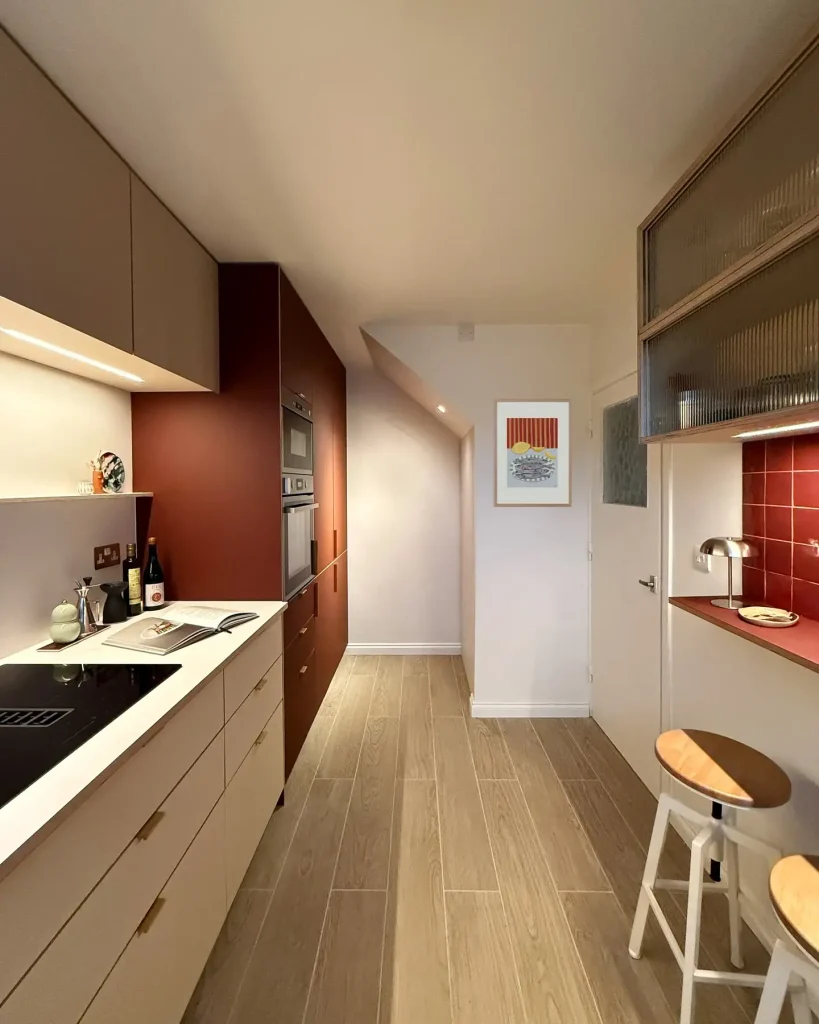
15. Kitchenette with Mini Appliances
Choose apartment-size appliances including 18-inch dishwashers, 24-inch ranges, compact refrigerators, and small microwaves creating complete cooking capabilities in minimal footprints. The scaled-down equipment provides full functionality while fitting tight spaces where standard appliances overwhelm. Budget $8,000-$15,000 for complete kitchenettes with quality compact appliances and basic finishes.
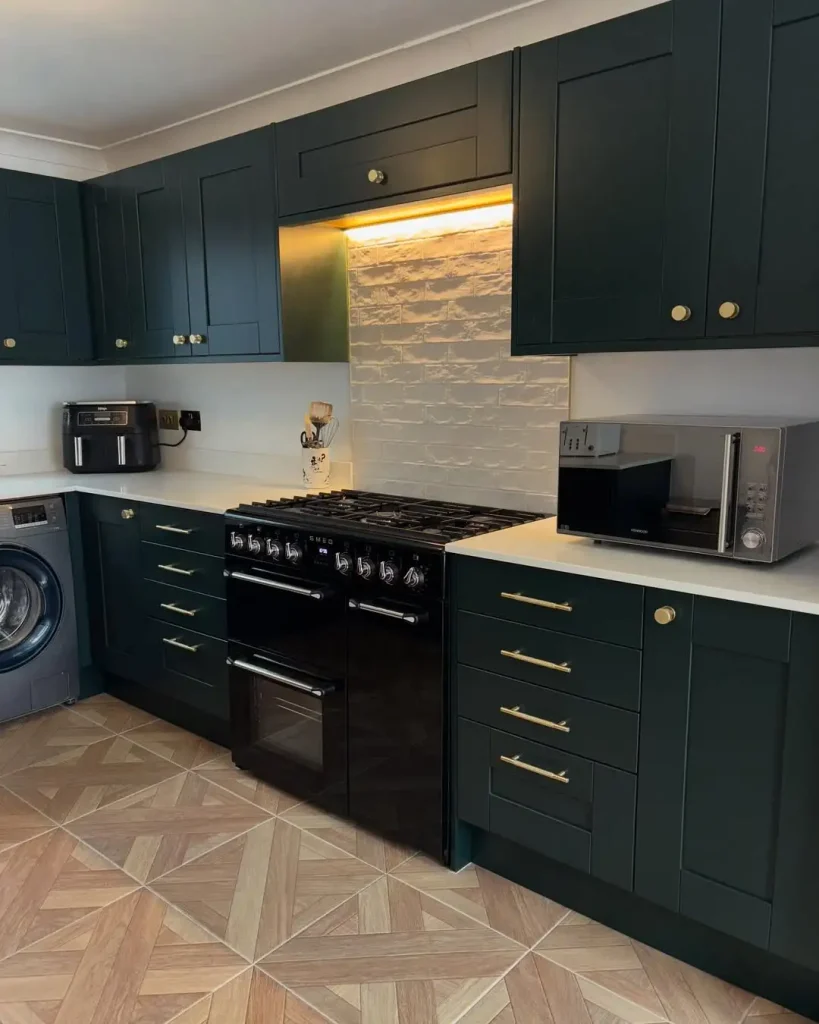
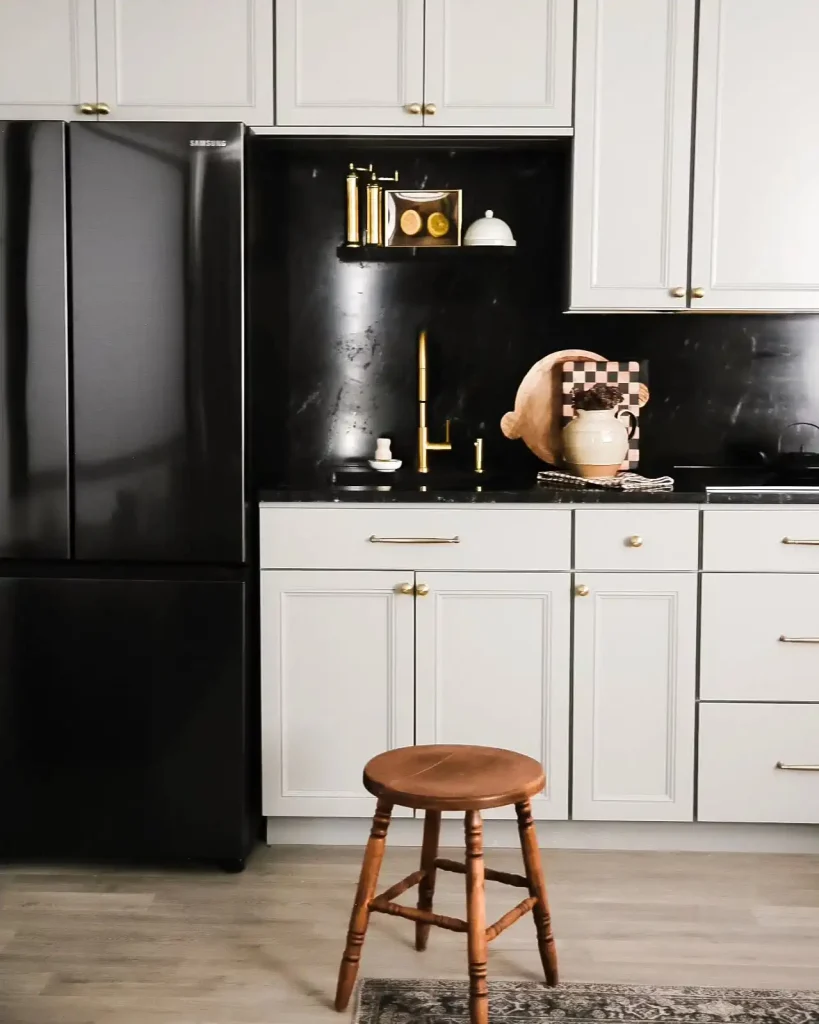
16. European-Style Efficiency
Design streamlined kitchens following European principles emphasizing efficiency, integrated appliances, and minimalist aesthetics maximizing limited square footage. Include drawer-style dishwashers, combination oven-microwaves, and compact refrigerators that Europeans favor. The space-conscious approach delivers complete functionality in remarkably small footprints that American homeowners traditionally consider inadequate.
Source: @mari_hedrick
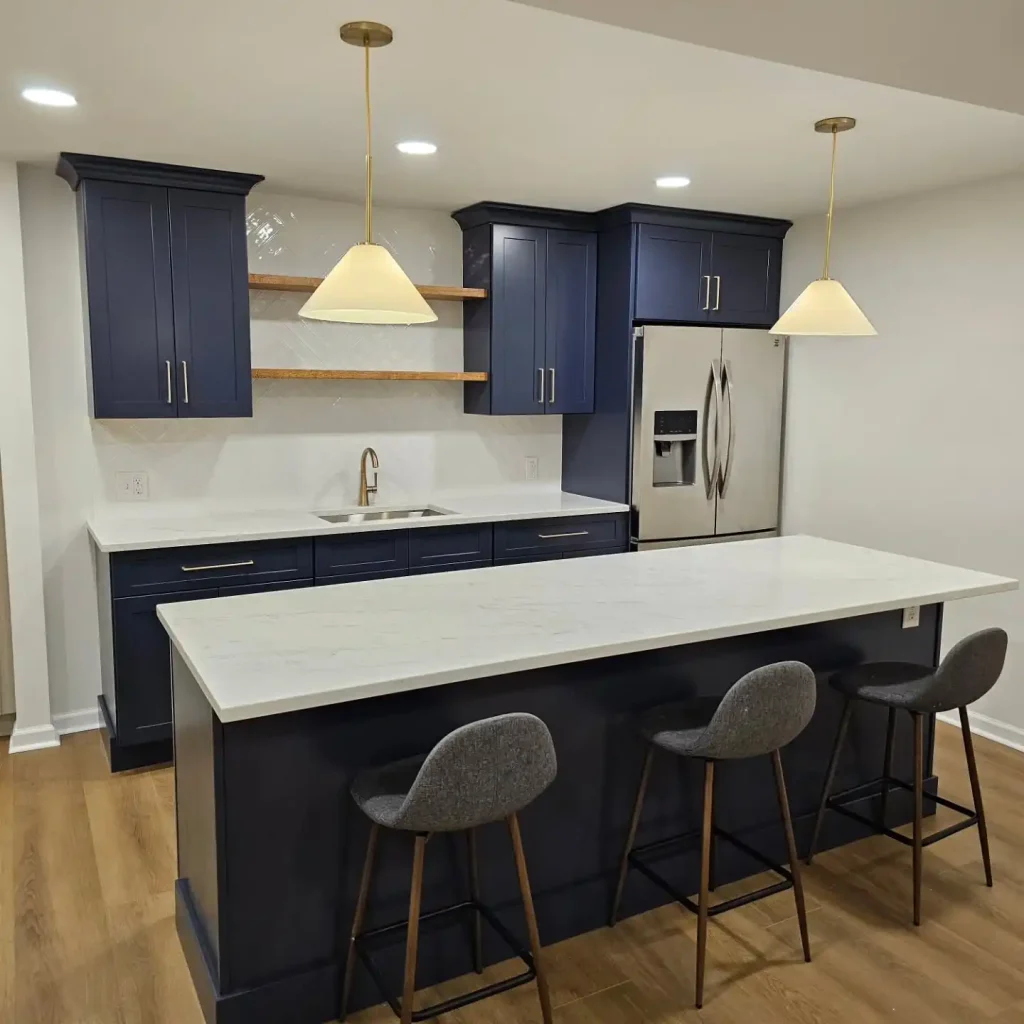
17. Dark Moody Kitchen
Create dramatic basement kitchens through dark navy, forest green, or charcoal gray cabinetry paired with brass hardware and warm lighting creating sophisticated atmospheres. The rich colors embrace basement’s naturally dim conditions rather than fighting them, creating cozy, intimate spaces perfect for below-grade environments. Balance dark cabinets with lighter countertops and backsplashes preventing overwhelming darkness.
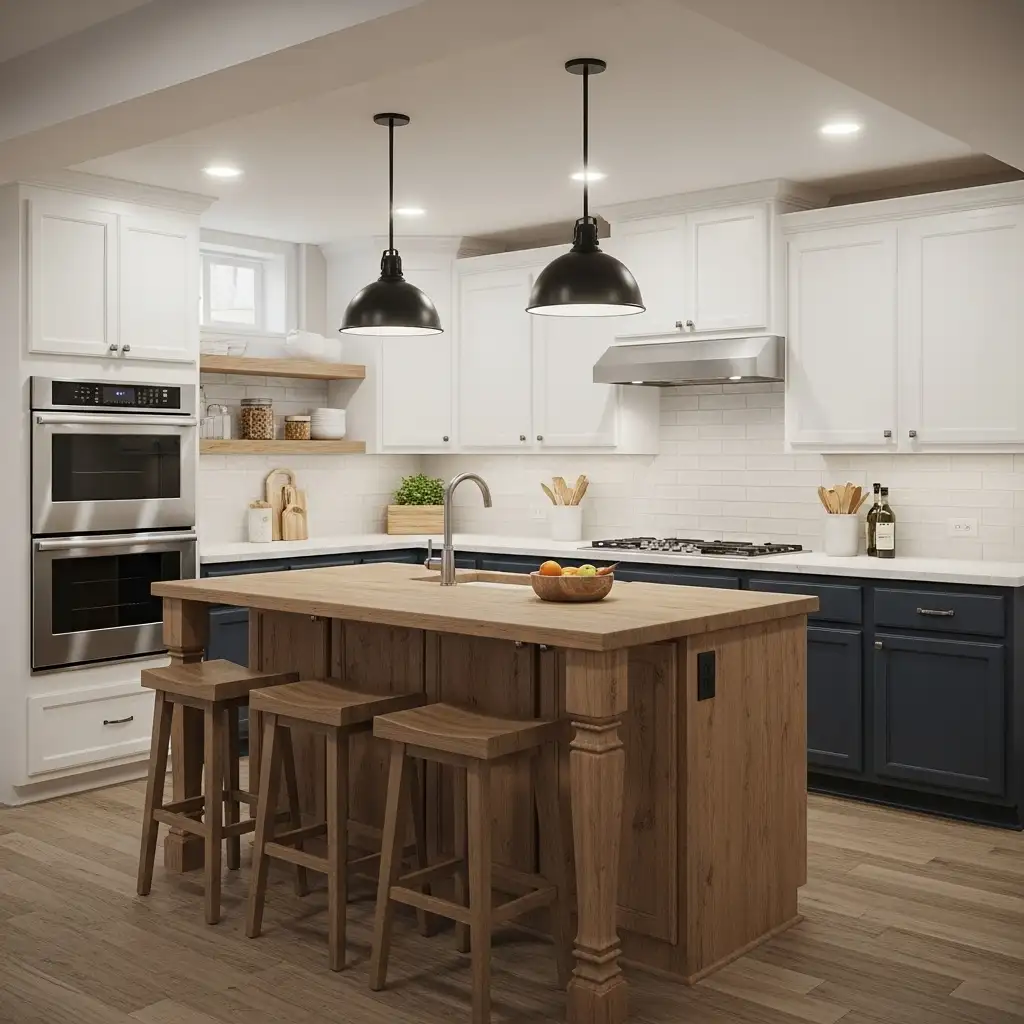
18. Two-Tone Cabinet Design
Add visual interest through two-tone cabinetry combining different colors on upper and lower sections or islands contrasting with perimeter cabinets. Popular combinations include white uppers with gray or navy lowers, or natural wood islands with painted surrounds. The design variation creates depth and personality that single-color kitchens lack while defining zones within open basement layouts. For cabinet inspiration, visit our kitchen cabinet ideas guide.
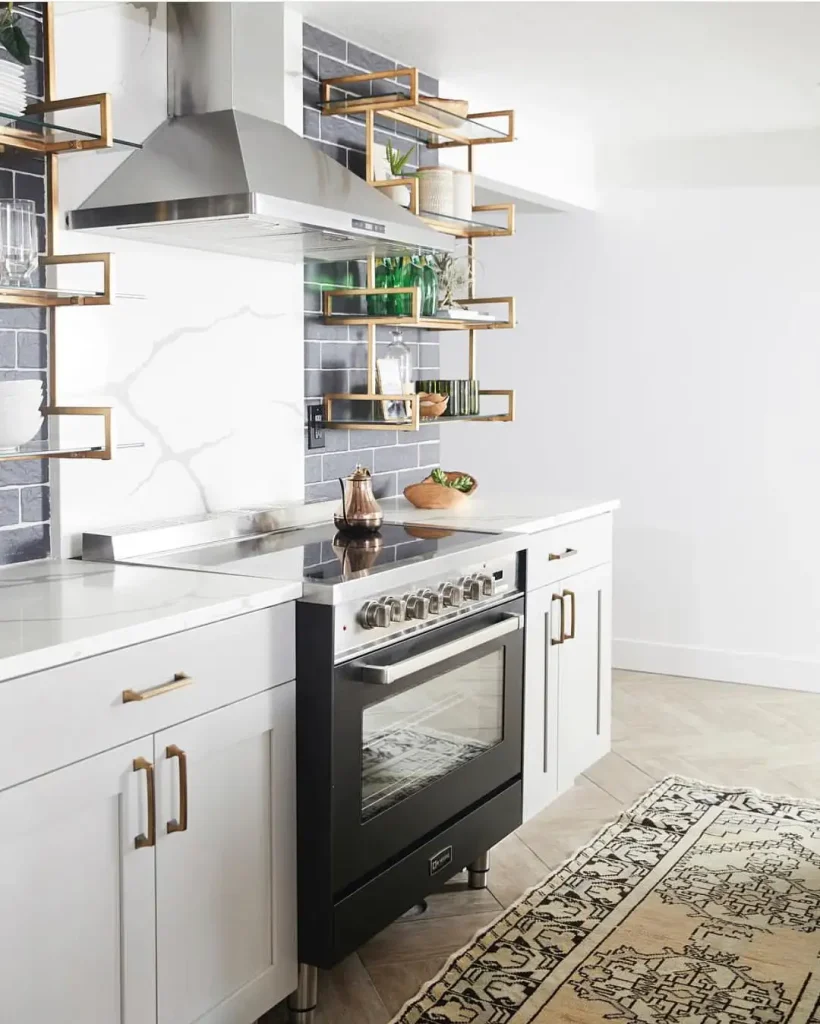
19. Open Shelving Display
Replace some upper cabinets with open shelving displaying dishes, glassware, and decorative items creating airy, accessible storage. The exposed storage works beautifully in small basement kitchens where closed cabinets might feel heavy and oppressive. Include wood, metal, or glass shelves matching overall aesthetic while maintaining organized, attractive displays that avoid cluttered appearances.
Source: @audreycrispinteriors
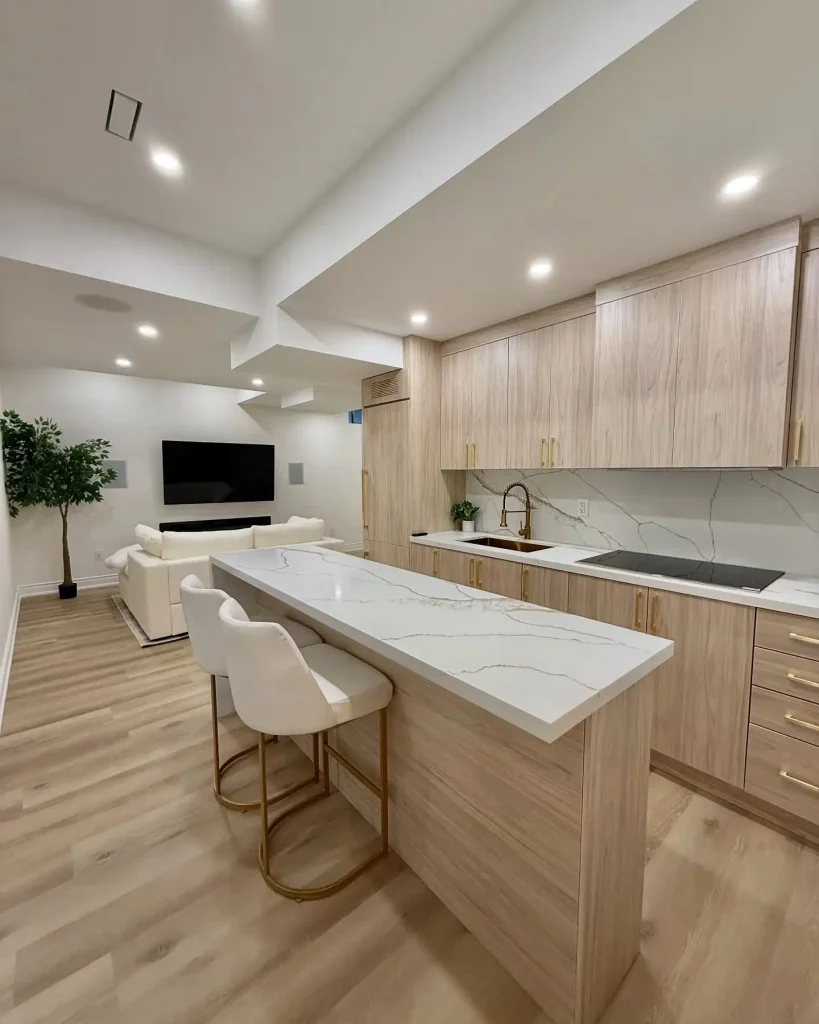
20. Kitchen Island with Seating
Incorporate islands providing additional prep space, storage, and casual dining seating maximizing functionality in larger basement kitchens. Include bar stools accommodating 2-4 people, storage cabinets or shelves within islands, and adequate clearance (42-48 inches) around all sides. The multifunctional element creates natural gathering points where family and guests congregate during meal preparation. See our kitchen island ideas for island design.
21. Smart Storage Solutions
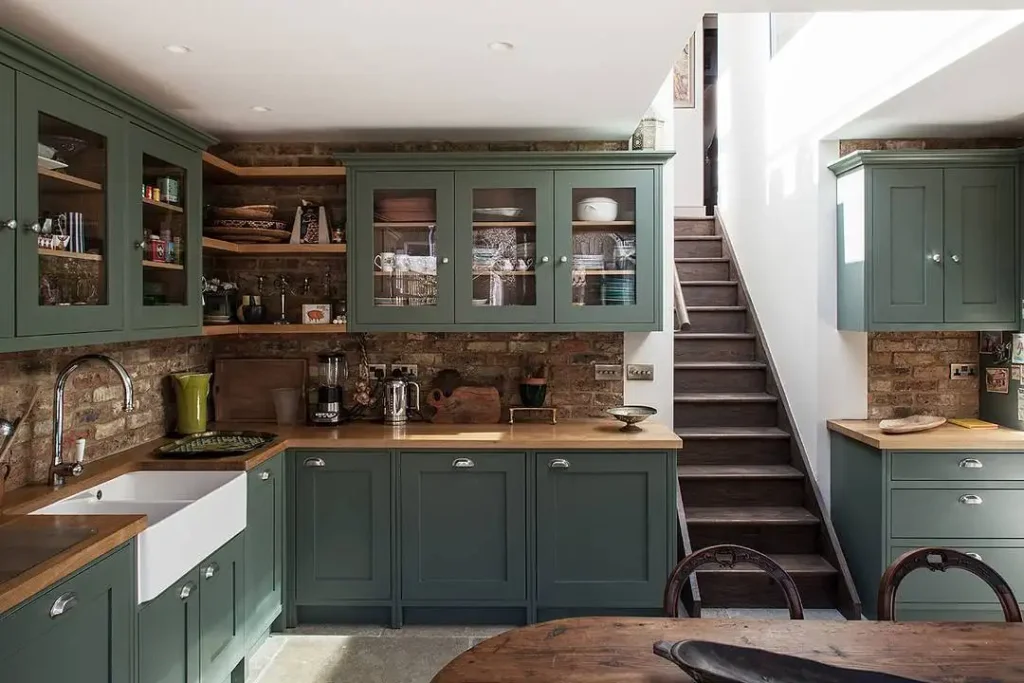
Maximize limited space through pull-out pantries, corner lazy Susans, drawer organizers, and vertical storage utilizing every available inch efficiently. Include toe-kick drawers, over-sink cutting boards, and magnetic knife strips freeing counter space. The organized systems prove particularly crucial in basement kitchens where space limitations require thoughtful storage planning preventing cluttered, dysfunctional cooking areas.
Source: @houzzu
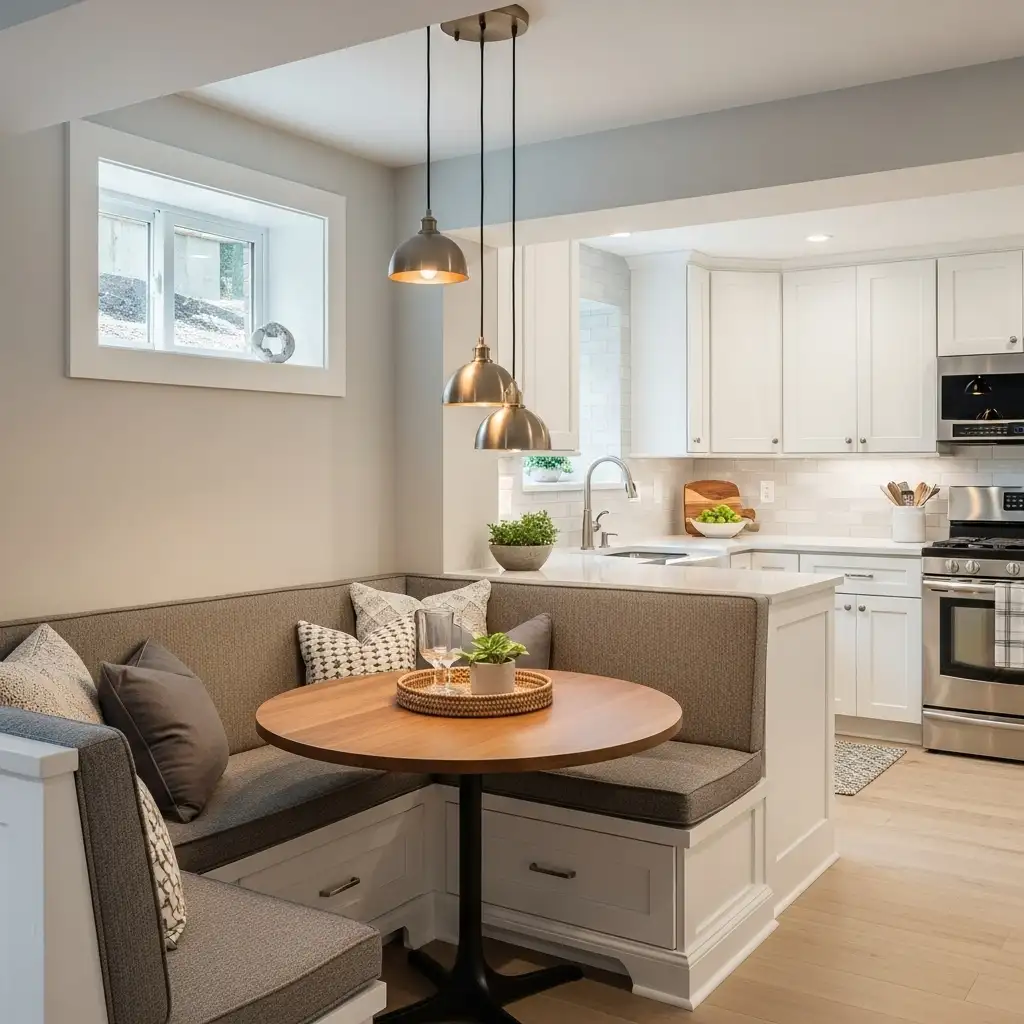
22. Breakfast Nook Integration
Create cozy dining spaces adjacent to basement kitchens through built-in banquette seating, small tables, and pendant lighting defining breakfast nook areas. The integrated dining solution eliminates needs for separate dining furniture while providing comfortable eating spaces. Include storage beneath benches maximizing functionality in multipurpose basements where every element must work harder. Visit our diy banquette seating ideas for seating inspiration.
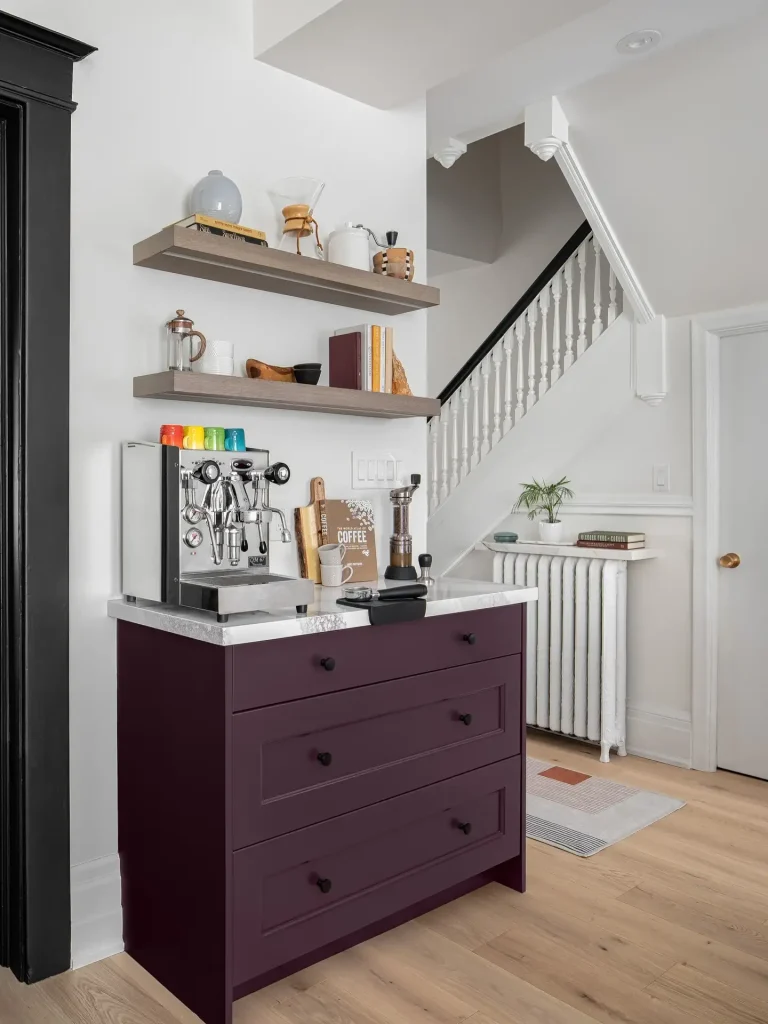
23. Coffee and Beverage Bar
Design dedicated stations featuring coffee makers, espresso machines, beverage refrigerators, and organized storage for mugs and supplies. The specialized setup suits homeowners who entertain frequently or simply want convenient morning routines without trekking upstairs. Include small sinks for easy cleanup and adequate electrical outlets supporting multiple appliances operating simultaneously. For coffee station design, see our coffee station guide.
Source: @levelstudioinc
Essential Basement Kitchen Considerations
Plumbing Installation
Basement kitchens require proper plumbing installation—the single most expensive component often costing $3,000-$8,000 depending on existing infrastructure proximity. Kitchens located near existing basement bathrooms or utility sinks cost substantially less than those requiring long plumbing runs across basements. Consider sewage ejector pumps ($800-$2,000) if basement floors sit below main sewer lines, adding complexity and costs to installations.
Ventilation Requirements
Building codes require proper kitchen ventilation through range hoods venting outdoors, not simply recirculating air. Installing ductwork to exterior walls costs $500-$2,000 depending on distance and routing complexity. Adequate ventilation prevents moisture, odors, and grease accumulation that can damage finishes and create unhealthy air quality in enclosed below-grade spaces lacking natural cross-ventilation.
Adequate Electrical Service
Kitchens demand substantial electrical capacity including 20-amp circuits for refrigerators, separate circuits for microwaves, dedicated circuits for dishwashers, and GFCI outlets near sinks. Ensure your electrical panel accommodates additional circuits without costly upgrades. Budget $1,500-$4,000 for comprehensive electrical work bringing basement kitchens up to code while supporting modern appliance demands.
Moisture Control
Protect basement kitchens through proper waterproofing, adequate insulation, dehumidification, and moisture-resistant materials preventing mold and damage. Choose water-resistant flooring like luxury vinyl or tile, avoid wood cabinets against exterior walls where moisture accumulates, and maintain 30-50% humidity through dehumidifiers. The moisture management proves essential for kitchen longevity in naturally humid below-grade environments.
Budget Breakdown
Basic Kitchenette ($3,000-$8,000)
Simple setups include mini-fridges, microwaves, coffee makers, small sinks, open shelving, and minimal cabinetry creating functional refreshment stations. This affordable approach suits entertainment spaces or teen hangouts needing beverage and snack access without full cooking capabilities that might never be used regularly.
Mid-Range Kitchen ($15,000-$30,000)
Quality installations include full-size appliances, custom or semi-custom cabinetry, granite or quartz countertops, tile backsplashes, proper ventilation, and professional plumbing/electrical work. These complete kitchens provide self-sufficient cooking capabilities suitable for rental units or in-law suites requiring independent meal preparation without sharing upstairs kitchens.
High-End Kitchen ($30,000-$60,000+)
Luxury basement kitchens feature premium appliances, custom cabinetry, high-end countertops, designer lighting, quality flooring, and show-quality finishes throughout. These substantial investments suit income-generating rentals commanding premium rates, primary living spaces, or homeowners demanding perfection throughout entire homes regardless of floor level or location.
Building Code and Legal Considerations
Rental Unit Requirements
Creating rental units with kitchens triggers additional code requirements including separate meters for utilities, proper egress, adequate ceiling heights, and potentially special permits or licensing. Research local regulations before committing to projects intended for income generation, as illegal rentals create liability and prevent recouping investments through legitimate rental operations that comply with regulations.
Permits and Inspections
Most jurisdictions require permits for basement kitchens involving plumbing, electrical, or gas work regardless of whether creating rental units. Permit costs typically run $500-$1,500 depending on project scope. While tempting to skip, unpermitted work creates problems during home sales, insurance claims, and potentially subjects homeowners to fines or required removals that waste entire investments made.
Safety Requirements
Install smoke detectors, carbon monoxide detectors, proper GFCI outlets near water sources, adequate lighting, and fire extinguishers meeting code requirements. These safety features protect occupants while ensuring insurance coverage remains valid. The relatively minor investments in safety equipment prove worthwhile protecting lives and property from preventable disasters that proper equipment detects early.
Design Tips for Success
Maximize Natural Light
Position kitchens near existing windows when possible, enlarge windows within code limits, or install window wells bringing daylight into below-grade cooking spaces. Natural light dramatically improves kitchen appeal and functionality, making spaces feel less dungeon-like and more welcoming. Include light-colored finishes and ample artificial lighting compensating for limited natural illumination that basement locations inherently struggle with.
Choose Appropriate Scale
Select appliances, cabinetry, and fixtures scaled appropriately for available space—oversized elements overwhelm small basements while undersized components appear lost in larger areas. Standard appliances work in spacious basements while compact or apartment-size equipment suits tight quarters better. The proportional selections ensure basement kitchens feel balanced rather than awkwardly scaled.
Prioritize Functionality
Focus on creating efficient work triangles, adequate prep space, sufficient storage, and practical layouts before worrying about aesthetics. Beautiful kitchens that don’t function well frustrate users regardless of attractive appearances. Plan workflows thoughtfully, considering how you’ll actually use spaces rather than designing for looks alone without considering practical daily operations.
Coordinate with Basement Design
Ensure kitchen styles match overall basement aesthetics creating cohesive spaces rather than jarring disconnects. Modern kitchens suit contemporary basements while farmhouse styles complement rustic recreation rooms. The coordinated design makes entire basements feel intentional and professionally designed rather than randomly assembled through disparate elements that fight each other visually.
Frequently Asked Questions
How much does it cost to add a kitchen to a basement?
Basement kitchens cost $3,000-$8,000 for basic kitchenettes, $15,000-$30,000 for mid-range full kitchens, and $30,000-$60,000+ for luxury installations. Costs depend on appliance quality, cabinetry choices, countertop materials, and whether plumbing/electrical infrastructure already exists nearby. Distance from existing plumbing dramatically impacts costs—kitchens near bathrooms cost substantially less than those requiring long plumbing runs across basements to reach main lines.
Do you need a permit for a basement kitchen?
Yes, most jurisdictions require permits for basement kitchens involving plumbing, electrical, or gas work regardless of whether creating rental units. Permit requirements ensure code compliance protecting occupants and property values. Unpermitted work creates problems during home sales, insurance claims, and potentially subjects homeowners to fines or required removals that waste entire investments made without proper approvals.
Can you put a full kitchen in a basement?
Yes, full kitchens work beautifully in basements when properly planned addressing plumbing installation, adequate ventilation, moisture control, and electrical capacity. The complete cooking spaces suit rental units, in-law suites, or simply provide convenient meal preparation near entertainment areas. Ensure adequate ceiling heights, proper egress if part of living units, and compliance with local building codes governing basement habitable spaces.
Do basement kitchens add home value?
Yes, basement kitchens typically add $10,000-$30,000 in home value depending on quality and whether part of rental units generating income. Complete basement apartments with kitchens appeal to buyers seeking investment properties or multigenerational living arrangements. Simple kitchenettes add less value but still enhance basement functionality making homes more competitive in markets. Actual value depends on local markets, installation quality, and whether kitchens meet all code requirements for legal use.
Conclusion: Expand Your Home’s Functionality
Basement kitchens solve real problems for modern families, from supporting multigenerational living and generating rental income to simply providing convenient cooking access near entertainment spaces.
The 24 ideas presented demonstrate that basement kitchens suit any budget, style preference, or functional need from simple beverage stations to complete cooking facilities rivaling main-level kitchens.
Whether investing $5,000 or $50,000, thoughtful planning creates functional spaces that serve families beautifully while increasing home values beyond installation costs.
Start your basement kitchen project by assessing plumbing proximity, establishing realistic budgets, clarifying intended uses, and researching code requirements ensuring legal, safe installations. Whether creating income-generating rental units or simply want convenient refreshment centers, proper planning ensures successful results that serve your specific needs while complying with regulations protecting your investment.
Ready to explore more basement possibilities? Check our guides including basement living room ideas, kitchen remodel ideas, small apartment kitchen guide, apartment kitchen ideas, and home interior design ideas for complete design inspiration. Transform your basement into the functional, valuable space your family deserves through strategic kitchen additions that maximize your home’s full potential.