
Fabric organization transforms chaotic sewing rooms into functional creative sanctuaries instantly. A well-organized fabric collection saves time, prevents waste, and sparks inspiration for new projects daily.
Whether you’re a quilter, seamstress, or craft enthusiast, proper fabric storage and organization makes every sewing session more enjoyable and productive.
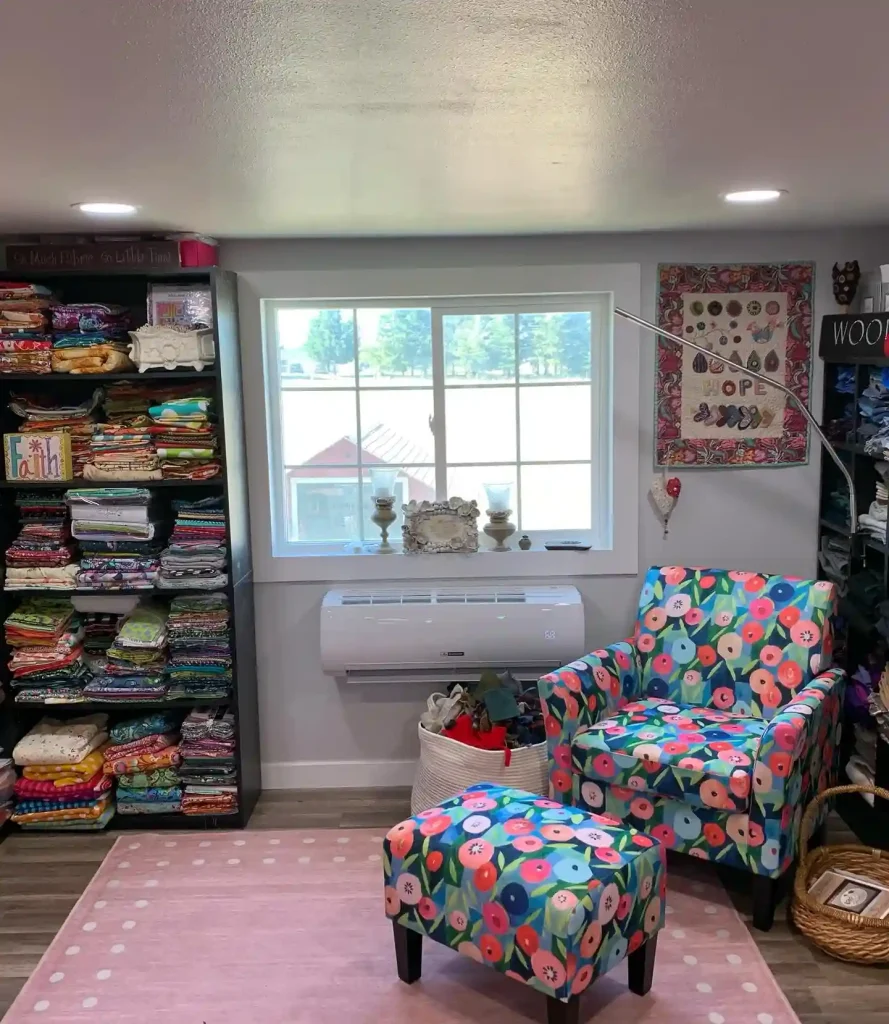
Source: @charismahorton
These 26 practical ideas will help you create a perfectly organized fabric haven that works for your unique space and style perfectly.
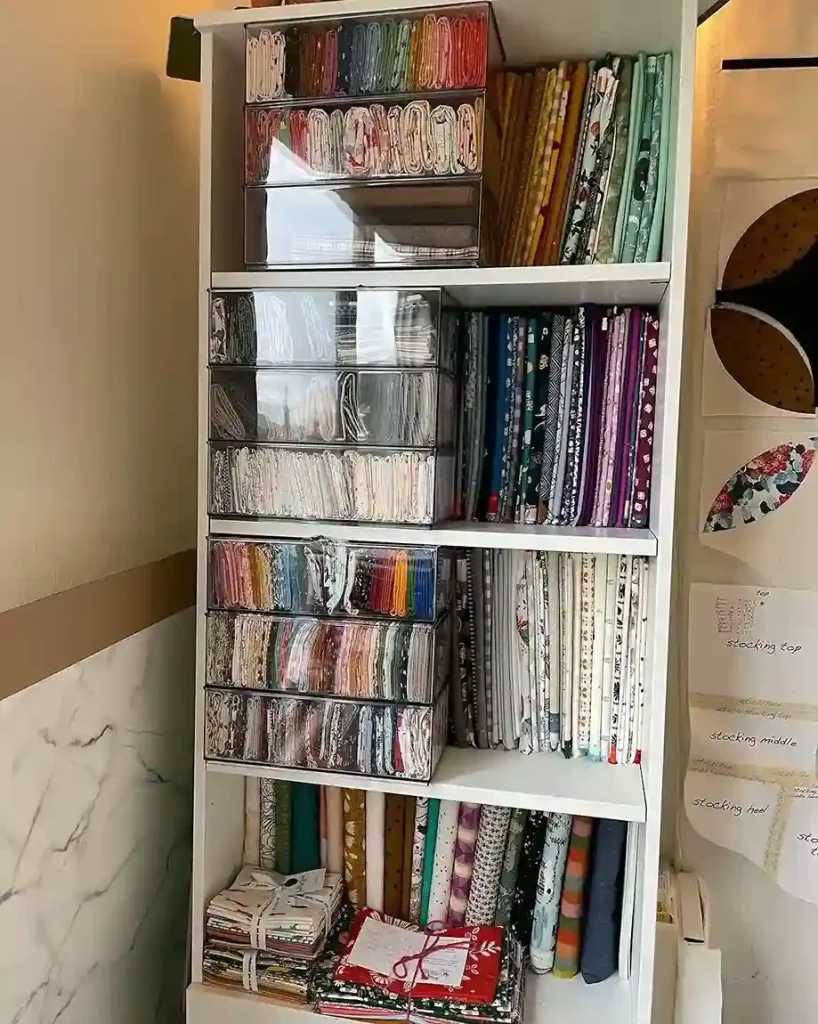
Source: @copperandcitrus
1. Color-Coded Rainbow System
Organize your entire fabric collection by color creating a stunning rainbow display. Sort fabrics from warm to cool colors following the spectrum naturally. This visual organization method makes coordinating fabrics incredibly simple and quick always. The beautiful display inspires creativity while making fabric selection effortless every single time. Professional organization like hobby room design ideas creates inspiring functional workspaces.
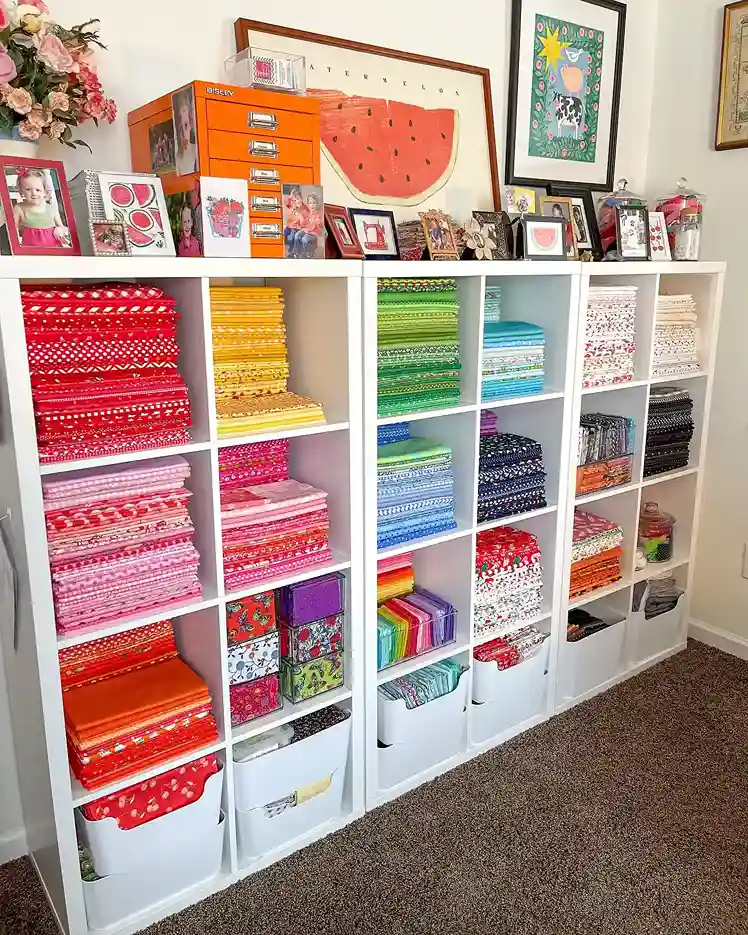
Source: @laurispringer
| Color Group | Organization Method | Visual Impact | Selection Speed |
|---|---|---|---|
| Warm Colors | Reds to Yellows | High | Very Fast |
| Cool Colors | Greens to Purples | High | Very Fast |
| Neutrals | Whites to Blacks | Medium | Fast |
Start with reds and oranges on the left side moving through spectrum. Include pinks, purples, blues, greens, yellows, and oranges in order deliberately. End with neutrals like whites, grays, and blacks on the right. This systematic approach makes finding the perfect fabric shade instantaneous.
2. Fabric Type Categorization
Group fabrics by type rather than color for practical organization always. Keep all cotton fabrics together, then silks, woolens, and synthetics separately. This method makes project planning much easier when you need specific materials. Each fabric type requires different handling and storage conditions necessarily. Organized systems similar to home interior decoration ideas create cohesive functional spaces.
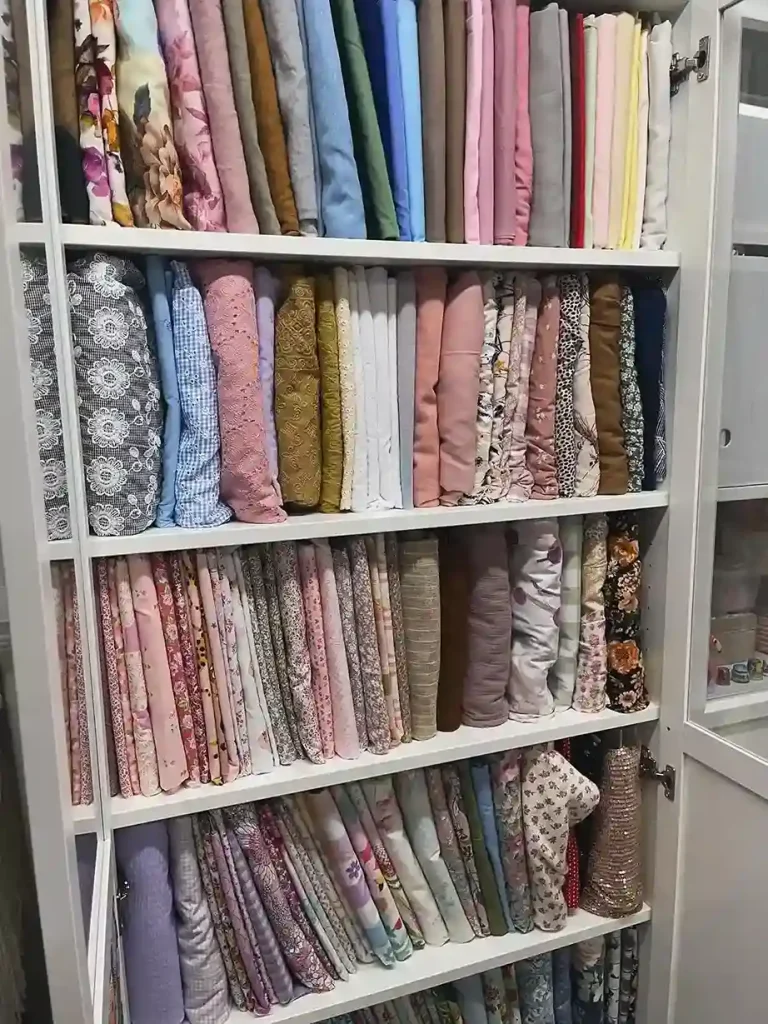
Source: @what.she.made
| Fabric Type | Storage Need | Best Container | Shelf Life |
|---|---|---|---|
| Cotton | Breathable | Open Bins | Indefinite |
| Silk | Dark Cool | Wrapped | Long |
| Wool | Pest-free | Cedar Chest | Long |
Natural fibers need more air circulation than synthetic materials typically require. Store delicate fabrics like silk away from direct sunlight preventing fading. Keep wool fabrics with cedar blocks deterring moths and other pests. This organizational method protects your fabric investment while maintaining easy accessibility.
3. Project-Based Fabric Bundles
Keep fabrics for specific projects bundled together in dedicated containers clearly. This prevents accidentally using project fabrics for something else unintentionally later. Label each bundle with project name, pattern number, and yardage information. Store coordinating threads, notions, and patterns with each fabric bundle conveniently. Bundled organization like home interior design ideas streamlines workflows beautifully.
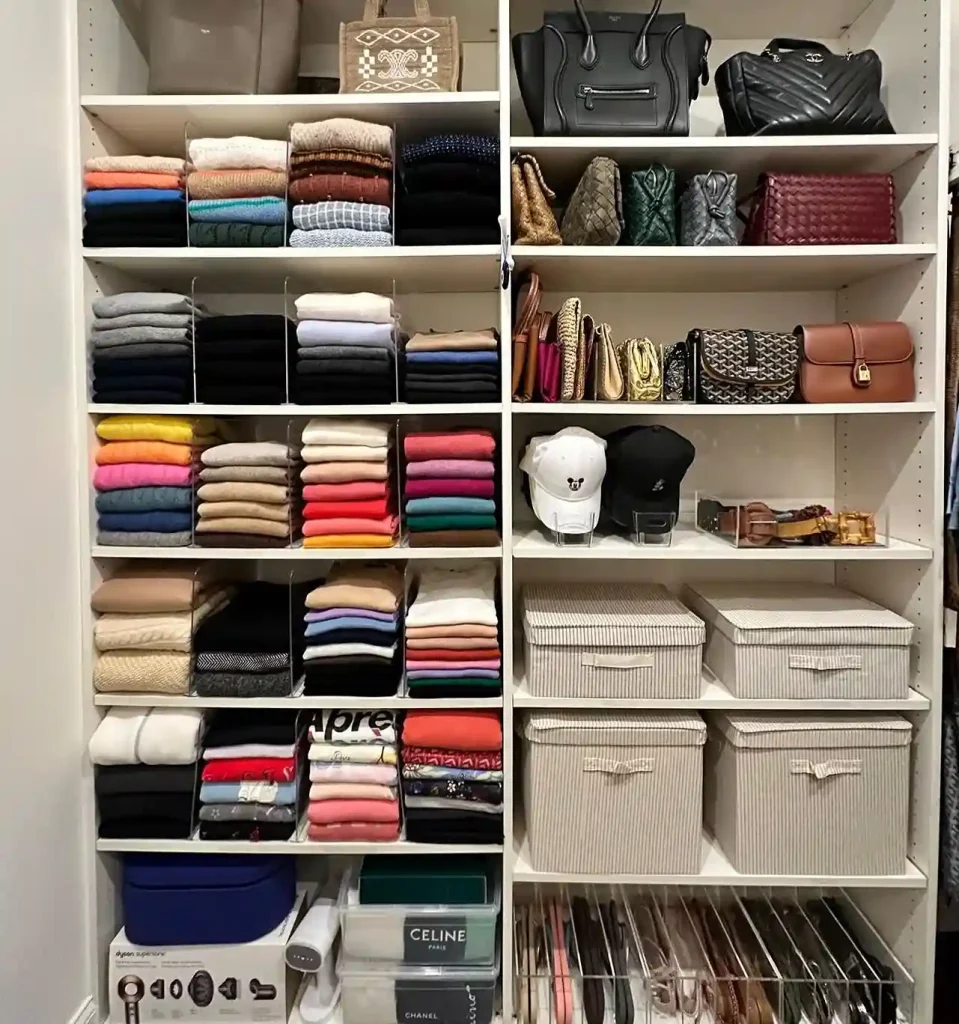
Source: @governessworld
| Bundle Size | Project Type | Container | Label Details |
|---|---|---|---|
| Small | Pillows | Zip Bag | Name, Yardage |
| Medium | Garment | Bin | Pattern, Notions |
| Large | Quilt | Box | Blocks, Layout |
Use clear zip bags for small projects keeping everything visible together. Larger projects need rigid bins or boxes protecting fabrics from crushing. Include swatches of all fabrics on the outside label for quick identification. This system keeps your works-in-progress organized and ready to sew anytime.
4. Seasonal Fabric Rotation System
Rotate fabrics seasonally keeping relevant materials most accessible currently always. Store heavy winter fabrics during summer months freeing up prime storage space. Holiday and seasonal fabrics get stored after their season ends naturally. This rotation keeps your working collection manageable and relevant to current projects. Similar rotation found in living room category décor keeps spaces fresh.
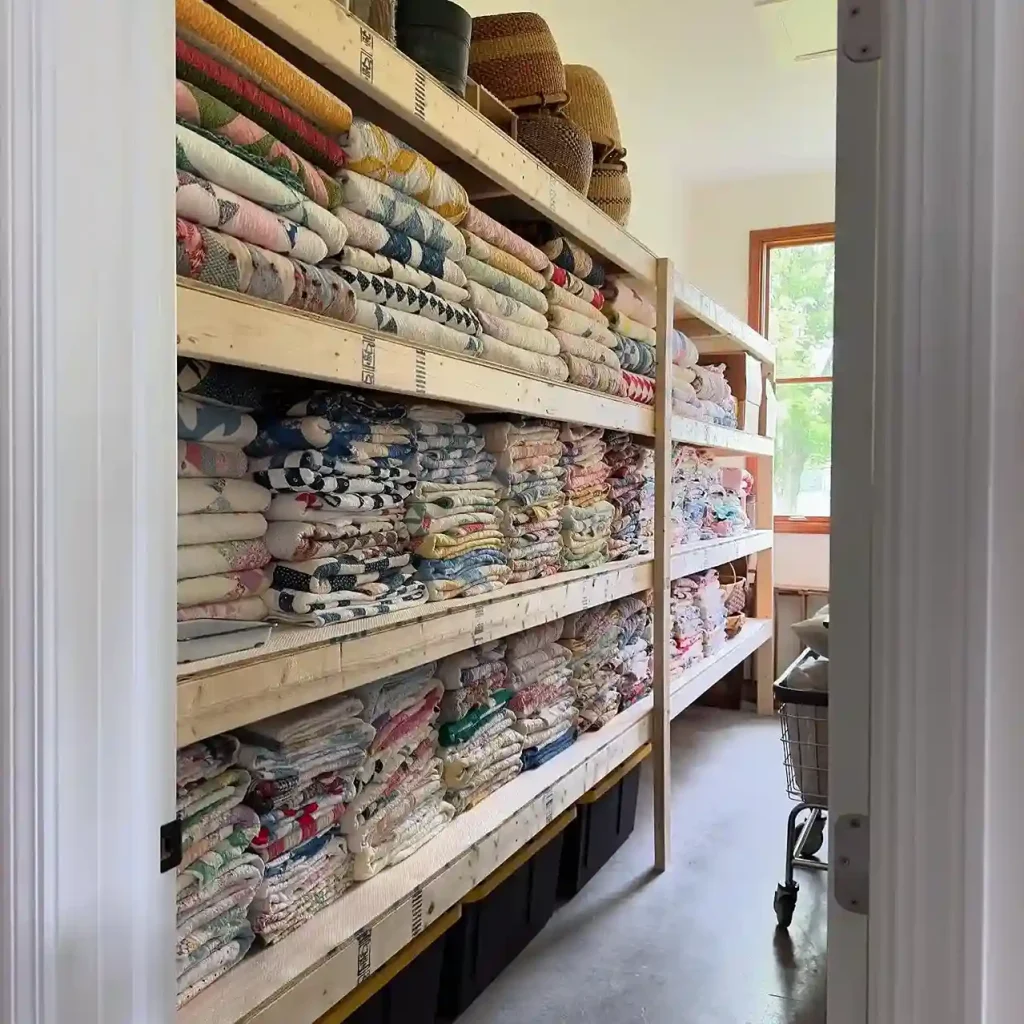
Source: @farmdownthelane
| Season | Active Fabrics | Storage Location | Rotation Date |
|---|---|---|---|
| Spring | Pastels, Florals | Front Shelves | March 1 |
| Summer | Brights, Tropicals | Front Shelves | June 1 |
| Fall | Earth Tones | Front Shelves | September 1 |
Pack away winter flannels and heavy wools in summer storage boxes. Bring out spring florals and pastels when weather warms up naturally. Holiday fabrics get special bins labeled by holiday for easy retrieval. This systematic rotation prevents overwhelming fabric accumulation in your working space.
5. Yardage-Based Sorting Method
Organize fabrics by yardage making project planning much simpler and faster. Keep large pieces separate from smaller cuts and scraps logically together. This method helps you quickly assess what you have for specific projects. Label storage clearly indicating yardage ranges for each section or container. Practical sorting like bedroom category organization maximizes efficiency daily.
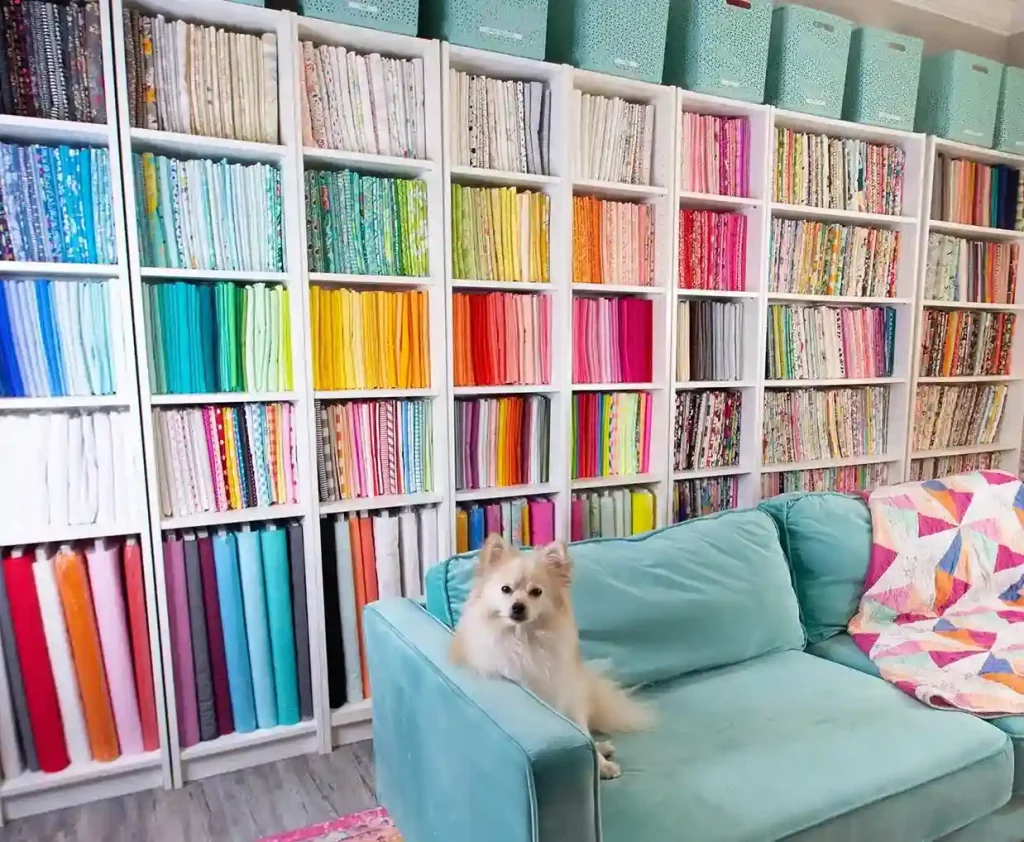
Source: @allpeoplequilt
| Yardage Range | Suitable Projects | Storage Method | Container Size |
|---|---|---|---|
| 3+ yards | Garments, Quilts | Bolts, Shelves | Large |
| 1-3 yards | Small Projects | Folded Bins | Medium |
| Under 1 yard | Scraps, Accents | Small Bins | Small |
Large yardage pieces work best stored on bolts or hangers preventing creases. Medium cuts fold nicely into bins or baskets stacking efficiently together. Small scraps need separate small containers preventing them from cluttering larger fabrics. This organization makes determining available materials for projects incredibly quick and easy.
6. Scrap Fabric Filing System
Create a dedicated scrap organization system preventing small pieces from chaos. Sort scraps by color, size, or potential use keeping them accessible. Small organized scraps inspire spontaneous creativity and reduce fabric waste significantly. Use clear containers making scrap selection quick and visually satisfying always. Organized scraps like home decor category accessories add personality without clutter.
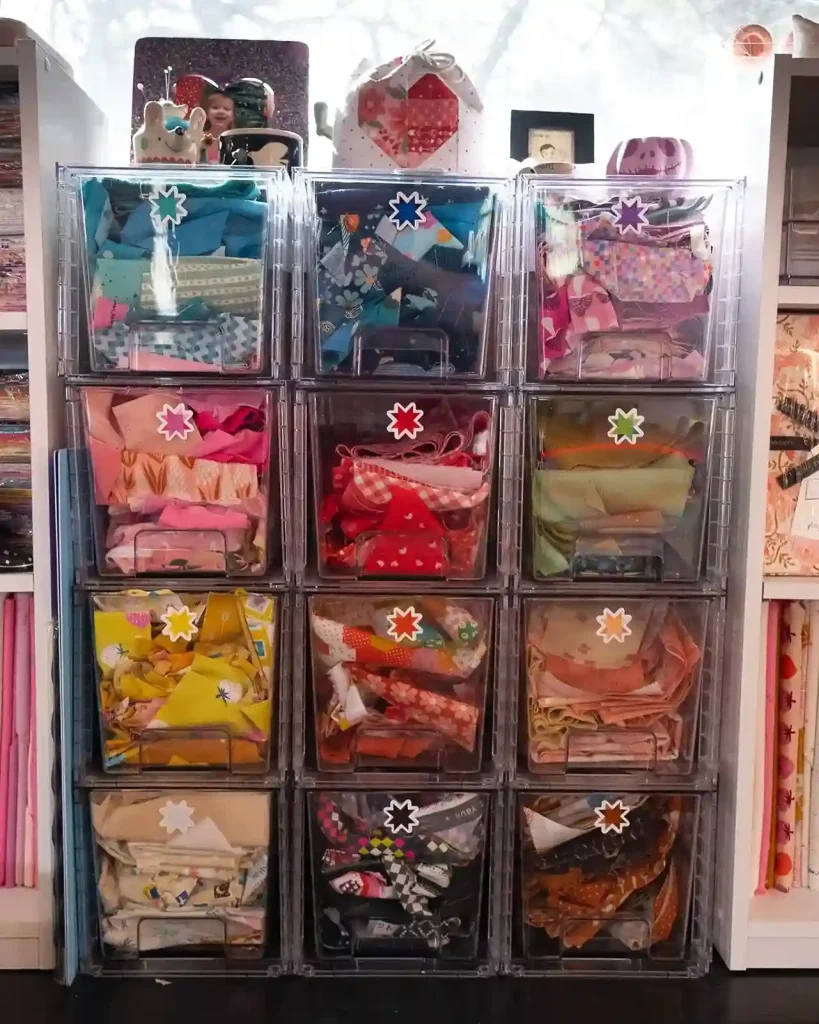
Source: @littlequiltingcloset
| Scrap Size | Organization | Container Type | Best Uses |
|---|---|---|---|
| Large (12″+) | By Color | Medium Bins | Patchwork |
| Medium (6-12″) | By Type | Small Bins | Appliqué |
| Small (Under 6″) | Mixed | Jars | Stuffing |
Sort larger scraps by color for easy patchwork and quilting projects. Medium scraps organize well by fabric type for appliqué work easily. Tiny scraps work great as stuffing for projects or can be donated. This systematic scrap management prevents waste while maintaining organized accessible materials.
7. Pattern-Matching Fabric Groups
Store fabrics with their intended patterns keeping everything together perfectly always. This prevents the frustration of finding fabric without remembering the original pattern. Attach pattern envelope or photocopy to fabric bundles for visual reference. Include thread, buttons, and notions needed for each pattern with fabrics. Coordinated organization similar to multipurpose rooms ideas maximizes functionality beautifully.
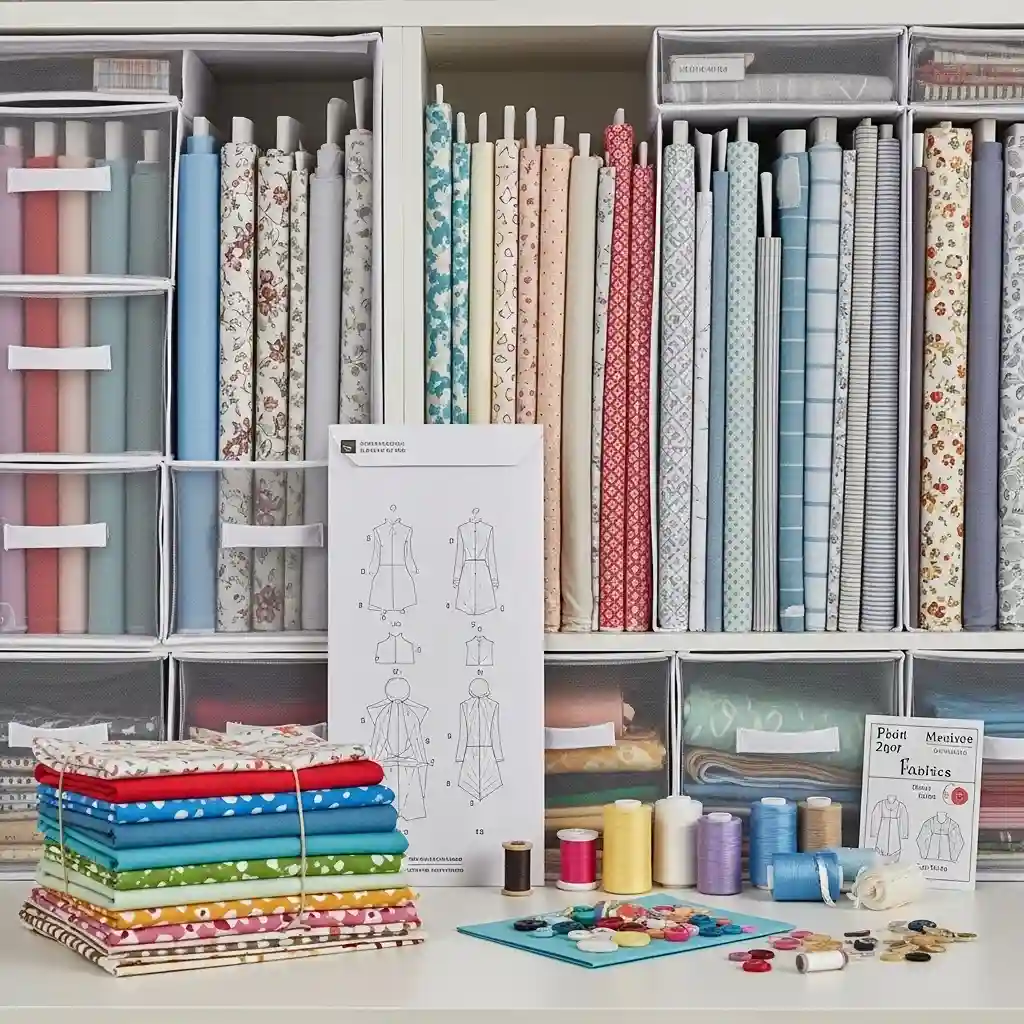
Source: @motifspace
| Pattern Type | Storage Solution | Additional Items | Organization Time |
|---|---|---|---|
| Garment | Large Bin | Notions, Thread | 15 minutes |
| Quilt | Clear Box | Batting Info | 20 minutes |
| Home Décor | Basket | Trim, Zippers | 10 minutes |
Photograph or sketch your planned project keeping it with fabric bundles. Mark pattern pieces already cut to avoid re-cutting duplicates accidentally later. Store all project components together preventing last-minute searches when ready to sew. This complete organization streamlines your sewing workflow dramatically reducing prep time significantly.
8. Vertical Shelf Organization
Maximize vertical space with floor-to-ceiling fabric shelving systems beautifully designed. Fold fabrics uniformly creating neat stacks that look professionally organized always. Store frequently used fabrics at eye level for easiest access daily. Place seasonal or specialty fabrics on higher or lower shelves accordingly. Vertical storage like drop ceiling ideas utilizes height efficiently.
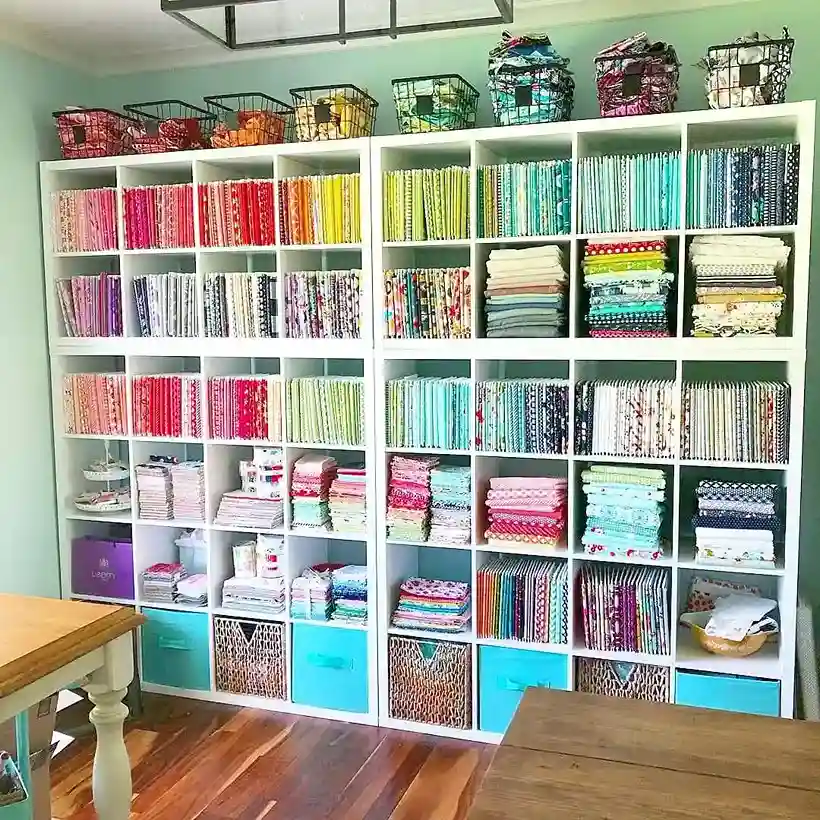
Source: @smartfundiy
| Shelf Height | Fabric Storage | Access Frequency | Best For |
|---|---|---|---|
| Top Shelf | Seasonal | Rarely | Special Occasion |
| Eye Level | Current Projects | Daily | Active Use |
| Bottom Shelf | Scraps, Bulk | Weekly | Overflow |
Install adjustable shelving accommodating different fabric stack heights flexibly over time. Use shelf dividers preventing fabric stacks from toppling over messily onto each other. Label each shelf section clearly indicating contents for quick visual scanning. This vertical system maximizes storage capacity while maintaining easy fabric accessibility always.
9. Drawer-Based Fabric System
Dedicate dresser or cabinet drawers exclusively to fabric organization systematically today. Each drawer holds specific fabric categories keeping everything separated and accessible. Shallow drawers work perfectly for flat fabric storage preventing deep wrinkles. Deep drawers accommodate rolled fabrics or bulkier textile items easily. Drawer organization like vaulted ceiling guide systems adapts to needs.
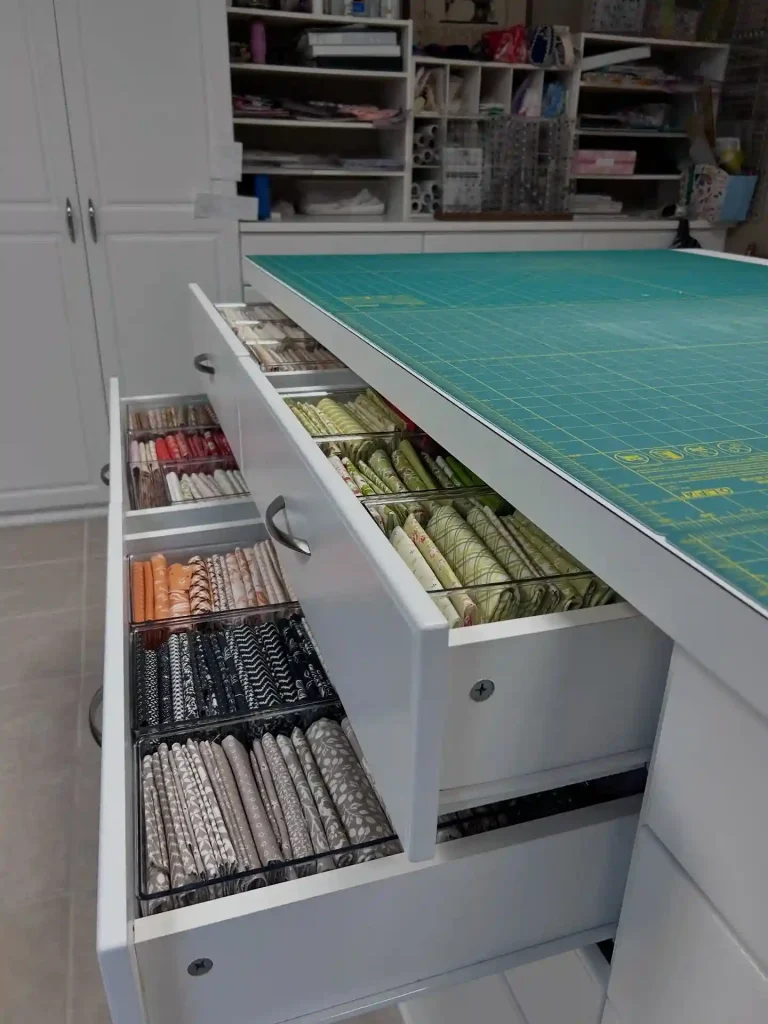
Source: @cshriver870
| Drawer Depth | Fabric Storage | Fold Method | Capacity |
|---|---|---|---|
| Shallow (4″) | Fat Quarters | Flat | 20-30 pieces |
| Medium (8″) | 1-2 Yards | Folded | 15-20 pieces |
| Deep (12″) | Large Cuts | Rolled | 10-15 bolts |
Line drawers with acid-free paper protecting delicate or vintage fabrics carefully. Use drawer dividers creating sections within each drawer for better organization. Label drawer fronts clearly indicating contents preventing unnecessary searching through drawers. This enclosed storage protects fabrics from dust, light, and potential damage effectively.
10. Hanging Fabric Display System
Install rods or rails for hanging fabric pieces displaying them beautifully openly. Clip fabrics using pants hangers or binder clips keeping them wrinkle-free. This method allows you to see all fabrics at once instantly. Hanging storage works wonderfully for large cuts and special fabrics importantly. Visual display similar to cheap DIY ceiling ideas inspires creativity affordably.
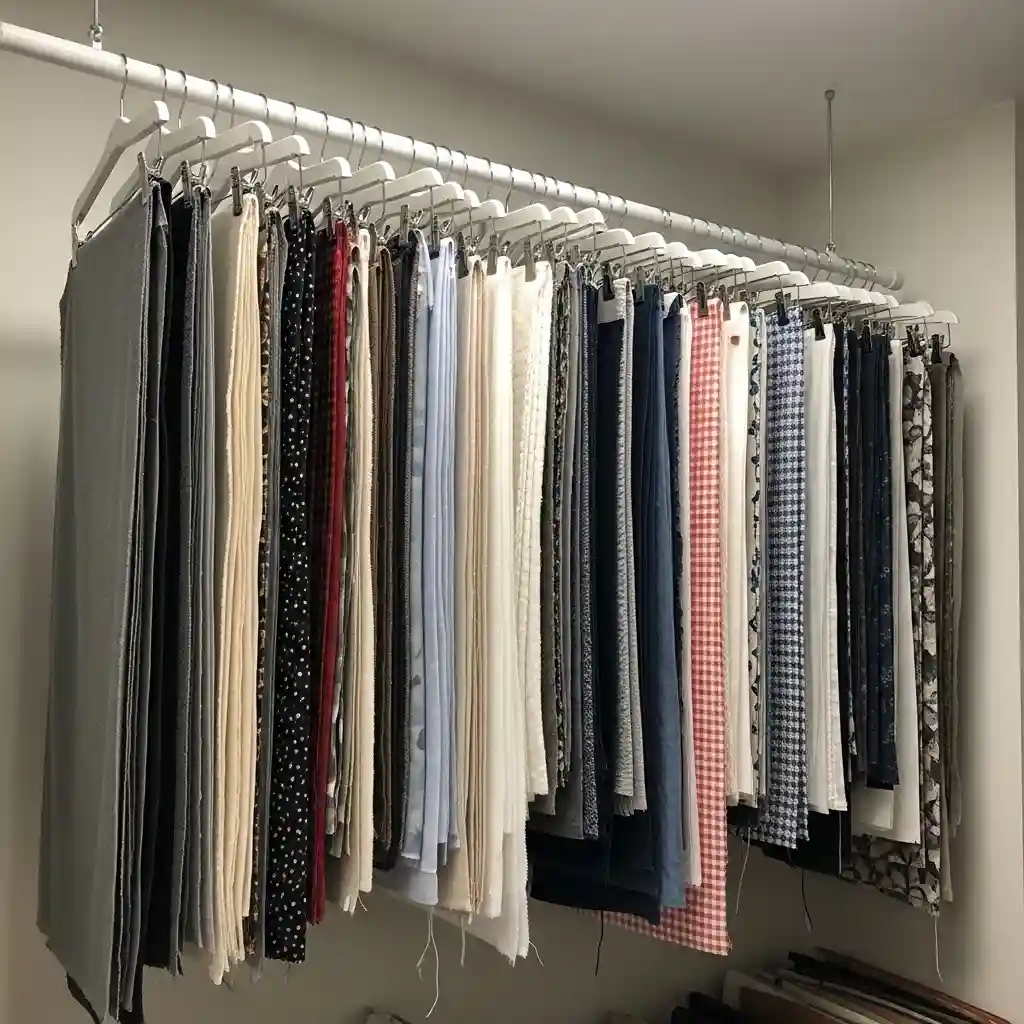
Source: @motifspace
| Rod Type | Fabric Capacity | Installation | Best Location |
|---|---|---|---|
| Tension | 15-20 pieces | No Drilling | Closet |
| Wall-Mount | 25-35 pieces | Permanent | Sewing Room |
| Freestanding | 20-30 pieces | Portable | Anywhere |
Organize hanging fabrics by color creating a rainbow effect that inspires. Or group by project keeping related fabrics together for quick access. The vertical hanging prevents creases while showcasing your beautiful fabric collection daily. This system works particularly well for special occasion or expensive fabrics needing extra care.
11. Clear Container Visibility Method
Use transparent storage containers allowing instant fabric identification without opening anything. Stack clear bins efficiently maximizing vertical storage space beautifully throughout your room. Label containers on multiple sides for easy identification from any angle. This see-through organization prevents forgotten fabric syndrome completely eliminating surprises later. Transparent systems like coffered ceiling ideas showcase contents beautifully.
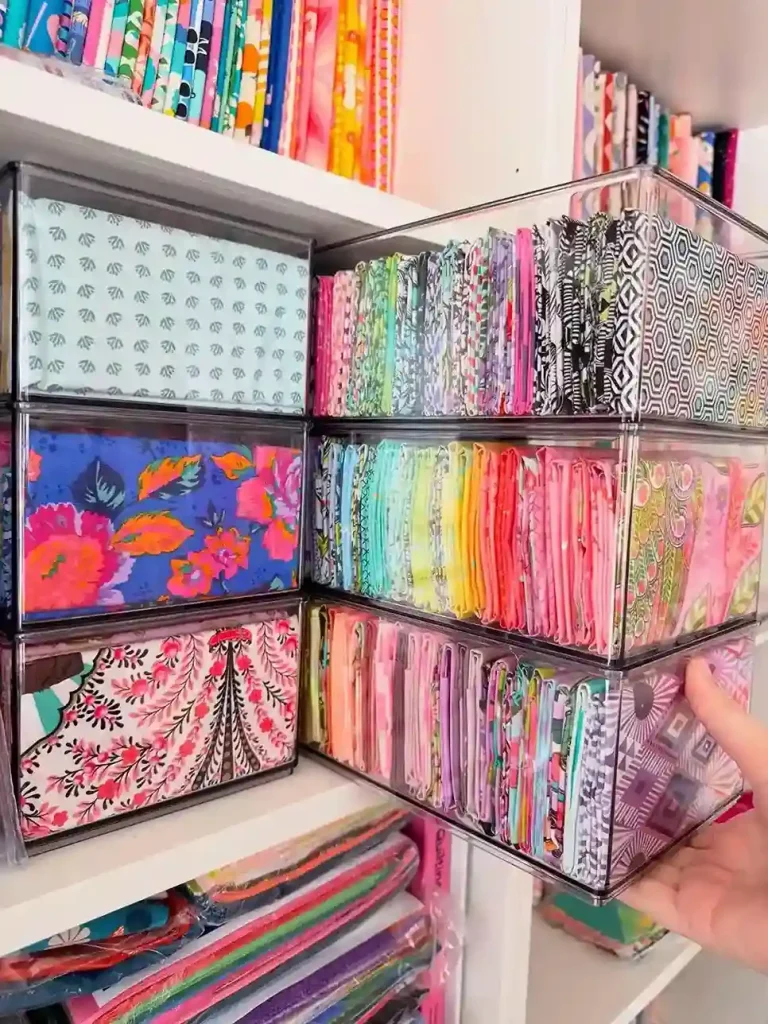
Source: @eriequiltc
| Container Size | Fabric Amount | Stackability | Cost Range |
|---|---|---|---|
| Small (6qt) | 5-8 yards | 6 high | $3-6 |
| Medium (16qt) | 10-15 yards | 4 high | $6-10 |
| Large (32qt) | 20-30 yards | 3 high | $10-16 |
Choose containers with secure lids protecting fabrics from dust and moisture damage. Stack same-size containers creating neat organized towers throughout your space efficiently. Add fabric swatches to container fronts showing contents without opening them up. This transparent organization makes inventory management simple while keeping fabrics perfectly protected always.
12. Fold Template Consistency System
Create cardboard folding templates ensuring all fabrics fold to uniform sizes. Consistent folding creates neat professional-looking stacks that maximize storage space efficiently. Templates speed up the folding process making organization much faster overall. Uniform sizes allow fabrics to stack perfectly without toppling over messily. Consistent methods found in front porch ceiling guide create polished appearances.
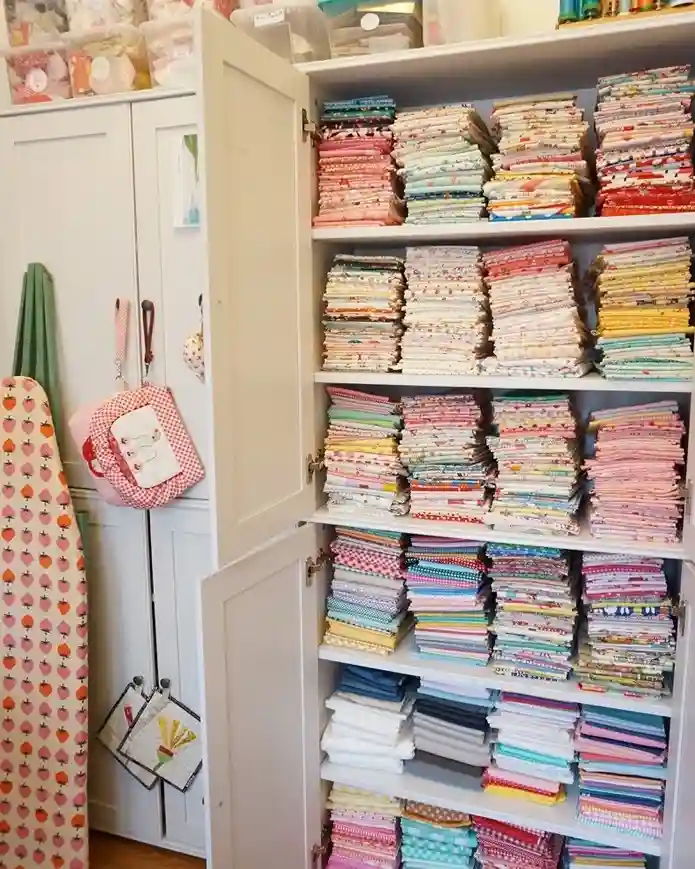
Source: @charisecreates
| Template Size | Fabric Capacity | Stack Height | Storage Type |
|---|---|---|---|
| 6″x6″ | Fat Quarters | 8-10 high | Shelf |
| 8″x12″ | 1-2 Yards | 6-8 high | Bin |
| 12″x18″ | 3+ Yards | 4-6 high | Drawer |
Cut templates from sturdy cardboard using your preferred folding dimensions exactly. Fold all fabrics around templates creating uniform rectangles stacking beautifully together. Store templates with fabrics so refold ing maintains the same size consistently. This professional organization method transforms messy fabric piles into neat organized stacks instantly.
13. Digital Fabric Inventory Tracking
Photograph every fabric piece creating a digital catalog you can reference. Record fabric type, yardage, color, and potential uses in spreadsheet format. This inventory prevents buying duplicate fabrics accidentally when shopping trips occur. Update inventory immediately when using fabrics keeping records accurate and current. Digital tracking similar to bedroom paint colors planning prevents costly mistakes.
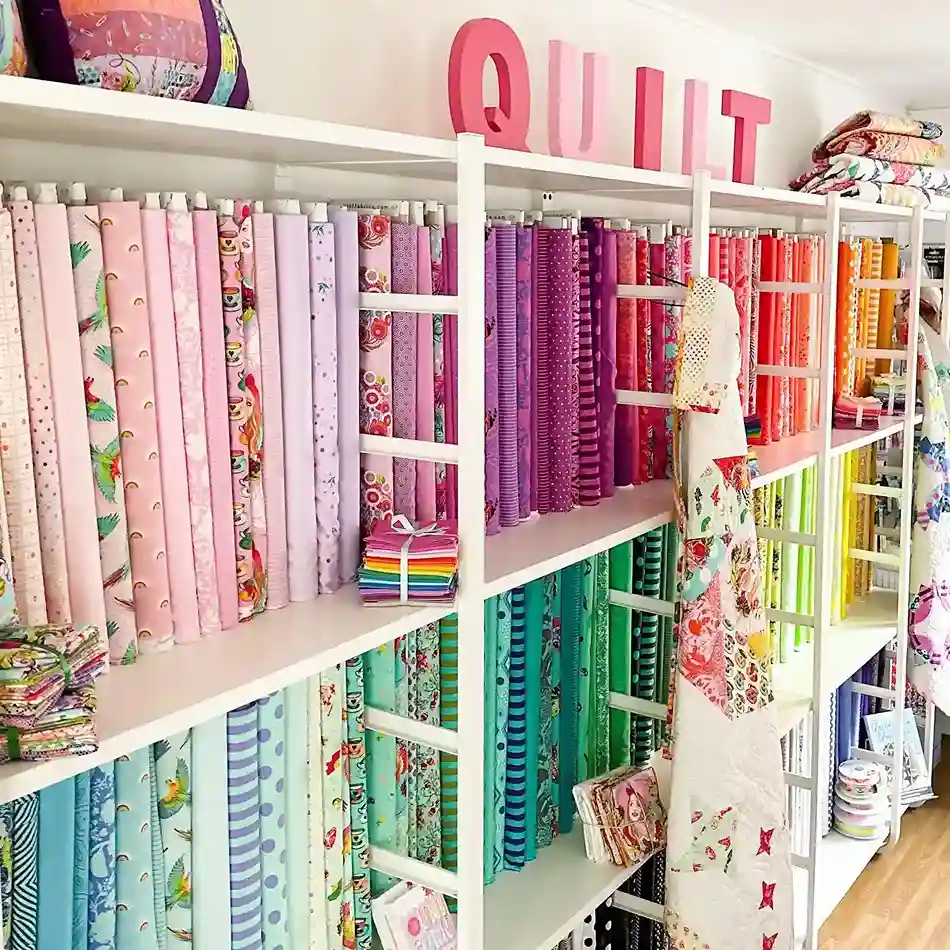
Source: @pamandnickyquilts
| Tracking Method | Time Investment | Accuracy | Accessibility |
|---|---|---|---|
| Spreadsheet | Medium | High | Anywhere |
| App | Low | High | Mobile |
| Notebook | High | Medium | Home Only |
Include close-up photos showing fabric print details clearly for accurate identification. Note where each fabric is stored for quick physical location when needed. Add project ideas or pattern numbers to each fabric entry for future planning. This digital system prevents overbuying while helping you fully utilize existing fabric stash.
14. Specialty Fabric Separate Storage
Keep specialty fabrics like sequins, velvet, or delicate laces stored separately. These materials need special care preventing damage to themselves and other fabrics. Use individual fabric bags or wrapping protecting delicate textures from snagging issues. Store expensive or sentimental fabrics in premium storage preventing any potential damage. Special care like wood plank ceiling ideas adds value and longevity.
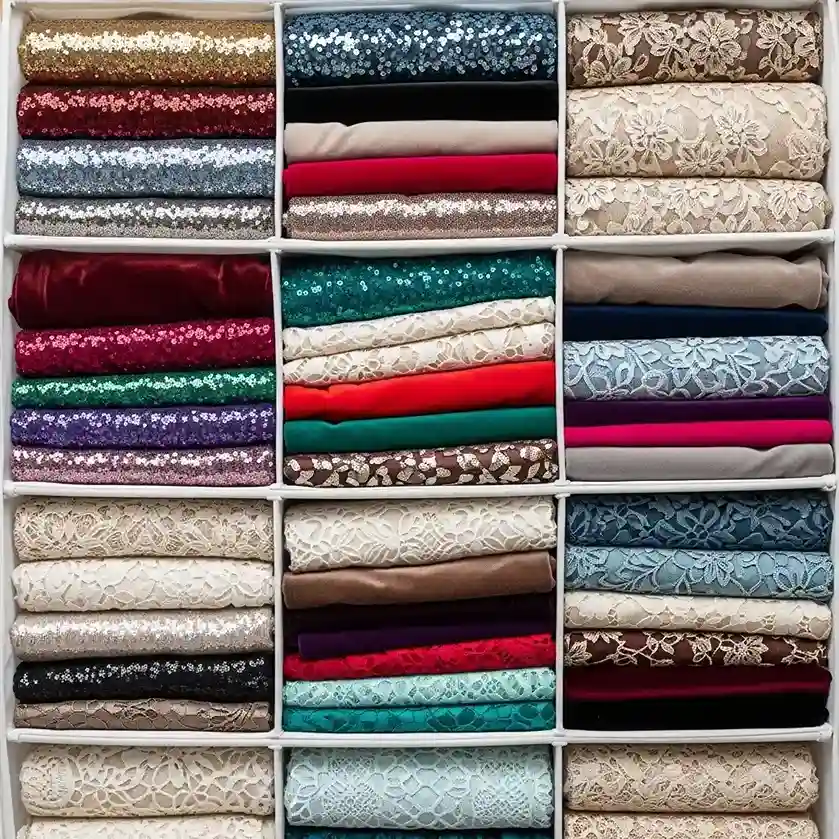
Source: @motifspace
| Fabric Type | Storage Need | Protection Method | Location |
|---|---|---|---|
| Sequined | No Rubbing | Individual Wrap | Drawer |
| Velvet | No Crushing | Hanging | Rod |
| Lace | No Snagging | Tissue Paper | Box |
Wrap delicate fabrics in acid-free tissue paper before storing them away safely. Hang fabrics that crush easily like velvet preventing permanent texture damage. Store specialty fabrics separately from everyday cottons avoiding accidental cross-contamination or damage. This careful organization protects your investment in special materials ensuring long-term preservation.
15. Bolt Rolling Fabric Storage
Roll larger fabric pieces around cardboard tubes creating neat professional bolts. This method prevents fold creases while showcasing fabric prints beautifully and clearly. Store bolts vertically in bins or horizontally on shelves depending on space. Label bolt ends with fabric details for quick identification without unrolling. Professional storage like stunning tray ceiling ideas adds elegance affordably.
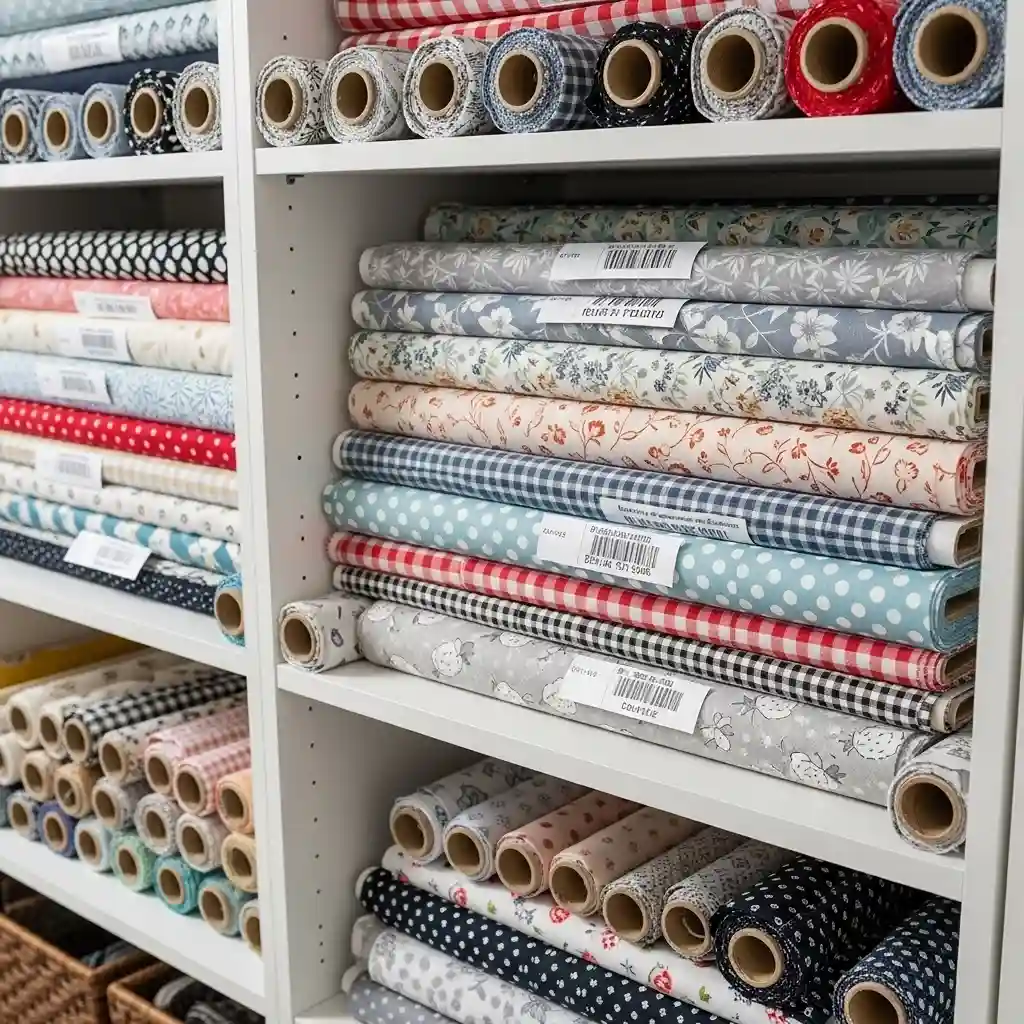
| Tube Diameter | Fabric Length | Storage Method | Space Used |
|---|---|---|---|
| 2 inches | 2-4 yards | Vertical Bin | Minimal |
| 3 inches | 4-6 yards | Horizontal Shelf | Medium |
| 4 inches | 6+ yards | Hanging | Efficient |
Secure fabric ends with rubber bands or decorative ribbon preventing unrolling accidents. Store bolts by color or type keeping similar fabrics grouped together. Rolling prevents those stubborn crease lines that folding can create over time. This commercial-style storage looks professional while keeping fabrics in pristine wrinkle-free condition.
16. Mini Bolt Comic Board System
Wrap fabric around comic book boards creating mini bolts for smaller cuts. These boards cost pennies making this an incredibly budget-friendly organization method. Stack wrapped boards vertically in magazine holders for easy browsing and selection. Label board edges with fabric details visible without removing from holders. Affordable systems like vaulted ceiling living room ideas maximize budgets.
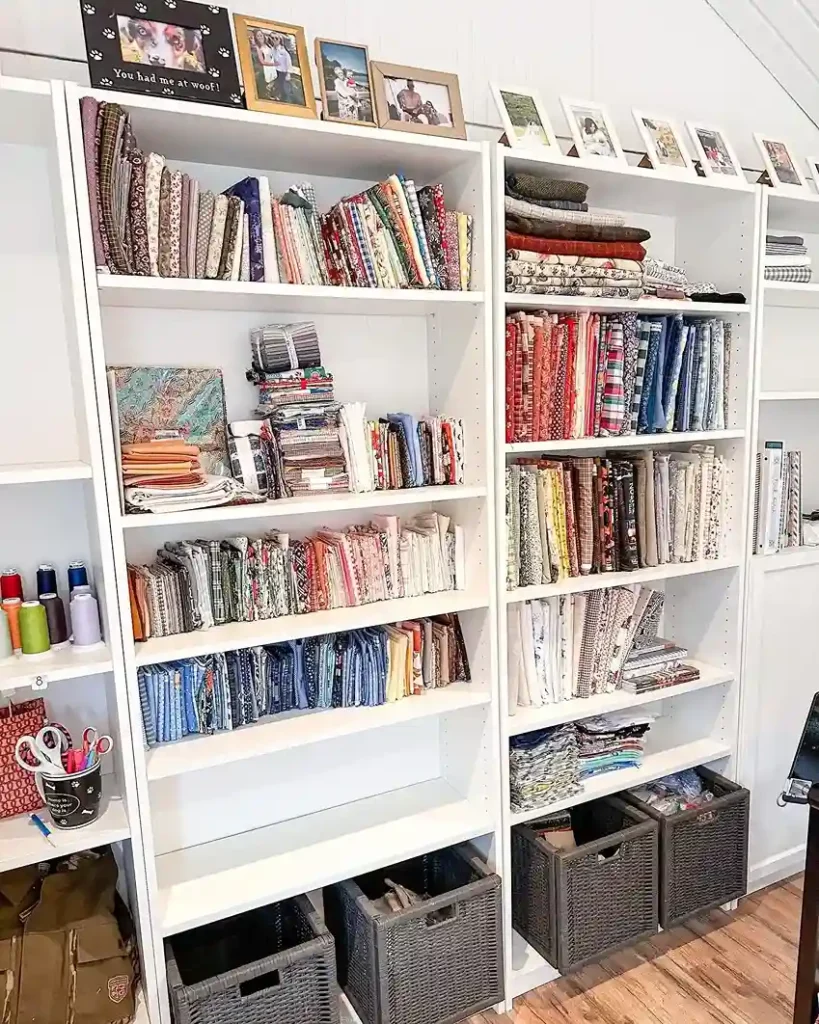
Source: @thebackporchstitcher
| Board Size | Fabric Amount | Cost Per Board | Holder Capacity |
|---|---|---|---|
| 7″x10″ | 1-2 yards | $0.10-0.25 | 40-50 boards |
| 8″x12″ | 2-3 yards | $0.15-0.30 | 30-40 boards |
| 11″x17″ | 3-4 yards | $0.25-0.50 | 20-30 boards |
This method mimics fabric stores’ bolt system making selection shopping-like and fun. The uniform size creates neat organized appearance throughout your fabric area. Boards prevent wrinkles while making fabrics easily visible for quick perusal. This professional organization costs almost nothing while looking incredibly polished and intentional.
17. Label Everything Clearly System
Comprehensive labeling transforms any organization system into a highly functional tool. Label every bin, drawer, shelf, and container with detailed contents information. Include fabric type, color, yardage, and any other relevant details clearly. Good labels prevent wasted time searching through multiple containers finding specific fabrics. Clear labeling like home interior decor ideas prevents confusion daily.
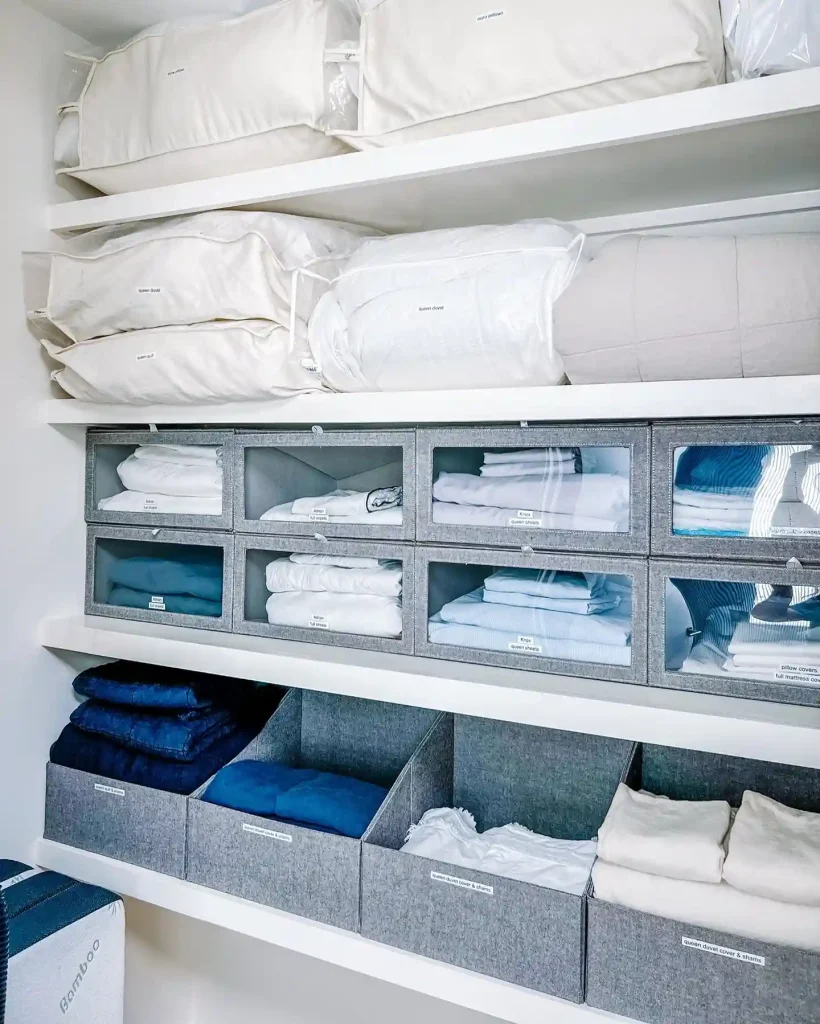
Source: @afreshspace
| Label Type | Durability | Cost | Best For |
|---|---|---|---|
| Handwritten | Low | Free | Temporary |
| Printed | Medium | Low | Semi-permanent |
| Label Maker | High | Medium | Permanent |
Use consistent labeling format throughout your entire fabric organization system clearly. Include fabric swatches on labels showing actual fabric without opening containers. Color-code labels by category creating additional visual organization layers helpfully. Well-labeled storage systems save countless hours otherwise spent searching for specific fabrics.
18. Modular Cube Storage System
Invest in modular cube shelving creating customizable fabric storage solutions easily. Each cube holds fabric bins, baskets, or open displays depending on needs. The modular design allows system expansion as your fabric collection grows. Mix open and closed storage creating both display and hidden storage options. Modular systems similar to living room category furniture adapt perfectly.
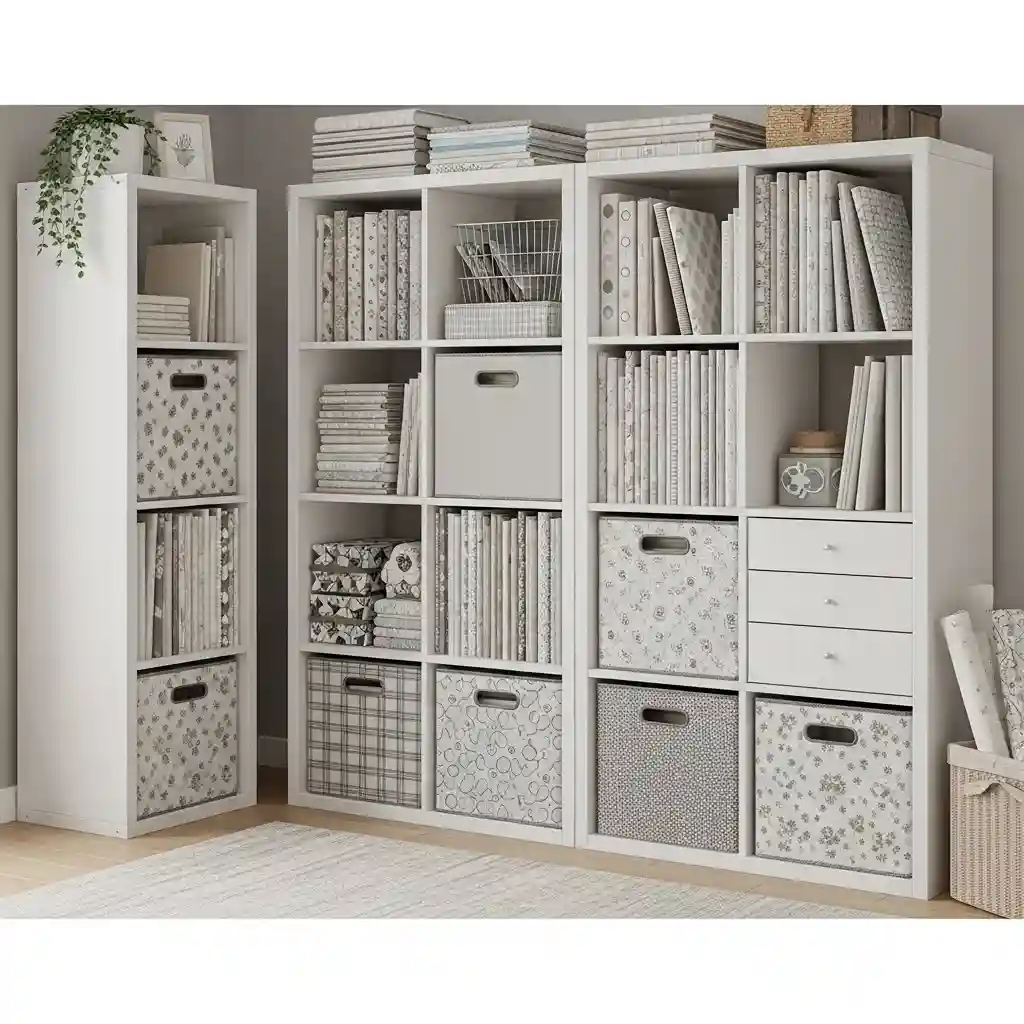
| Cube Configuration | Total Cubes | Floor Space | Fabric Capacity |
|---|---|---|---|
| 2×2 | 4 | 30″x30″ | 40-60 yards |
| 2×4 | 8 | 30″x61″ | 80-120 yards |
| 4×4 | 16 | 58″x58″ | 160-240 yards |
Fill cubes with fabric bins in coordinating colors creating cohesive organized appearance. Leave some cubes open displaying your prettiest fabrics as decorative elements. Mix cube sizes creating visual interest while accommodating different storage needs. This flexible system grows with your fabric collection without requiring complete reorganization later.
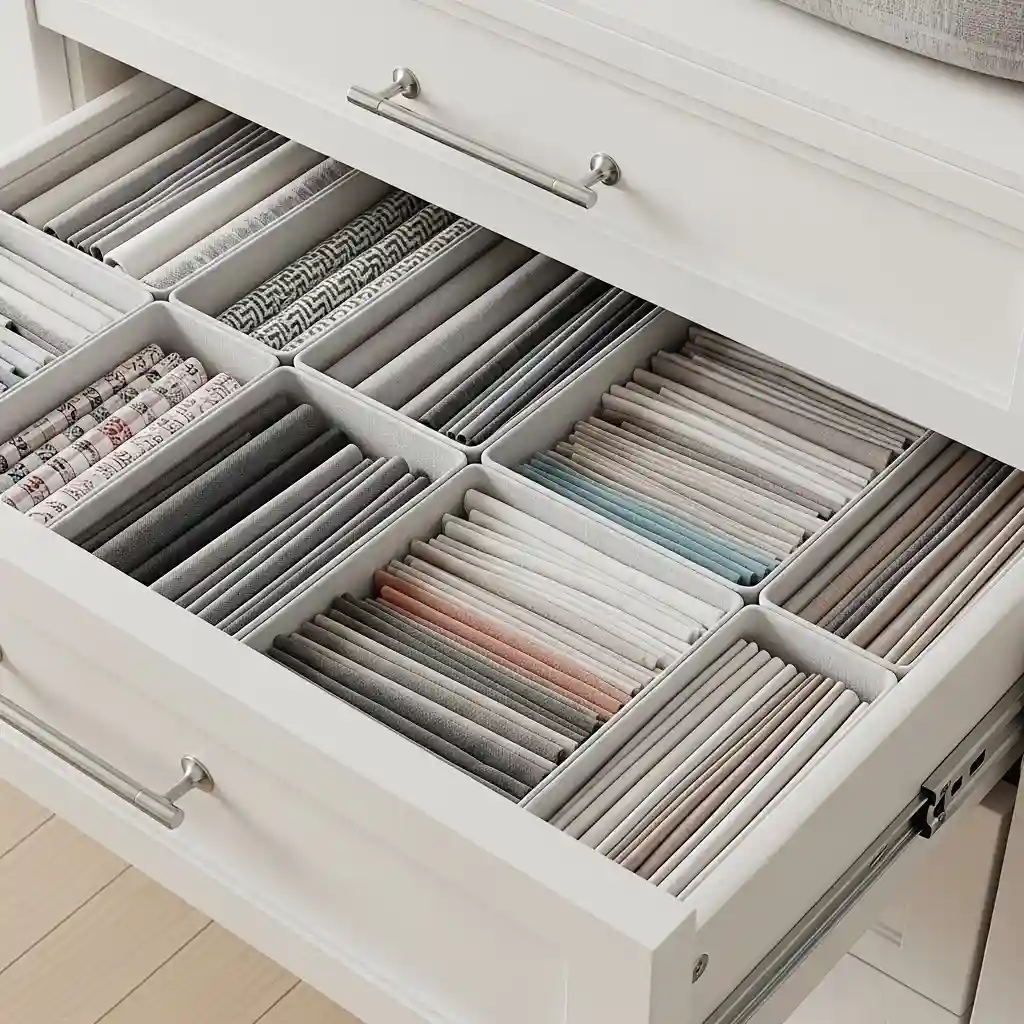
19. Drawer Divider Fabric Sections
Install drawer dividers creating separate sections within each drawer for organization. Each section holds specific fabric categories preventing everything from mixing together messily. Adjustable dividers accommodate different fabric quantities flexibly over time as needed. This organized approach maximizes drawer space while keeping fabrics perfectly separated always. Sectioned organization like home interior design ideas creates efficient systems.
| Divider Type | Flexibility | Cost | Installation |
|---|---|---|---|
| Adjustable | High | $15-30 | Easy |
| Custom-Cut | None | $5-10 | DIY |
| Spring-Loaded | Medium | $20-40 | Very Easy |
Use dividers creating sections by color, type, or project within drawers. The compartmentalized approach prevents fabrics from shifting around and mixing up. Shallow dividers work for flat fabric storage while deeper ones accommodate rolls. This internal organization makes drawer storage much more functional and accessible daily.
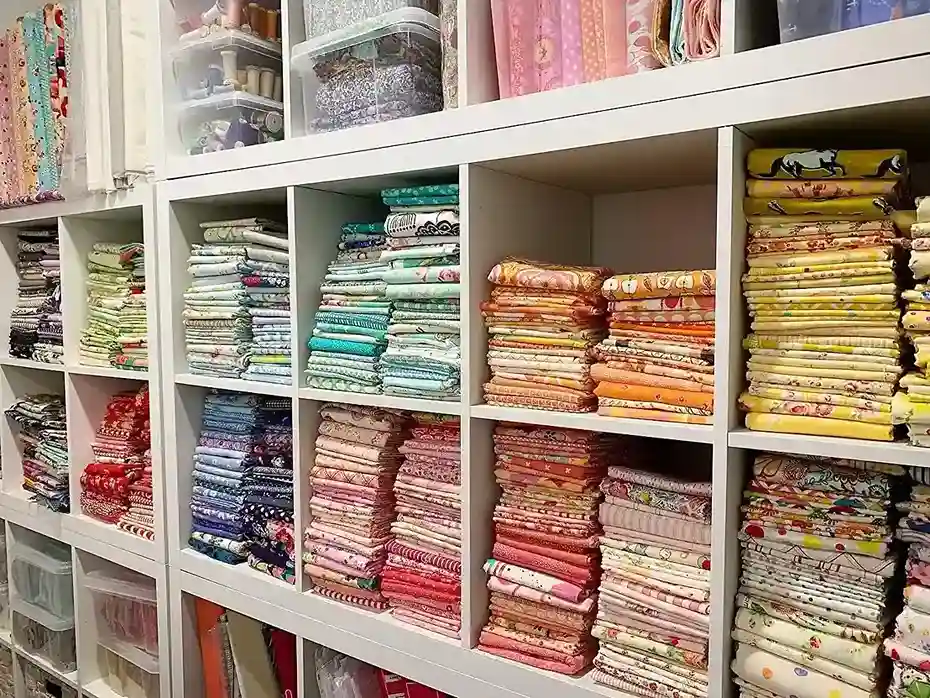
20. Rotation Shopping System
Implement a shopping rotation system preventing fabric hoarding and overspending issues. Before buying new fabric, shop your existing stash first thoroughly. Rotate older fabrics to front positions keeping them visible and remembered. Use fabrics according to purchase date ensuring nothing languishes forgotten forever. Mindful rotation like bedroom category organization prevents waste.
Source: @sand_salt_sew
| Time Period | Action Required | Goal | Outcome |
|---|---|---|---|
| Monthly | Shop Stash First | Use Existing | Less Waste |
| Quarterly | Rotate Forward | Visibility | Use Older Fabrics |
| Annually | Purge Unused | Declutter | Manageable Collection |
Create a fabric shopping list before store visits preventing impulse purchases. Challenge yourself to use fabrics from your stash before buying new. Donate fabrics you realistically won’t use freeing up valuable storage space. This disciplined approach keeps your collection manageable while reducing unnecessary spending and waste.
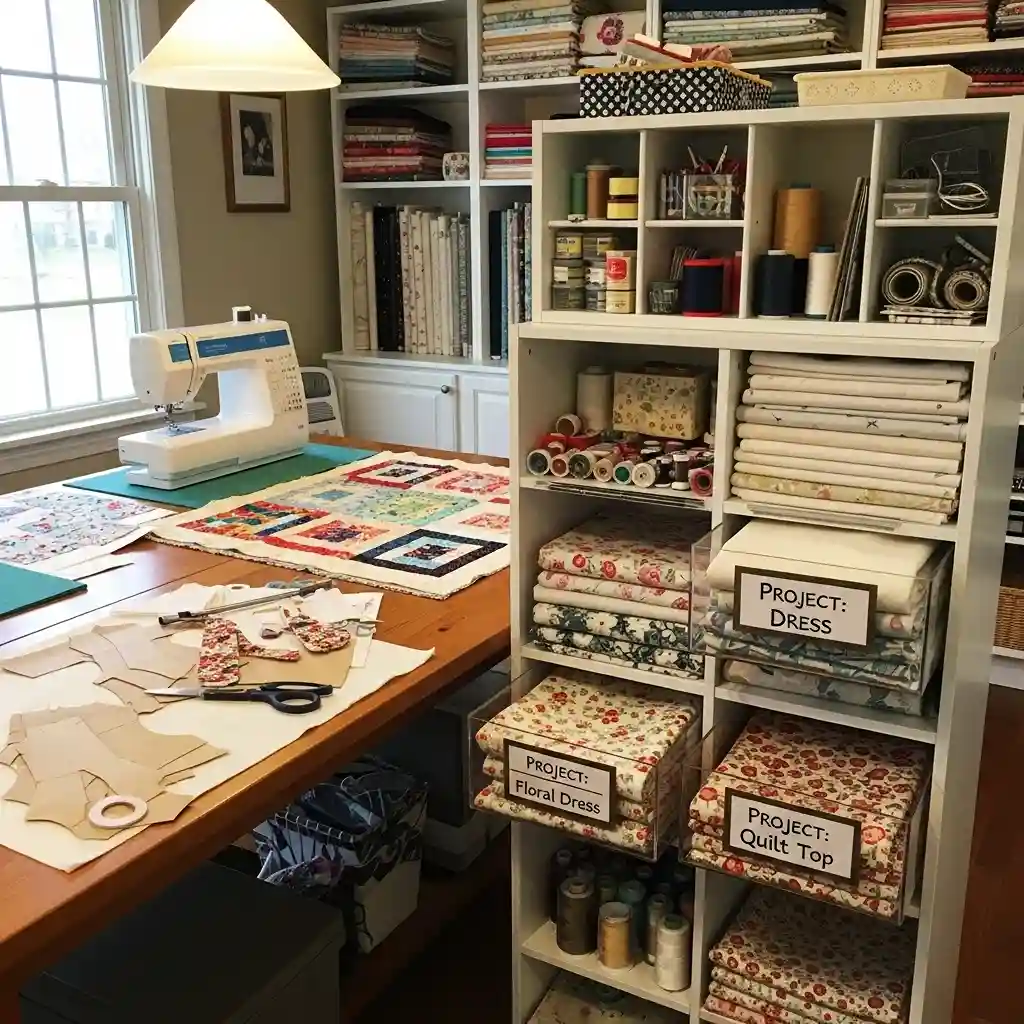
21. Work-in-Progress Dedicated Storage
Assign specific storage space exclusively for current work-in-progress projects always. Keep these fabrics separate from your general stash preventing accidental misuse. Store all project components together including cut pieces, patterns, and notions. This dedicated space keeps active projects organized and ready to sew. Dedicated zones similar to multipurpose rooms ideas maximize efficiency.
| Storage Type | Project Count | Access | Organization Time |
|---|---|---|---|
| Hanging Bags | 3-5 | Immediate | 5 minutes |
| Project Bins | 5-8 | Quick | 10 minutes |
| Shelf Section | 8-12 | Easy | 15 minutes |
Use clear bags or bins allowing quick visual project status checks easily. Label each project container with name, deadline, and completion percentage tracking. This separate storage prevents accidentally cutting into project fabrics for other uses. Having dedicated WIP storage helps you finish projects before starting new ones.
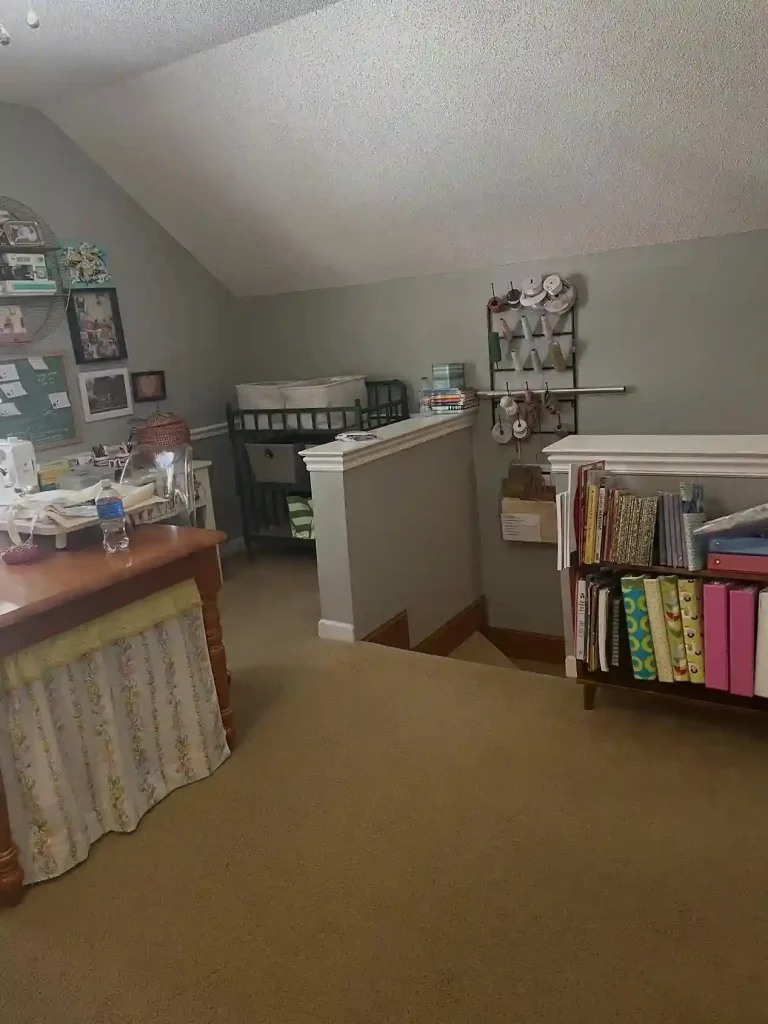
22. Fabric Care Instructions Filing
Keep care instructions and fiber content information with each fabric piece. This prevents ruined projects from incorrect washing or pressing later on. Attach small tags to fabrics noting care requirements and fiber content. Store fabric receipts with instructions for return or reference purposes later. Documented care like wood plank ceiling ideas maintenance extends lifespan.
Source: @emptynestsewingshop
| Information Type | Storage Method | Importance | Access Frequency |
|---|---|---|---|
| Fiber Content | Fabric Tag | Critical | Pre-sewing |
| Care Instructions | Attached Note | Critical | Post-sewing |
| Purchase Date | Digital Log | Helpful | Occasionally |
Create a reference binder with care symbols and common fabric information sheets. Test unfamiliar fabrics for washing and pressing requirements before cutting projects. This documentation prevents costly mistakes when laundering finished projects later on. Proper care information ensures your handmade items last for years to come.
23. Fabric Swatch Reference Book
Create a physical swatch book containing small pieces from every fabric. Organize swatches by color, type, or whatever system matches your storage. Carry this book when shopping for coordinating fabrics or notions easily. Reference swatches when planning projects away from your sewing room conveniently. Portable references like coffered ceiling ideas planning enable remote decision-making.
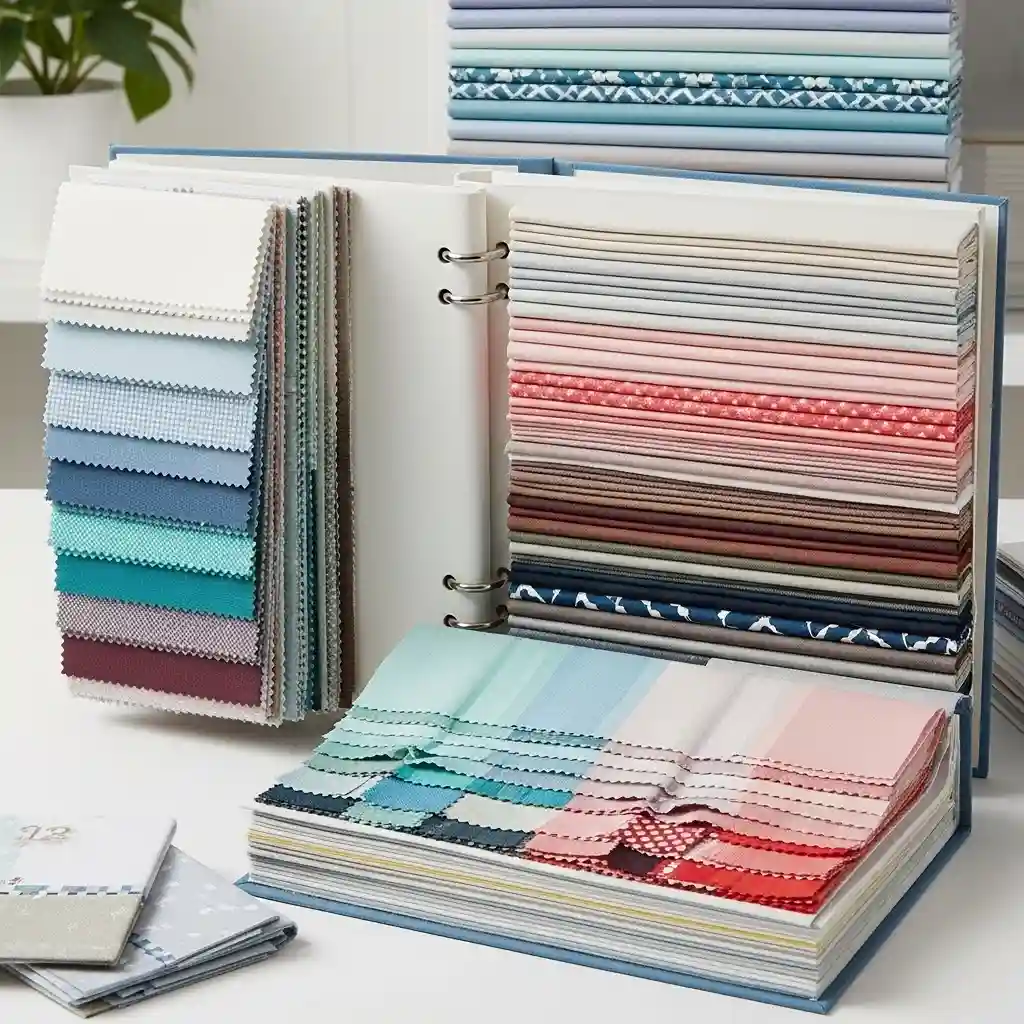
| Book Type | Capacity | Organization | Portability |
|---|---|---|---|
| Ring Binder | 100+ swatches | Removable | Medium |
| Photo Album | 200+ swatches | Fixed | High |
| Card File | 300+ swatches | Indexed | Medium |
Include fabric name, yardage, and storage location with each swatch entry. This reference prevents buying duplicates while shopping in stores or online. Update swatch book as you acquire or use fabrics keeping it current. This portable reference makes shopping trips more productive and prevents costly duplicate purchases.
24. Frequency-Based Accessibility System
Store frequently used fabrics in the most accessible prime locations always. Place occasionally used materials in less convenient but still reachable spots. Archive rarely used specialty fabrics in long-term storage locations accordingly. This strategic placement streamlines your daily sewing workflow significantly and efficiently. Strategic placement similar to front porch ceiling guide design optimizes function.
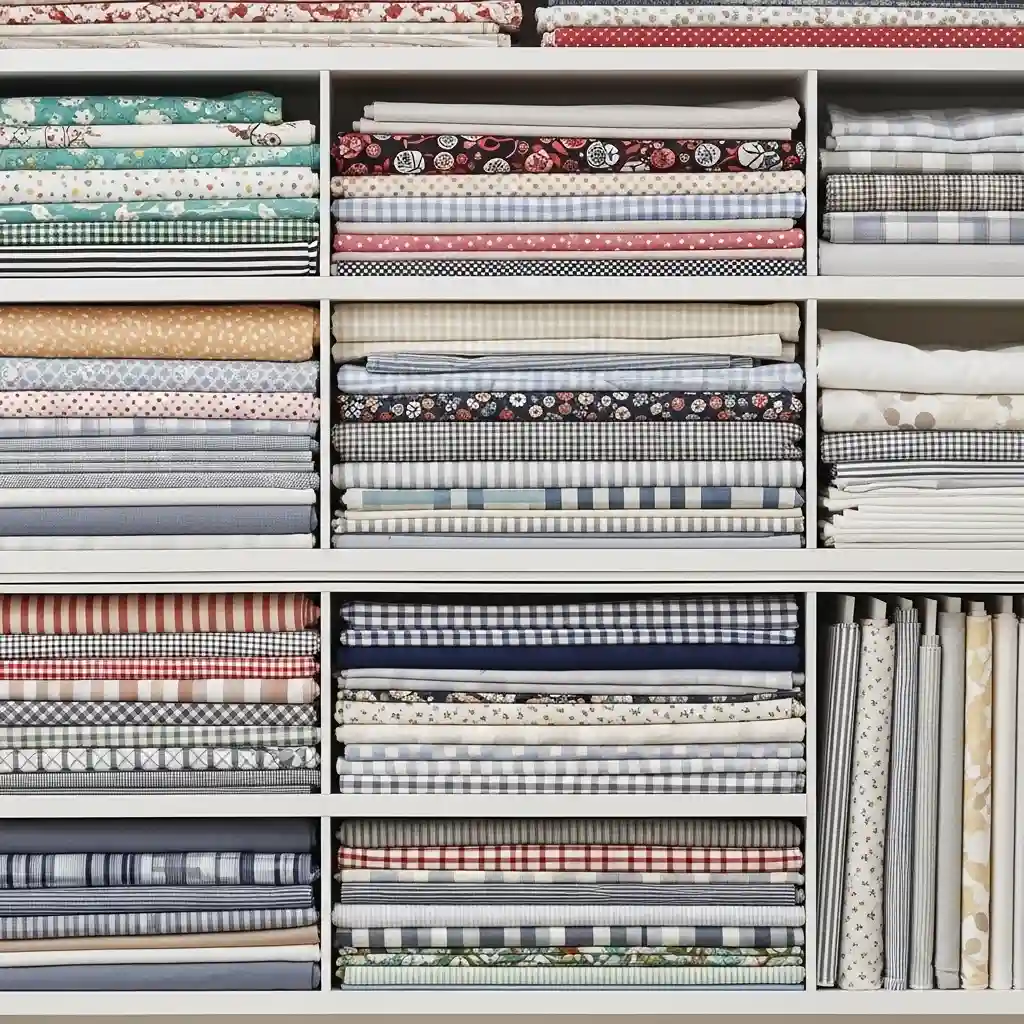
| Usage Frequency | Storage Location | Access Time | Typical Fabrics |
|---|---|---|---|
| Daily | Eye Level | Immediate | Current Projects |
| Weekly | Arm’s Reach | Quick | Cotton Basics |
| Monthly | Step Stool | Moderate | Specialty Fabrics |
Keep your go-to cottons and basics at eye level for instant access. Store seasonal or specialty fabrics higher or lower but still accessible. Archive precious fabrics or rarely used materials in protected long-term storage. This prioritized organization makes your most-used fabrics instantly available while keeping everything organized.
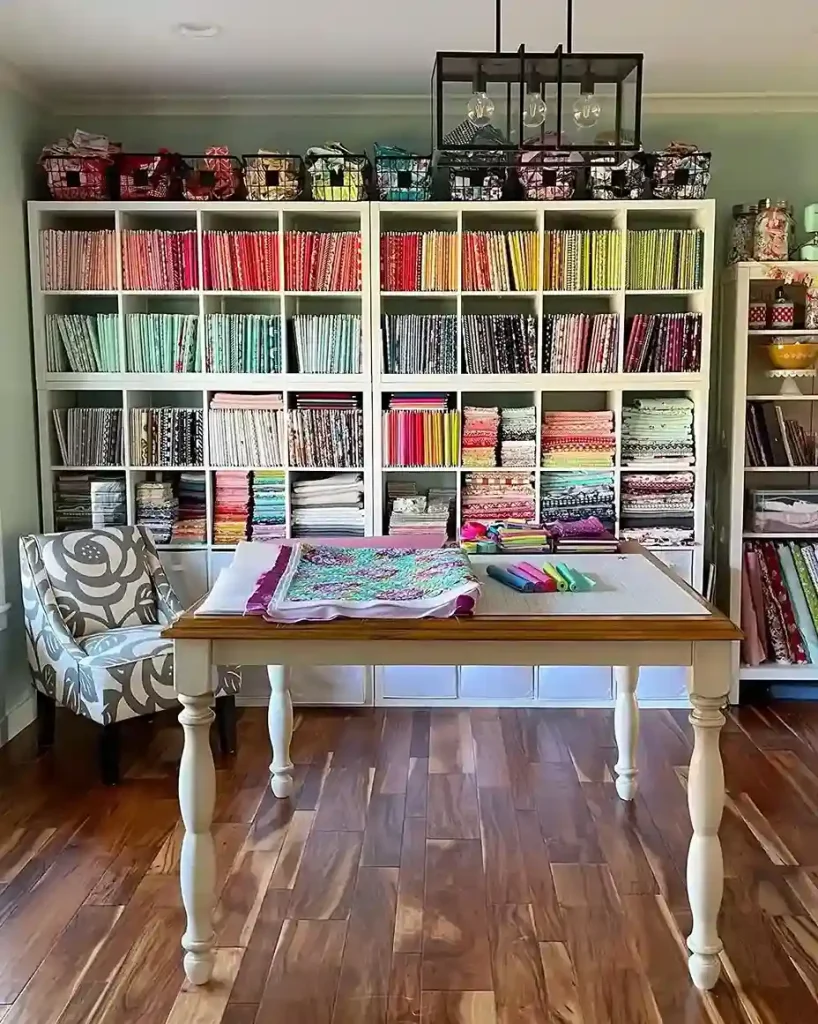
25. Maintenance Schedule Implementation
Establish regular maintenance schedule keeping your fabric organization system functional always. Weekly tidying prevents small messes from becoming overwhelming organizational disasters later. Monthly reviews ensure fabrics are stored properly and nothing needs attention. Annual deep cleaning reorganizes everything maintaining system effectiveness long-term continuously. Regular maintenance like vaulted ceiling guide upkeep preserves investment.
Source: @angiebrandlhandmad
| Frequency | Tasks | Time Required | Benefits |
|---|---|---|---|
| Weekly | Tidy, Refold | 15-30 min | Prevents Chaos |
| Monthly | Review, Rotate | 1-2 hours | Maintains System |
| Annually | Deep Clean, Purge | 4-8 hours | Fresh Start |
Set aside specific times for fabric organization maintenance tasks regularly. Return fabrics to proper locations immediately after use preventing accumulation mess. Refold fabrics occasionally along different lines preventing permanent crease damage formation. This ongoing maintenance keeps your organization system functional and efficient perpetually.
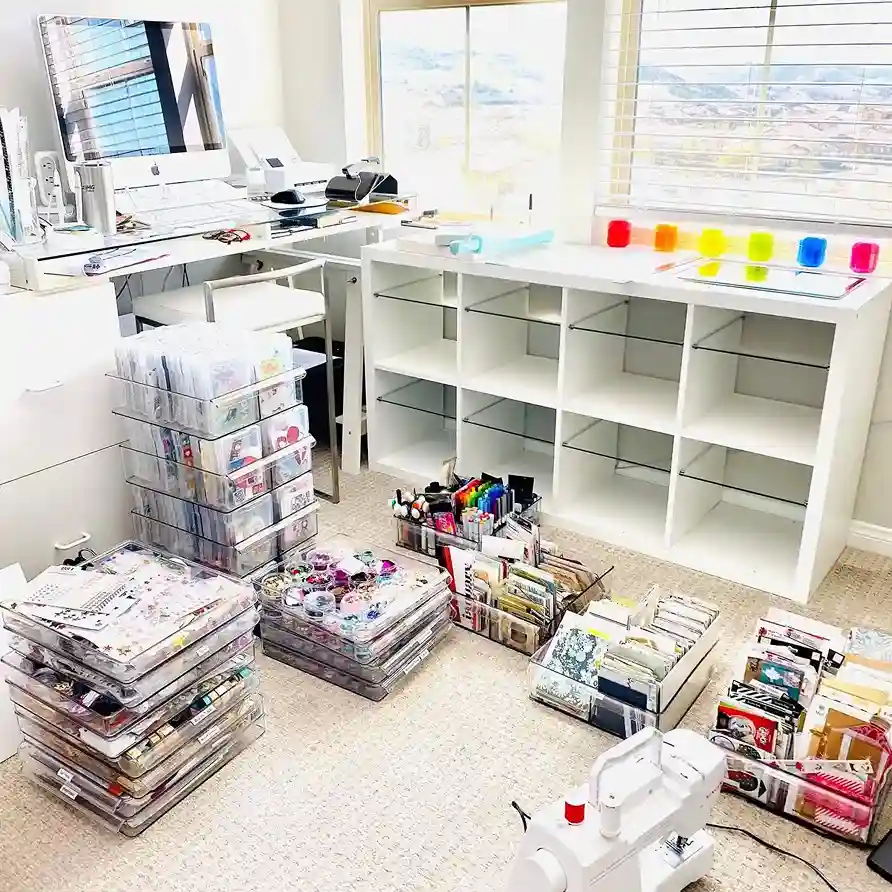
26. Personal Organization Evolution
Recognize your organization system should evolve as your needs change over time. What works today might not work as your collection or interests shift. Regularly assess your system’s effectiveness adjusting as necessary for optimal functionality. Don’t be afraid to try new methods finding what works best. Evolving systems like stunning tray ceiling ideas adapt to changing needs.
Source: @lisasoares
| Life Stage | Storage Needs | Organization Focus | Flexibility Level |
|---|---|---|---|
| Beginning | Small Collection | Simple Systems | High |
| Growing | Expanding Stash | Scalable Systems | Medium |
| Established | Large Collection | Maintained Systems | Low |
Start with simple organization methods expanding complexity as needed over time. Test different systems finding which methods work for your unique workflow. Combine multiple organization strategies creating custom hybrid systems perfectly suited to you. Your perfect organization system should feel natural and sustainable for long-term success.
Frequently Asked Questions
How often should I reorganize my fabric collection completely?
Most sewers benefit from complete reorganization once or twice yearly depending on collection size and usage patterns. Seasonal changes provide natural reorganization opportunities when rotating fabrics in and out of active storage. However, maintaining your system with weekly tidying and monthly touch-ups prevents need for frequent complete overhauls reducing time commitment significantly.
What’s the best way to organize fabric scraps effectively?
Organize scraps by color in clear containers for easy visibility and selection during projects. Sort larger scraps separately from small pieces using different container sizes appropriately for each. Consider organizing by size or potential use such as appliqué pieces versus quilting squares specifically. Regularly purge tiny scraps that realistically won’t be used preventing accumulation of unusable bits.
Should I organize fabric by color or by type primarily?
The best organization method depends entirely on your personal sewing style and project preferences really. Color organization works wonderfully for quilters and visual thinkers who coordinate fabrics aesthetically first. Type organization suits garment sewers who need specific materials for particular projects primarily instead. Many sewers successfully use hybrid systems combining both methods creating customized organization perfectly suited to their needs.
Conclusion
Effective fabric organization transforms your sewing space into an inspiring creative haven that sparks joy daily. These 26 practical ideas provide comprehensive solutions for any collection size, space, or budget realistically. Choose methods aligning with your personal style and sewing habits creating sustainable organization long-term successfully. Remember that perfect organization evolves over time adapting to your changing needs and growing collection.
Start implementing these fabric organization strategies today transforming chaos into beautifully organized creative inspiration. Your organized fabric collection will save time, reduce waste, prevent duplicate purchases, and inspire countless projects. The investment in proper organization pays dividends through increased productivity and sewing enjoyment guaranteed. Create your dream fabric organization system today using these proven practical methods that actually work.