Built-in shelving is the hallmark of a thoughtfully designed home. More than just storage, built-ins anchor a room, frame architectural features, and provide a curated backdrop for displaying your favorite items. They eliminate clutter while adding significant aesthetic value, turning blank walls into functional, stylish showpieces.
If you’re considering adding custom storage to your space, this guide offers 20 essential design and styling ideas to maximize the impact of your living room built-ins.
How to Design Built-in Shelves Around a Fireplace?
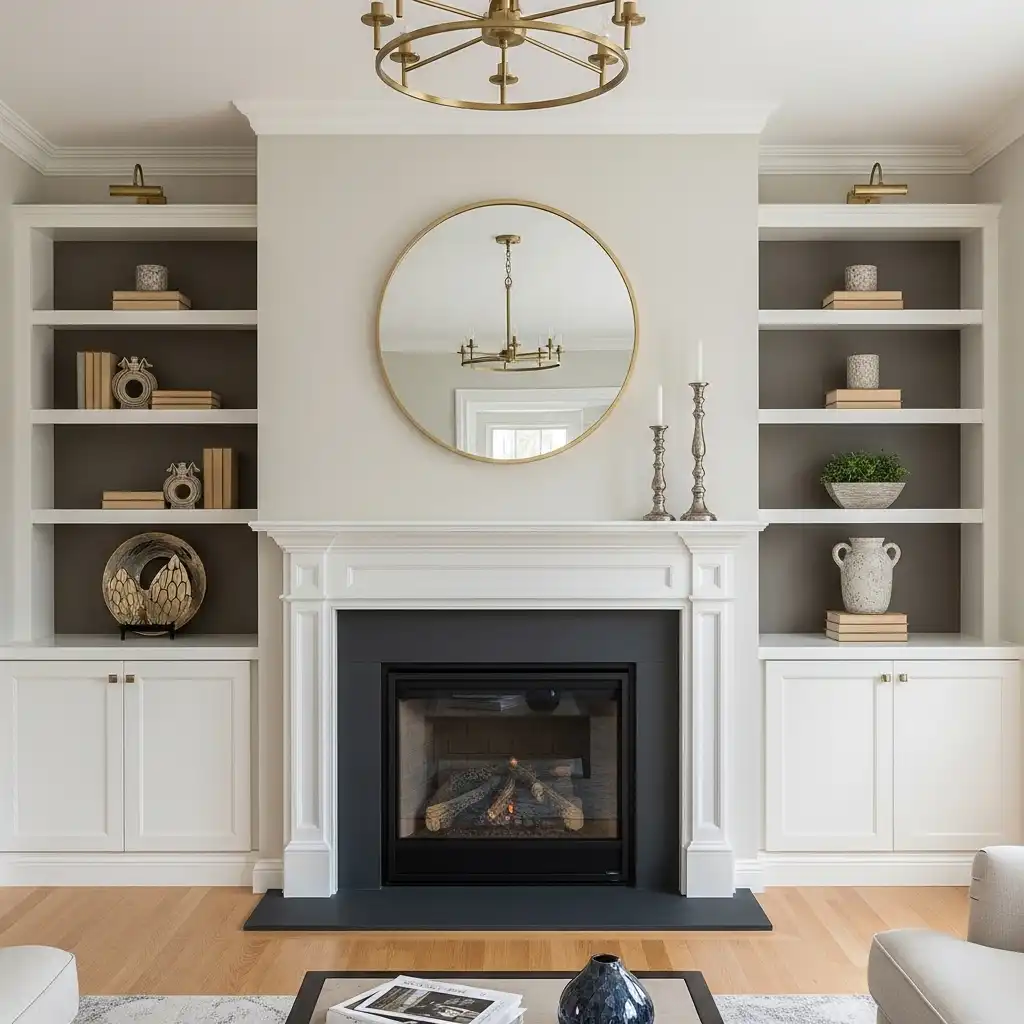
A fireplace is a natural focal point, and built-ins on either side create a powerful, balanced symmetry. Design the shelving to match the mantel height or run the bottom cabinets flush with the hearth. This configuration frames the fireplace, transforming it into a cohesive architectural unit and is one of the best fireplace ideas at your living place.
What is the Ideal Height and Depth for Living Room Built-ins?
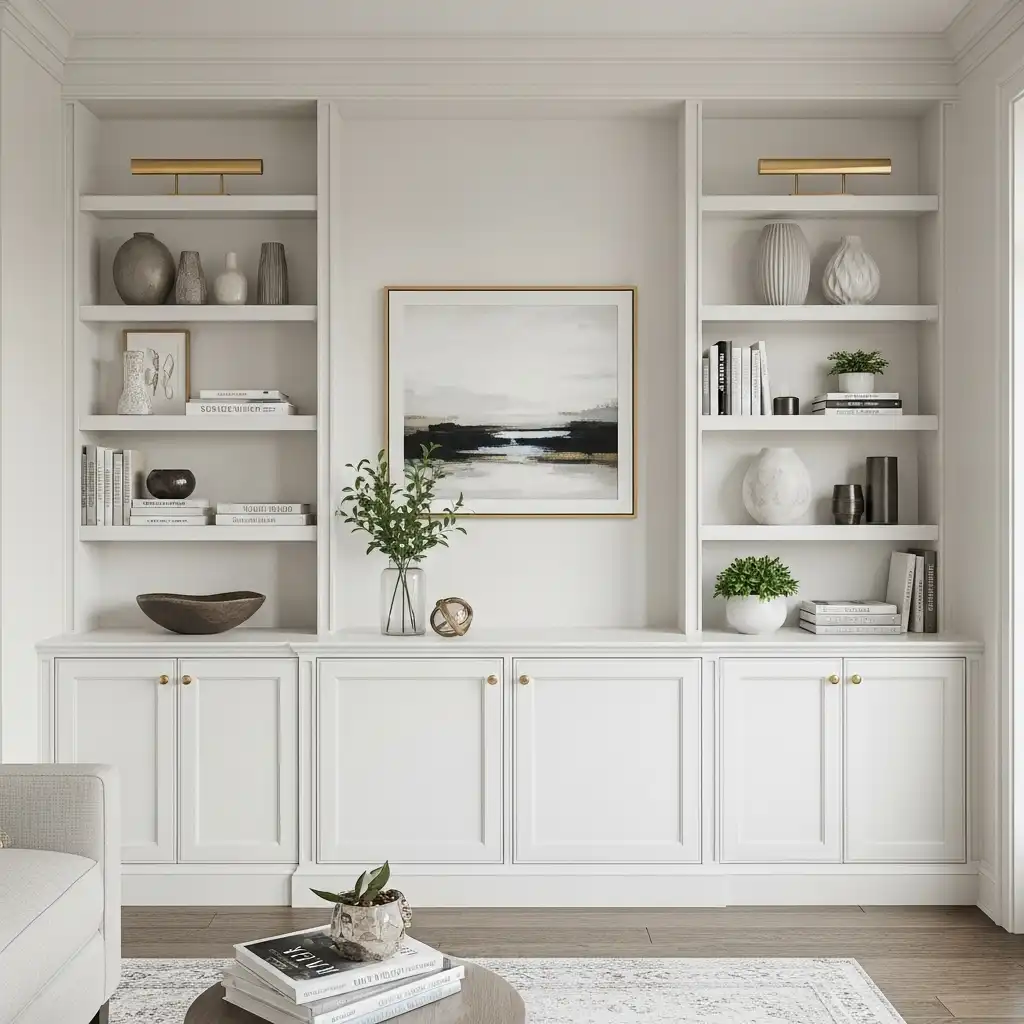
For standard display shelving, a depth of 10 to 12 inches is often ideal, as it comfortably holds most books and objects without feeling too bulky. Shelf height should vary, but aim for at least 12 to 18 inches between shelves to accommodate tall books, vases, or artwork.
How to Make Built-in Shelves Look Custom and Expensive?
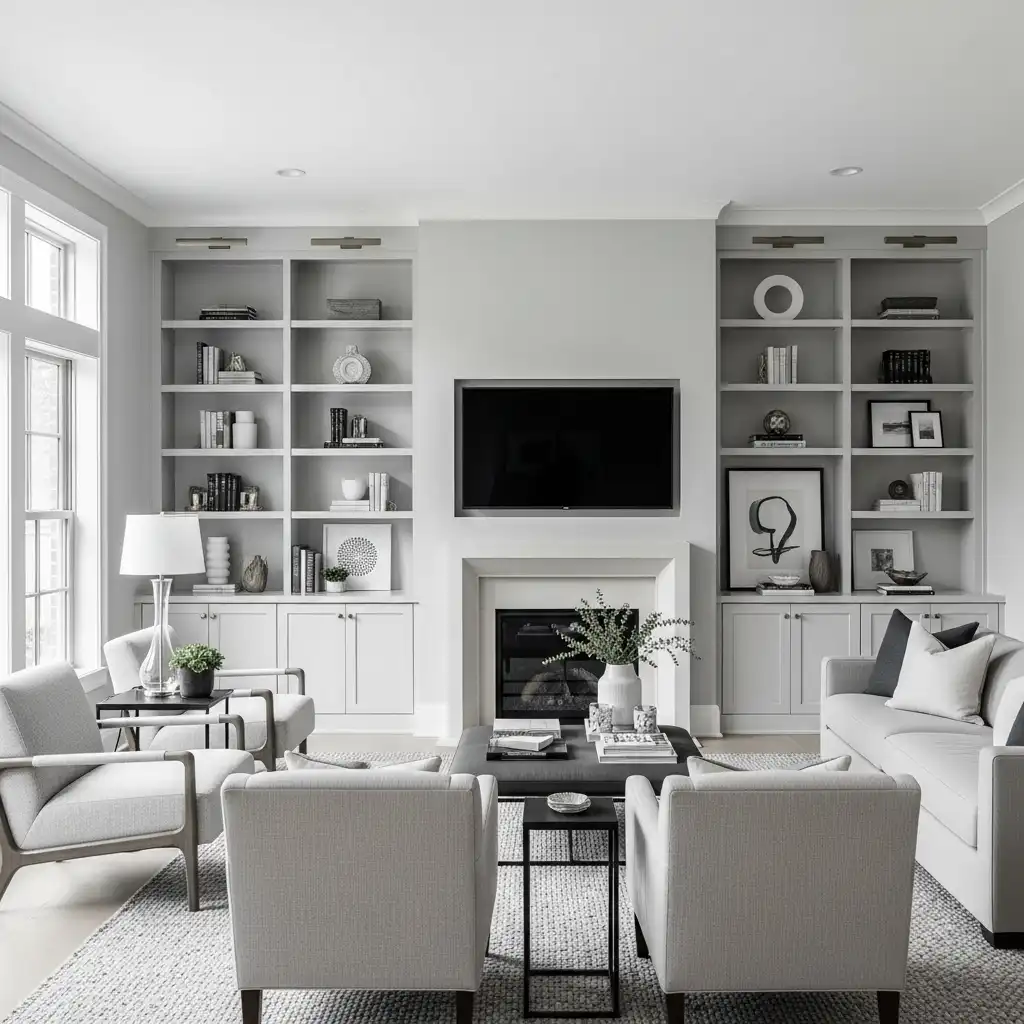
The secret lies in the details. Use crown molding at the top where the unit meets the ceiling, and include thick, high-quality trim around the edges. This architectural finish hides gaps and makes the shelving look seamlessly integrated with the wall.
Should I Paint Built-ins the Same Color as the Wall?
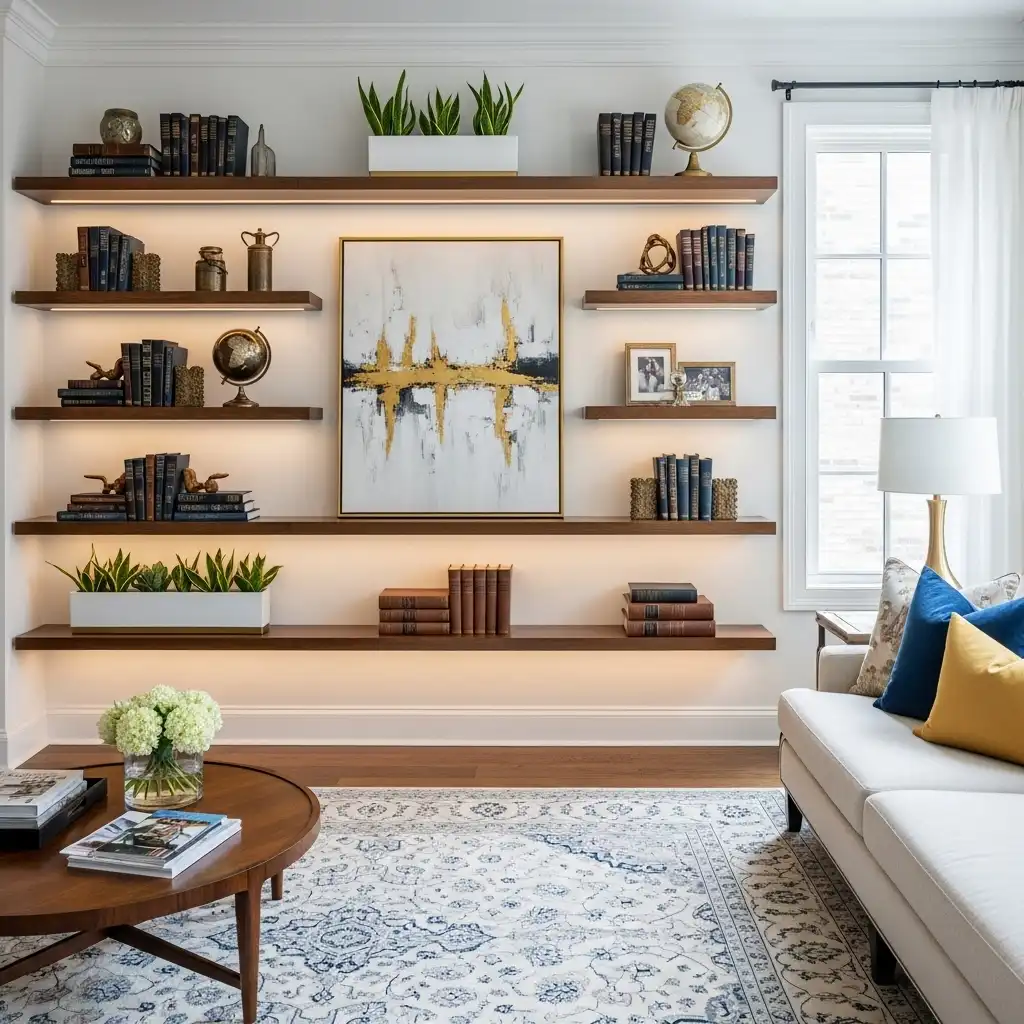
Painting built-ins the same color as the wall is a current trend that creates a sophisticated, cohesive, and monolithic look. Alternatively, for high contrast, paint them a deep, moody color (like navy or charcoal) while keeping the walls light.
How to Use Built-ins for a Stylish Hidden Storage Solution?
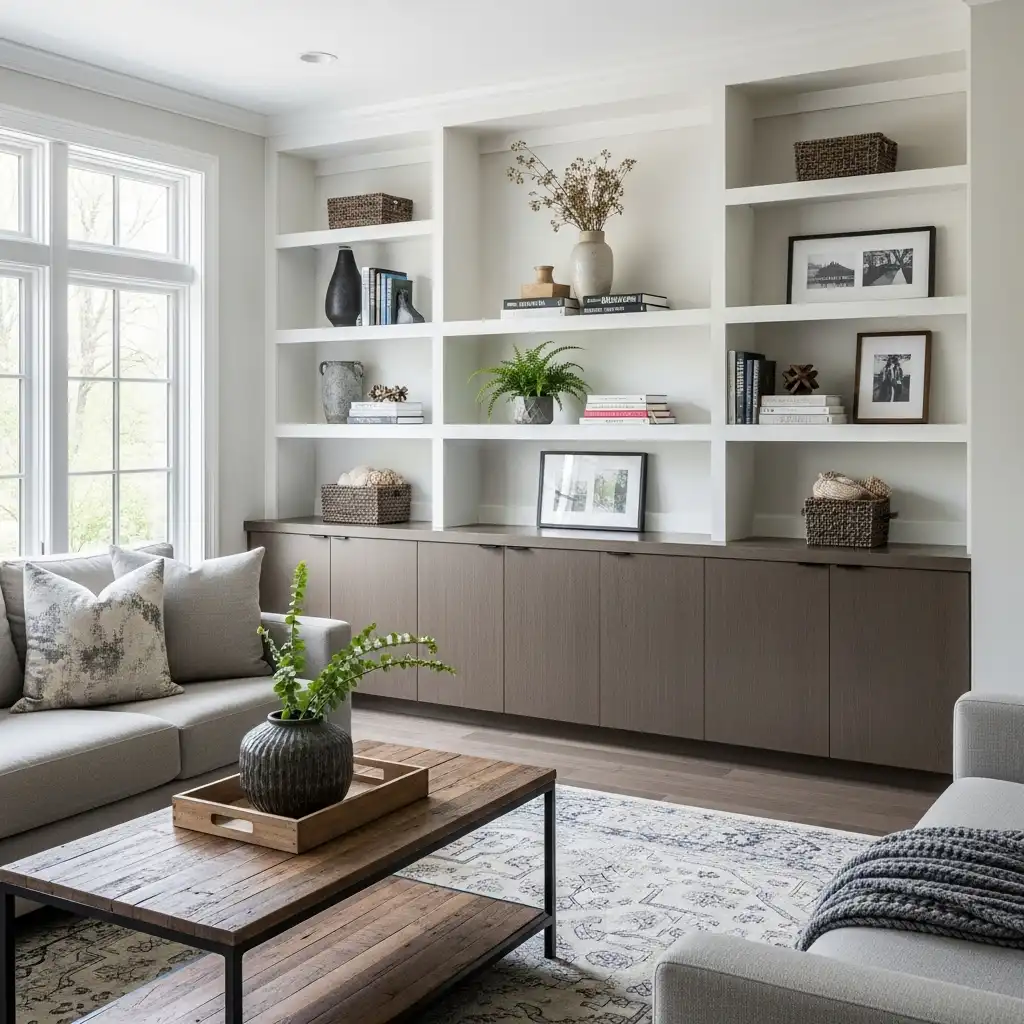
Incorporate closed cabinetry at the bottom third of your unit. This space is perfect for stashing away clutter—like toys, electronics, or paperwork—keeping your living room tidy while the open shelves above remain dedicated to beautiful display items.
What are the Best Lighting Options for Built-in Shelves?
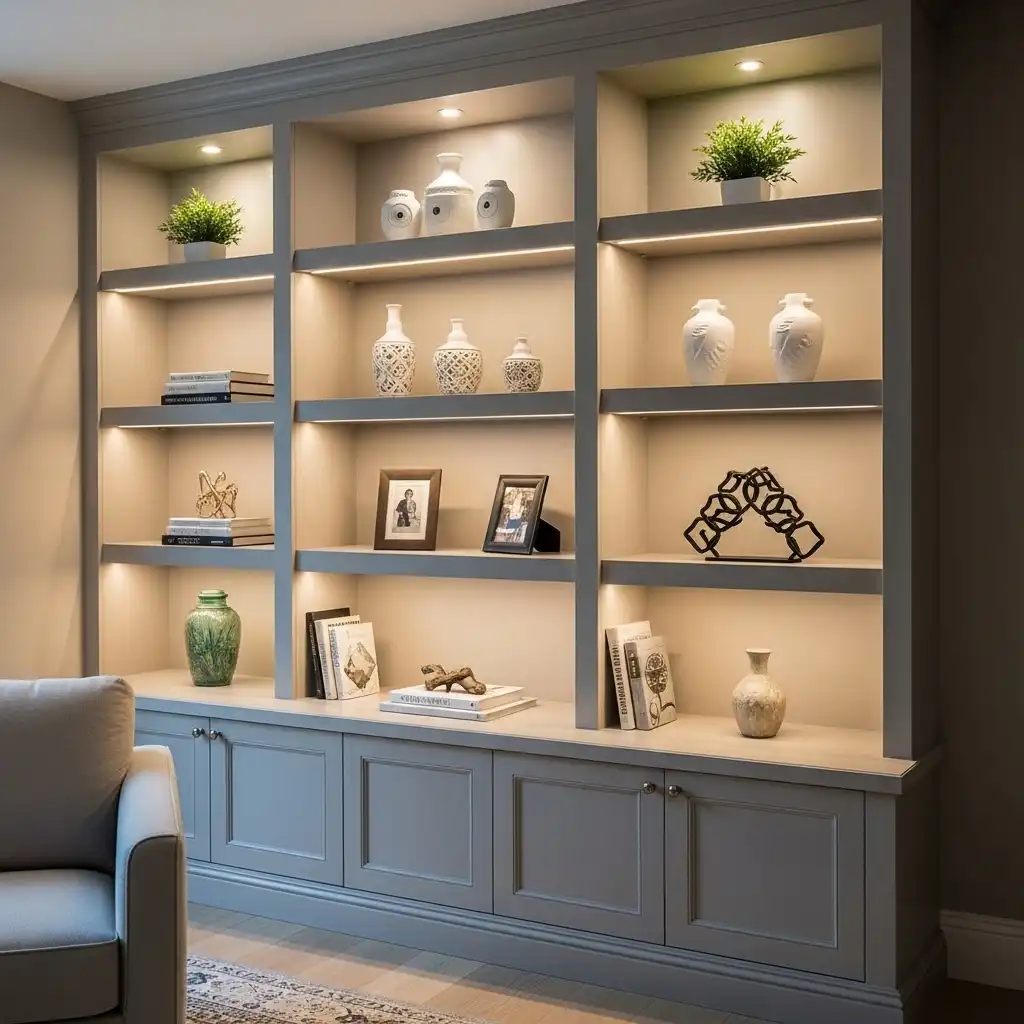
Integrated lighting is crucial. Install LED strip lighting beneath the front edge of each shelf to wash the display items in light. Alternatively, use puck lights or miniature spotlights in the top of the unit to highlight items and add warmth to the room.
How to Style Built-in Shelves for a Minimalist Look?
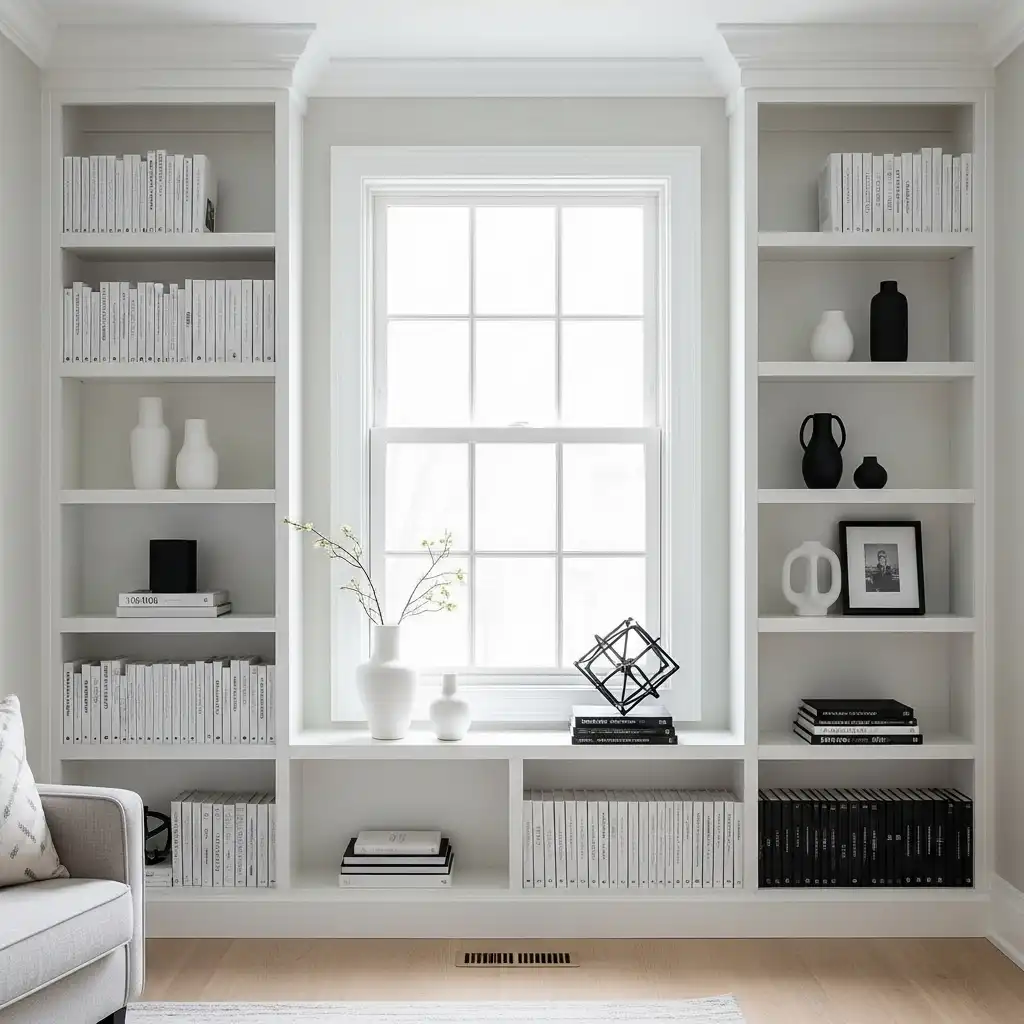
For a minimalist aesthetic, focus on negative space. Only display a few carefully chosen items per shelf. Group objects by color (like all white or all black accessories) and arrange books horizontally to break up the vertical lines.
How to Integrate a Television Seamlessly into the Shelving Unit?
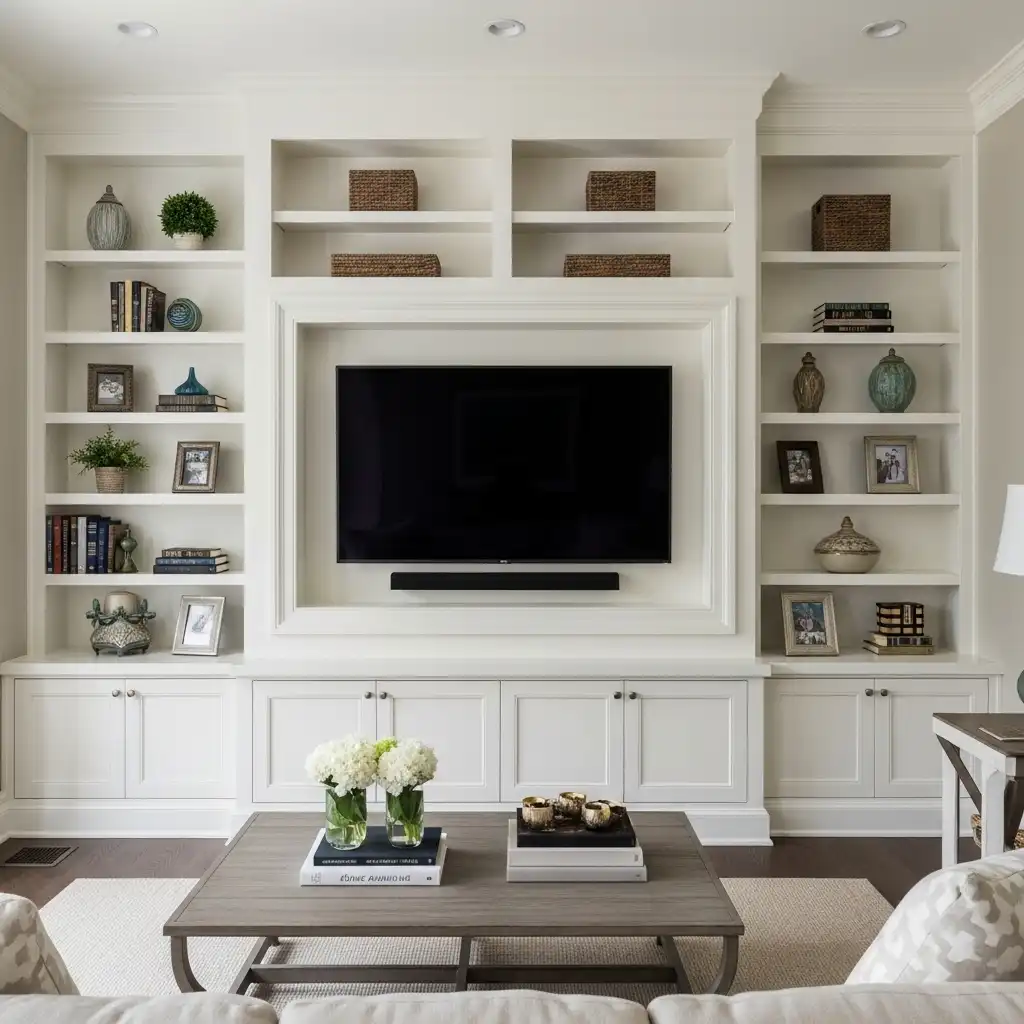
Designate a specific niche for your television at eye level within the unit. The surrounding shelves and trim will make the TV feel less like an intrusive black box and more like a framed element of the overall design, similar to great decor ideas above tv.
What Materials Should I Choose for Built-ins: Wood or MDF?
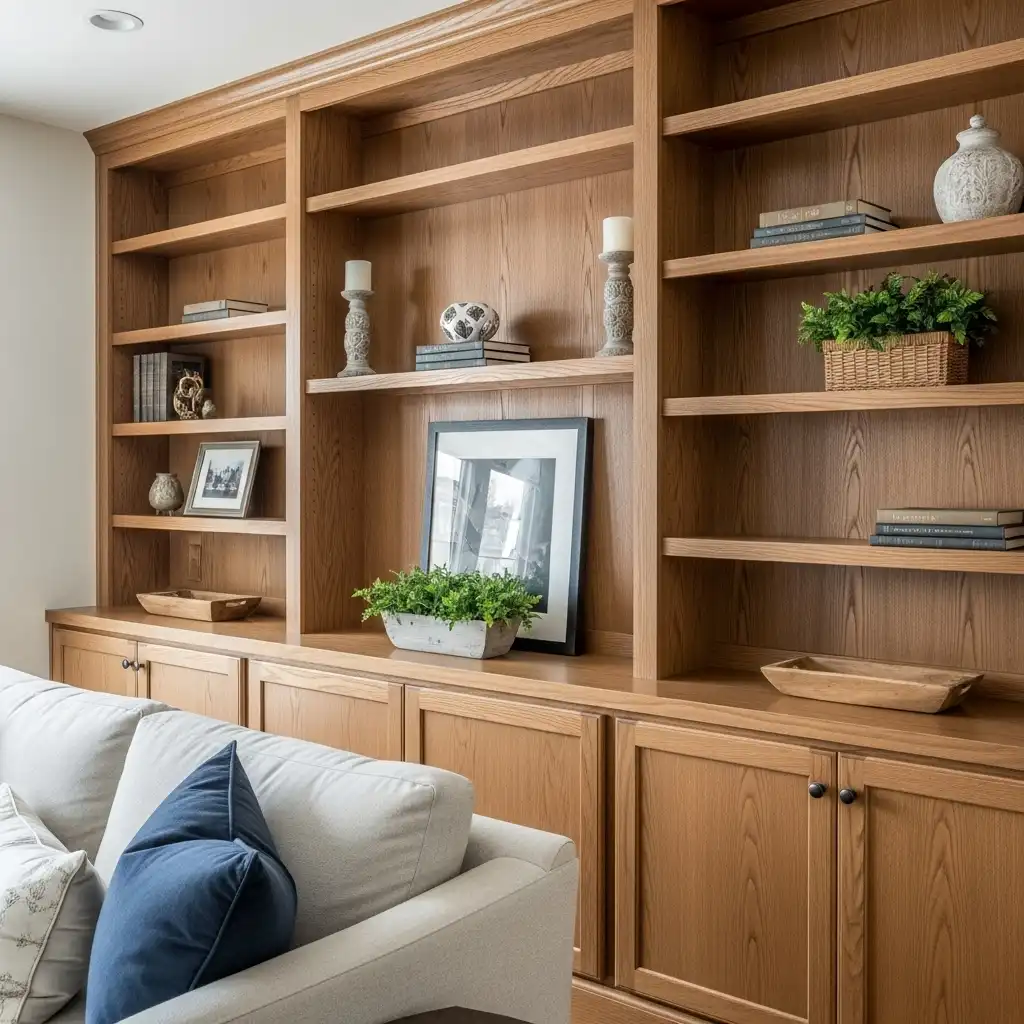
MDF (Medium-Density Fiberboard) is the best choice for built-ins that will be painted, as it is smooth, stable, and cost-effective. Use solid wood for the face frames and doors for durability, especially if you plan to stain or leave the wood natural.
How to Use Built-ins in a Small or Narrow Living Room?
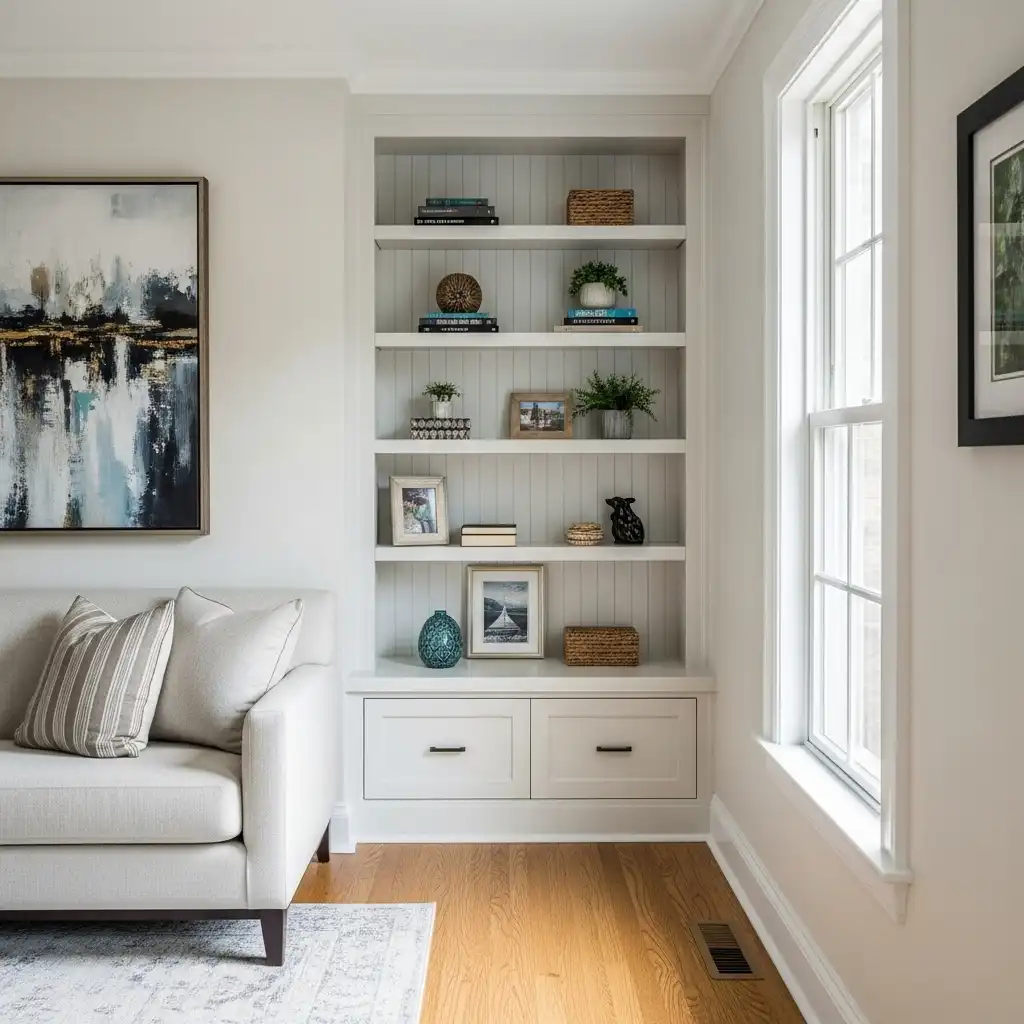
In a small living room ideas, built-ins are a must because they use vertical space efficiently. Design the unit to be shallow (around 10 inches deep) and paint it a light color to prevent the unit from overwhelming the room.
How to Use Built-ins to Define a Corner Space?
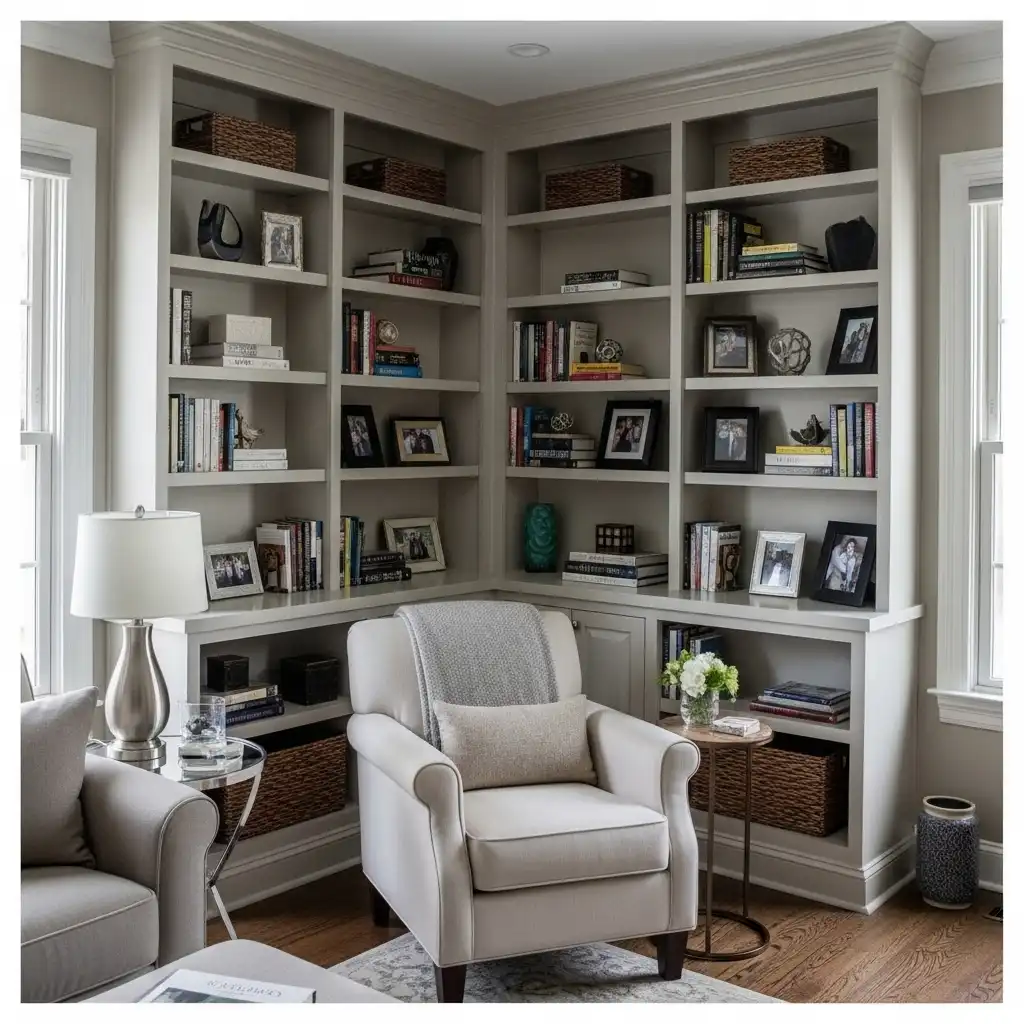
Built-ins can turn an awkward corner into a feature. Use L-shaped shelving that wraps around the corner, ensuring the design and height match the rest of your millwork to create a cohesive, custom look that utilizes every inch of space.
How to Balance Books and Decorative Objects on Shelves?
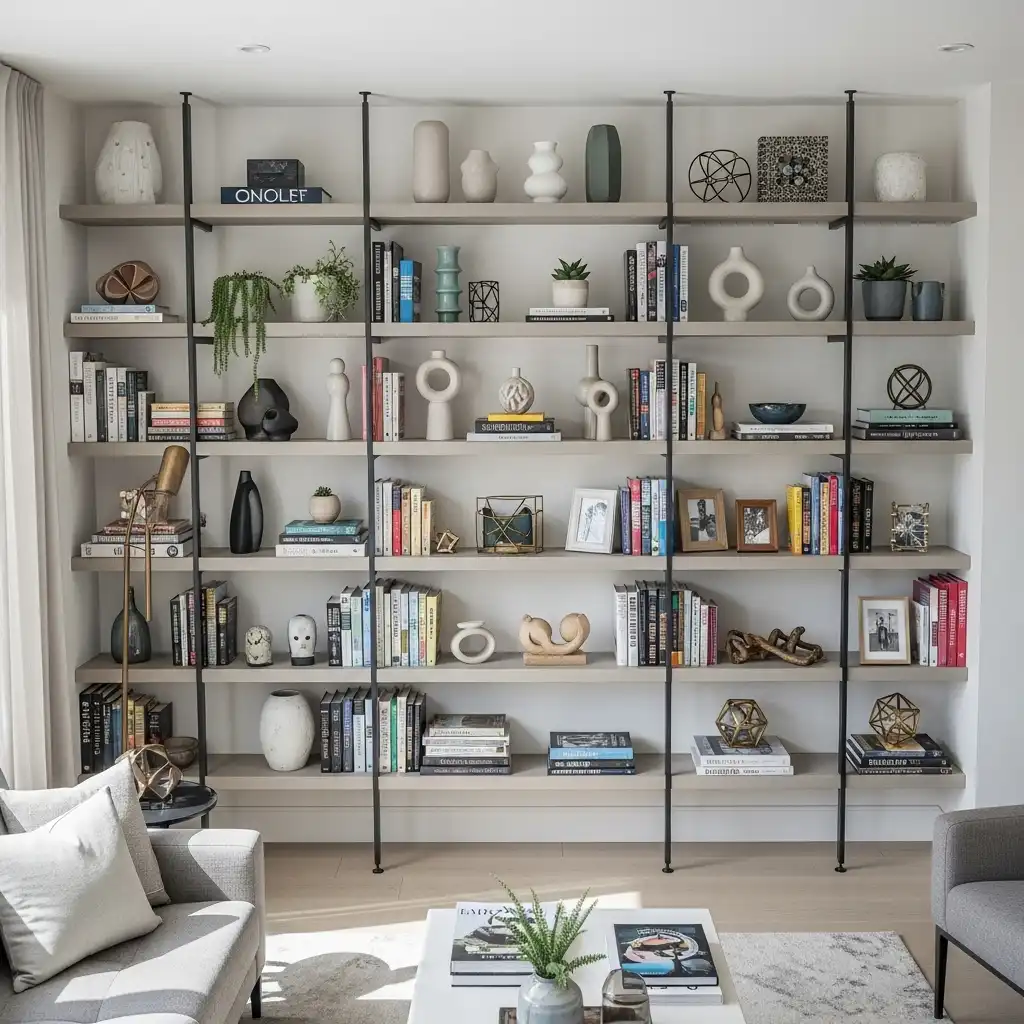
Avoid making every shelf look the same. Mix and match: dedicate one shelf entirely to books, the next to a grouping of three decorative items, and the next to a combination of horizontal stacks of books layered with a piece of small wall art.
Should Built-ins Extend All the Way to the Ceiling?
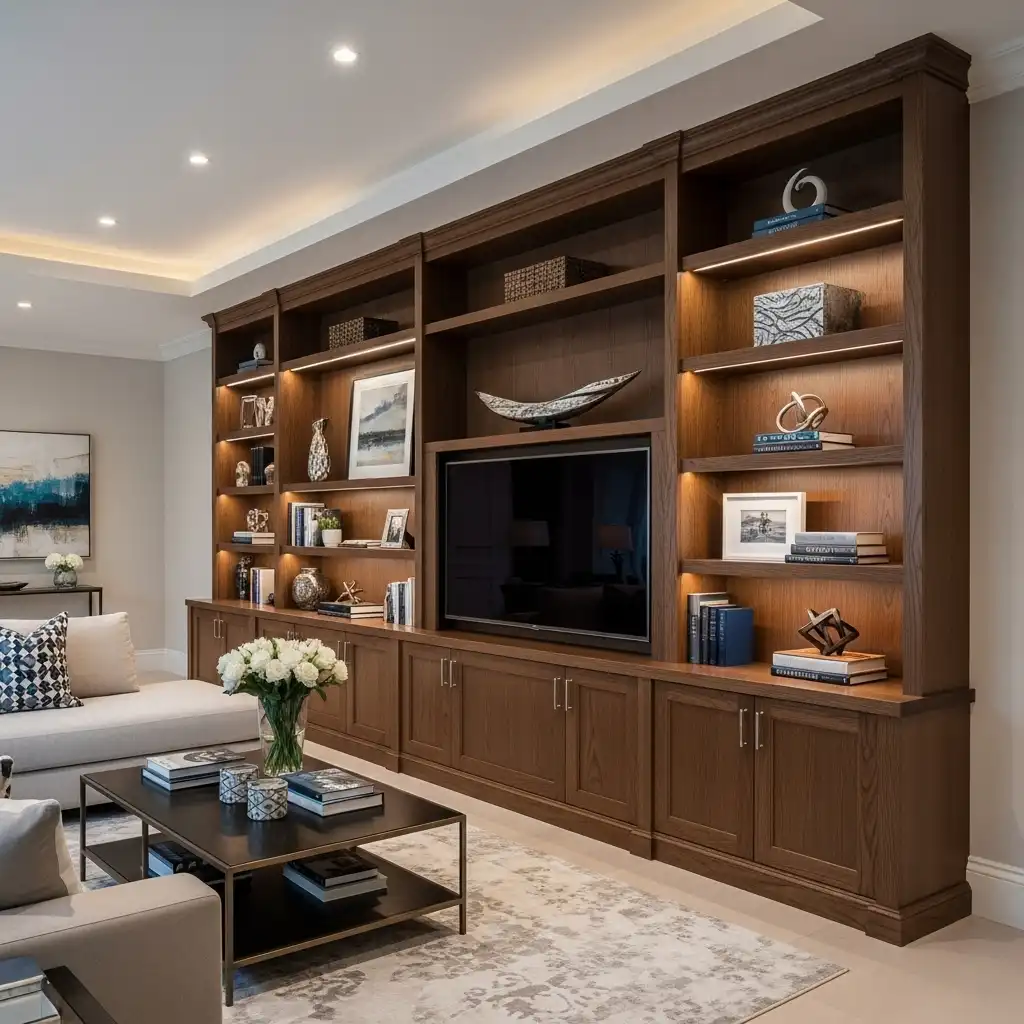
Yes, they should. Extending built-ins to the ceiling is essential for achieving that high-end, custom look. This also provides additional storage space and prevents the awkward, dust-collecting gap between the cabinet top and the ceiling.
How to Use Built-ins to Create a Cozy Reading Nook?
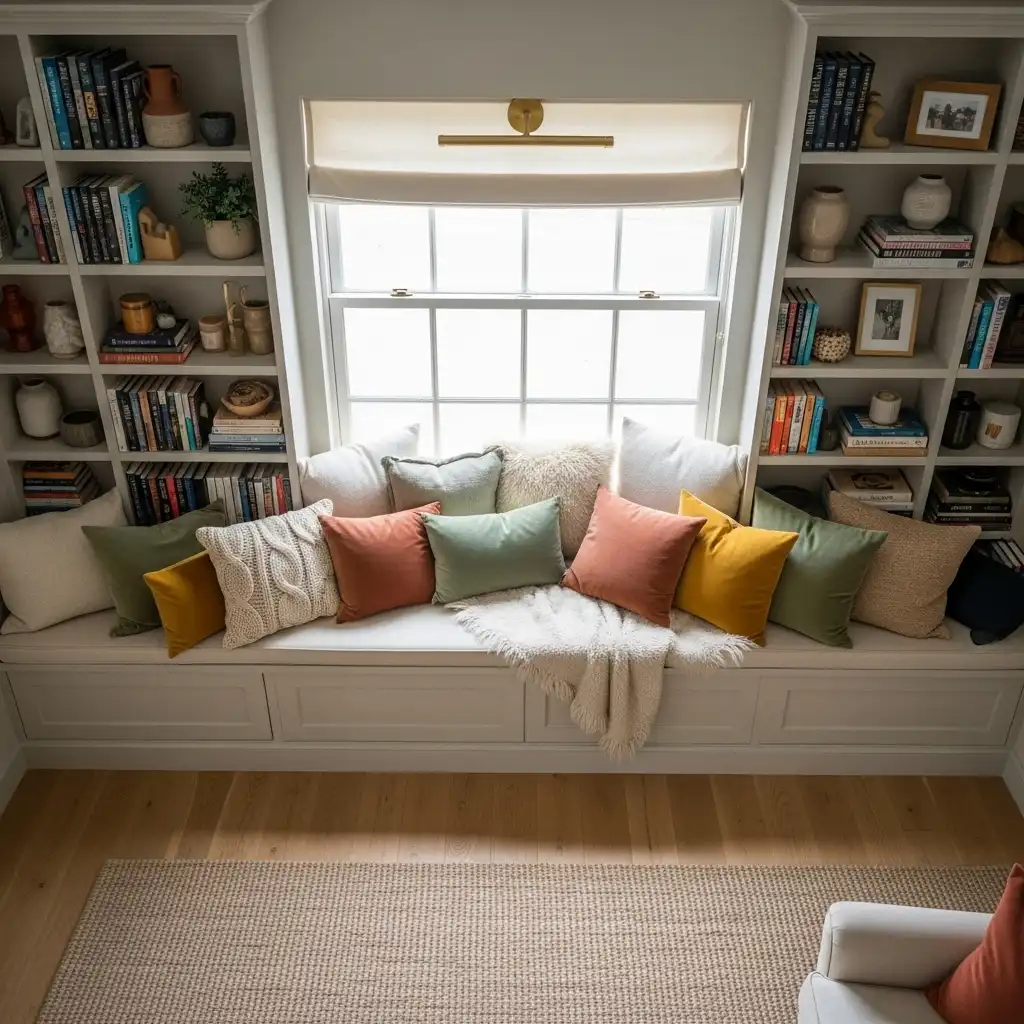
Integrate a window seat or bench into the center of a wall unit, flanked by shelving on both sides. Add comfy cushions and perhaps a subtle sconce light above the bench to define a cozy, dedicated space for reading.
How to Design a Modern, Floating Built-in Look?
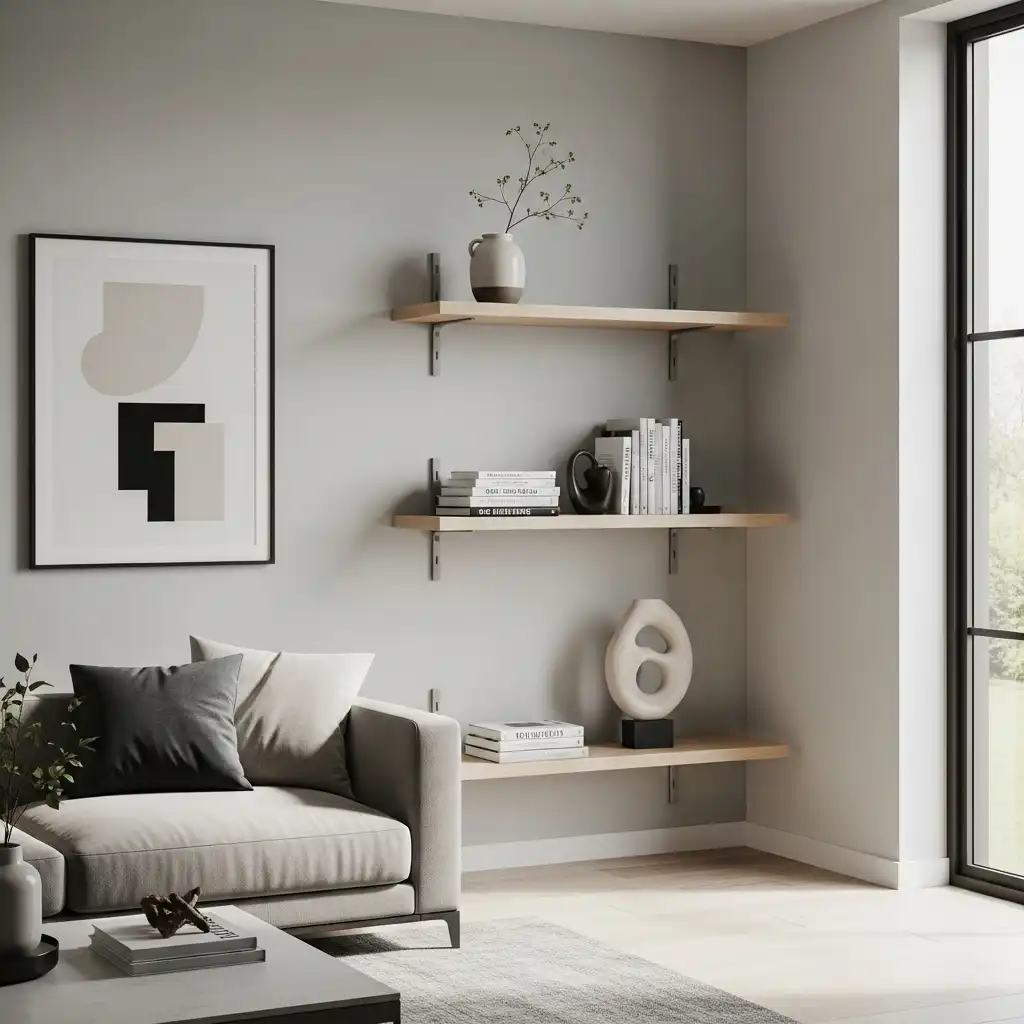
For a sleek, modern aesthetic, omit the bottom cabinet and mount the shelves directly to the wall, leaving the floor space open. This floating design is achieved using hidden brackets and gives the appearance of lightness and spaciousness.
What are the Best Colors to Paint the Back of the Shelves?
Painting the back wall of the shelves a dark, contrasting color (like black, dark green, or navy) makes your display items stand out dramatically. This adds depth and frames the contents beautifully, making the arrangement look more impactful.
How to Incorporate Drawers or Cabinets at the Bottom?
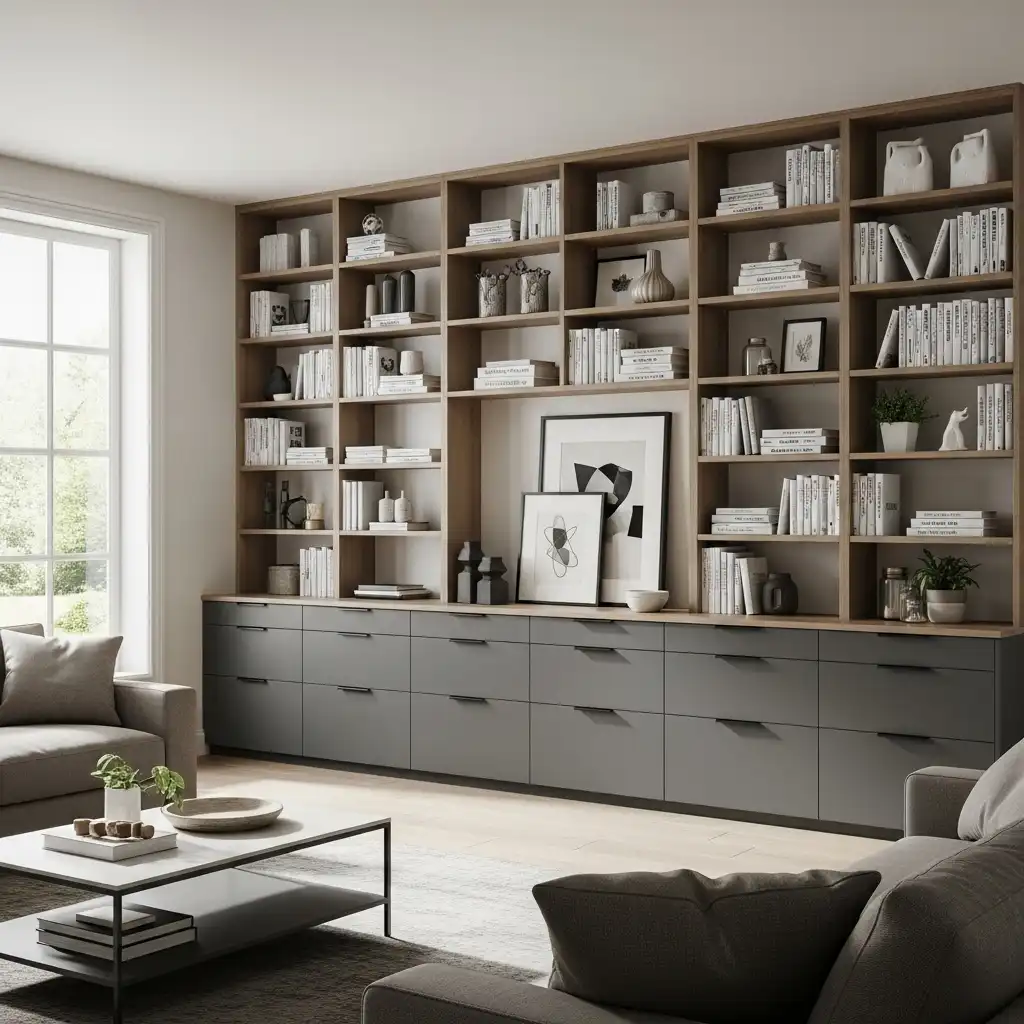
Drawers or cabinets at the bottom of the unit are essential for practical, bulkier storage. Ensure the cabinet doors have consistent hardware and clean lines, creating a solid base that grounds the entire vertical structure.
How to Use Built-ins to Achieve a Formal, Library-Like Feel?
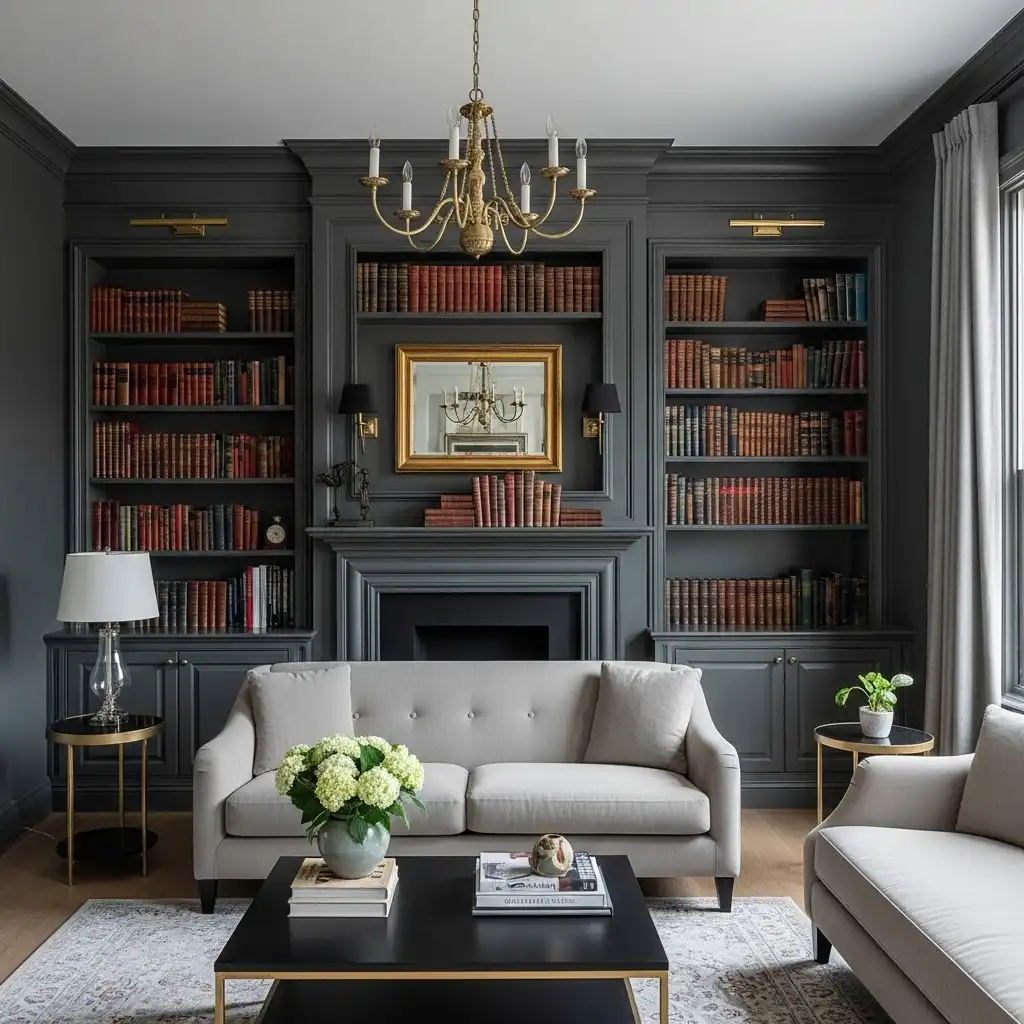
Opt for deep, dark paint colors (such as a rich forest green or dark gray), and use generous amounts of trim and molding. Fill the majority of the shelves with books, emphasizing leather bindings and classic styles to create an elegant, intellectual atmosphere.
How to Use Built-ins to Hide Messy Wires and Cables?
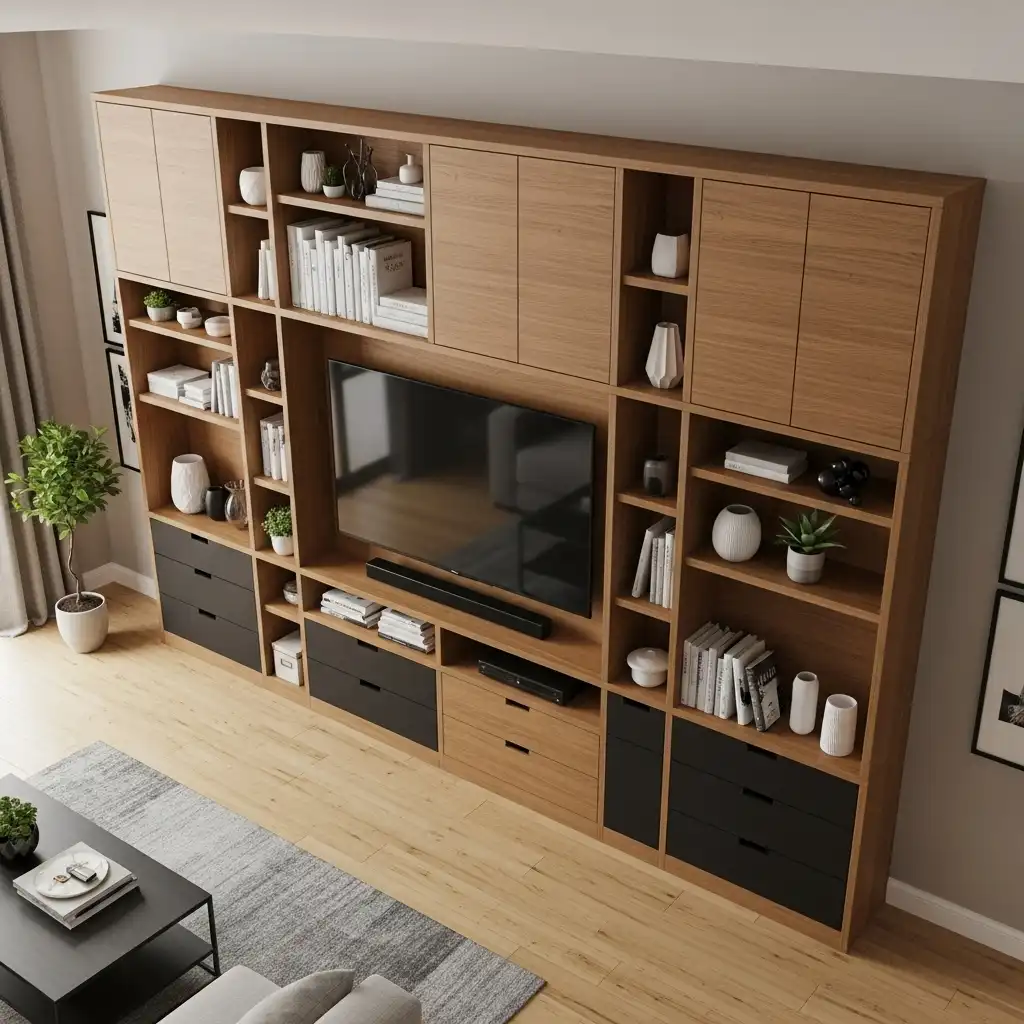
Design your built-ins to include hidden channels or access points behind the shelves and cabinets. This allows power cords, internet cables, and charging wires to run neatly within the unit, exiting only where necessary and keeping your space free of wire clutter.
How to Use Shelves to Display Collections and Memorabilia?
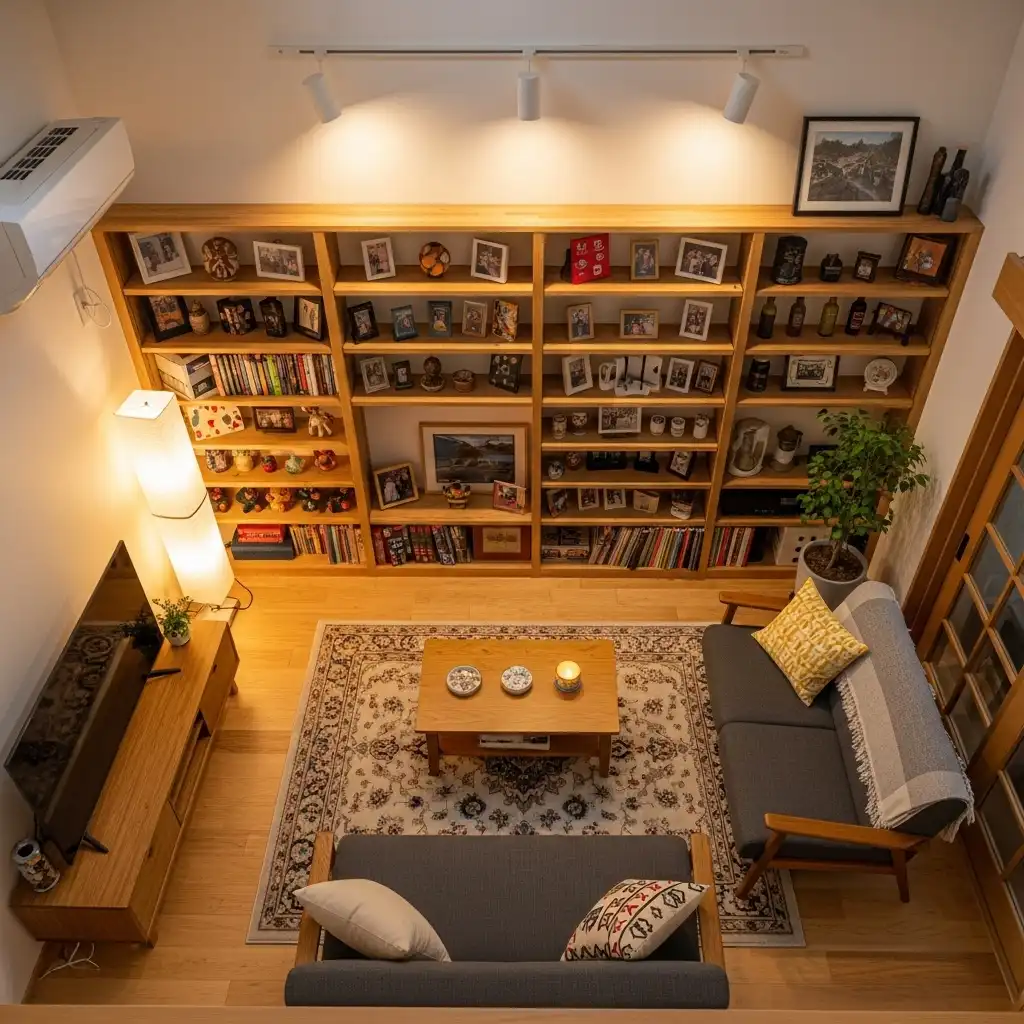
Displaying collections requires organization. Group similar items together (e.g., all ceramic vases on one shelf, all framed photos on another). Use clear risers or bookends to vary heights and prevent the display from becoming a single, flat line.
How can I make my built-in shelves look professionally styled?
The key is the “Rule of Three” and varying heights. Group items in odd numbers, mix vertical elements (books, vases) with horizontal elements (stacked books, small boxes), and incorporate plenty of organic elements like plants and natural wood or stone objects.
Should I choose open shelving or glass-front cabinets?
If you plan to display beautiful items and want easy access, choose open shelving. If you need to store items you don’t use often or want to protect valuable items from dust, opt for glass-front cabinets for a traditional, library feel.
What is the biggest mistake people make with built-in shelves?
The biggest mistake is over-cluttering. Built-ins are meant to showcase, not hoard. Leave at least 30-40% of the shelf space empty. This “negative space” allows the displayed items to breathe and prevents the unit from looking visually heavy.
Conclusion
Built-in shelves represent an investment that pays off in both function and aesthetics. By thoughtfully considering the design elements—from the trim and paint to the lighting and styling—you can transform a plain wall into the definitive feature of your living room, seamlessly blending form and functionality.