
Are tongue and groove walls outdated or experiencing a well-deserved design renaissance? This classic wall treatment adds architectural character, natural warmth, and textural interest that plain drywall simply cannot match, transforming ordinary rooms into spaces with personality and distinction.
Source: @victoria_covell_interiors
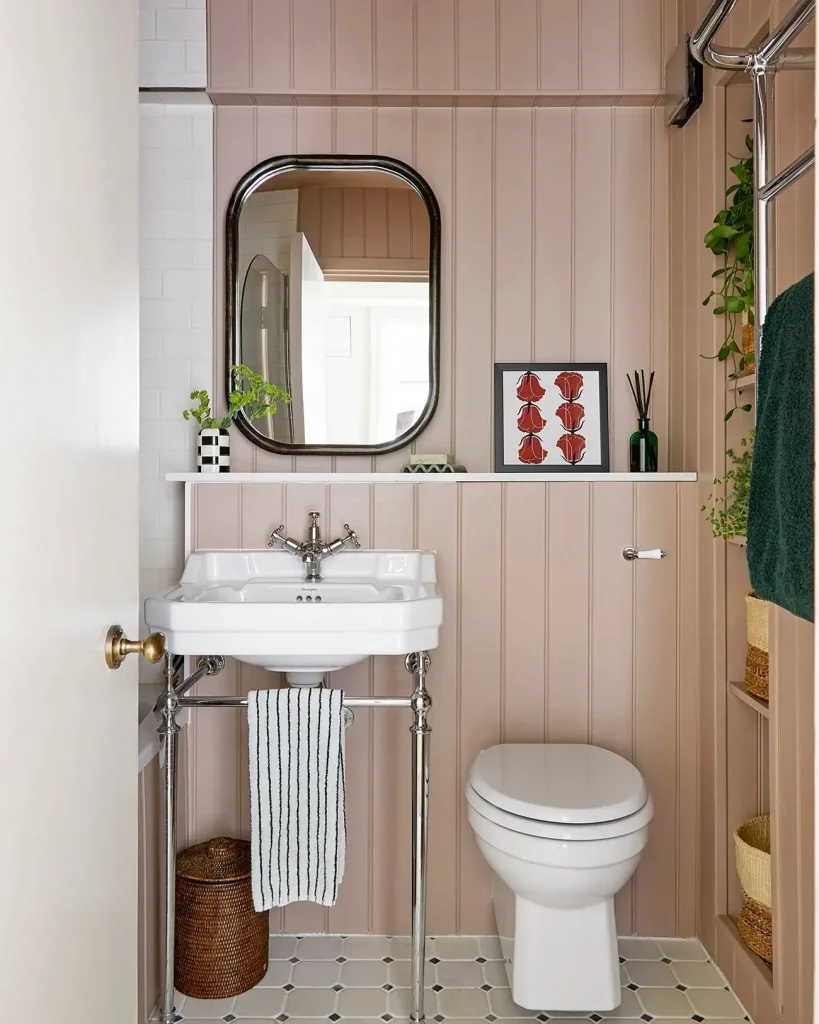
Tongue and groove walls have evolved beyond rustic cabins, now appearing in contemporary homes, coastal retreats, and farmhouse-inspired spaces. The installation creates seamless surfaces with interlocking planks that hide fasteners while allowing subtle expansion and contraction, making them practical and beautiful.
Source: @my_best_laid_plans
What Are Tongue and Groove Walls?
Source: @fotohysteria
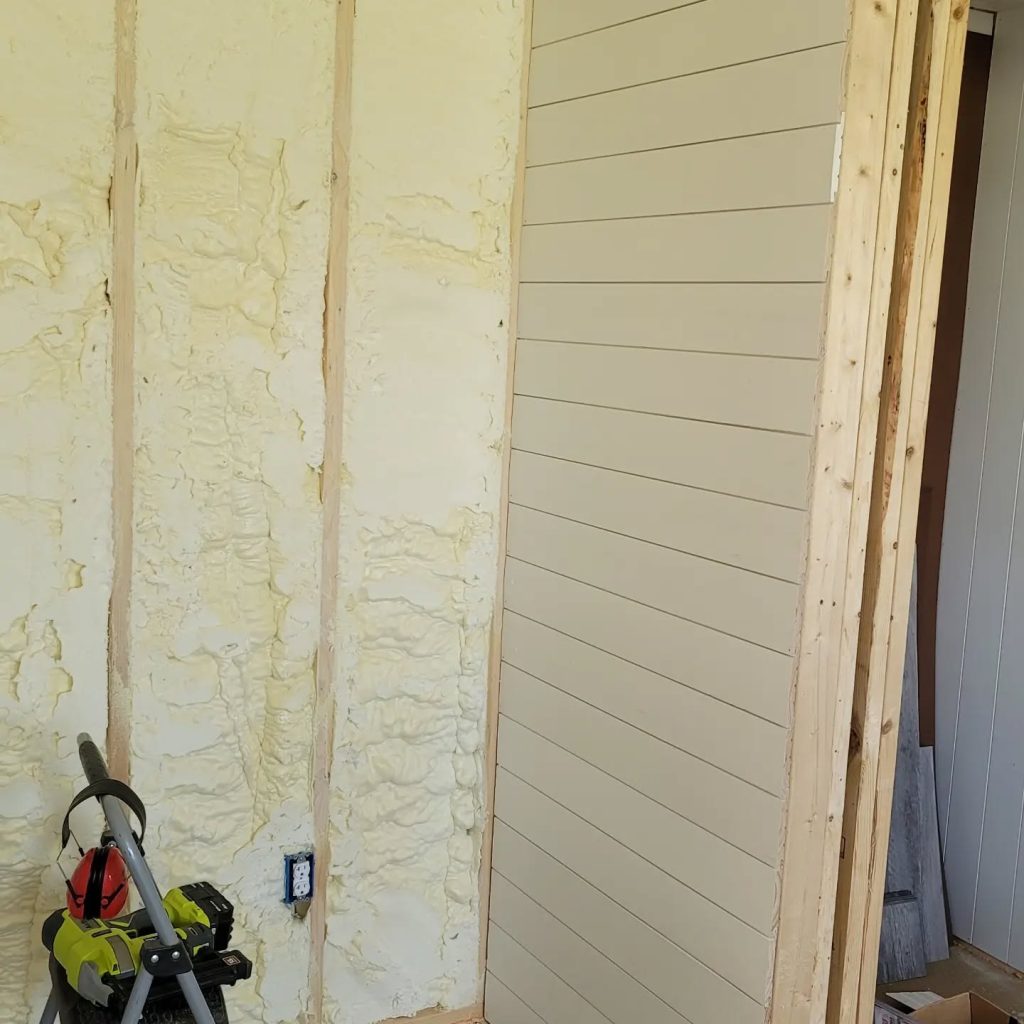
Tongue and groove refers to wood planks with protruding tongues on one edge and corresponding grooves on the opposite edge. These edges interlock during installation, creating tight, seamless joints without visible fasteners. The system allows wood movement without gaps appearing.
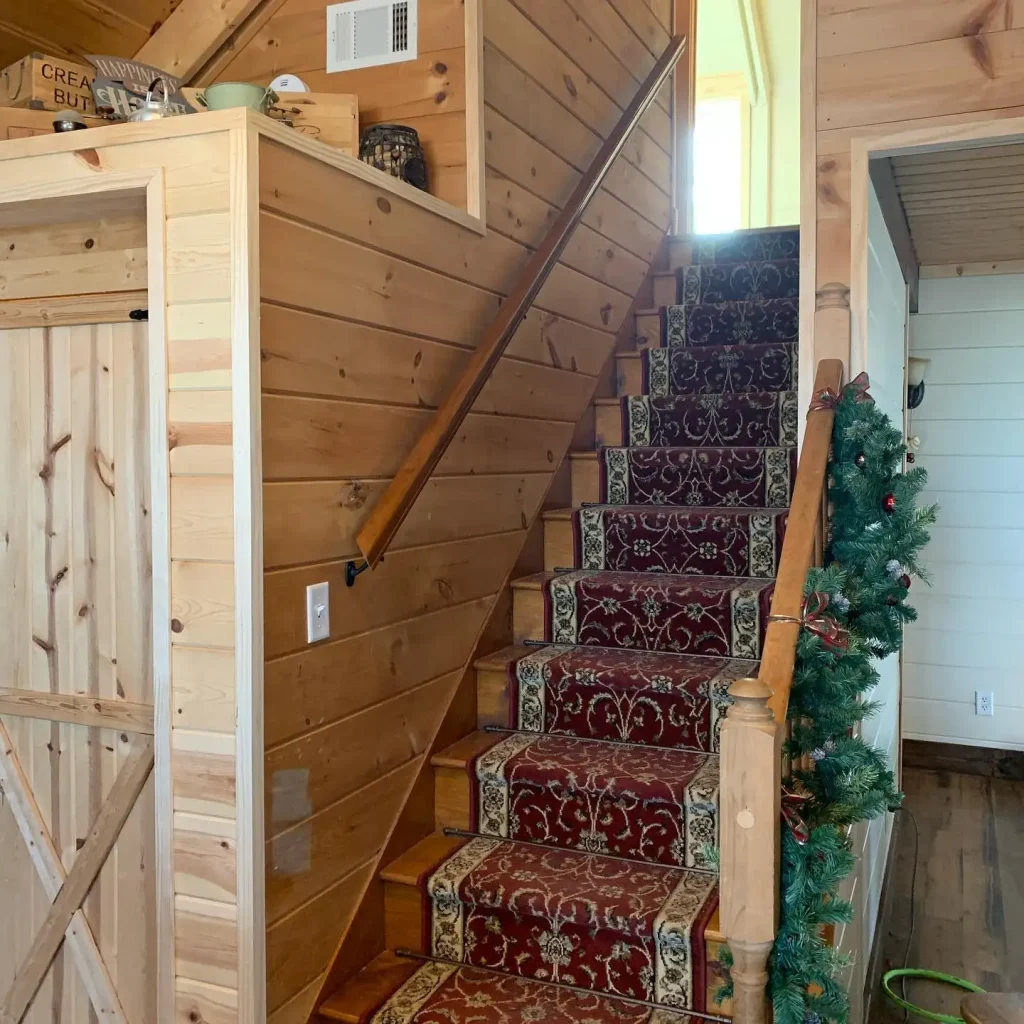
This construction method has been used for centuries in flooring and wall applications. Modern versions come pre-finished or unfinished in various wood species including pine, cedar, and oak. The planks typically range from 3-6 inches wide, with larger widths creating more contemporary looks.
Installation Methods and Techniques
Tongue and groove walls install vertically, horizontally, or diagonally depending on desired aesthetic effects. Vertical installation makes ceilings appear higher, while horizontal planks make rooms feel wider. Diagonal installations create dynamic, unexpected visual interest that draws attention.
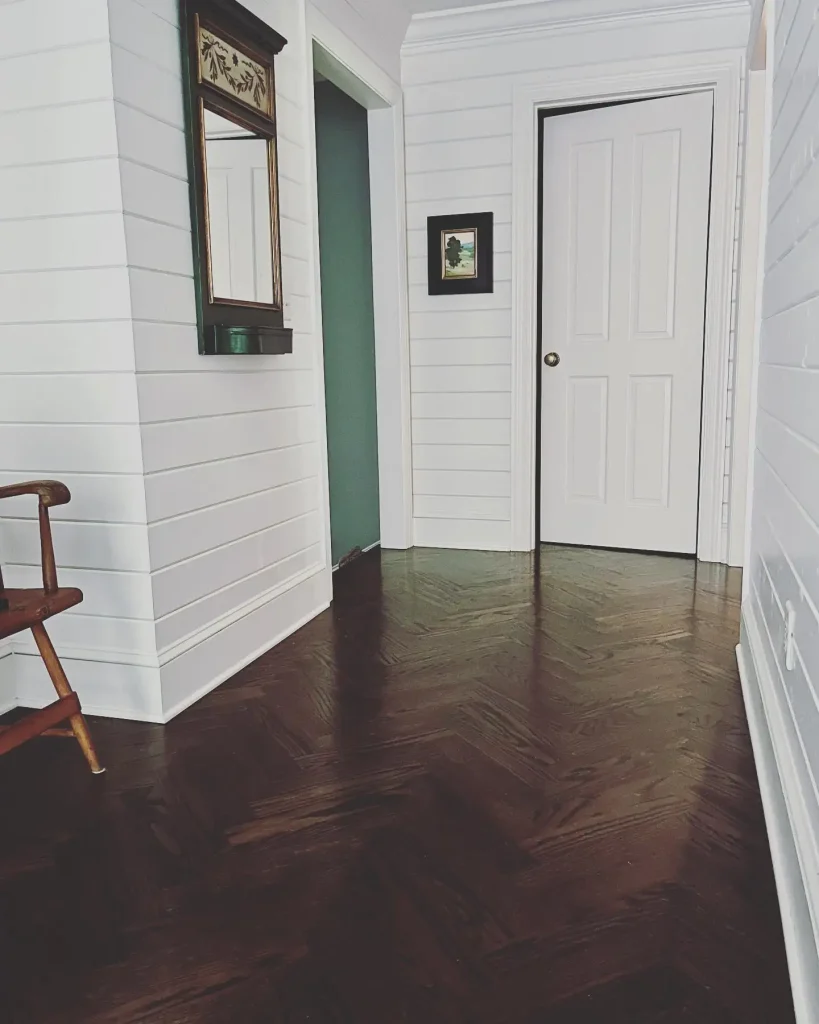
Credits: @daffodillydesign
Installation involves nailing through plank tongues into wall studs or furring strips. The groove of the next plank conceals fasteners completely, creating clean surfaces. Professional installation ensures proper spacing for wood expansion while DIY projects remain accessible for experienced homeowners. Visit our tongue and groove ceiling guide for related applications.
Popular Wood Species and Finishes
Pine remains the most affordable and readily available option, offering soft grain that accepts stains beautifully. Cedar brings natural rot resistance and aromatic properties perfect for bathrooms or coastal environments. Oak provides durability with prominent grain patterns creating visual texture.
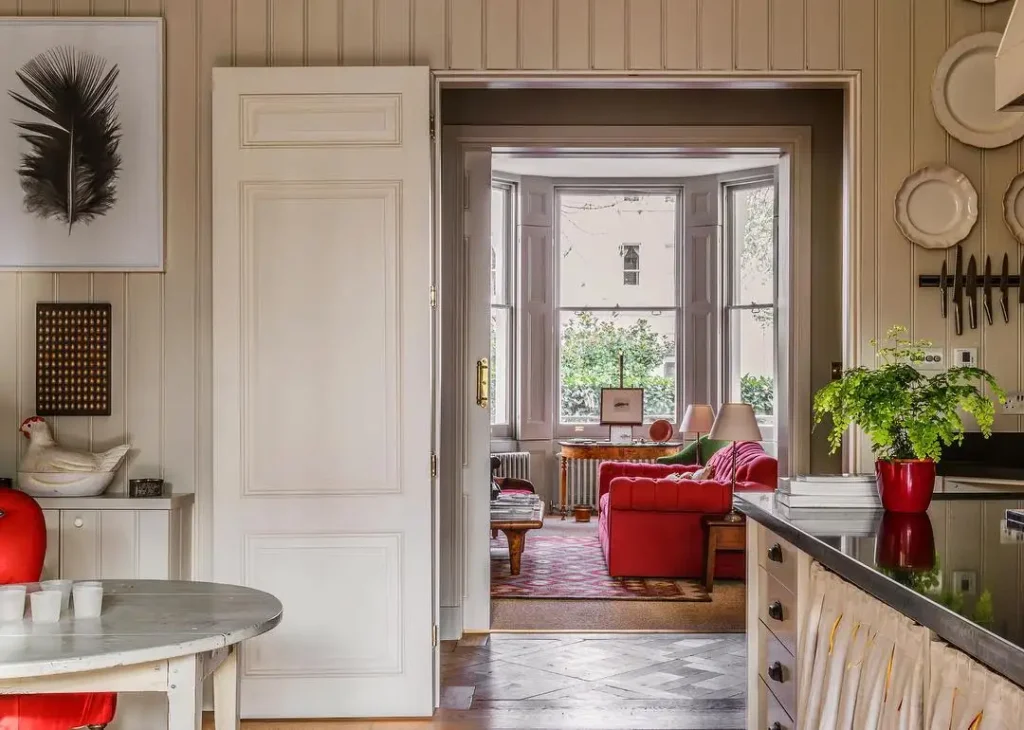
Credits: @charlottecrosland
Finish options include natural wood stains highlighting grain patterns, painted surfaces in whites, grays, or bold colors, or whitewashed finishes creating casual cottage charm. Modern trends favor light, natural finishes or dramatic dark stains rather than traditional honey tones. Each finish completely transforms the same material’s appearance.
Design Styles for Tongue and Groove
Farmhouse and Rustic Charm
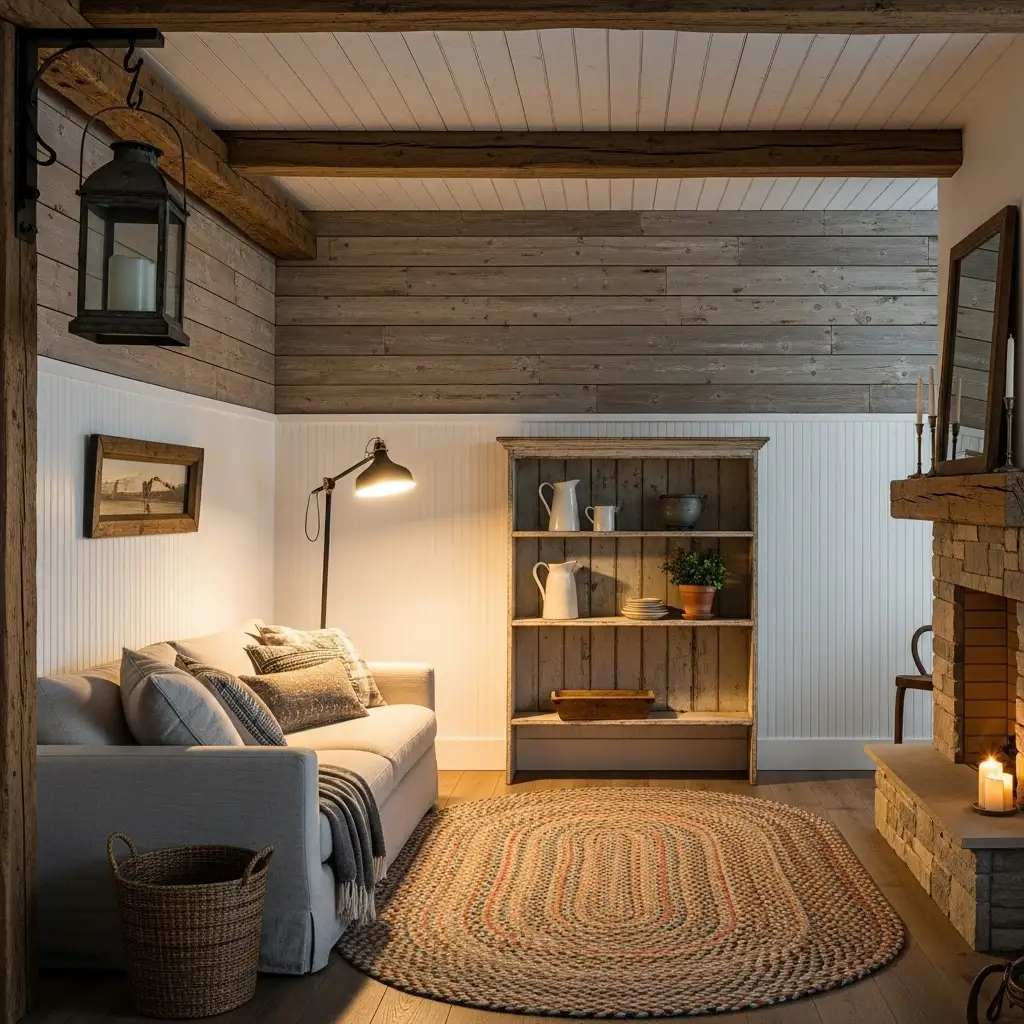
Tongue and groove walls epitomize farmhouse style with natural wood tones, painted white finishes, or weathered gray stains. These treatments pair beautifully with shiplap ceilings, exposed beams, and vintage accessories completing the rural aesthetic. The warm wood adds organic texture that softens modern elements. Explore our farmhouse living room ideas for complete farmhouse design.
Coastal and Beach-Inspired
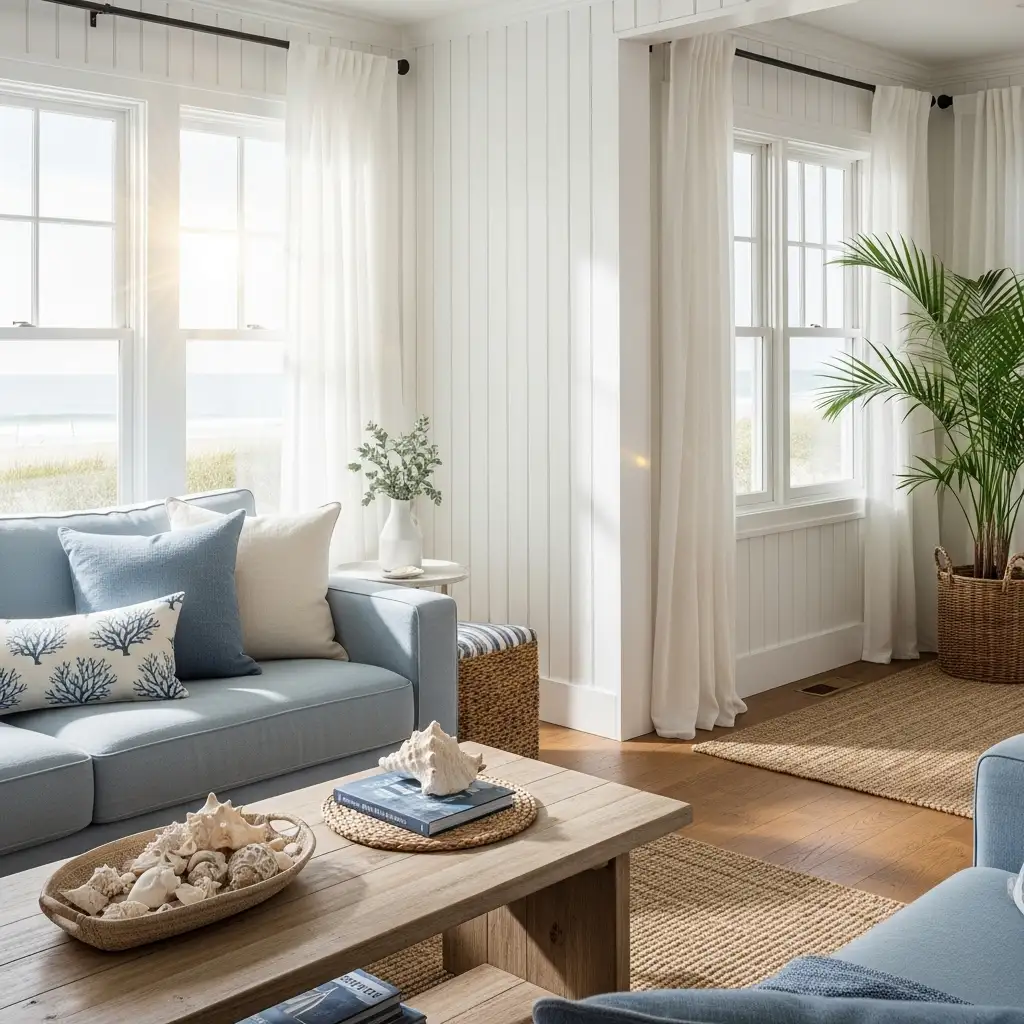
Whitewashed or light-stained tongue and groove creates breezy, beach-house atmospheres reminiscent of seaside cottages. The vertical installation mimics beach fence aesthetics while horizontal planks suggest driftwood and natural materials. Pair with blue accents, natural fibers, and casual furnishings. See our small cottage homes ideas for coastal inspiration.
Modern and Contemporary
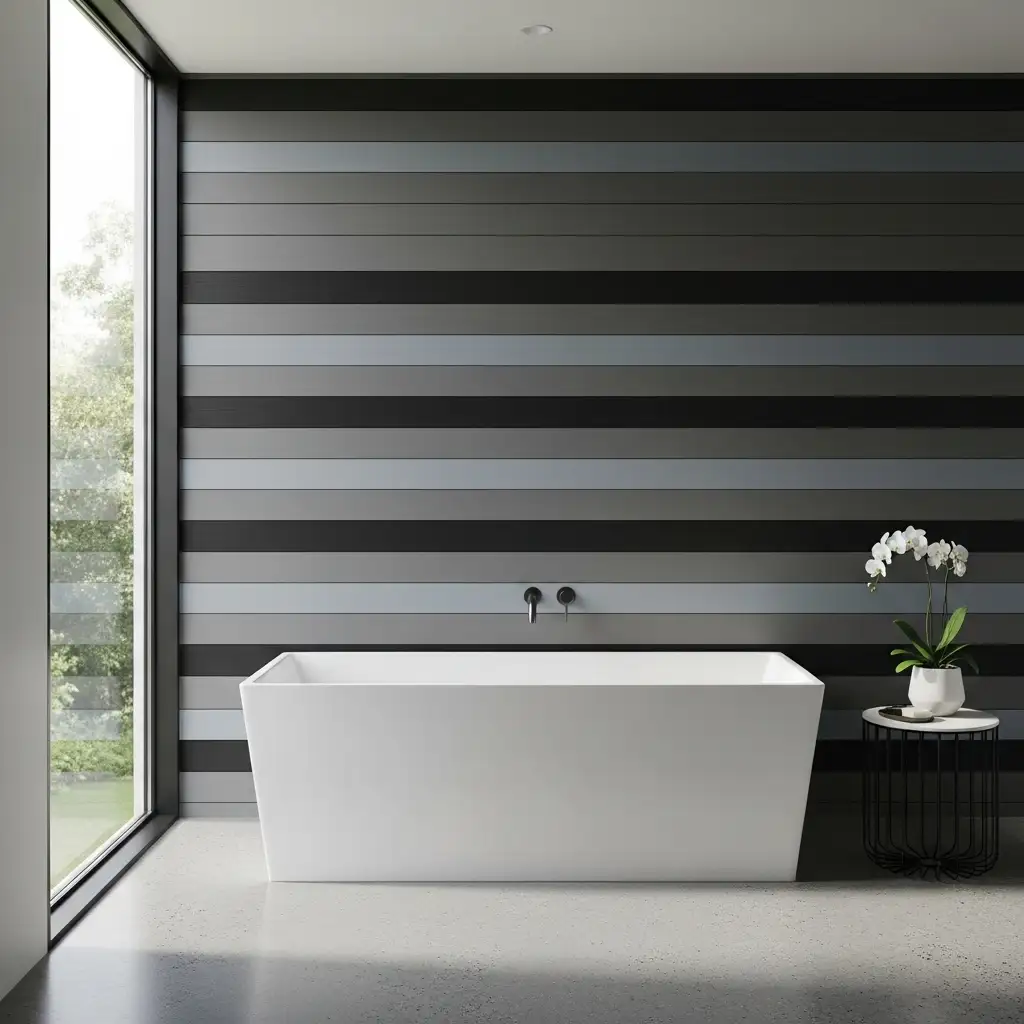
Wide planks in sleek finishes suit contemporary interiors seeking organic warmth without rustic connotations. Painted tongue and groove in charcoal, black, or cool grays creates sophisticated backdrops. Horizontal installation emphasizes clean lines appropriate for minimalist aesthetics where texture matters more than color.
Best Rooms for Tongue and Groove Walls
Bathrooms
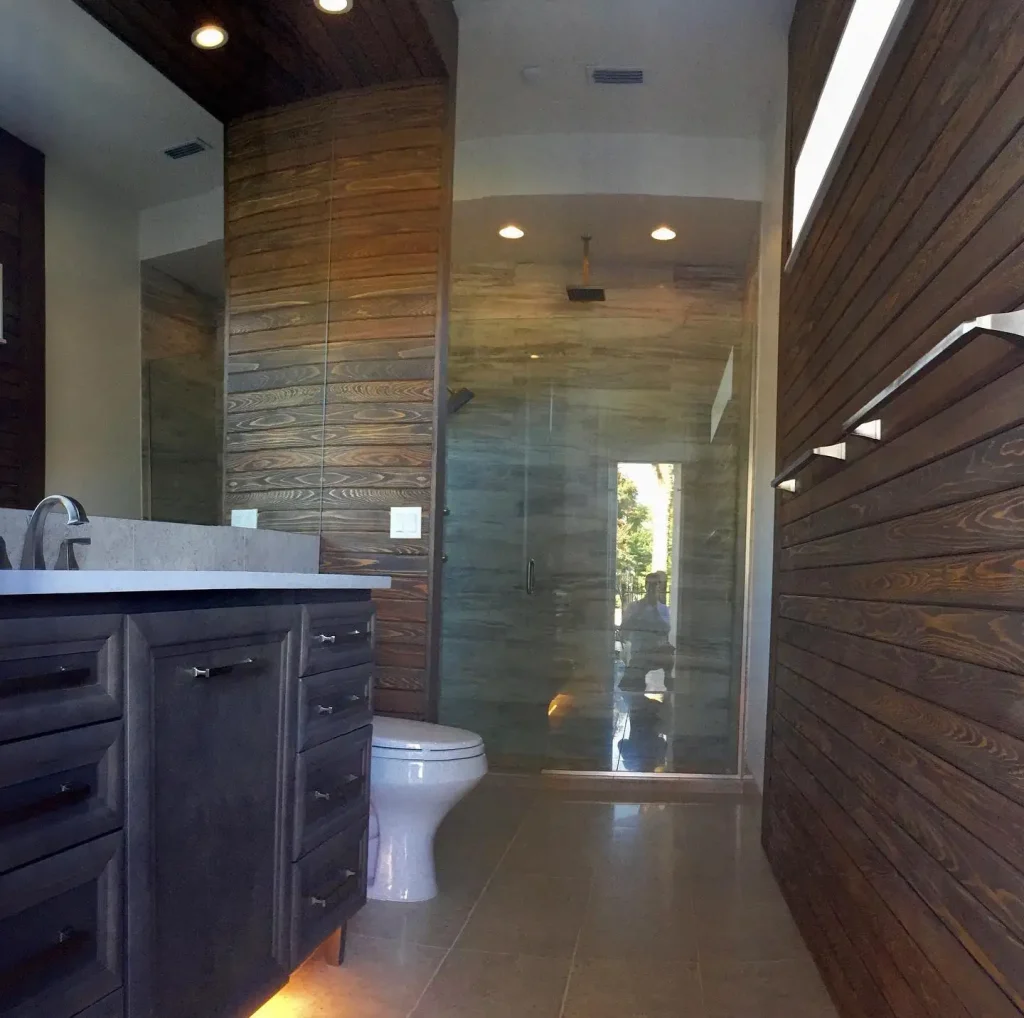
Credits: @zionsolutioncorp
Tongue and groove adds warmth to typically cold bathroom spaces while cedar’s moisture resistance makes it practical. Install as wainscoting or full walls paired with waterproof paint or sealant. The wood texture softens hard tile surfaces creating spa-like atmospheres. Visit our bathroom remodel ideas for bathroom applications.
Bedrooms
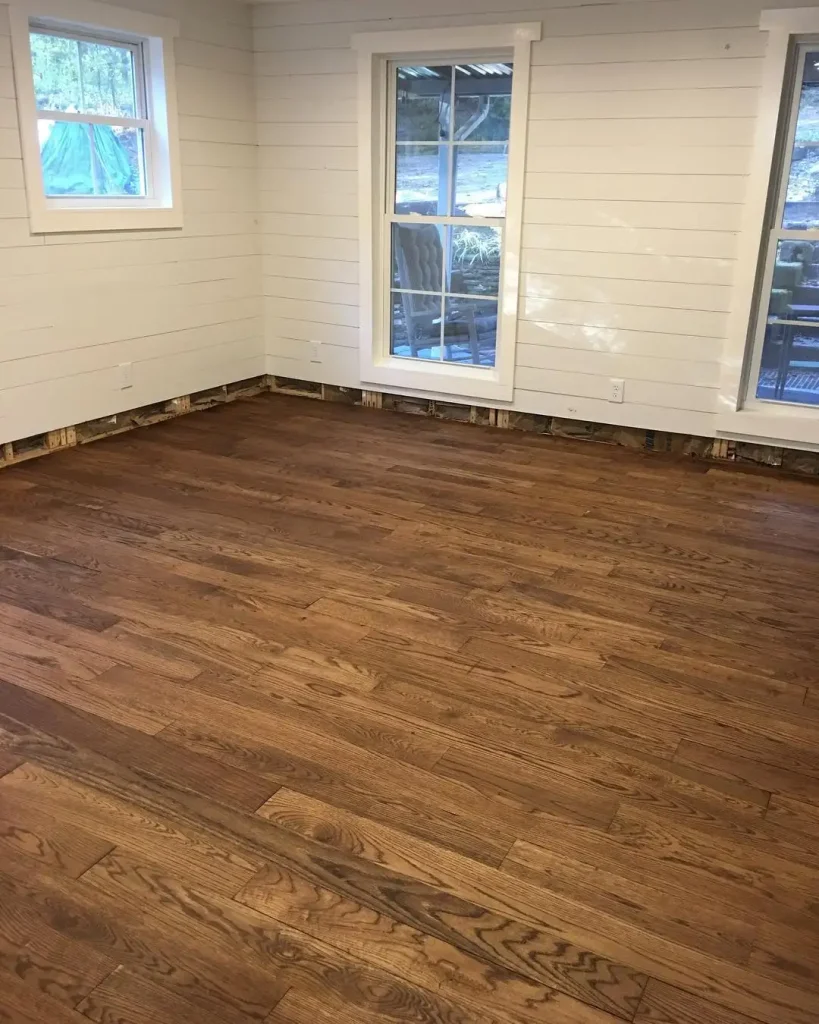
Credits: @our_little_house_in_the_woods
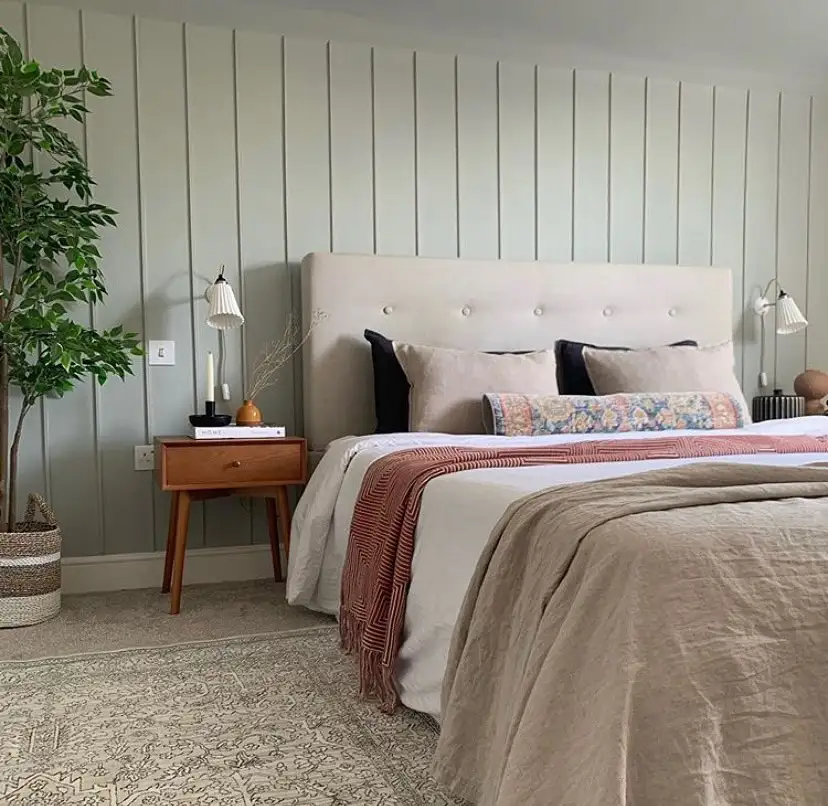
Accent walls behind beds gain architectural interest through tongue and groove installation. The wood adds warmth and texture without overwhelming sleeping spaces. Natural finishes create cozy retreats while painted options suit various decor styles from traditional to contemporary. Check our master bedroom ideas and bedroom ideas for couples.
Living Rooms
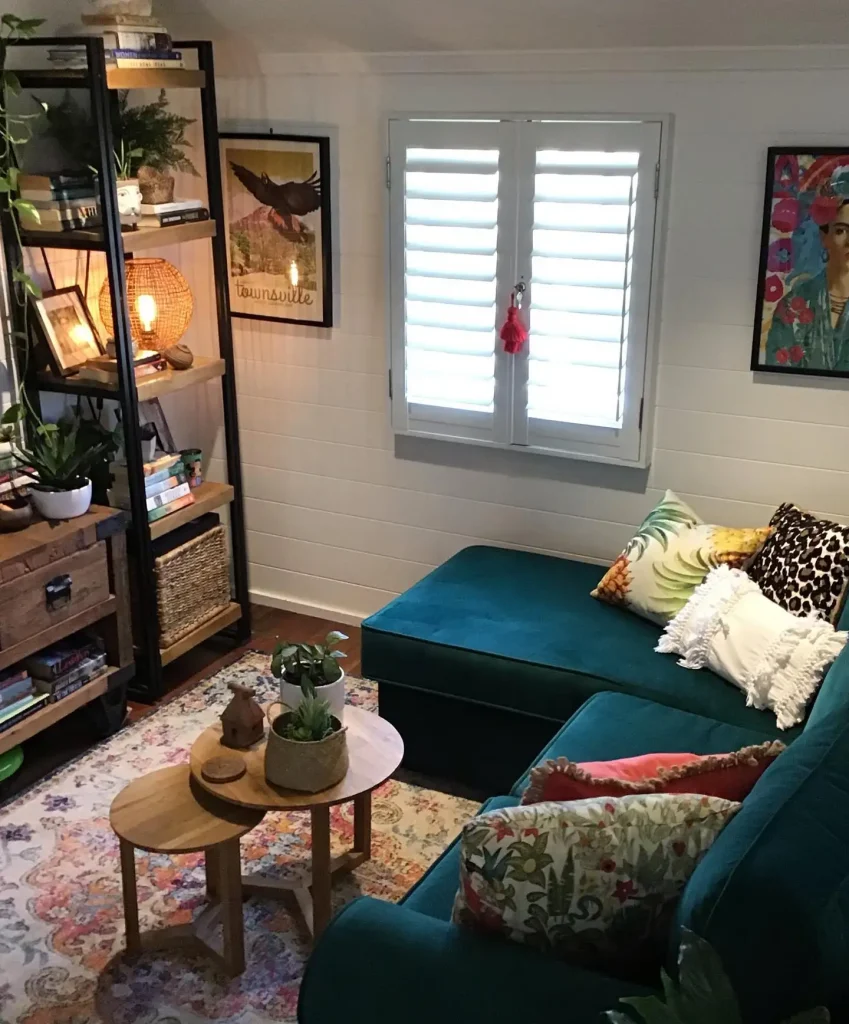
Credits: @summer_vale_cottage
Feature walls showcase fireplaces or entertainment centers through tongue and groove framing. The vertical lines draw eyes upward, emphasizing ceiling height. Install floor-to-ceiling for maximum impact or as wainscoting for traditional proportion. Explore our living room wall decor and home decor ideas for the living room guides.
Tongue and Groove vs. Shiplap
Tongue and groove features interlocking edges creating seamless surfaces without visible gaps. Shiplap uses overlapping planks with small shadow lines between boards creating distinct horizontal striping. Both deliver farmhouse charm but different visual effects and installation methods.
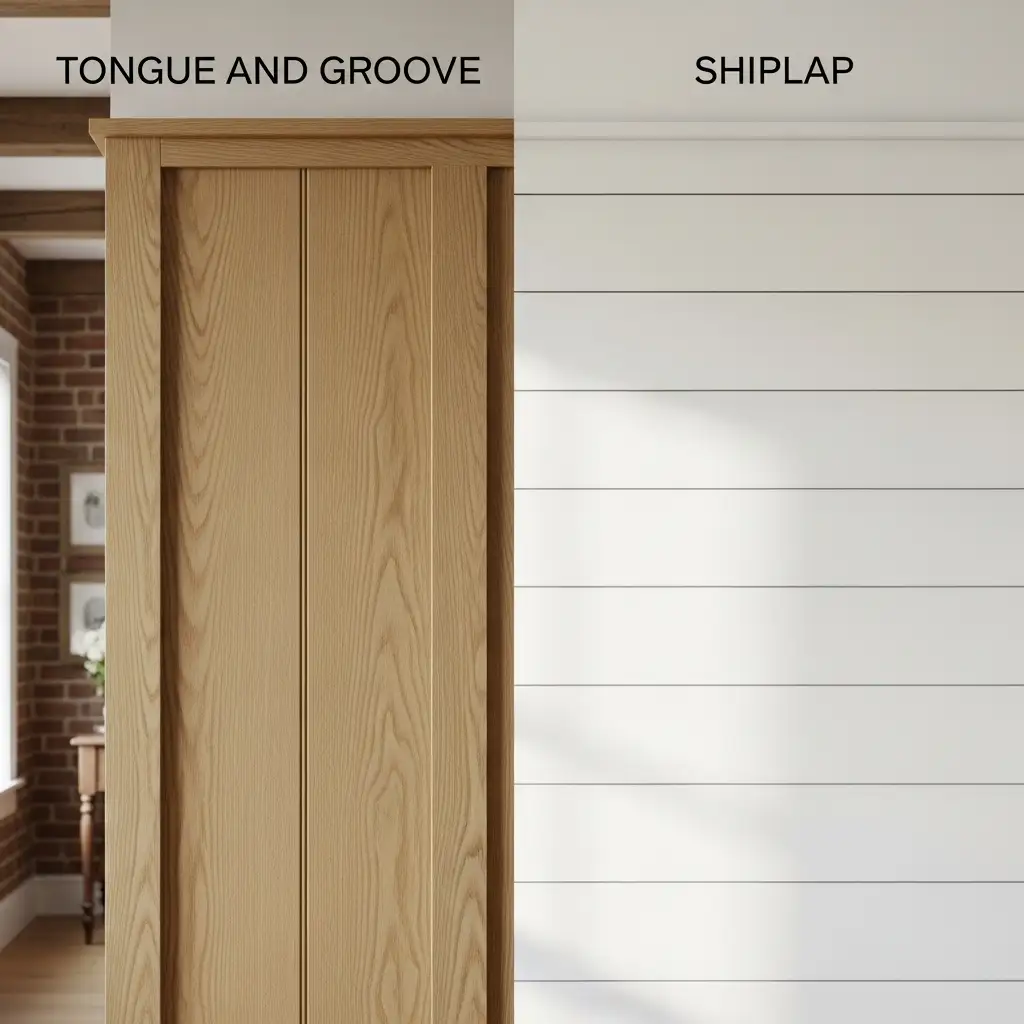
Tongue and groove appears more refined with continuous surfaces, while shiplap reads more casual with its revealed gaps. Installation difficulty is similar, though tongue and groove requires more precision for proper interlocking. Choose based on preferred aesthetic rather than performance differences. See our shiplap ceiling guide for shiplap details.
Painting and Finishing Options
Painting tongue and groove requires primer and quality paint with proper wood preparation. Light colors brighten spaces while dark hues add drama. Semi-gloss or satin finishes clean easily in high-traffic areas while matte creates softer, less reflective surfaces appropriate for bedrooms.

Staining enhances natural grain while changing color tone from light honey to dark walnut. Clear sealers protect natural wood without color alteration. Whitewashing or pickling creates weathered, coastal appearances. All finishes require proper wood conditioning and multiple coats for durability and professional appearance.
Installation Cost Considerations
Tongue and groove material costs $1.50-$6 per square foot depending on wood species and grade. Professional installation adds $3-$8 per square foot. A 100 square foot accent wall might cost $450-$1,400 total. DIY installation eliminates labor costs but requires tools and skill.
Pine offers budget-friendly options while cedar and oak command premium pricing. Pre-finished planks cost more but eliminate finishing time and complexity. Consider long-term durability and aesthetic impact when budgeting since quality installations last decades with minimal maintenance requirements.
Maintenance and Longevity
Painted or sealed tongue and groove requires minimal maintenance beyond occasional cleaning with damp cloths. Avoid excessive moisture that can warp wood or damage finishes. Inspect periodically for loose planks or finish deterioration requiring touch-ups or repairs.
Natural wood finishes may need refinishing every 5-10 years depending on exposure and wear. Painted surfaces tolerate cleaning better than unsealed wood. Properly installed and finished tongue and groove walls last 50+ years, making them permanent architectural features adding lasting value and character.
Frequently Asked Questions
Are tongue and groove walls expensive?
Tongue and groove costs more than drywall but less than many decorative wall treatments. Material runs $1.50-$6 per square foot with installation adding $3-$8, totaling $4.50-$14 per square foot. While pricier than paint, the architectural character and longevity justify investment through enhanced aesthetics and home value.
Can you install tongue and groove over drywall?
Yes, tongue and groove installs directly over existing drywall using construction adhesive and nails into wall studs. This eliminates drywall removal while adding just minimal thickness to walls. Ensure studs are located and marked before starting installation for proper fastening every 16-24 inches.
What direction should tongue and groove be installed?
Vertical installation makes ceilings appear higher while horizontal makes rooms wider. Diagonal creates dramatic, unexpected interest. Choose based on room proportions and desired effects. Vertical suits modern aesthetics while horizontal feels more traditional and relaxed, particularly in farmhouse or coastal designs.
Do tongue and groove walls need to be sealed?
Sealing protects wood from moisture, dirt, and damage while enhancing appearance. Bathrooms and kitchens require waterproof sealers or paint preventing moisture penetration. Living spaces benefit from clear sealers or paint protecting against wear while making cleaning easier. Unsealed wood yellows and deteriorates faster than properly finished installations.
Conclusion: Timeless Character for Modern Living
Tongue and groove walls deliver architectural character, natural warmth, and textural interest that transforms ordinary rooms into memorable spaces. The versatile treatment suits design styles from rustic farmhouse to sleek contemporary through appropriate wood species, finish selection, and installation orientation that emphasizes room proportions.
Whether installed as full walls, accent features, or wainscoting applications, tongue and groove adds permanent value through quality craftsmanship that lasts decades. The investment in materials and installation pays returns through enhanced aesthetics, increased home value, and daily enjoyment of spaces elevated beyond basic drywall construction.
Ready to explore related wall treatments? Check our guides including wall paneling ideas, guide to wood wall paneling, plywood walls guide, and home interior design ideas for complete inspiration. Transform your walls from forgettable to unforgettable with tongue and groove’s timeless character.