Creating a functional sewing room in a small space seems impossible at first glance. However, smart design and creative solutions make any tiny area into a productive sewing sanctuary.
Small sewing rooms demand efficient fabric organization, multi-functional furniture, and clever storage maximizing every available inch.
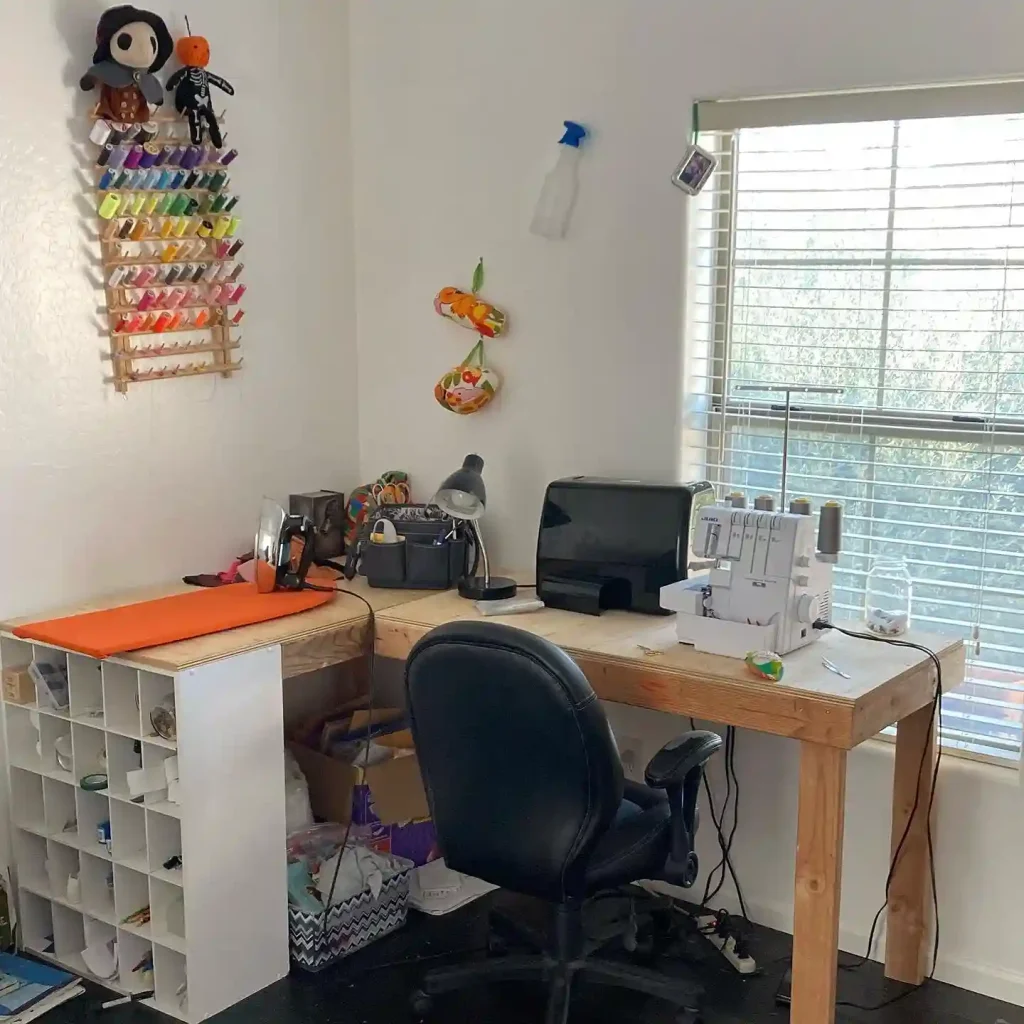
Source: @fosteringsewing
These 28 innovative ideas prove that limited space doesn’t mean limited creativity or functionality ever. Transform your compact corner into the sewing room of your dreams starting today.
1. Murphy Sewing Table Fold-Down System
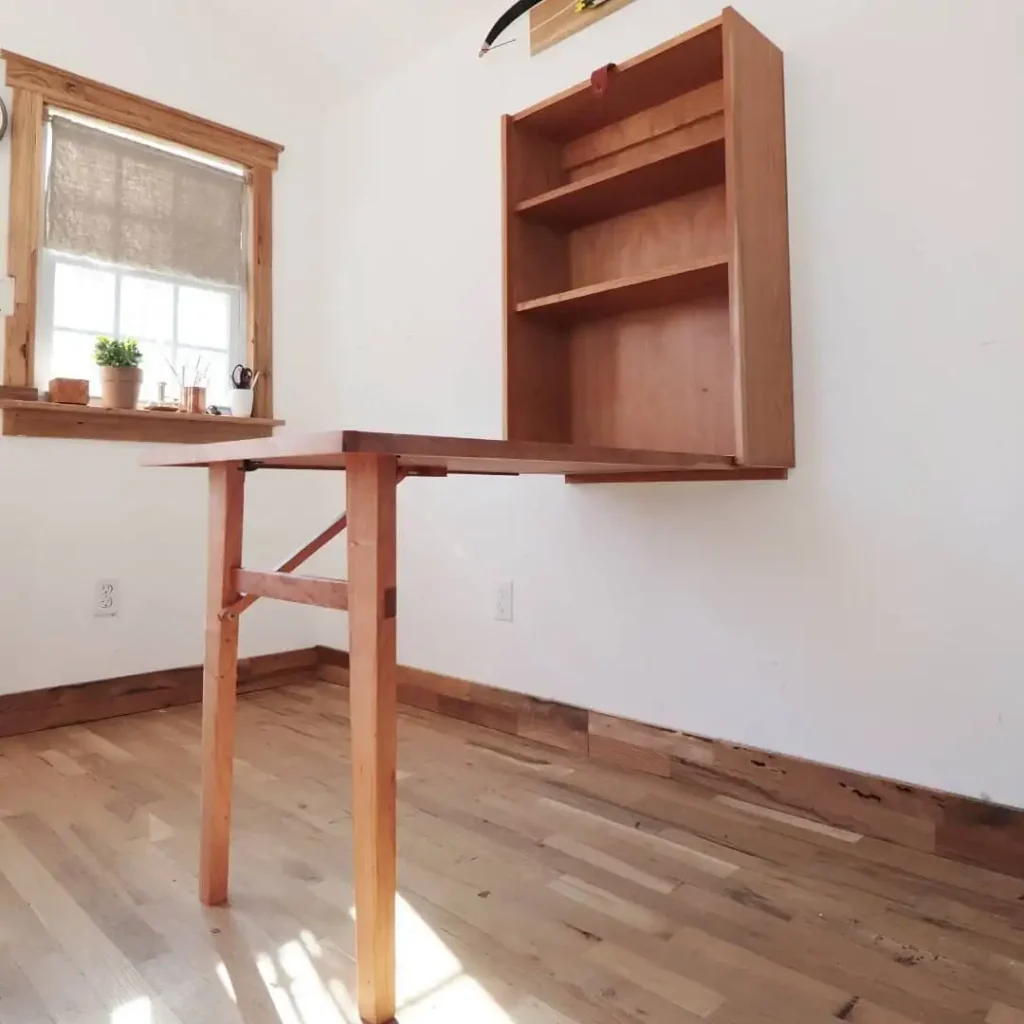
Install a wall-mounted fold-down table creating instant workspace that disappears when not needed. The table folds flat against the wall freeing up floor space completely. Mount your sewing machine on a hinged platform that folds up with the table. This space-saving solution works perfectly in multipurpose rooms requiring flexible furniture arrangements. Similar space efficiency found in hobby room design ideas maximizes functionality beautifully.
Source: @darbinorvar
| Table Size | Workspace | Folded Depth | Weight Capacity |
|---|---|---|---|
| 24″x36″ | Compact | 4 inches | 50 lbs |
| 30″x48″ | Standard | 6 inches | 75 lbs |
| 36″x60″ | Generous | 8 inches | 100 lbs |
Add shelving above the table storing frequently used supplies within arm’s reach always. Install a pegboard on the wall behind the table organizing tools vertically efficiently. The fold-down design transforms any wall into functional sewing space when needed. Close everything up creating a clean minimalist wall appearance between sewing sessions.
2. Corner L-Shaped Workspace Design
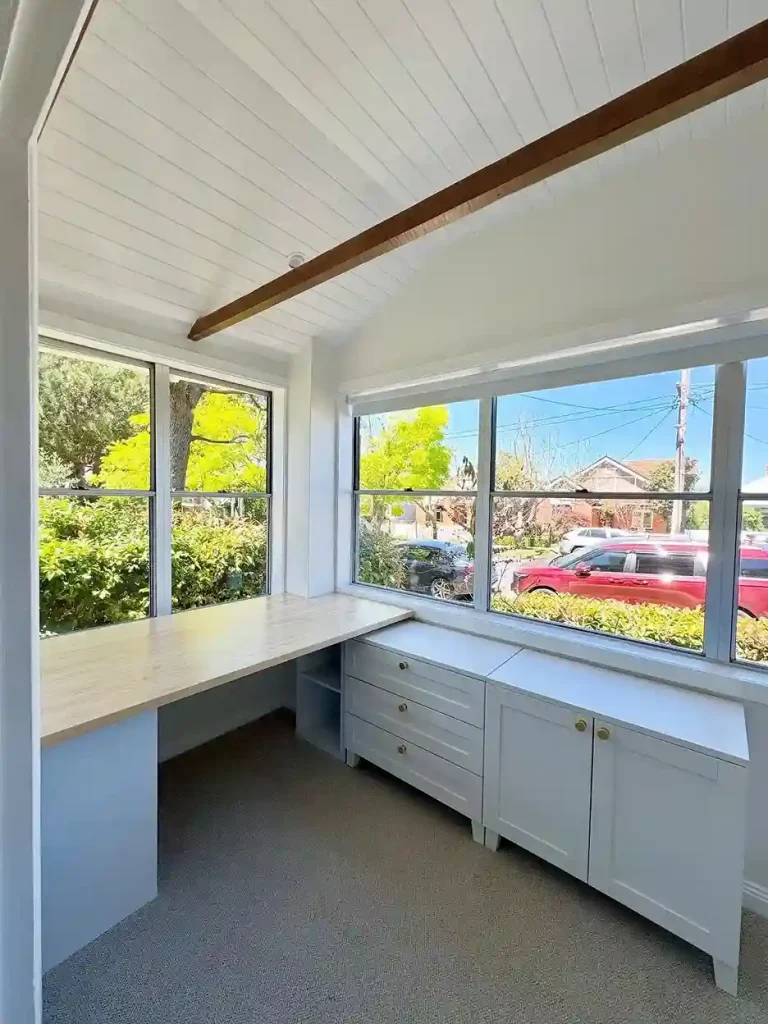
Utilize room corners with custom L-shaped desk configurations maximizing awkward space perfectly. The L-shape provides ample workspace for both sewing and cutting simultaneously together. One leg holds your sewing machine while the other accommodates cutting and pressing. Corner placement leaves the room center open for easy movement and additional storage. Strategic placement like home interior decoration ideas optimizes floor plans.
Source: @meljsim
| Configuration | Total Workspace | Corner Use | Suitable Room Size |
|---|---|---|---|
| Small L | 48″x48″ | Tight | 8’x8′ |
| Medium L | 60″x60″ | Standard | 10’x10′ |
| Large L | 72″x72″ | Generous | 12’x12′ |
Position the sewing machine on the shorter leg for easy access daily. Use the longer leg for cutting mats, patterns, and fabric layout work. Add rolling storage underneath both legs maximizing vertical space efficiently below. Corner workspaces create functional zones while maintaining open floor space for movement.
3. Vertical Wall Storage Maximization
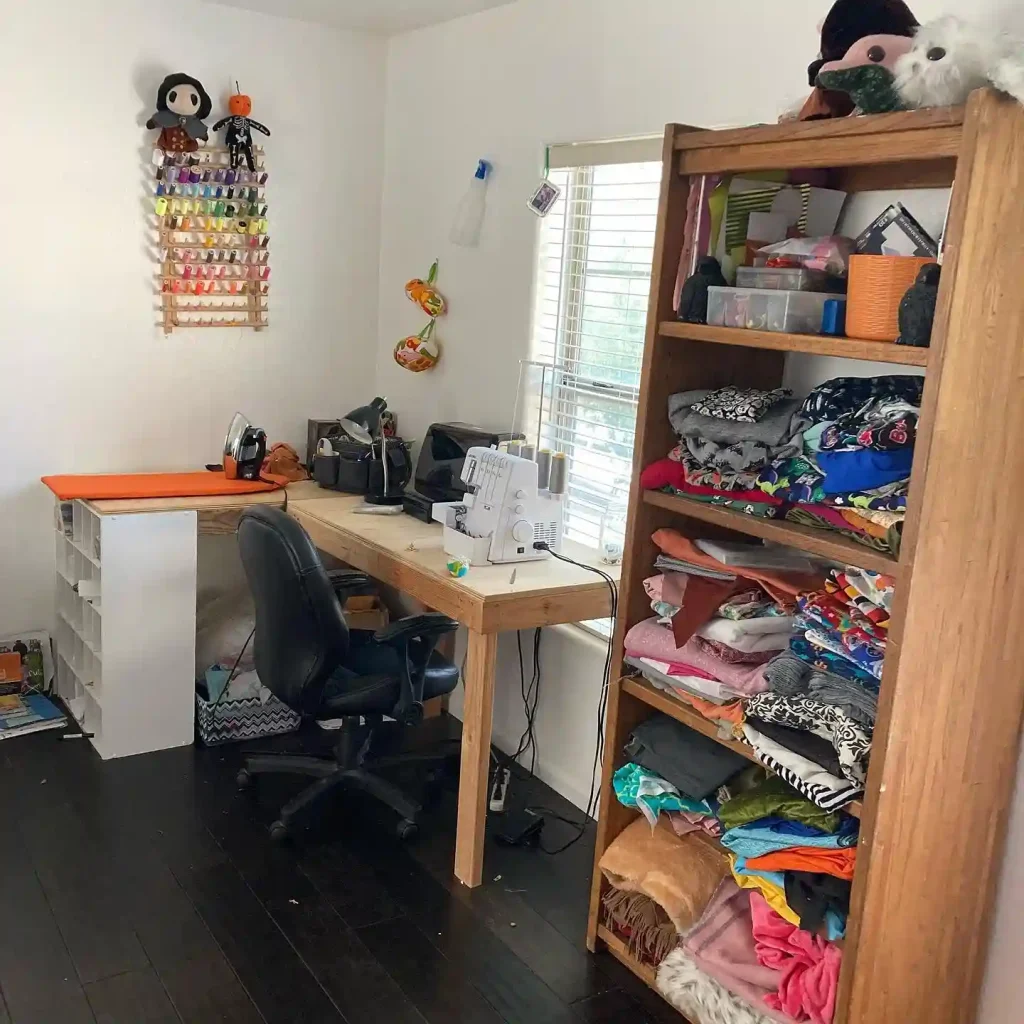
Install floor-to-ceiling shelving utilizing all vertical wall space available completely today. Vertical storage keeps supplies organized while preserving precious floor space for working. Mount pegboards, shelves, and hooks at various heights accommodating different storage needs. Keep frequently used items at eye level with occasional-use supplies stored higher. Height utilization similar to home interior design ideas makes small spaces functional.
Source: @fosteringsewing
| Storage Type | Height Range | Capacity | Installation Cost |
|---|---|---|---|
| Pegboard | Floor to 8′ | High | $30-60 |
| Floating Shelves | Any Level | Medium | $50-100 |
| Wire Shelving | Floor to Ceiling | Very High | $80-150 |
Use the highest shelves for seasonal fabrics or rarely used specialty supplies. Install medium-height shelves for fabric storage organized by color or project. Lower shelves hold thread, notions, and tools used in daily sewing projects. This vertical approach maximizes storage without consuming valuable floor space needed for working.
4. Under-Table Rolling Storage Units
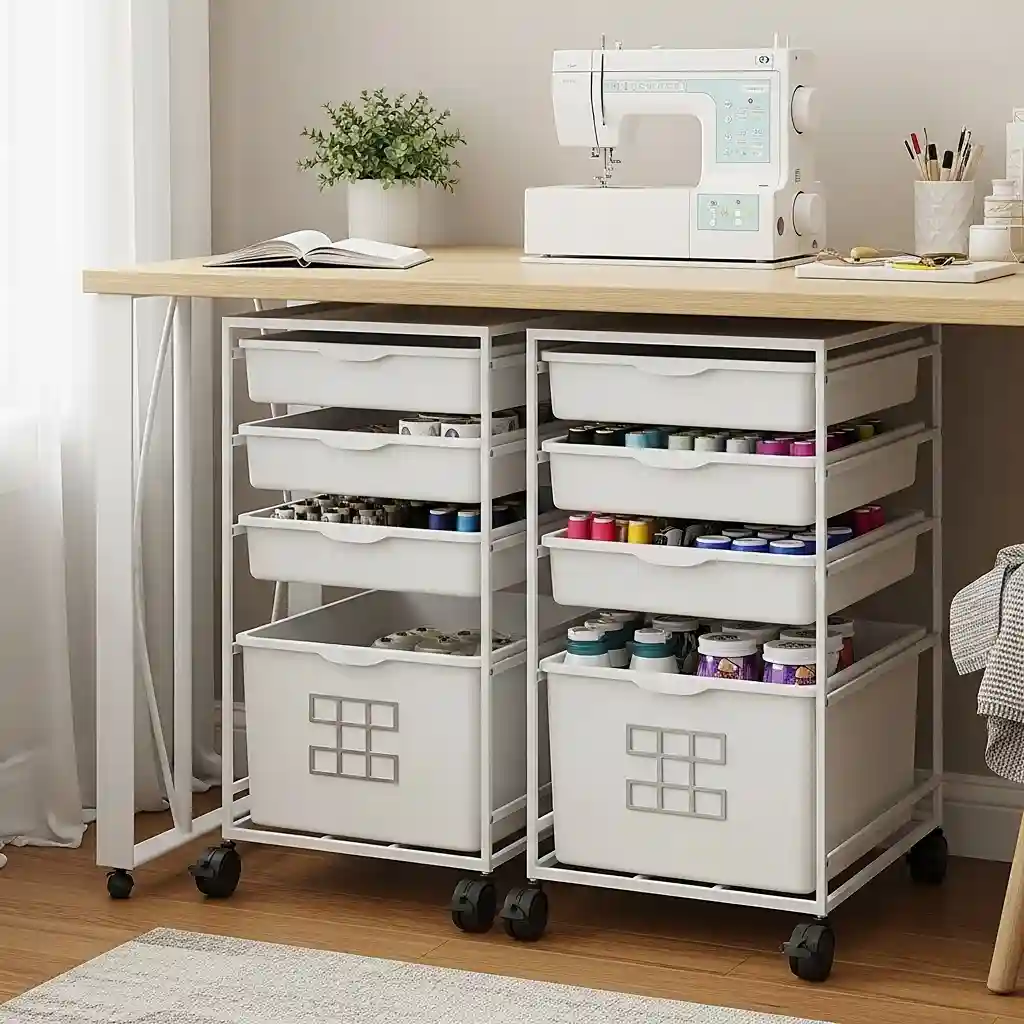
Place rolling drawer units under your sewing table creating hidden accessible storage instantly. The wheels allow easy movement when accessing supplies stored inside each drawer. Choose units that fit perfectly under your table height maximizing space usage. Rolling storage provides flexibility moving supplies exactly where needed during projects. Mobile solutions like living room category furniture adapt to needs.
Source: @motifspace
| Drawer Count | Storage Capacity | Mobility | Price Range |
|---|---|---|---|
| 3-drawer | Small | Easy | $40-70 |
| 5-drawer | Medium | Easy | $70-110 |
| 7-drawer | Large | Moderate | $110-160 |
Store thread, bobbins, and small notions in shallow top drawers conveniently. Use deeper drawers for fabric scraps, patterns, or larger sewing tools efficiently. The rolling feature lets you pull storage out when working then tuck away. This hidden storage maintains a clean uncluttered workspace appearance while keeping supplies accessible.
5. Closet Conversion Sewing Space
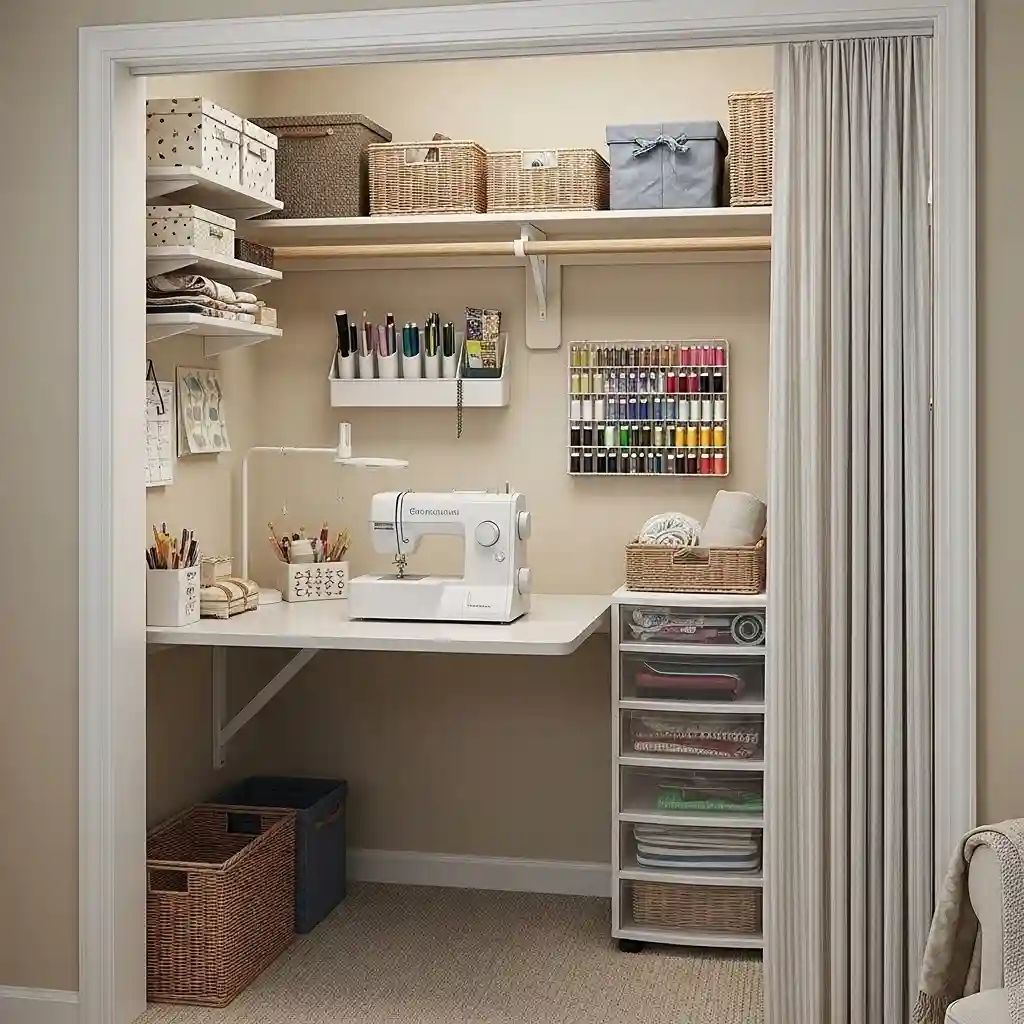
Transform a bedroom closet into a compact dedicated sewing room instantly today. Remove closet doors installing curtains or folding doors saving space when open. Mount a fold-down table or permanent countertop at comfortable working height. Install shelving above and around workspace storing all supplies within arm’s reach. Converted spaces similar to bedroom category maximize every inch.
Source: @motifspace
| Closet Type | Workspace Size | Storage | Suitable For |
|---|---|---|---|
| Reach-in | 24″x48″ | Wall Shelves | Occasional Sewing |
| Walk-in | 36″x60″ | Surrounding | Regular Sewing |
| Double | 48″x72″ | Extensive | Daily Sewing |
Add overhead lighting ensuring adequate illumination for detailed sewing work always. Install a small fan providing air circulation in the enclosed space comfortably. The closet doors hide your sewing space creating a clean appearance instantly. This dedicated space eliminates setup and takedown time making sewing more accessible.
6. Multi-Purpose Furniture Solutions
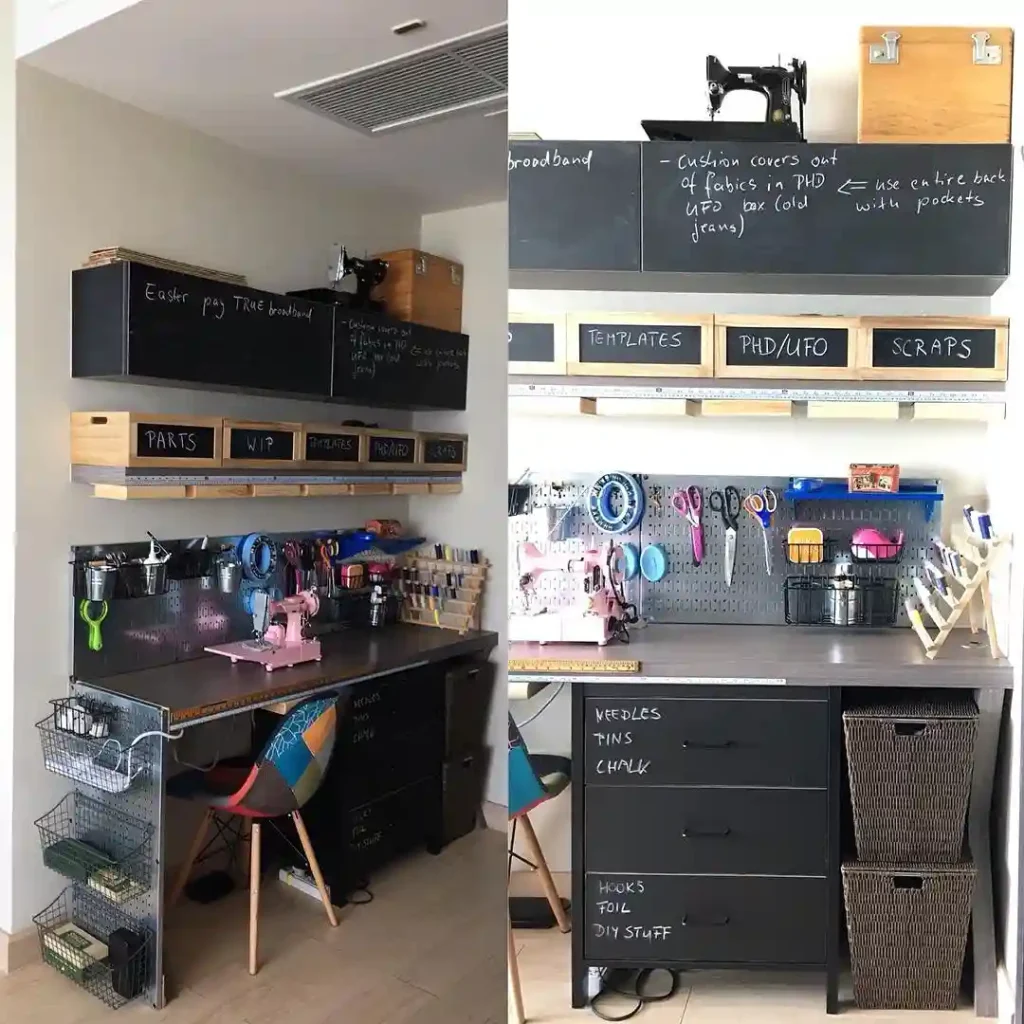
Choose furniture serving double or triple functions maximizing limited space brilliantly today. A dining table becomes a cutting table with protective mat on top. Storage ottomans provide seating plus fabric storage inside hidden compartments conveniently. Bookcases with doors hide sewing supplies while displaying decorative items openly. Versatile furniture like multipurpose rooms ideas adapts to activities.
Source: @manuela_no_longer_in_hong_kon
| Furniture Type | Primary Use | Secondary Use | Space Saved |
|---|---|---|---|
| Storage Ottoman | Seating | Fabric Storage | 50% |
| Bookcase w/Doors | Display | Hidden Storage | 40% |
| Dining Table | Eating | Cutting Surface | 60% |
Select furniture on wheels moving pieces easily as needs change throughout day. Choose nesting tables tucking smaller tables under larger ones when unused efficiently. Invest in furniture with built-in storage eliminating need for additional storage units. Multi-functional pieces reduce furniture quantity while maintaining full functionality in small spaces.
7. Pegboard Organization Wall System
Install large pegboard panels creating customizable storage adapting to changing needs easily. Hang scissors, rulers, and tools keeping them visible and immediately accessible. Add small bins and baskets to pegboard storing thread, buttons, and notions. Rearrange hooks and accessories as your needs evolve over time flexibly. Adaptable systems like home decor category ideas stay relevant.
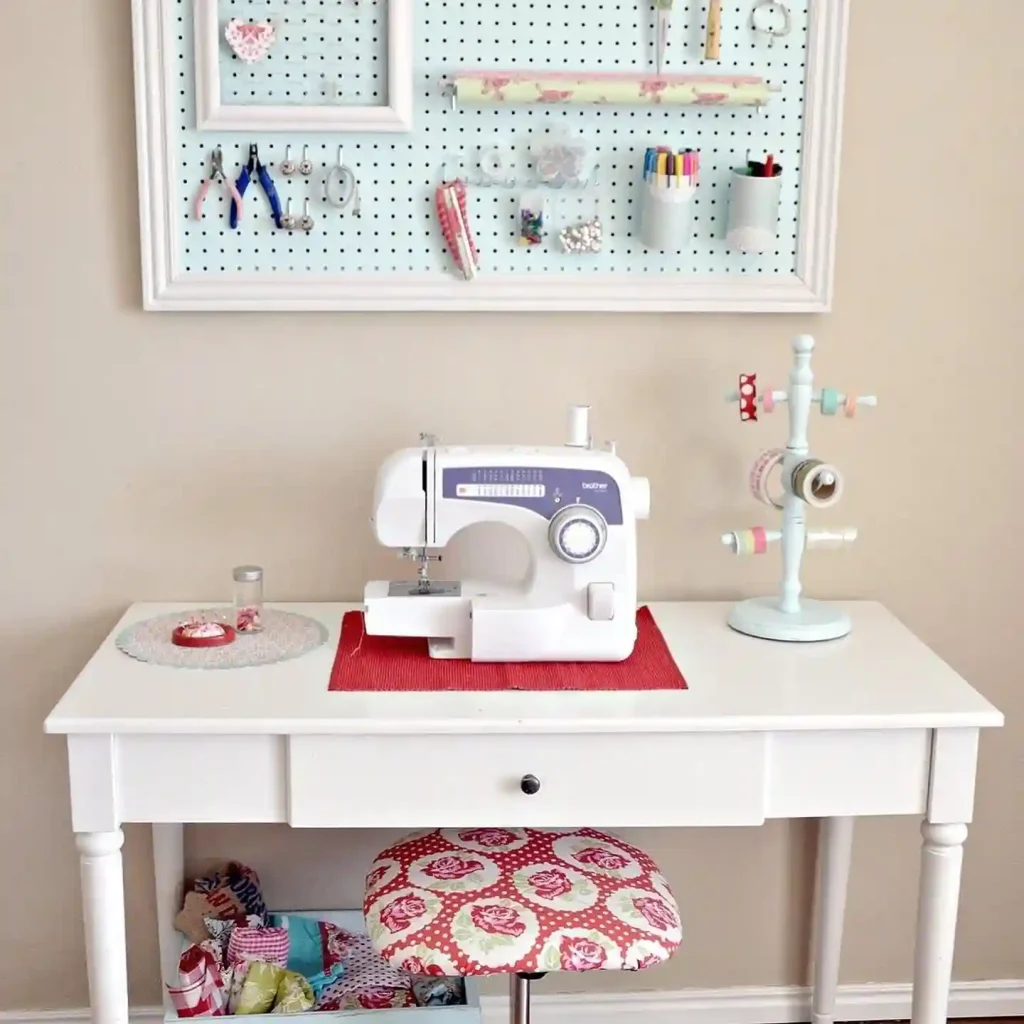
Source: @thebagmakingacademy
| Pegboard Size | Tool Capacity | Flexibility | Cost |
|---|---|---|---|
| 2’x4′ | 15-25 items | High | $15-30 |
| 4’x4′ | 30-50 items | Very High | $30-60 |
| 4’x8′ | 60-100 items | Extreme | $60-100 |
Paint pegboard matching room decor creating cohesive attractive appearance throughout space. Outline tools with marker showing proper placement encouraging organized tool return habits. Add small shelves to pegboard creating varied storage for different item types. The visual organization helps you locate needed items instantly without searching through drawers.
8. Over-Door Storage Utilization
Hang over-door organizers on closet or room doors maximizing unused vertical space. Clear pocket organizers display thread, notions, and small tools perfectly visible. Over-door hooks hold ironing boards, cutting mats, or bags of fabric scraps. This storage solution requires zero floor space while adding substantial storage capacity. Door usage similar to drop ceiling ideas maximizes overlooked areas.
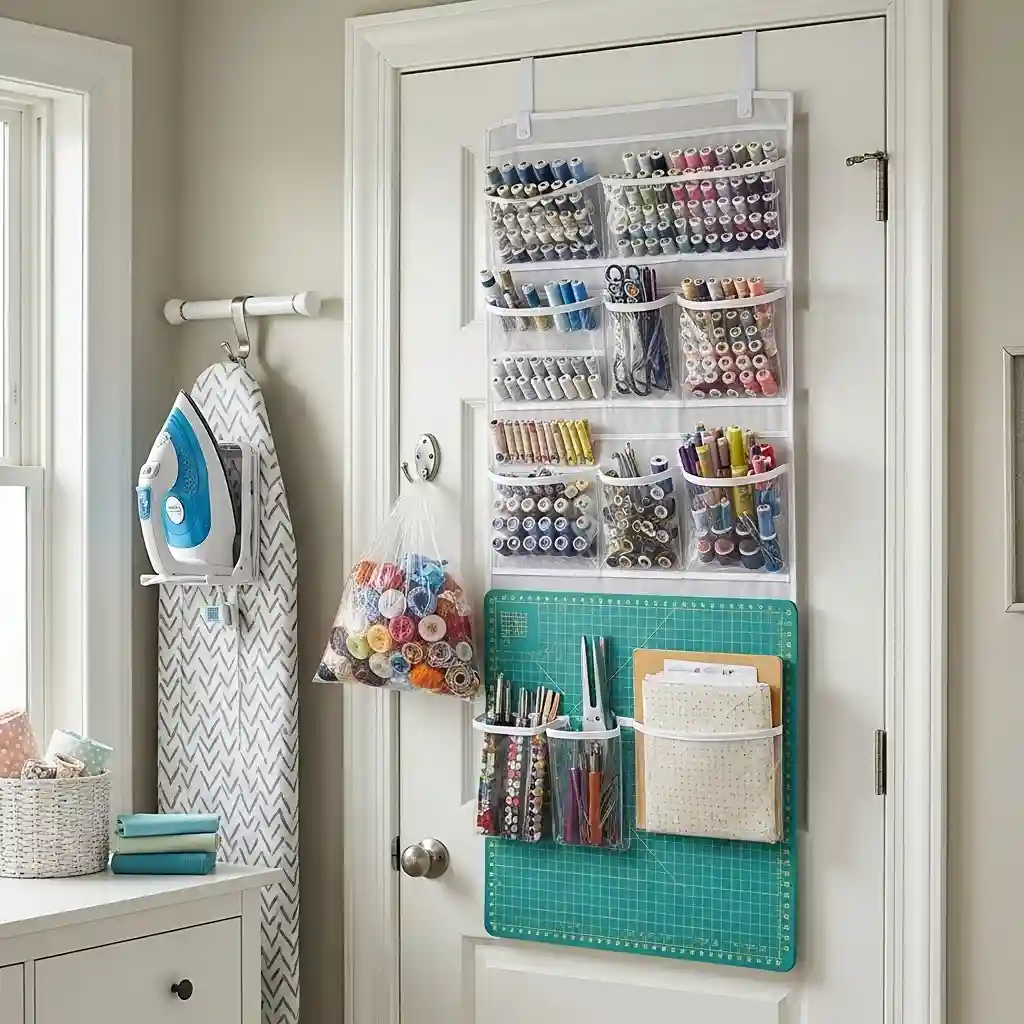
Source: @motifspace
| Organizer Type | Pocket Count | Capacity | Installation |
|---|---|---|---|
| Clear Pockets | 20-24 | Small Items | Hang Only |
| Fabric Pockets | 12-16 | Medium Items | Hang Only |
| Hook Rack | 5-8 hooks | Large Items | Hang Only |
Use clear organizers for thread allowing instant color identification without searching pockets. Store frequently used scissors, seam rippers, and measuring tapes in accessible pockets. Hang cutting mats and rulers keeping them flat preventing warping over time. Over-door storage keeps supplies organized visible accessible without consuming precious floor space.
9. Fold-Out Ironing Board Station
Mount a wall-mounted ironing board that folds flush against wall when unused. Install near your sewing machine minimizing movement between sewing and pressing tasks. Add small shelf above holding iron and pressing tools within reach. The fold-away design eliminates bulky floor-standing ironing board storage completely. Space-saving installations like cheap DIY ceiling ideas maximize efficiency.
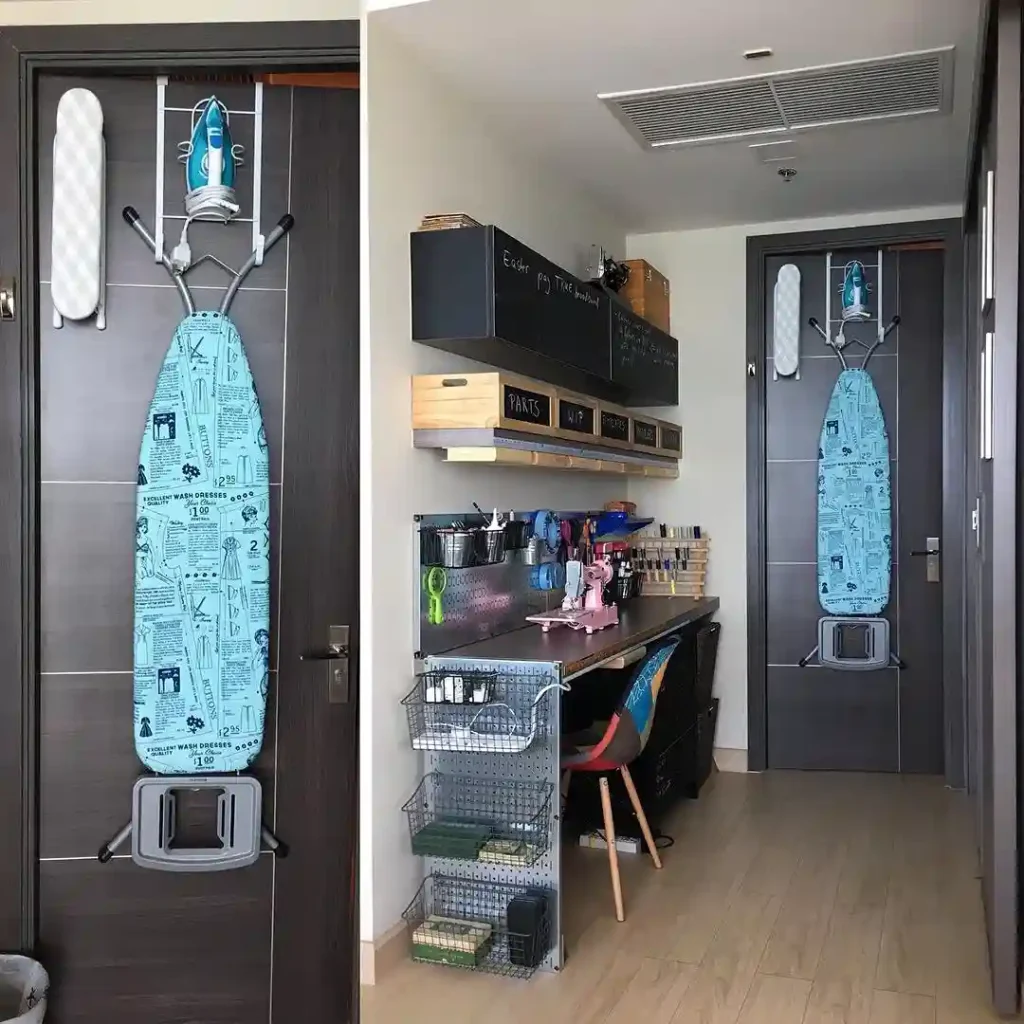
Source: @manuela_no_longer_in_hong_kon
| Board Size | Ironing Surface | Folded Depth | Installation Type |
|---|---|---|---|
| Compact | 32″x12″ | 4 inches | Wall-Mount |
| Standard | 42″x14″ | 6 inches | Wall-Mount |
| Large | 54″x18″ | 8 inches | Cabinet-Mount |
Position the board at comfortable working height preventing back strain during pressing. Install heat-resistant wall protection behind board preventing wall damage from iron heat. Add a small basket nearby holding pressing cloths, spray bottles, and pressing ham. This integrated pressing station streamlines your sewing workflow eliminating setup time completely.
10. Narrow Rolling Cart Organization
Use slim rolling carts fitting into tight spaces between furniture or walls. The narrow profile provides storage without blocking walkways or consuming floor space. Load carts with frequently used supplies keeping everything mobile and accessible always. Roll carts to your work area then tuck away when finished. Mobile storage similar to coffered ceiling ideas planning adds flexibility.
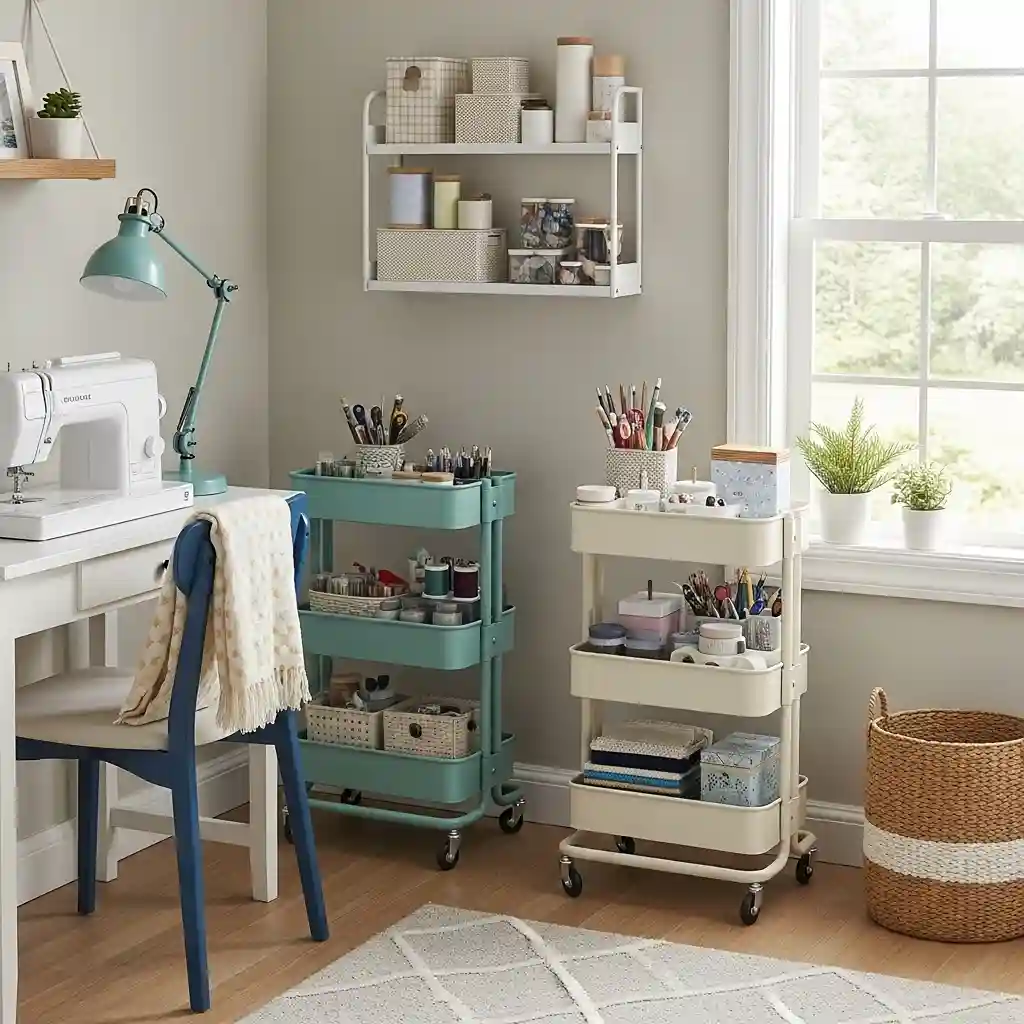
Source: @motifspace
| Cart Width | Shelf Count | Capacity | Best Location |
|---|---|---|---|
| 6 inches | 3-4 | Minimal | Between Furniture |
| 10 inches | 4-5 | Moderate | Beside Desk |
| 14 inches | 5-6 | Substantial | Corner Space |
Use narrow carts for thread collections organizing by color on each shelf. Store scissors, rotary cutters, and rulers in narrow carts beside cutting area. Keep current project supplies in mobile cart rolling between sewing and ironing. These slim carts maximize overlooked narrow spaces making them functional storage areas.
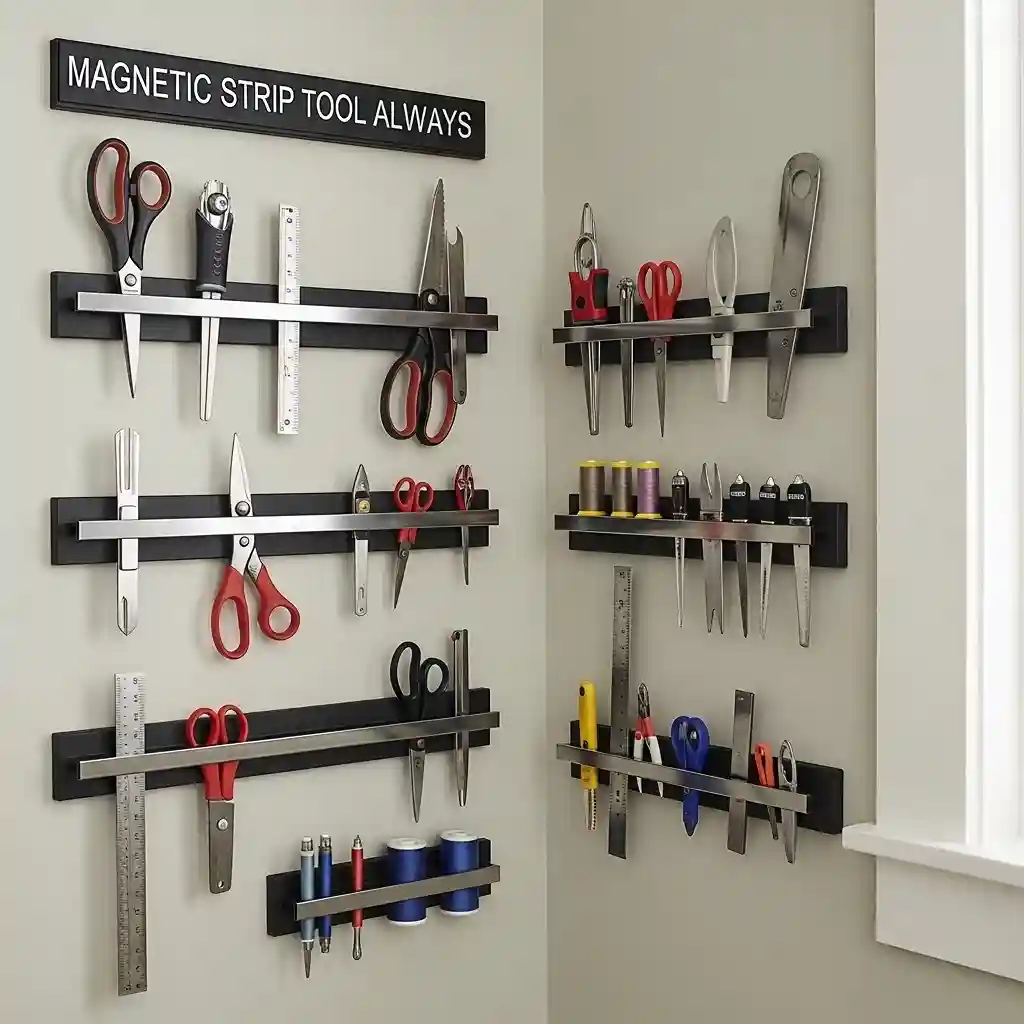
11. Magnetic Strip Tool Organization
Install magnetic strips on walls holding metal tools scissors and rulers securely. The magnetic display keeps tools visible immediately accessible without drawer rummaging time. Mount strips at various heights creating tiered tool storage maximizing wall space. This simple solution costs little while providing substantial organizational benefits always. Simple solutions like front porch ceiling guide ideas work effectively.
| Strip Length | Tool Capacity | Strength | Cost |
|---|---|---|---|
| 12 inches | 5-8 tools | Light | $5-10 |
| 18 inches | 10-15 tools | Medium | $10-15 |
| 24 inches | 15-20 tools | Strong | $15-25 |
Position magnetic strips near sewing machine keeping frequently used tools within reach. Mount one strip beside cutting area holding rotary cutters and scissors readily. Add magnetic strips inside cabinet doors creating hidden tool storage conveniently. The visual display helps you quickly identify which tools are available versus in use.
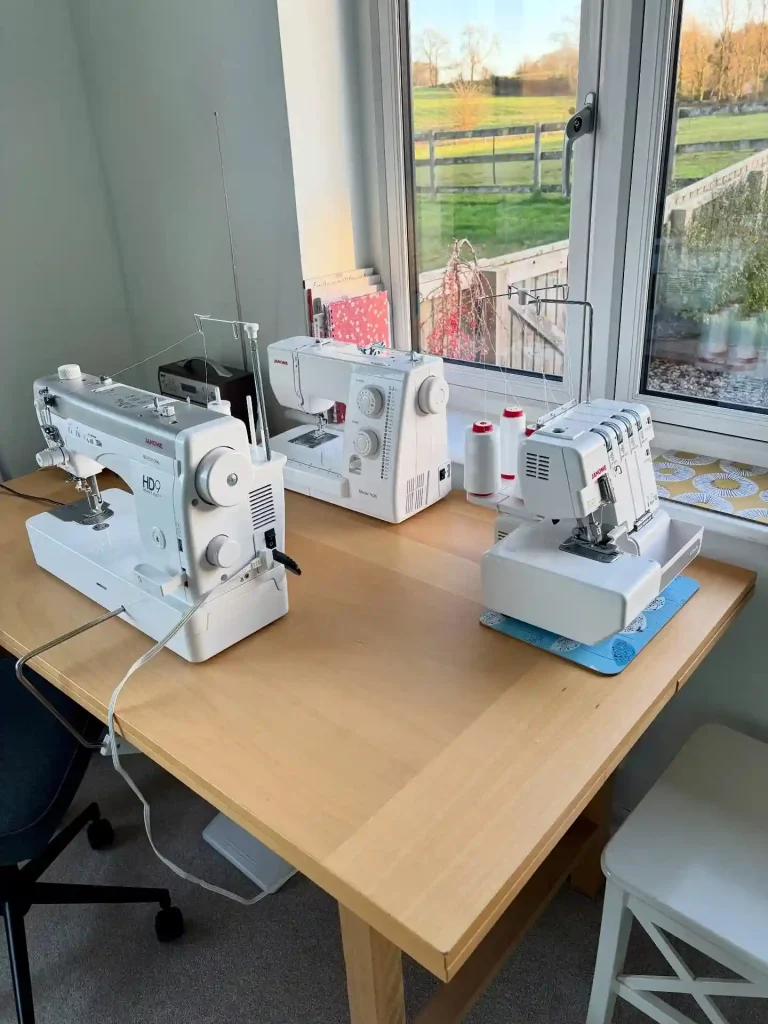
12. Compact Sewing Machine Cabinet
Invest in a specialized sewing cabinet with built-in machine lift mechanism. The machine stores inside cabinet lowering to table level when sewing. Close the cabinet creating clean work surface when machine not in use. Built-in storage holds thread, bobbins, and accessories organized nearby conveniently. Specialized furniture like wood plank ceiling ideas installations serves specific purposes.
Source: @bluebellcoast
| Cabinet Size | Machine Fit | Storage Drawers | Price Range |
|---|---|---|---|
| Compact | Small Machines | 2-3 | $200-400 |
| Standard | Most Machines | 4-6 | $400-700 |
| Large | All Machines | 6-8 | $700-1200 |
Choose cabinets with adjustable platform accommodating different machine sizes perfectly today. Select models with ample drawer space storing all sewing essentials in one location. The lift mechanism protects your machine while creating valuable workspace when closed. This professional setup makes small spaces feel like full-sized sewing studios easily.
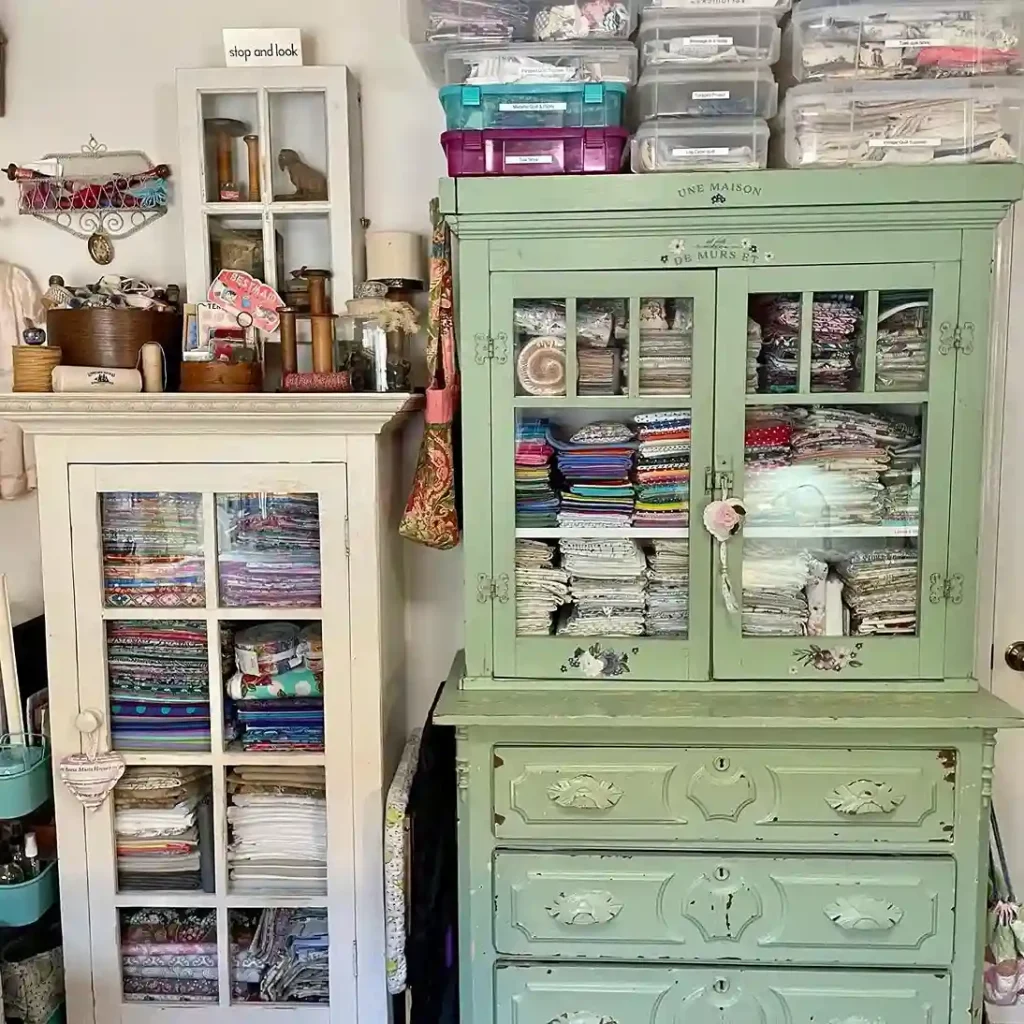
13. Clear Stackable Drawer Units
Use transparent stacking drawers creating visible organized storage for small supplies always. Stack drawers vertically maximizing storage without consuming floor space unnecessarily today. The see-through design eliminates guessing drawer contents saving searching time constantly. Modular units expand as your supply collection grows over time flexibly. Transparent storage like stunning tray ceiling ideas showcases contents.
Source: @sewcharmed
| Drawer Size | Stack Height | Visibility | Cost Per Unit |
|---|---|---|---|
| Small (6″x6″) | 5-6 high | Excellent | $3-6 |
| Medium (9″x12″) | 4-5 high | Excellent | $6-12 |
| Large (12″x16″) | 3-4 high | Excellent | $12-20 |
Organize drawers by supply type keeping thread, buttons, and zippers separated. Label drawer fronts even though contents are visible reinforcing organization system. Stack same-size drawers creating uniform towers throughout your small space efficiently. The modular nature allows rearranging as your storage needs change over time.
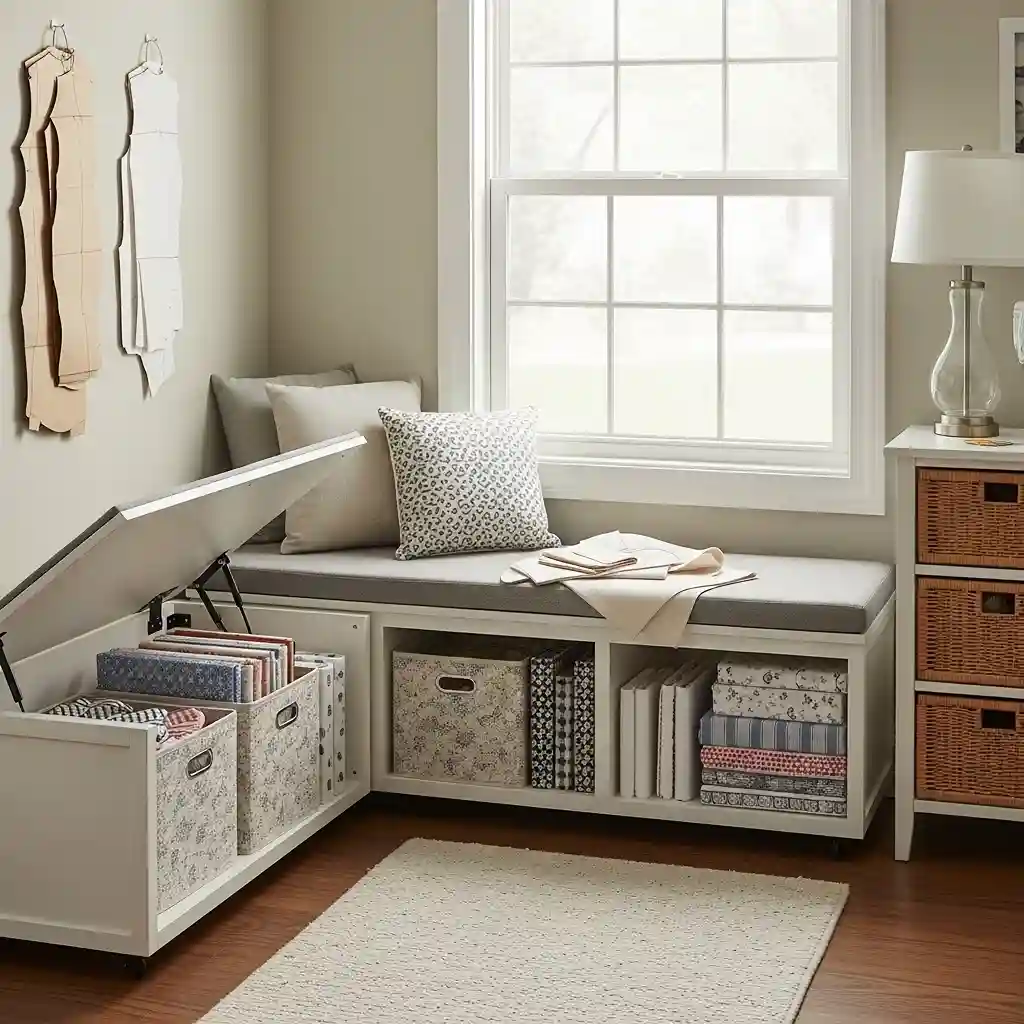
14. Window Seat Storage Bench
Build or purchase window seat with lift-top storage for fabric organization. The seat provides comfortable spot for hand-sewing or pattern review work. Hidden storage compartment holds larger fabric pieces or seasonal supplies safely. This dual-purpose furniture maximizes space while adding functional seating area too. Combined functions similar to vaulted ceiling guide designs optimize spaces.
| Bench Length | Seating Capacity | Storage Volume | Weight Capacity |
|---|---|---|---|
| 36 inches | 1-2 people | 10 cubic ft | 200 lbs |
| 48 inches | 2-3 people | 15 cubic ft | 300 lbs |
| 60 inches | 3-4 people | 20 cubic ft | 400 lbs |
Add comfortable cushions making the seat inviting for longer sitting periods. Install hinges allowing easy lid opening for accessing stored items below. Store bulkier items like batting, interfacing, or seasonal fabrics inside bench. The window location provides natural lighting perfect for detailed hand-sewing work.
15. Adjustable Height Work Surface
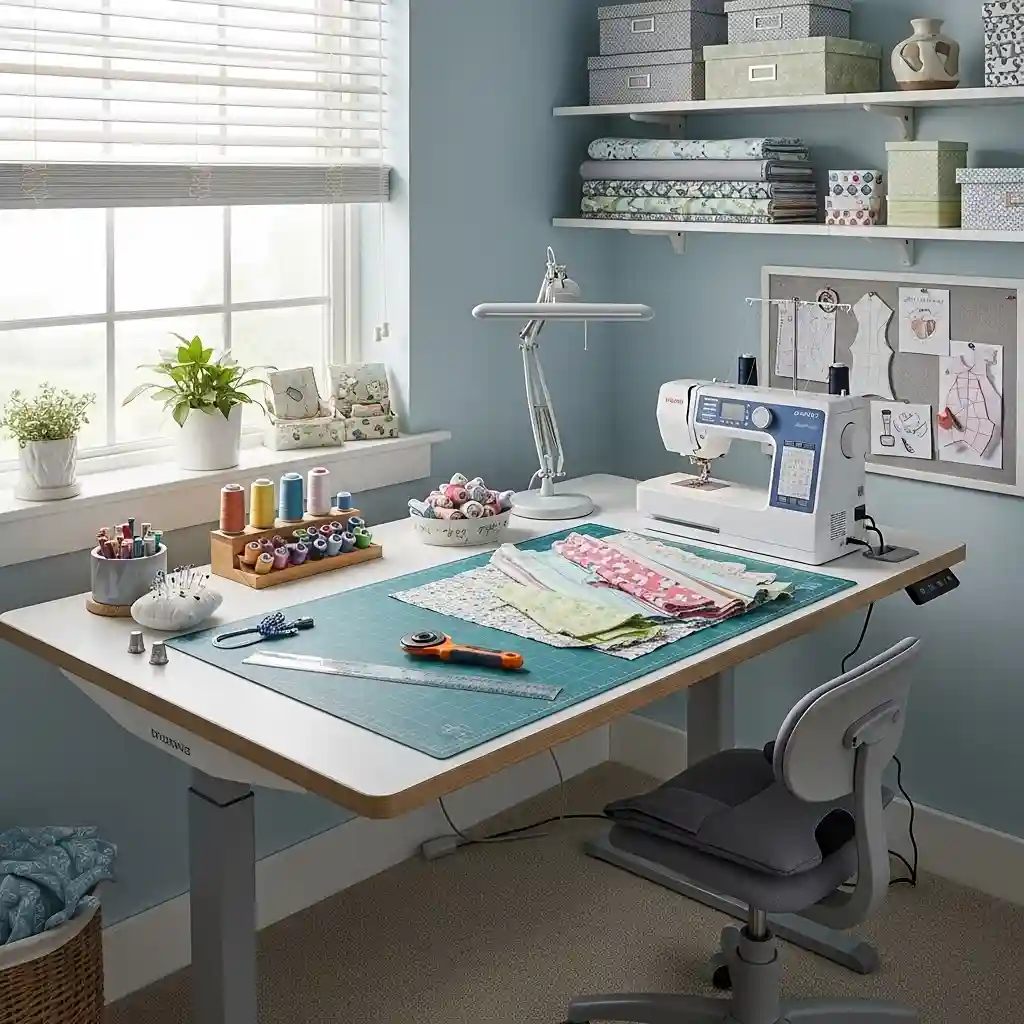
Install an adjustable-height table accommodating both sitting and standing work positions. Standing while cutting reduces back strain during extended cutting sessions significantly. Lowering table for seated sewing maintains comfortable ergonomic positioning always today. This versatility promotes better posture and reduces fatigue during long projects. Adjustable features like bedroom paint colors selection adapt to preferences.
| Adjustment Range | Mechanism | Stability | Price Range |
|---|---|---|---|
| 28″-42″ | Manual Crank | Good | $200-400 |
| 26″-48″ | Electric Motor | Excellent | $400-800 |
| 24″-50″ | Pneumatic | Very Good | $300-600 |
Position table near natural light source reducing eye strain during detailed work. Add anti-fatigue mat beneath standing work area supporting feet during longer sessions. The height adjustment accommodates different tasks cutting versus sewing versus pressing optimally. This ergonomic solution prevents physical discomfort making sewing sessions more enjoyable.
16. Slide-Out Cutting Board Extension
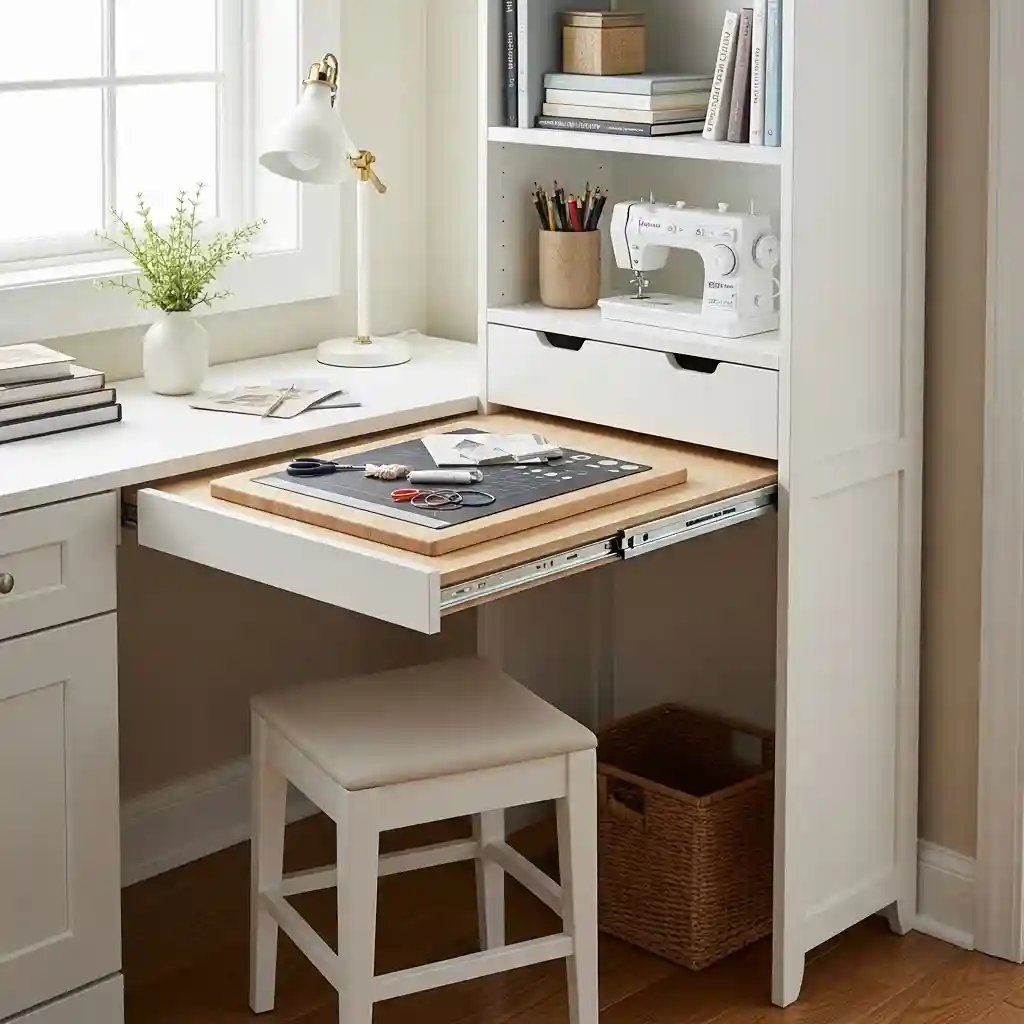
Add a slide-out cutting board extension to existing desk or table. The extension pulls out creating additional workspace when needed for projects. Push it back under table when finished keeping room walkways clear always. This hidden workspace provides flexibility without permanent space commitment required today. Hidden features like vaulted ceiling living room ideas maximize functionality.
| Extension Size | Added Workspace | Slide Depth | Installation |
|---|---|---|---|
| 18″x24″ | Moderate | 24 inches | Easy DIY |
| 24″x30″ | Substantial | 30 inches | Moderate DIY |
| 30″x36″ | Generous | 36 inches | Professional |
Install ball-bearing slides ensuring smooth quiet extension and retraction movement always. Use extension for cutting smaller projects or as temporary pressing surface. The slide-out feature creates workspace exactly when needed without permanent commitment. This flexibility makes small sewing spaces adapt to various project requirements easily.
17. Ceiling-Mounted Fabric Storage
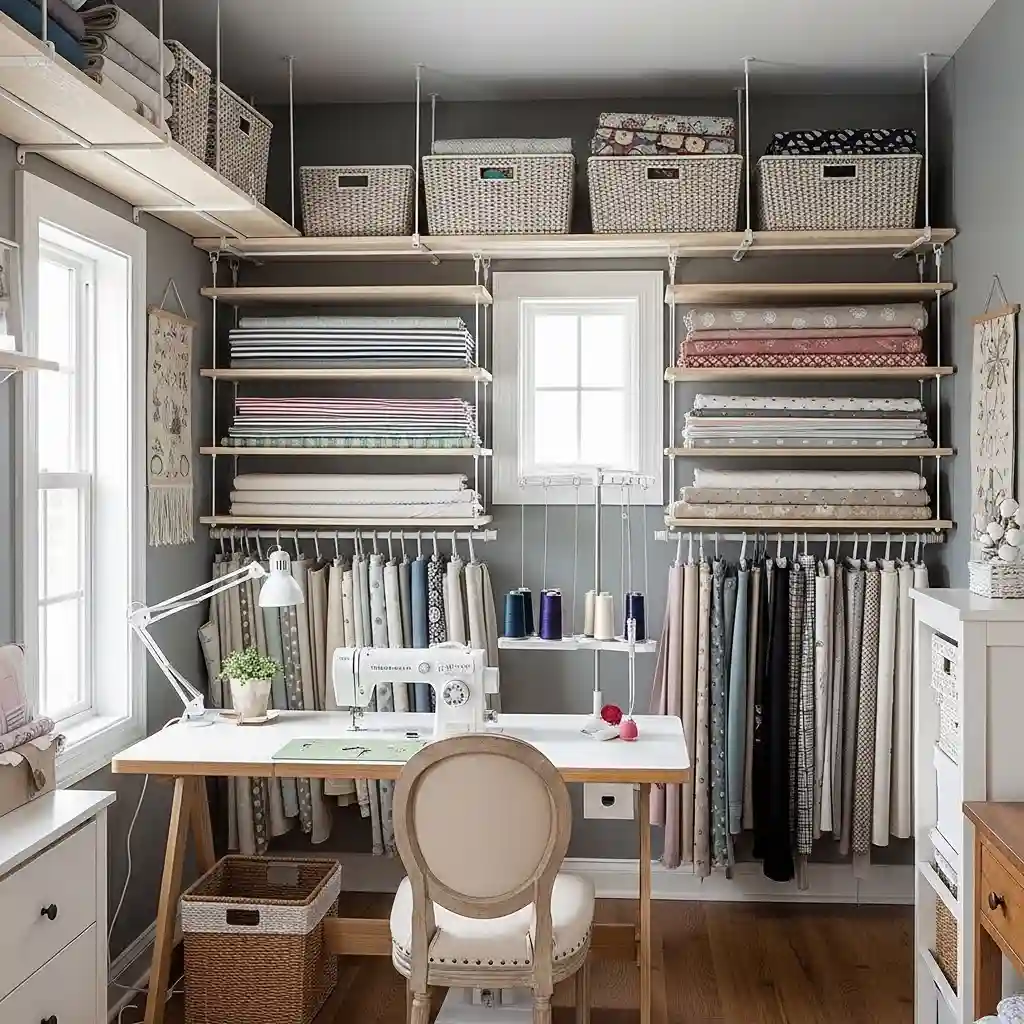
Hang fabric storage from ceiling joists utilizing completely unused overhead space. Install hanging shelves or baskets storing fabrics above your work area safely. Use ceiling space for seasonal or infrequently used fabrics keeping them accessible. This unconventional storage frees up walls and floors for more critical functions. Overhead usage similar to home interior decor ideas thinks three-dimensionally.
| Storage Type | Weight Capacity | Installation | Best For |
|---|---|---|---|
| Hanging Shelves | 25 lbs | Ceiling Joists | Light Fabrics |
| Basket Racks | 50 lbs | Ceiling Joists | Medium Fabrics |
| Rod System | 75 lbs | Wall to Wall | Hanging Fabrics |
Ensure proper joist attachment supporting weight of stored fabrics safely always. Position overhead storage avoiding interference with head clearance or lighting fixtures. Use for storing fabrics you don’t access daily but want kept organized. This creative solution maximizes cubic room volume versus just floor space.
18. Behind-Door Tension Rod Storage
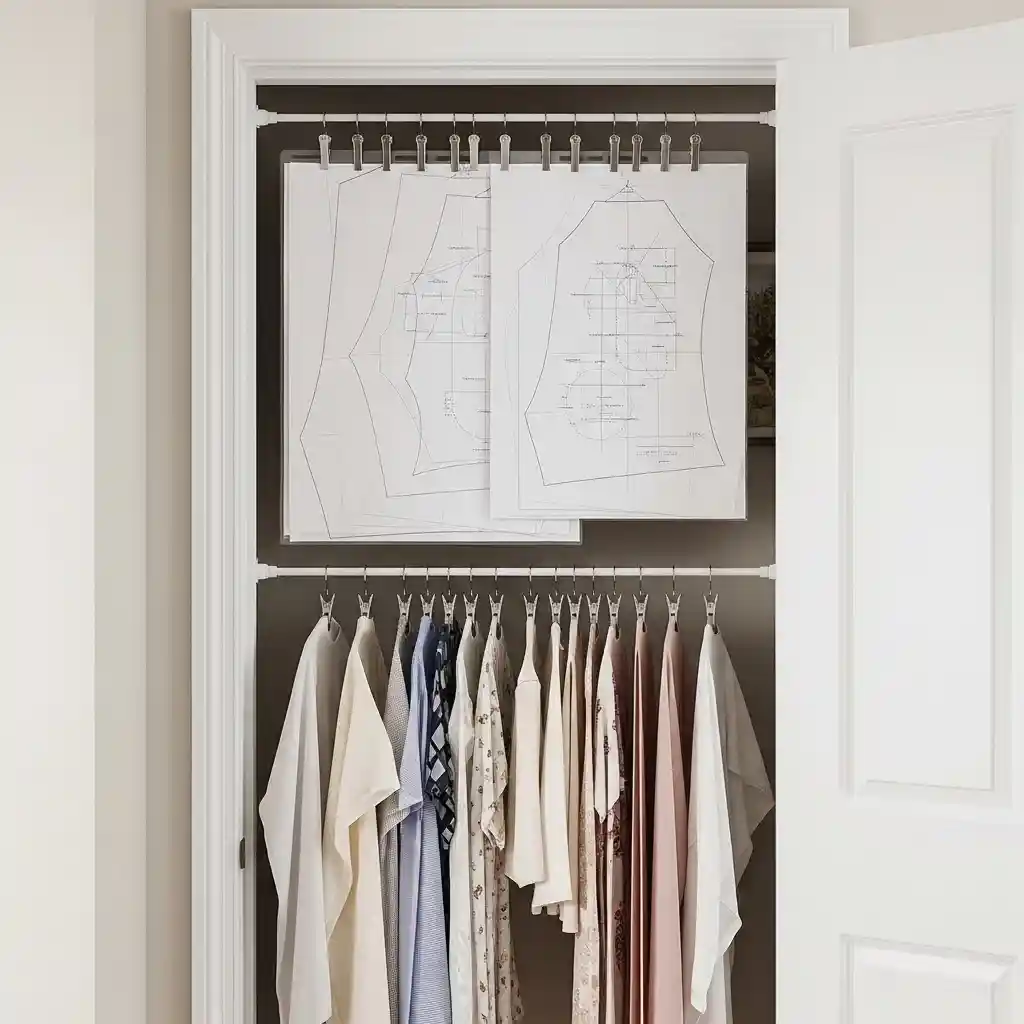
Install tension rods behind doors creating hanging storage for patterns and fabrics. Clip patterns in sheet protectors hanging from pants clips on rods. Hang fabric pieces preventing wrinkles while keeping them visible accessible always. This zero-installation storage uses otherwise wasted behind-door space brilliantly today. Hidden storage like living room category solutions maintains aesthetics.
| Rod Count | Storage Capacity | Installation | Cost |
|---|---|---|---|
| 1 rod | 8-12 items | Tension Only | $10-15 |
| 2 rods | 16-24 items | Tension Only | $20-30 |
| 3 rods | 24-36 items | Tension Only | $30-45 |
Space rods vertically allowing adequate room for hanging items without crowding. Use for storing current project fabrics keeping them separate from stash. Hang pressing cloths, pattern pieces, or fabric waiting to be cut. The behind-door location keeps storage hidden maintaining room’s clean appearance.
19. Modular Cube Shelving System
Install cube shelving creating customizable storage adapting to changing needs always. Each cube holds fabric bins, baskets, or displays depending on requirements. Mix open and closed storage creating both functional and decorative displays. The modular design expands as your sewing supply collection grows naturally. Flexible systems like home interior design ideas accommodate evolution.
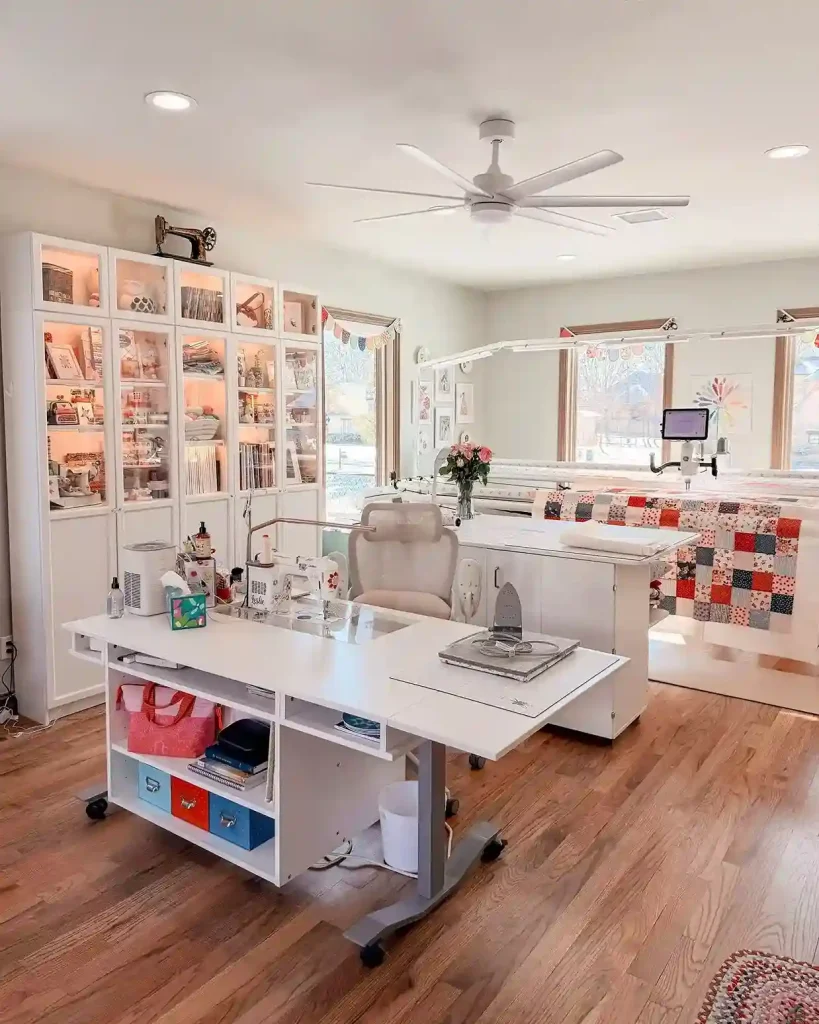
Source: @leslie_quilts
| Configuration | Cube Count | Footprint | Fabric Storage |
|---|---|---|---|
| 2×2 | 4 cubes | 30″x30″ | 30-50 yards |
| 2×4 | 8 cubes | 30″x61″ | 60-100 yards |
| 4×4 | 16 cubes | 58″x58″ | 120-200 yards |
Fill some cubes with storage bins containing organized fabric by color. Leave some cubes open displaying prettiest fabrics or decorative sewing items. Add doors to select cubes hiding messy supplies while maintaining accessibility. This system provides maximum storage flexibility in minimal floor space footprint.
20. Fold-Down Wall-Mounted Shelves
Install shelves that fold flat against wall when not in use currently. Pull shelves down creating instant storage or work surface as needed. Push shelves up clearing space for other activities in room. This transformable storage adapts multipurpose rooms to sewing when needed only. Transforming features similar to multipurpose rooms ideas maximize versatility.
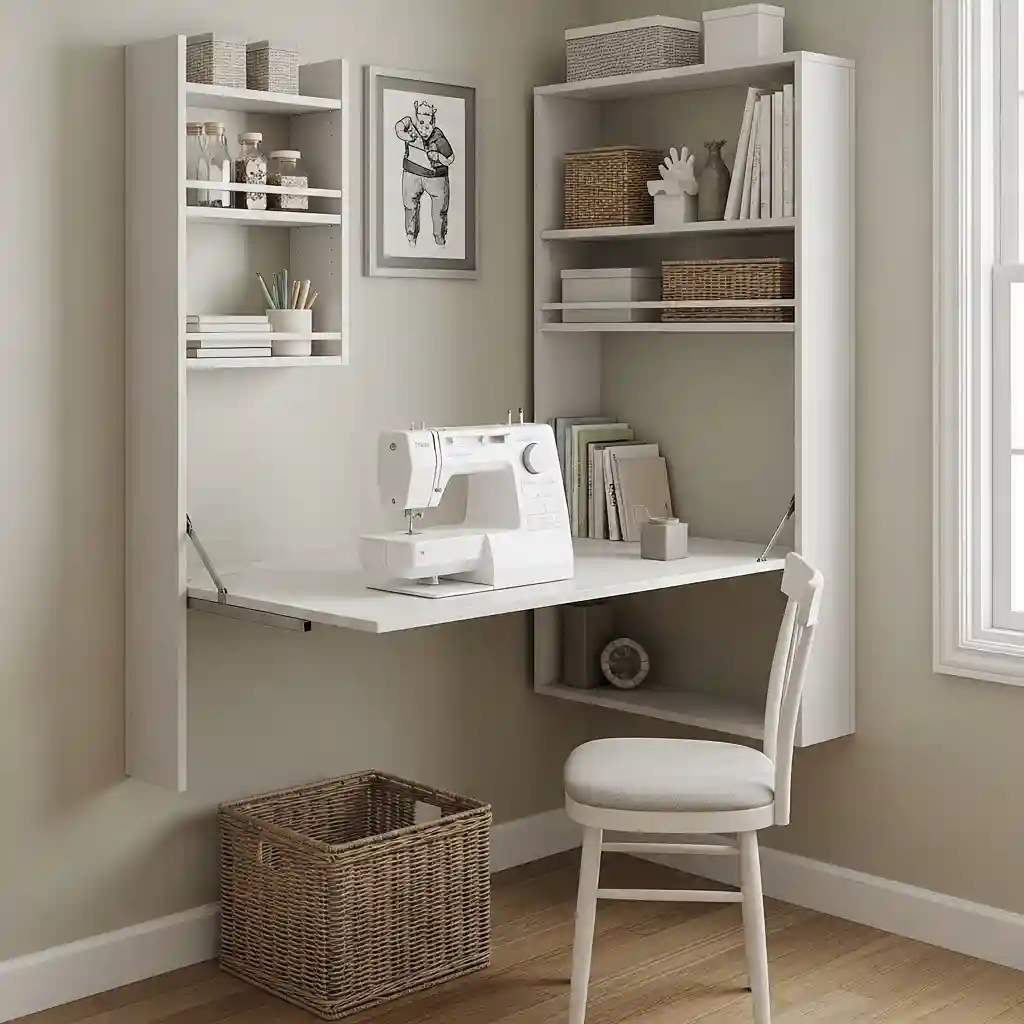
| Shelf Size | Load Capacity | Folded Profile | Mechanism |
|---|---|---|---|
| 12″x24″ | 20 lbs | 2 inches | Spring-Loaded |
| 16″x36″ | 35 lbs | 3 inches | Bracket System |
| 20″x48″ | 50 lbs | 4 inches | Heavy-Duty Hinges |
Use folding shelves for temporary project workspace or supply organization area. Install near sewing machine providing convenient surface for fabric and tools. The fold-away design maintains room flexibility for non-sewing activities too. This solution works perfectly in bedrooms or living rooms doubling sewing spaces.
21. Slim Vertical Thread Rack
Mount narrow vertical thread racks on walls displaying entire thread collection. The slim profile provides substantial storage while consuming minimal wall space. Organized by color, thread displays become decorative rainbow installations attractively too. Wall-mounted storage keeps thread visible accessible organized preventing tangled drawer messes. Vertical displays like bedroom category designs save space.
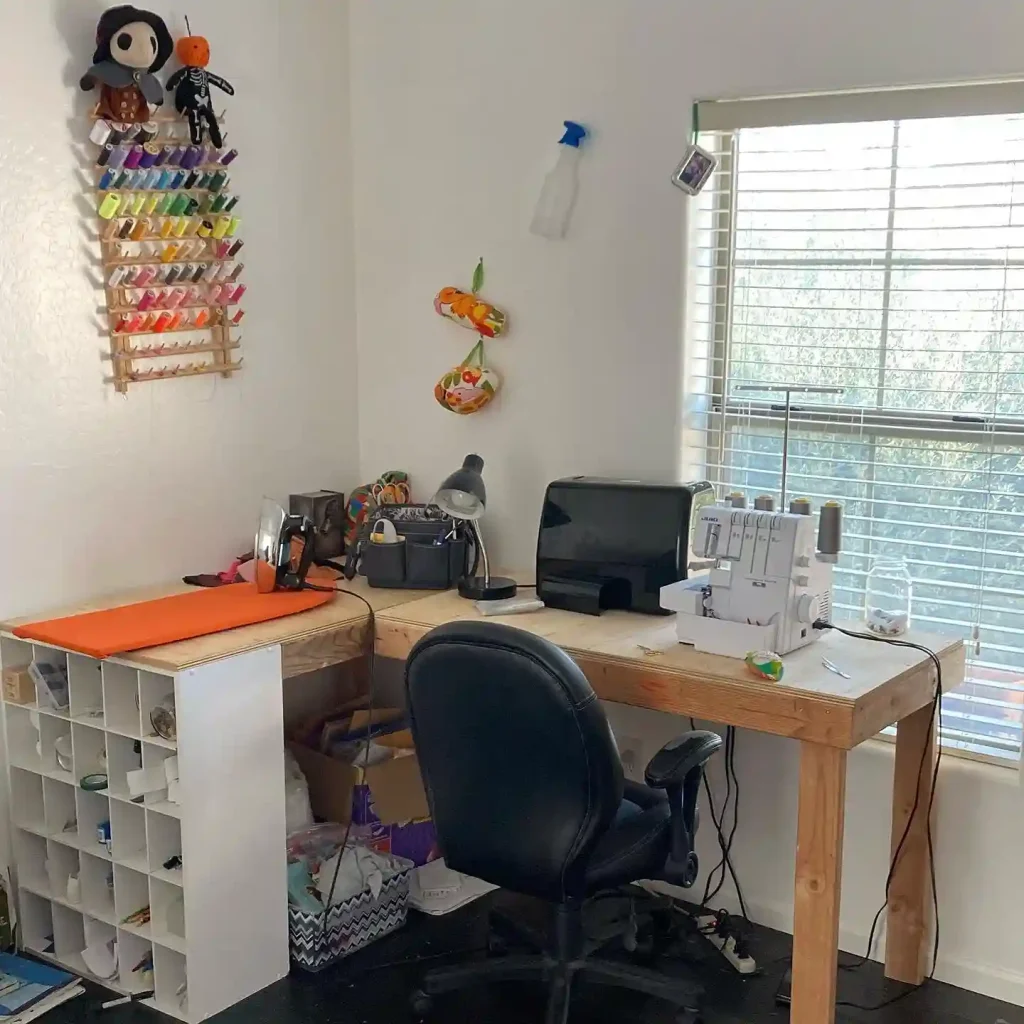
Source: @fosteringsewing
| Rack Capacity | Width | Height | Cost |
|---|---|---|---|
| 30 spools | 3 inches | 24 inches | $15-25 |
| 60 spools | 4 inches | 36 inches | $25-40 |
| 120 spools | 6 inches | 48 inches | $40-70 |
Organize thread by color creating beautiful gradient display inspiring creativity daily. Install racks near sewing machine keeping thread immediately accessible during projects. The visual organization helps identify needed colors instantly without searching boxes. Wall-mounted thread storage frees up valuable drawer space for other supplies.
22. Under-Shelf Basket Attachments
Hang wire baskets underneath existing shelves doubling storage capacity instantly today. These clip-on baskets utilize wasted space beneath shelves holding small supplies. Store frequently used notions in baskets keeping them visible and accessible. The under-shelf location doesn’t consume additional room footprint at all ever. Space multiplication similar to home decor category maximizes existing furniture.
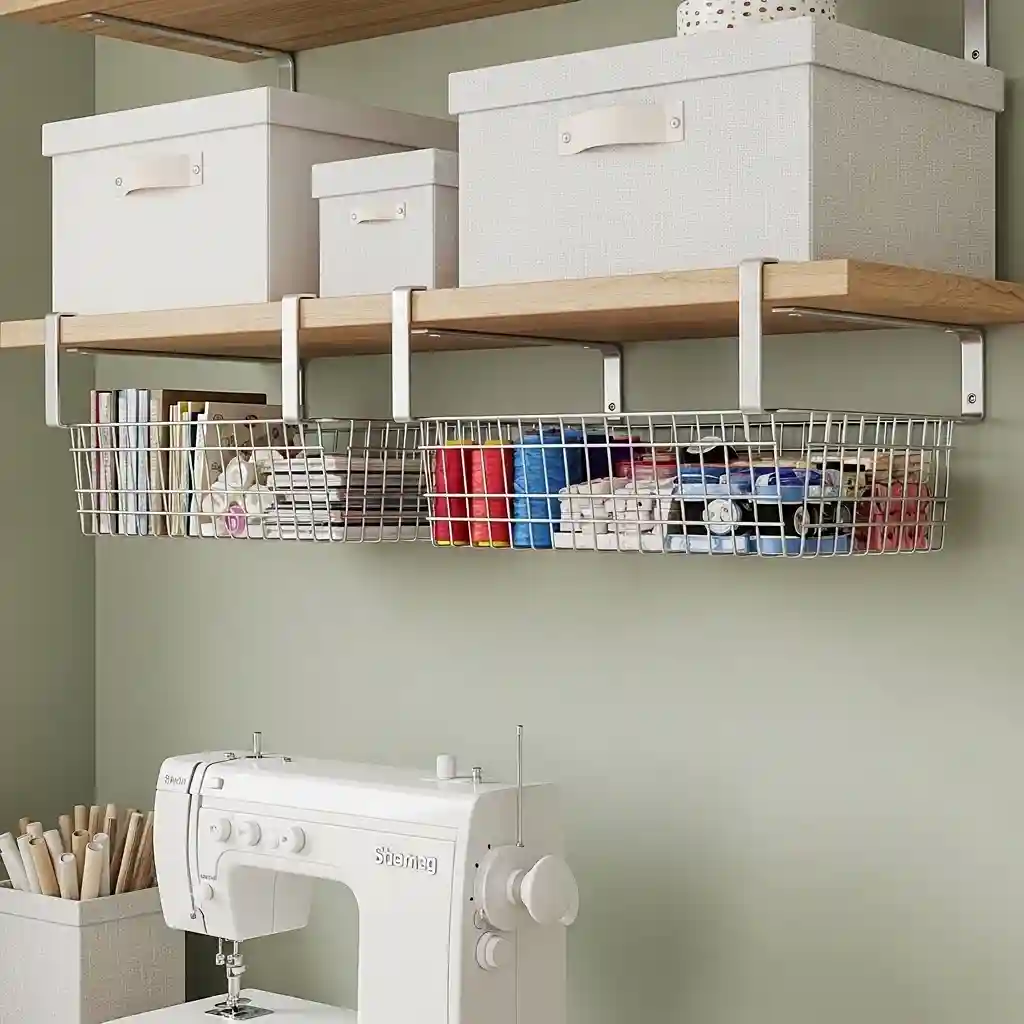
| Basket Size | Attachment Type | Capacity | Cost Each |
|---|---|---|---|
| Small (8″x10″) | Clip-On | 2 lbs | $8-12 |
| Medium (10″x14″) | Screw-Mount | 5 lbs | $12-18 |
| Large (14″x18″) | Hook System | 8 lbs | $18-25 |
Use baskets for storing scissors, rotary cutters, and measuring tools conveniently. Keep current project supplies in under-shelf baskets near work area. The clip-on installation requires no permanent shelf modification whatsoever today. This simple addition dramatically increases storage without adding furniture or floor usage.
23. Portable Project Tote System
Keep current projects in portable totes moving easily between storage and work. Each tote contains all project materials fabrics, patterns, notions together organized. Store multiple project totes on shelves labeled with project names. Grab appropriate tote when ready to sew eliminating setup time. Portable organization like wood plank ceiling ideas planning maintains flexibility.
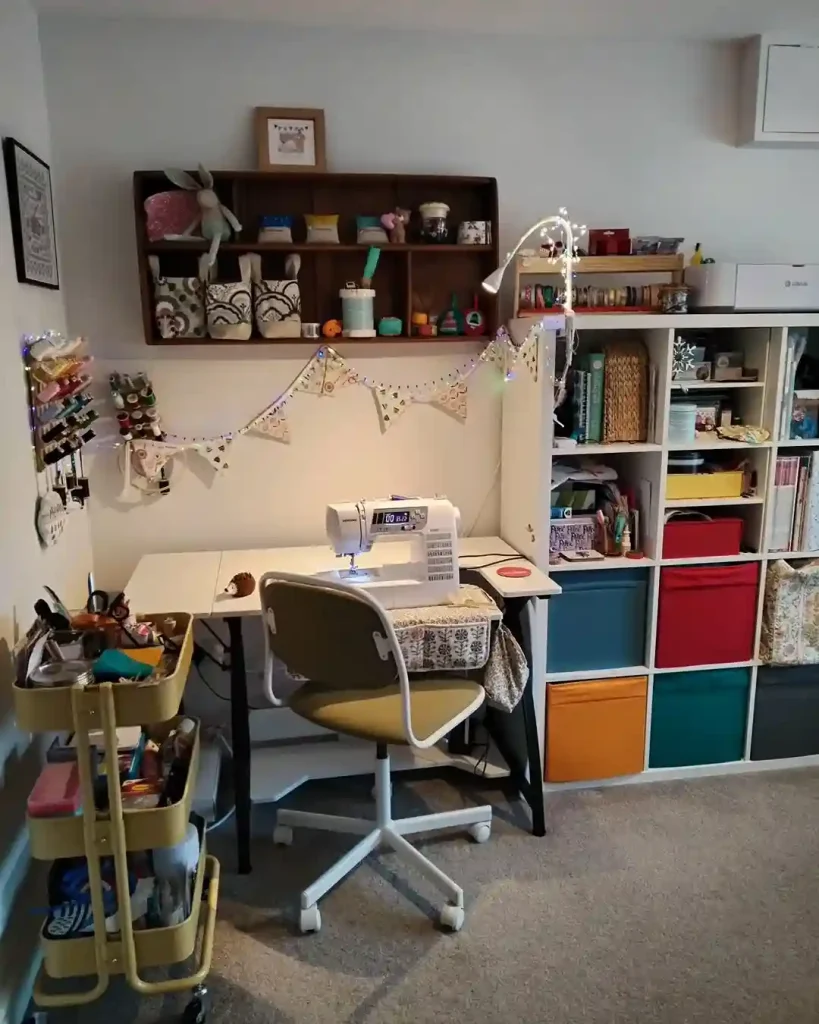
Source: @janomeuk
| Tote Size | Project Type | Handle Type | Stackability |
|---|---|---|---|
| Small (12″x16″) | Accessories | Soft Handle | High |
| Medium (16″x20″) | Garments | Sturdy Handle | Medium |
| Large (20″x24″) | Quilts | Reinforced Handle | Low |
Use clear totes allowing quick visual project identification without opening containers. Label each tote with project name, deadline, and completion status tracking. Store completed project totes separately from active works-in-progress organizing workflow. This system keeps multiple projects organized without overwhelming your small workspace.
24. Magnetic Board Notion Display
Mount magnetic boards displaying metal tools and notion containers attractively visibly. Small magnetic containers hold pins, needles, and tiny notions organized safely. Metal scissors and rulers attach directly to magnetic surface staying accessible. This vertical storage keeps frequently used items within easy reach always. Magnetic solutions similar to coffered ceiling ideas add functionality creatively.
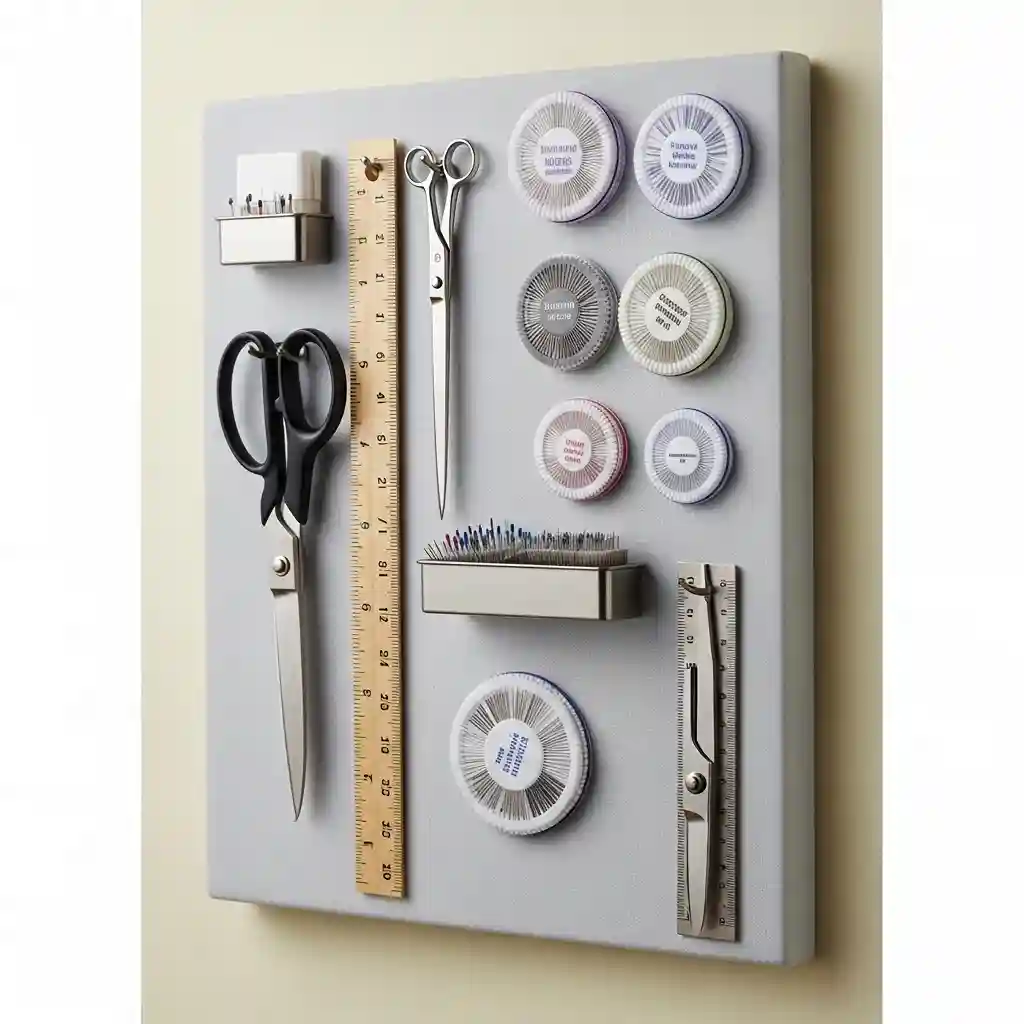
| Board Size | Magnetic Strength | Container Count | Cost |
|---|---|---|---|
| 12″x18″ | Light | 3-4 | $15-25 |
| 18″x24″ | Medium | 6-8 | $25-40 |
| 24″x36″ | Strong | 10-12 | $40-60 |
Paint magnetic board matching room decor creating cohesive attractive appearance throughout. Attach magnetic containers with labels organizing different notion types separately clearly. Display most-used tools on magnetic board keeping them instantly accessible during sewing. The magnetic display combines functionality with decorative appeal in small spaces.
25. Corner Shelf Tower Maximization
Install tall corner shelving units utilizing vertical space in room corners. Corner placement maximizes awkward areas while leaving room center open freely. Floor-to-ceiling designs provide extensive storage without large floor footprint issues. Rotating corner units allow accessing all sides without moving furniture around. Strategic placement like front porch ceiling guide maximizes difficult spaces.
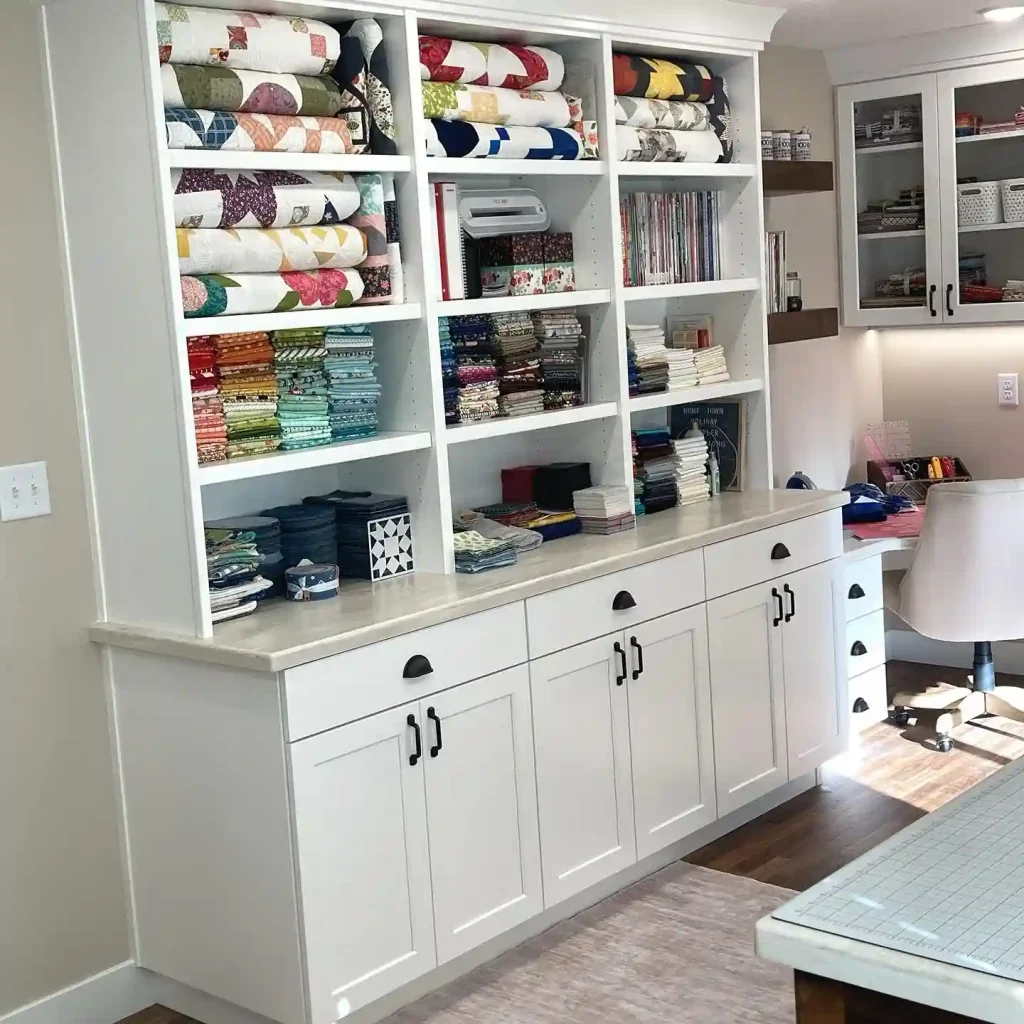
Source: @happyquiltingmc
| Tower Height | Shelf Count | Footprint | Capacity |
|---|---|---|---|
| 5 feet | 4-5 | 18″x18″ | Moderate |
| 6 feet | 6-7 | 18″x18″ | Substantial |
| 7 feet | 8-10 | 18″x18″ | Extensive |
Store frequently used supplies on middle shelves within easy reach always. Keep seasonal or specialty items on highest shelves accessing them occasionally. Use lowest shelves for heaviest items like fabric bolts preventing toppling. Corner towers maximize storage while maintaining open floor space for working.
26. Rolling Fabric Bolt Stand
Create or purchase rolling stands holding fabric bolts vertically organized accessibly. The vertical storage showcases fabrics beautifully while saving horizontal space significantly. Roll stand to work area when selecting fabrics then store away. This mobile storage works perfectly in small spaces requiring flexible arrangements. Mobile solutions like stunning tray ceiling ideas adapt to needs.
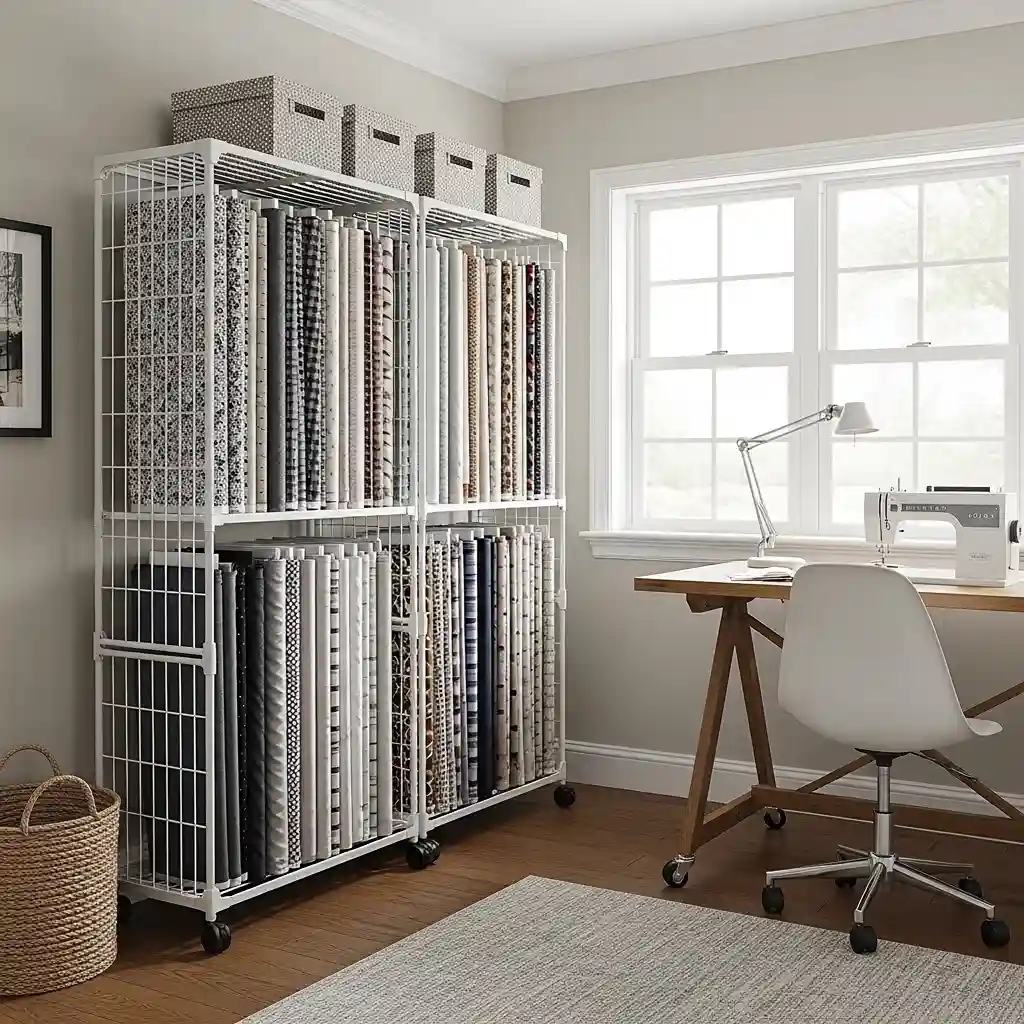
| Stand Capacity | Bolt Count | Footprint | Mobility |
|---|---|---|---|
| Small | 10-15 | 12″x18″ | Easy |
| Medium | 20-30 | 18″x24″ | Moderate |
| Large | 40-50 | 24″x30″ | Limited |
Organize bolts by color creating beautiful rainbow display inspiring projects daily. The rolling feature allows moving fabric stand wherever needed during projects. Store stand in closet or corner when not actively selecting fabrics. This vertical storage prevents fabric creases while maximizing small space efficiency.
27. Drawer Organizer Insert Systems
Install custom drawer organizers creating dedicated spaces for every supply type. Dividers prevent items from shifting around creating messy disorganized drawers quickly. Small compartments keep buttons, snaps, and zippers separated organized findable instantly. This internal organization maximizes drawer space efficiency preventing wasted cubic volume. Internal organization like vaulted ceiling guide maximizes capacity.
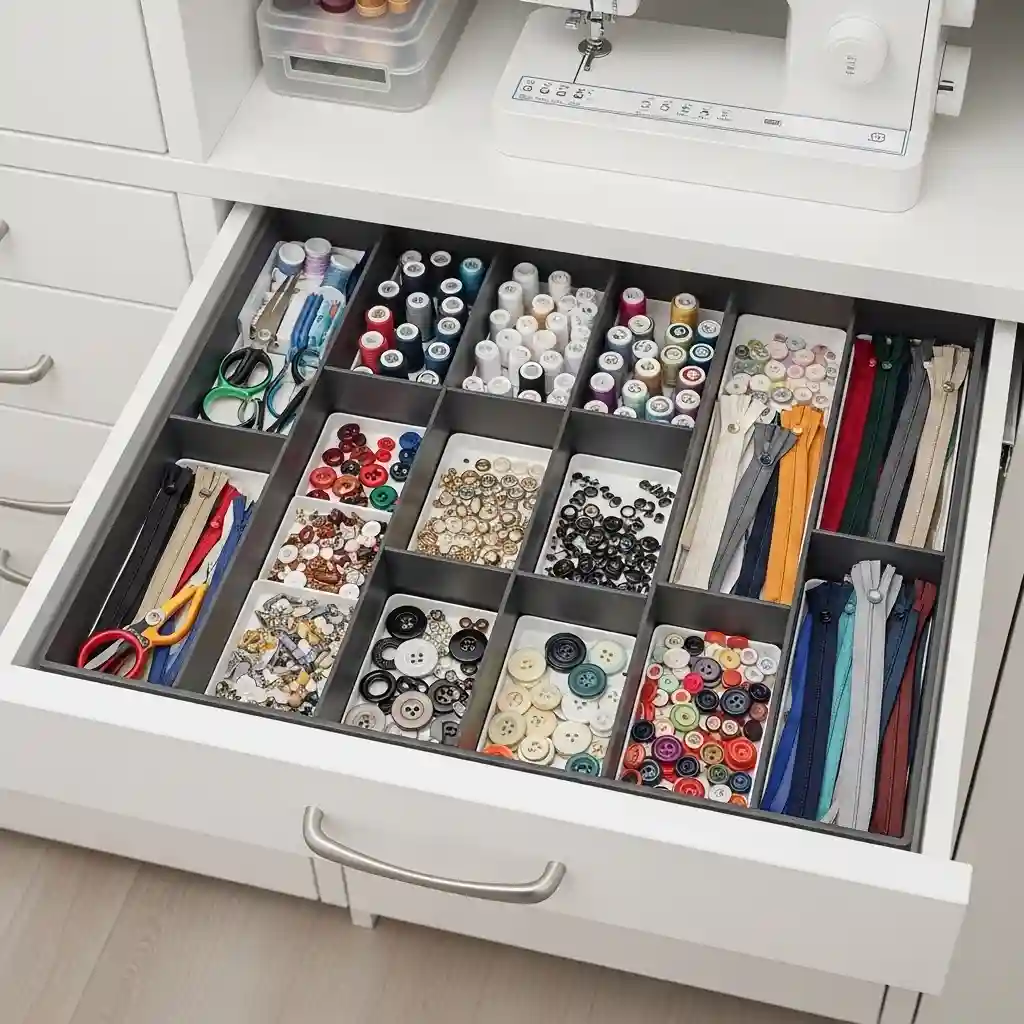
| Drawer Size | Compartment Count | Adjustability | Cost |
|---|---|---|---|
| Small (12″x12″) | 6-9 | Fixed | $10-15 |
| Medium (16″x20″) | 12-16 | Adjustable | $15-25 |
| Large (20″x24″) | 20-30 | Customizable | $25-40 |
Use shallow compartments for thread organizing by color for quick selection. Deeper sections hold scissors, rotary cutters, and measuring tools safely organized. Adjustable dividers adapt as your supply collection grows or changes over time. Organized drawers eliminate frustrating searches letting you focus on creative sewing.
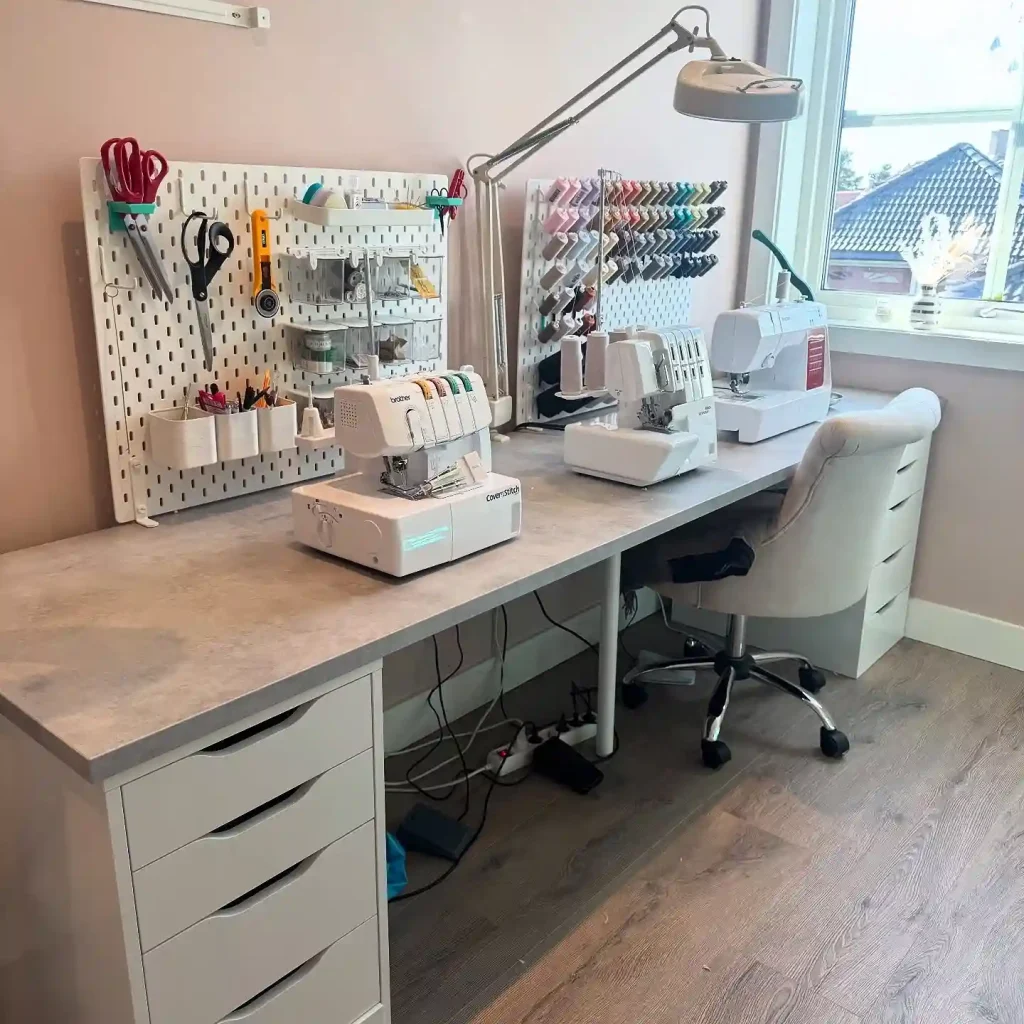
28. Natural Light Workspace Positioning
Position your sewing machine near windows maximizing natural lighting for detailed work. Natural light reduces eye strain while providing better color accuracy than artificial. Add sheer curtains controlling light intensity without blocking illumination completely today. Supplement with adjustable task lighting for evening or cloudy-day sewing sessions. Lighting placement similar to home interior decor ideas enhances functionality.
Source: @madebyhole
| Window Type | Natural Light | Privacy Options | Workspace Position |
|---|---|---|---|
| Large Window | Excellent | Sheer Curtains | Perpendicular |
| Medium Window | Good | Blinds | Adjacent |
| Small Window | Moderate | Frosted Film | Facing |
Position table perpendicular to window preventing direct glare on work surface. Add supplemental lighting eliminating shadows in your sewing work area effectively. Natural light makes fabric colors appear accurate preventing matching mistakes later. The window location creates pleasant inspiring workspace environment encouraging regular sewing.
Frequently Asked Questions
What is the minimum room size needed for a functional sewing space?
A functional sewing room can exist in spaces as small as 5×5 feet with proper organization and planning. The key is maximizing vertical storage, using multi-functional furniture, and keeping only essential supplies immediately accessible. Many sewers successfully work in closet-sized spaces measuring just 3×6 feet by installing fold-down tables and wall-mounted storage solutions creating complete functional workspaces.
How can I organize a sewing space that must serve other purposes too?
Multi-purpose sewing spaces benefit most from furniture that transforms or moves easily such as fold-down tables and rolling storage. Keep sewing supplies contained in portable totes that store on shelves when not in use actively. Install over-door organizers and wall-mounted pegboards that don’t interfere with the room’s other functions. Choose furniture pieces like ottomans or window seats with hidden storage inside maximizing dual functionality perfectly.
What are the most essential items for a small sewing room?
Essential items include a sturdy work surface, adequate lighting, comfortable seating, and organized storage for thread and basic notions. A dedicated spot for your sewing machine, even if fold-away, is crucial for regular use. Basic cutting tools, measuring equipment, and pressing supplies complete the essentials. Everything else can be added gradually as space and budget allow without preventing functional sewing immediately.
Conclusion
Small sewing rooms demand creativity, organization, and smart space planning maximizing every available inch efficiently. These 28 ideas prove that limited square footage doesn’t mean limited sewing capabilities or creative potential. Choose solutions matching your specific space constraints, budget, and sewing style creating personalized functional workspace. Remember that the best sewing room is one you’ll actually use regularly regardless of size.
Start transforming your tiny space into a functional sewing haven today using these practical ideas. Even the smallest corner can become an inspiring creative sanctuary with proper planning and organization. The investment in smart storage and multi-functional furniture pays dividends through increased sewing productivity and enjoyment. Create your dream sewing space today proving that size truly doesn’t matter when creativity and organization combine perfectly together.