Stepping into an English Cottage is like stepping into a beloved storybook. It’s a style that whispers of cozy nooks, rambling gardens, and centuries of history, offering a retreat from the modern world. More than just an architectural design, the English Cottage is a feeling—one of warmth, charm, and lived-in comfort.

Credits: @aliharper
This guide will walk you through the key elements that define this enchanting style, helping you capture its magic in your own home.
The Hallmarks of English Cottage Architecture
Before you can decorate, it helps to understand the bones. Traditional English Cottages are known for their humble, organic appearance, as if they grew naturally from the landscape.
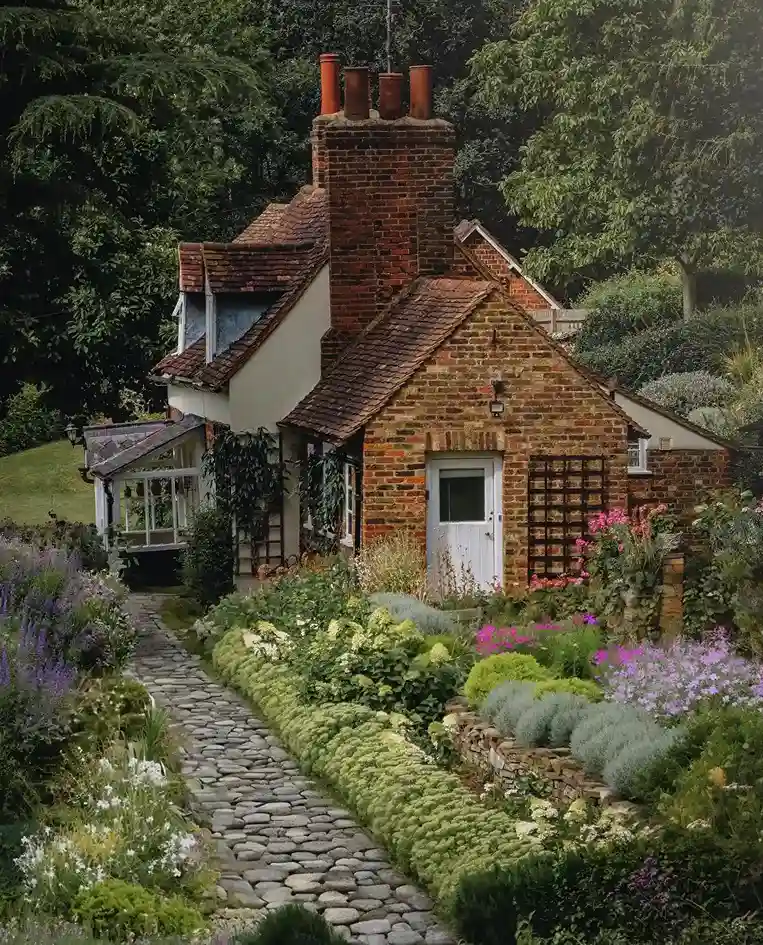
- Modest Scale and Asymmetry: These homes are rarely grand or perfectly symmetrical. Expect uneven rooflines, unexpected additions, and a generally “higgledy-piggledy” silhouette that adds to the charm.
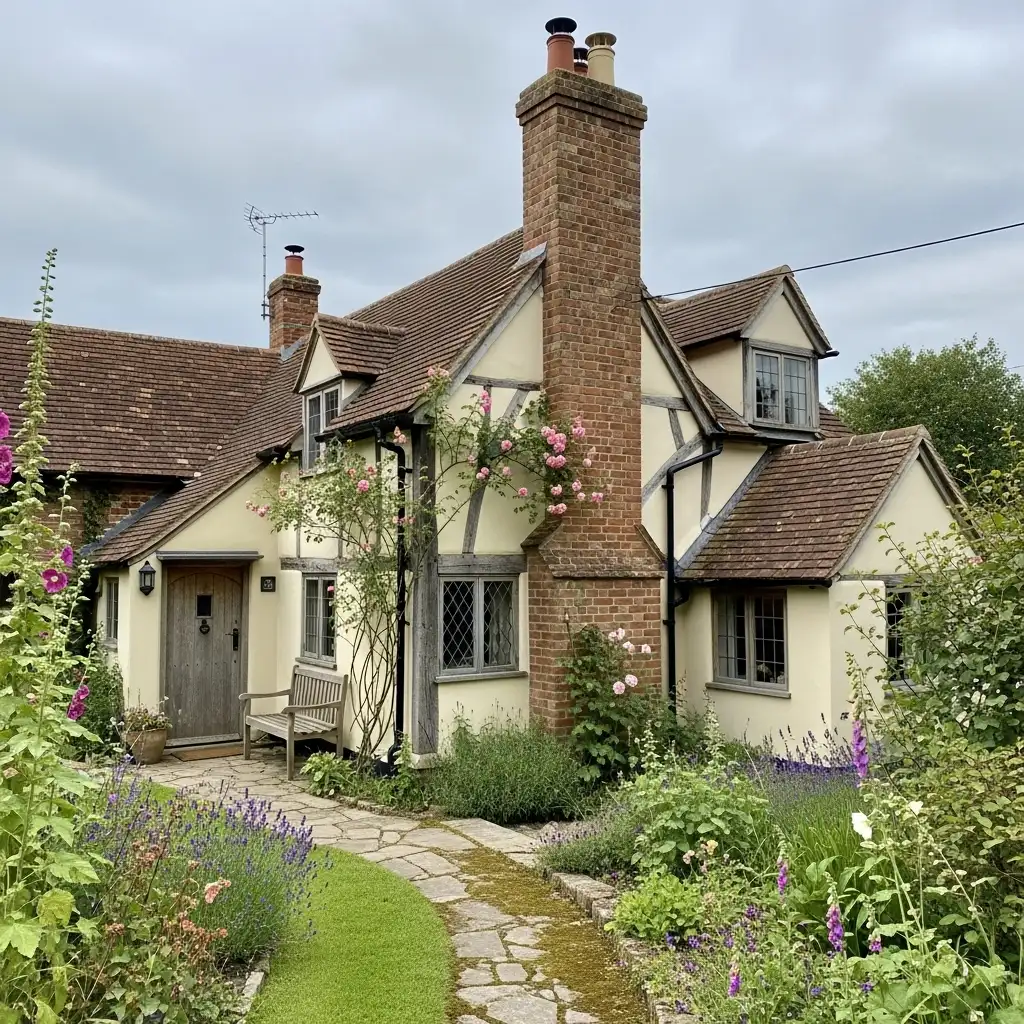
- Steeply Pitched Roofs: Often thatched in the countryside or covered with slate or clay tiles, the roofs are a dominant feature, sometimes dotted with dormer windows.

- Materials from the Earth: The construction is deeply local, utilizing stone, brick, cob (a mix of clay, straw, and sand), or whitewashed render.

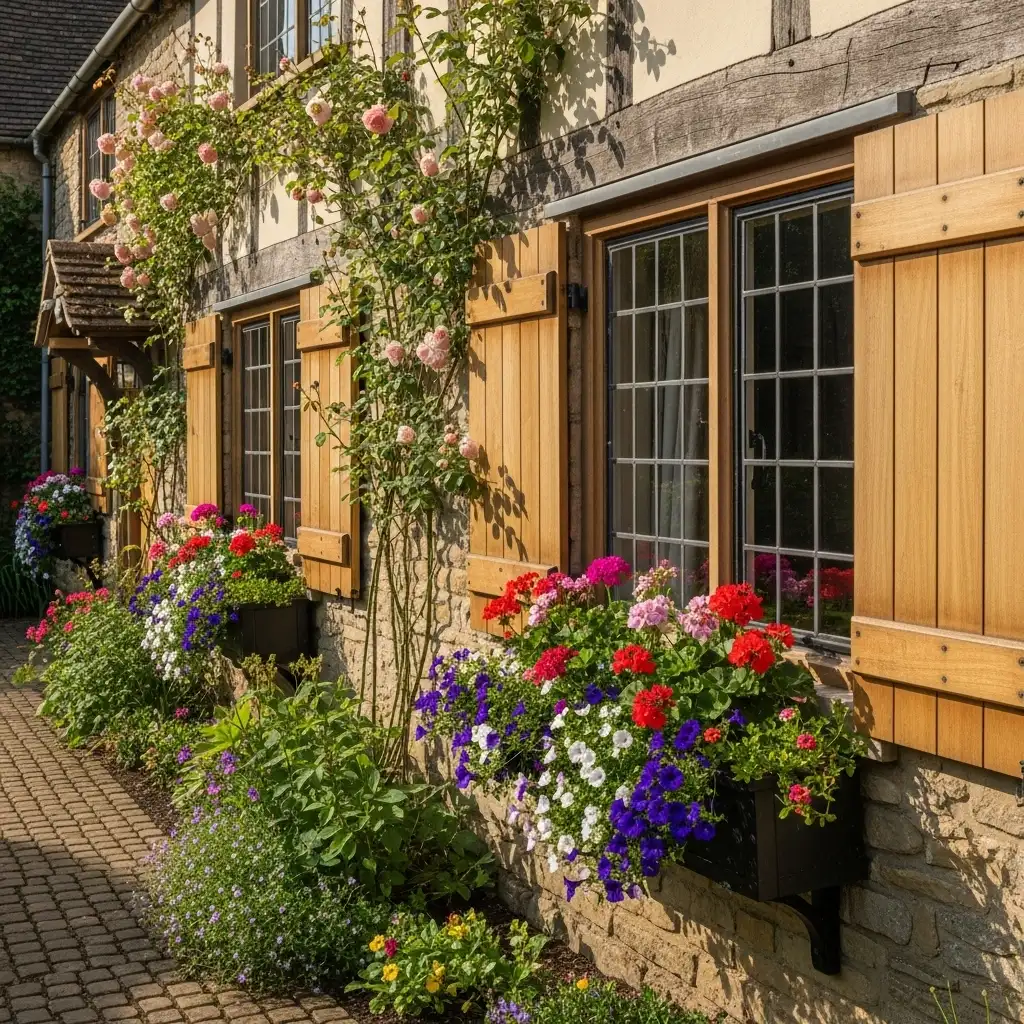
- Quaint Windows: Casement windows with small panes (often leaded) are standard. They are typically flanked by shutters and adorned with window boxes overflowing with flowers.
How to Capture the English Cottage Aesthetic in Your Home
You don’t need a 300-year-old home in the Cotswolds to capture this style. It’s all about embracing a few key principles.
1. Embrace Cozy, Layered Interiors

Credits: @michaelsinclair
Comfort is paramount. The goal is to create a space that feels inviting and lived-in.
- Soft Lighting: Avoid harsh overhead lights. Instead, rely on the warm glow of table lamps, floor lamps, and sconces. For more on creating the right ambiance, explore our Guide to Ceiling Lights.
- Intimate Seating: Arrange furniture into cozy conversational groupings. A pair of armchairs by the fireplace or a small sofa with a soft throw blanket instantly creates a cottage feel.
- Lived-In Elegance: The look is polished but never perfect. A slightly worn Oriental rug, a stack of books on a side table, and a treasured family heirloom all contribute to the story.
2. Choose a Soft, Earthy Color Palette
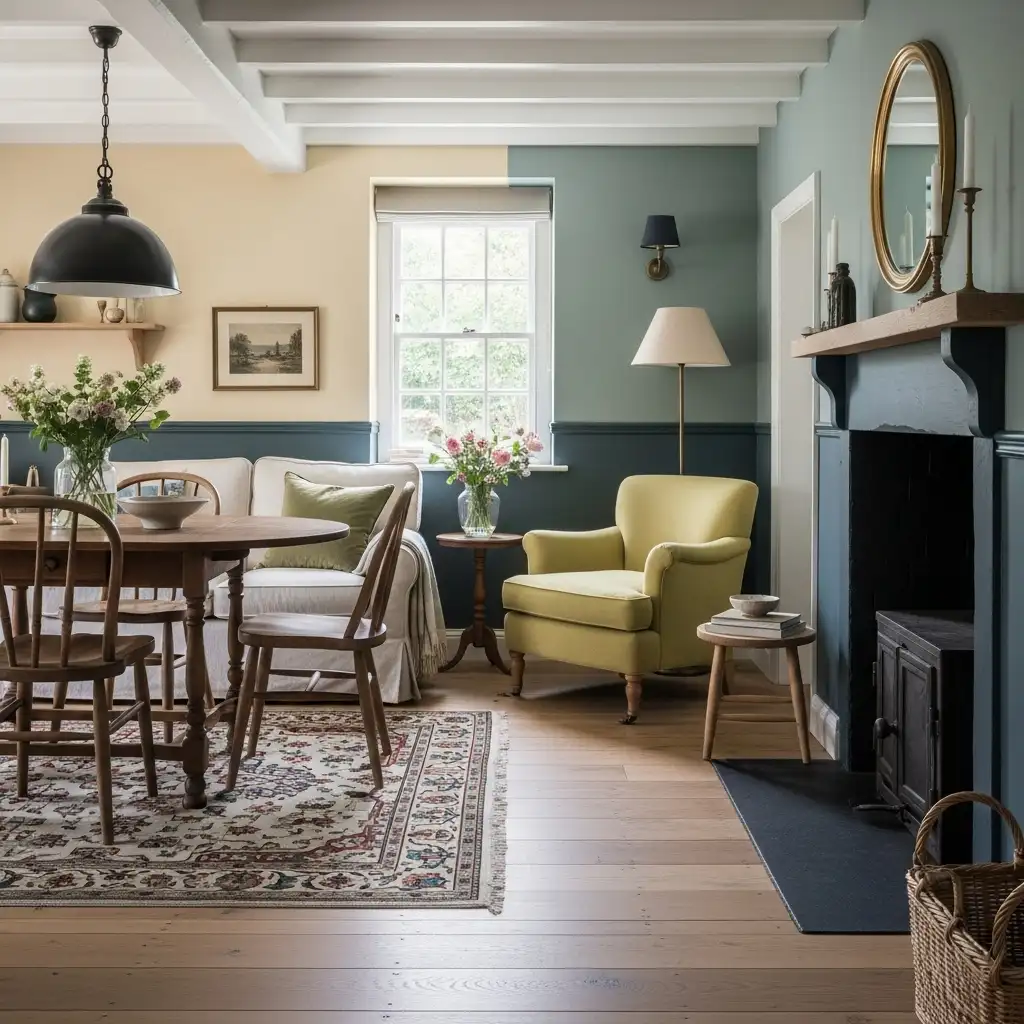
Cottage colors are inspired by the natural English landscape: muted, soft, and soothing.
- Walls: Think creamy whites, buttery yellows, pale sage greens, and dusty blues.
- Accents: Deeper, richer tones like mossy green, navy, or burgundy can be used on an accent wall or for upholstery.
- Woodwork: Instead of bright white, opt for off-whites or allow natural wood beams and floors to show their character.
3. Incorporate Natural Materials and Textures

Texture is the soul of the cottage, adding depth and a tactile experience.
- Wood: Exposed Wood Beams on the Ceiling are a quintessential element, whether they are original structural beams or modern Faux Beams.
- Stone: A stone fireplace is the heart of many a cottage. If you don’t have one, consider stone accents or a stone floor in the entryway.
- Textiles: Layer your space with nubby linens, chunky cable-knit throws, chenille, and floral or toile fabrics. This is a key element in achieving Modern Cottagecore Ideas.
4. Celebrate Architectural Character (Or Create It)

Credits: @gaelle_green_cottage
If your home lacks original features, you can easily add them.
- Wall Paneling: Install Shiplap Ceiling or beadboard on walls, especially in kitchens, bathrooms, and hallways.
- Fireplace Focus: Make your fireplace a focal point. If it’s non-functioning, fill the hearth with candles or birch logs. Explore different Fireplace Ideas to find the right look.
- Built-Ins: Incorporate character with Built-in Shelves for displaying china, books, and collected treasures.
5. Decorate with a “Collected Over Time” Vibe

Furnishings should feel inherited or discovered, not bought as a matching set.
- Vintage and Antique Finds: Look for pieces with history—a worn farmhouse table, a Windsor chair, or a weathered pine dresser.
- Mix and Match: Don’t be afraid to combine different wood tones, periods, and styles. The harmony comes from a shared sense of history and comfort.
- Florals and Patterns: Embrace classic patterns like floral, toile, and gingham, but balance them with plenty of solid, neutral textiles to avoid overwhelming the space.
6. Don’t Forget the Garden
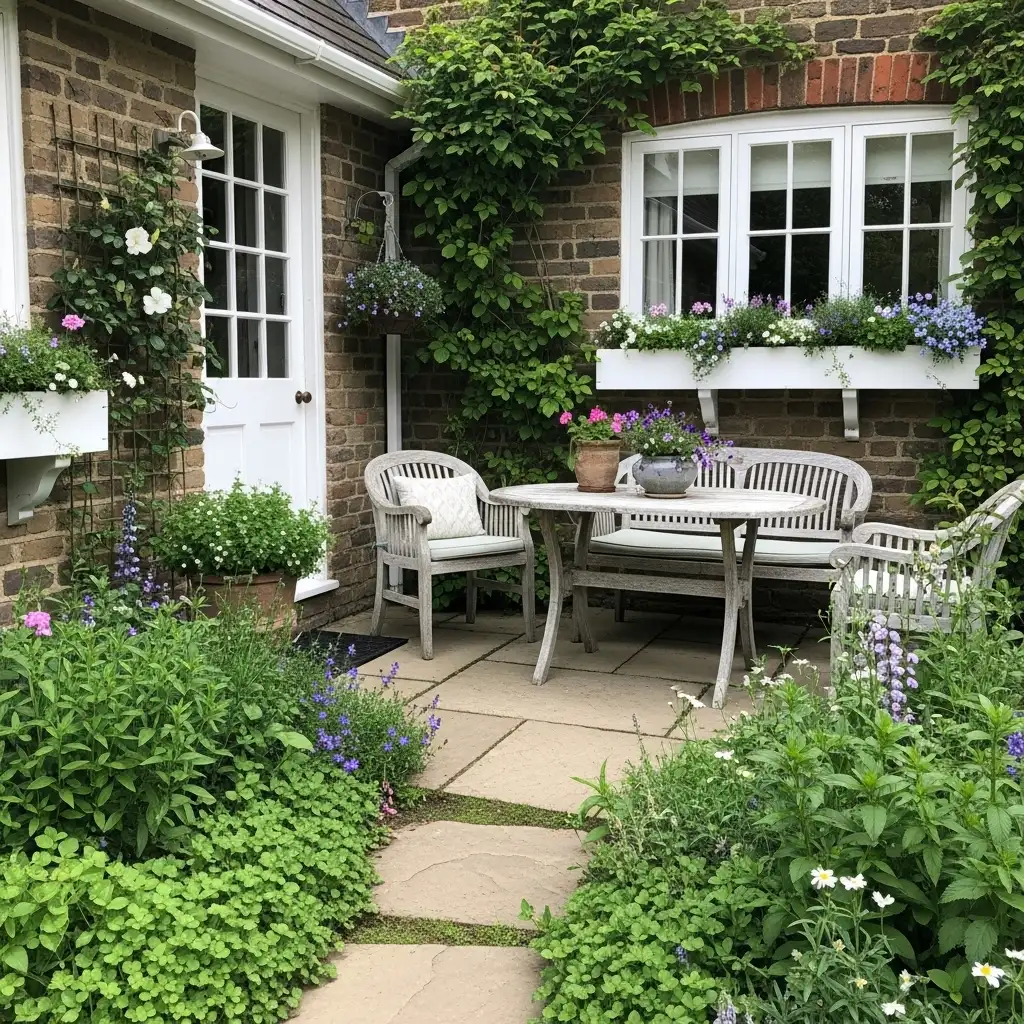
An English Cottage is inseparable from its garden. Even a small patio or window box can contribute to the theme.
- A “Room” Outdoors: Create an outdoor seating area as a natural extension of your home.
- Abundant Planting: The style is lush and informal. Let plants spill over pathways and climb walls. Mix flowers, herbs, and vegetables for a romantic, productive feel.
Conclusion: It’s All About the Feeling
The English Cottage style ultimately defies strict rules. It’s an embrace of imperfection, a celebration of history, and a commitment to creating a home that is a true sanctuary. By focusing on comfort, character, and a connection to nature, you can create a space that feels both timeless and wonderfully personal. For more ways to cultivate this aesthetic, delve into our guide on Home Interior Decor Ideas.
Frequently Asked Questions (FAQs)
1. What’s the difference between English Cottage, French Country, and Farmhouse styles?
While all three evoke a sense of rustic charm, they have distinct characteristics. English Cottage is more eclectic, “collected,” and literary, with a focus on asymmetry, floral patterns, and a slightly worn-in feel. French Country is generally more refined and elegant, featuring ornate ironwork, a Provencal color palette (yellows, lavenders), and toile de Jouy patterns. American Farmhouse is cleaner and more utilitarian, emphasizing wide-plank floors, shiplap, and a more minimalist, modernized approach to rustic living.
2. I live in a modern house/apartment. Can I still achieve this look?
Absolutely! The English Cottage aesthetic is more about the feeling than the architecture. You can capture the essence by focusing on key interior elements: use a soft, earthy color palette, incorporate textured textiles like linen and wool, choose vintage or reproduction furniture with character, and layer your lighting with lamps. Adding architectural details like a Shiplap Ceiling or Wall Paneling Ideas can also instantly create that cozy, layered character, even in a newer build.
3. What are the key colors for an English Cottage kitchen?
English Cottage kitchens often feature soft, muted tones that feel warm and inviting. Think creamy whites, pale sage green, buttery yellow, or sky blue for cabinetry. For a more dramatic look, deeper shades like navy or forest green are also classic. Walls are typically in light, neutral colors to keep the space feeling bright and airy, allowing the natural wood of a farmhouse table or the gleam of a Belfast sink to stand out.
4. Is the English Cottage style practical for a family home?
Yes, it can be wonderfully practical. The style’s core principles—durability, comfort, and a “lived-in” feel—are ideal for family life. The use of sturdy, natural materials like wood and stone can withstand wear and tear. The cozy, inviting atmosphere encourages family time, and the eclectic nature of the decor means that a few toys or signs of life don’t detract from the style but rather add to its charming, collected-over-time story.