
In the world of interior design, trends come and go, but some materials possess a timeless, chameleon-like quality that allows them to constantly reinvent themselves.
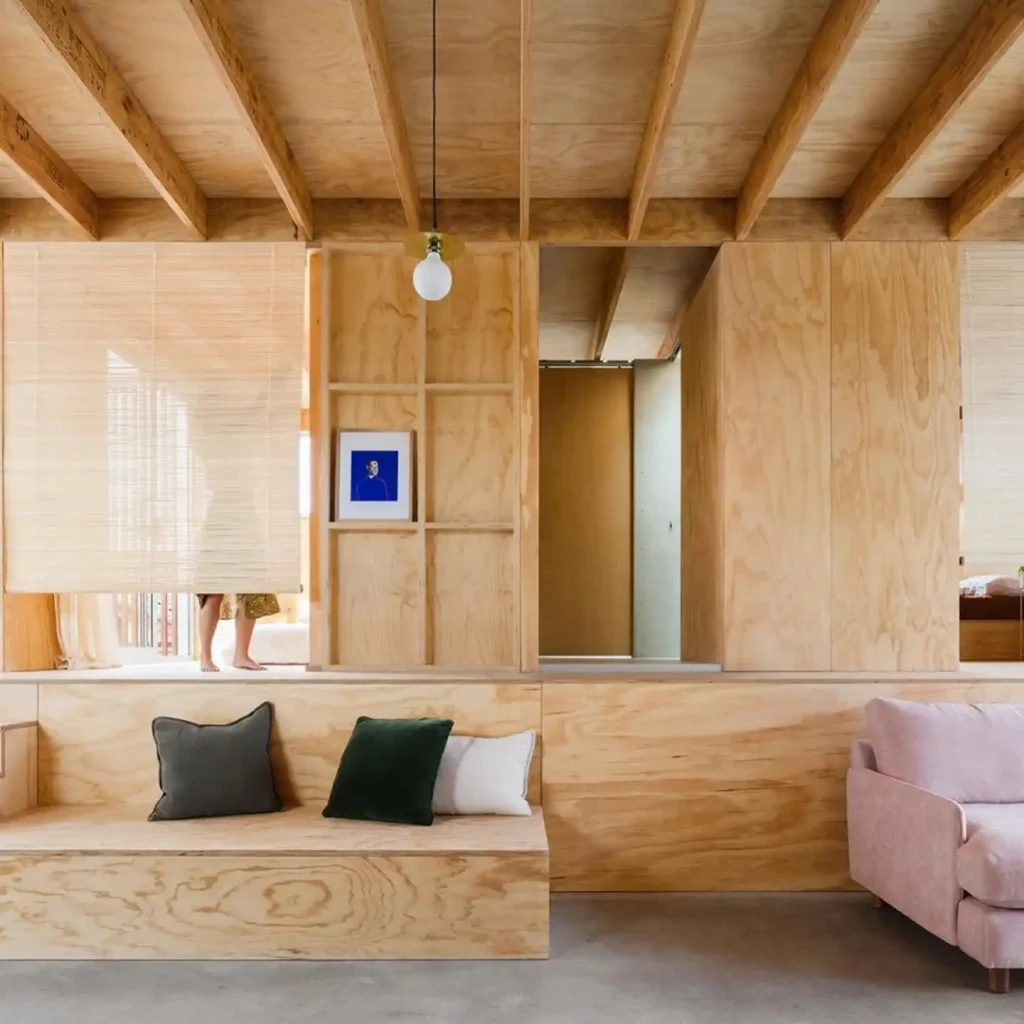
Enter the plywood wall. Once relegated to construction sites and suburban basements, this humble material has been enthusiastically adopted by designers and homeowners seeking a look that is simultaneously warm, modern, and deeply textured.
Credits: @fortheloveofply
Plywood is no longer just a substrate to be hidden. It’s the star of the show, offering an unparalleled blend of affordability, versatility, and raw beauty. If you’re looking for a way to make a powerful statement without breaking the bank, it’s time to consider the transformative potential of a plywood wall.
The Allure of the Grain: Why Choose Plywood Walls?
The reasons for plywood’s meteoric rise in popularity are as layered as the material itself.
- Warmth and Texture: In an age of sterile, flat-painted drywall, plywood introduces instant warmth and organic texture. The visible grain patterns, knots, and layered edges tell a story of its natural origin, creating a connection to the outdoors that feels both rustic and refined.
Credits: @theprintedpeanut
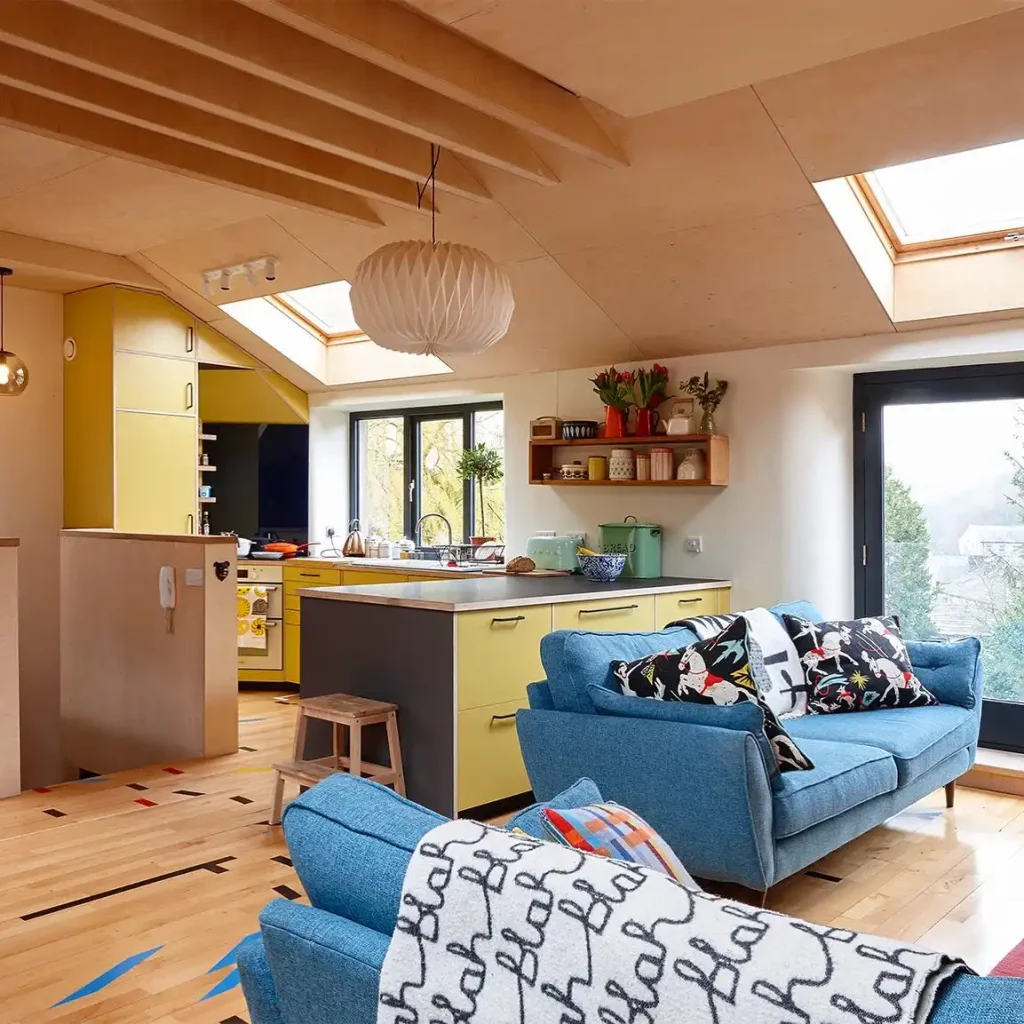
- Cost-Effectiveness: Compared to traditional wood paneling, solid wood planks, or even high-end wallpaper, plywood is an incredibly budget-friendly option. A single sheet can cover a significant area, making it an economical choice for feature walls in large rooms.
Credits: @purcelltimberframehomes
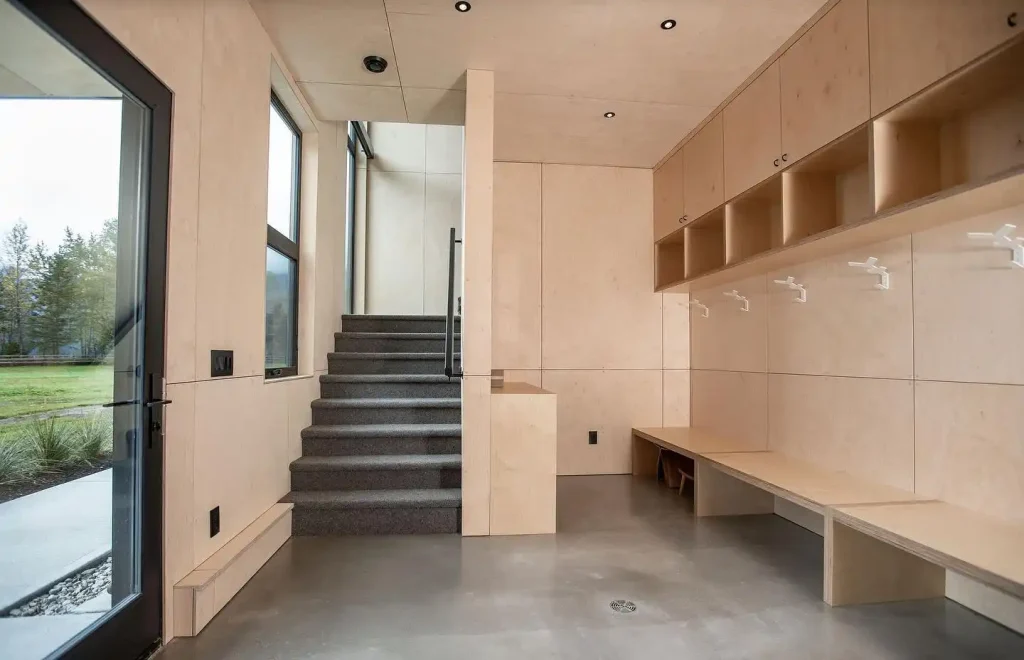
- Versatility is King: Plywood is a blank canvas. It can be stained to highlight its natural grain, painted any color to match your aesthetic, whitewashed for a Scandinavian feel, or even sealed in its raw state for an industrial loft look. The design possibilities are nearly endless. You can try various patterns over staircase area.
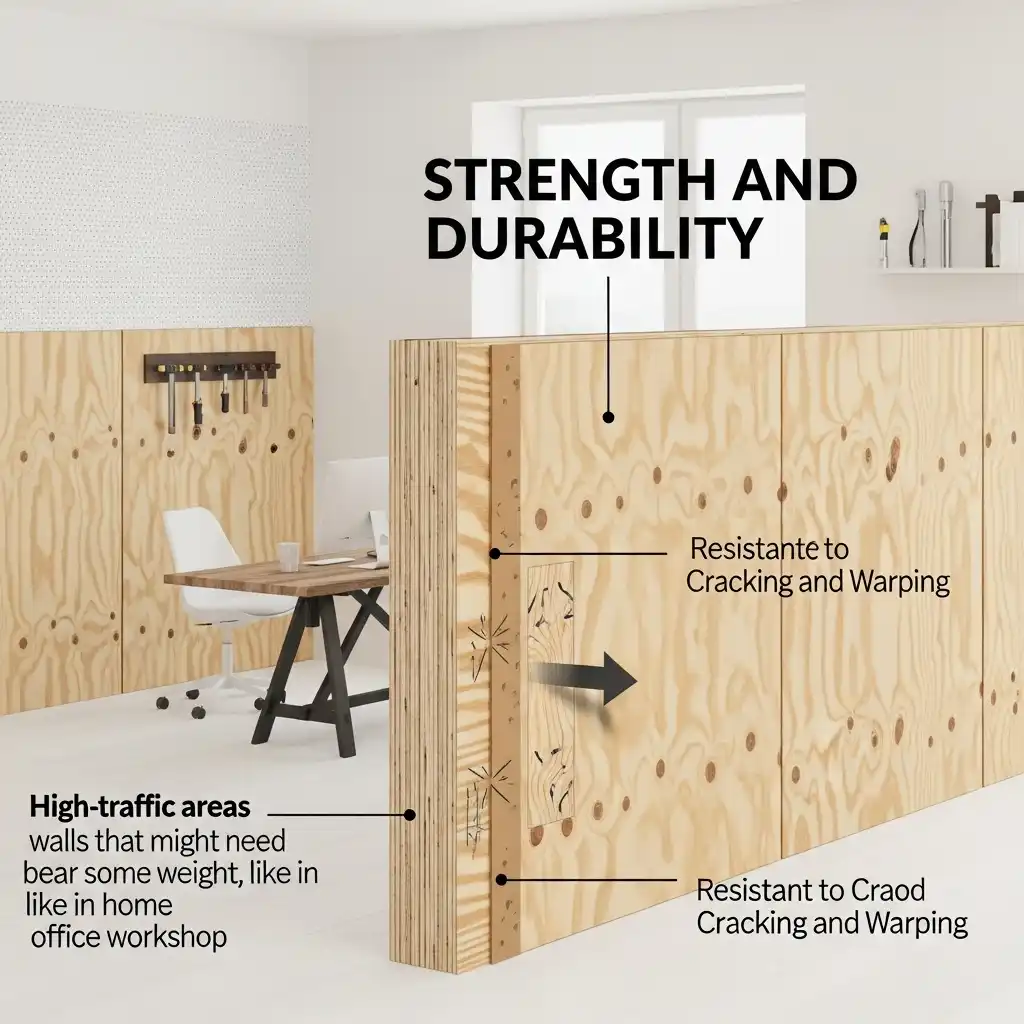
- Strength and Durability: As a engineered wood product, plywood is strong, stable, and resistant to cracking and warping. This makes it an excellent choice for high-traffic areas or walls that might need to bear some weight, like in a home office or workshop.
- The Sustainable Choice: Many plywoods are manufactured with sustainably sourced timber. Opting for products with certifications like FSC (Forest Stewardship Council) allows you to make an environmentally conscious design decision.
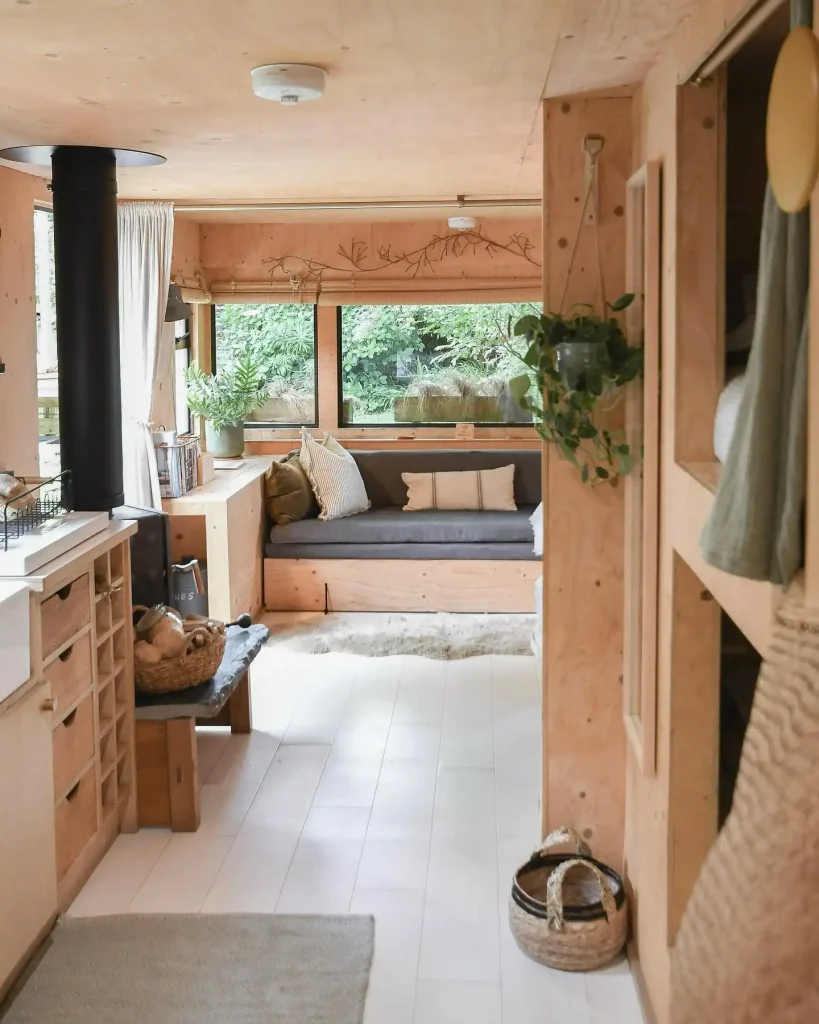
Credits: @kiphideaways
Practical Matters: A Guide to Installing Plywood Walls
Before you dive in, a little planning will ensure your project is a success.
1. Choosing the Right Plywood:
Not all plywood is created equal. The key is to look for sheets with an attractive “face veneer.”
- Birch Plywood: A popular choice for its fine, light grain and minimal knots. It takes stain beautifully and offers a clean, modern look.
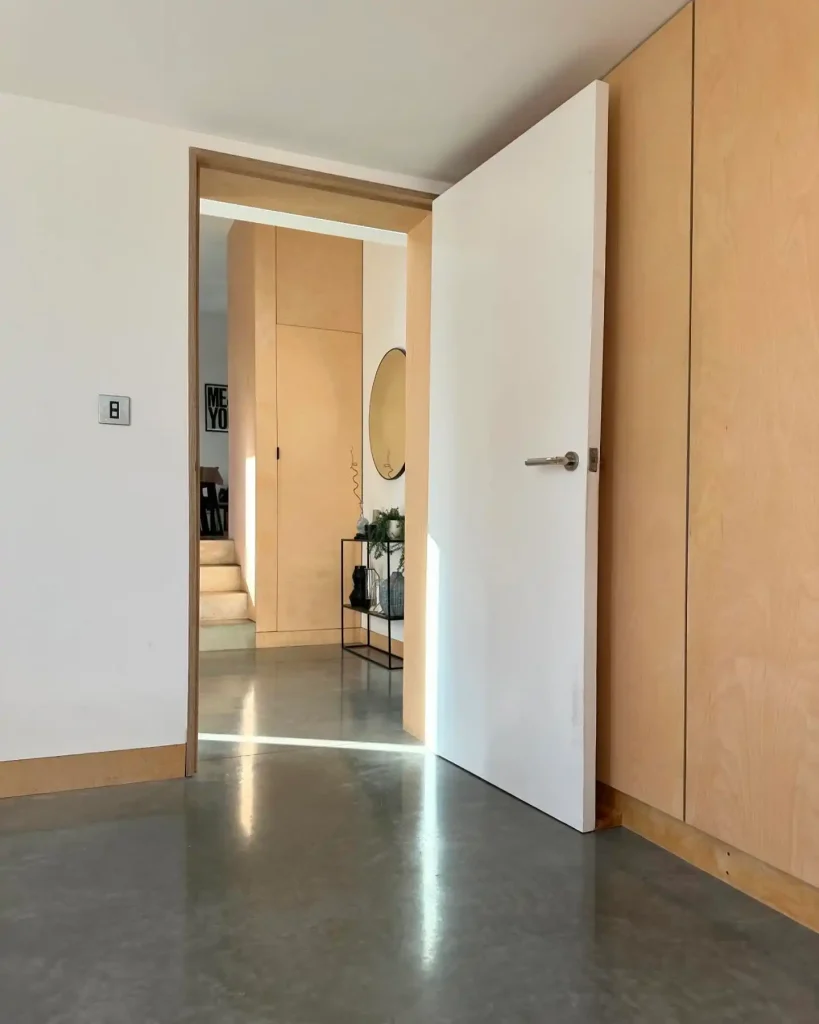
Credits: @happyharrishousebuild
- Maple Plywood: Similar to birch but often with a tighter, smoother grain. Ideal for a more uniform appearance.
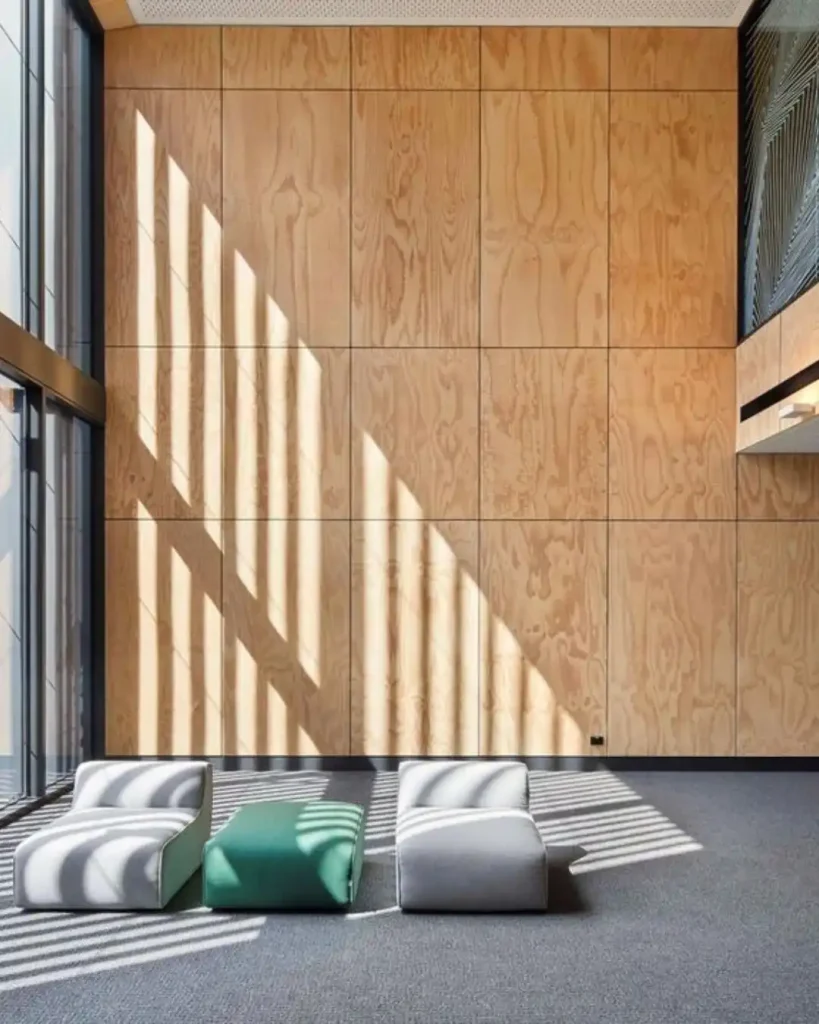
Credits: @maxiply_
- Oak Plywood: Features a prominent, classic grain pattern that makes a bold statement.
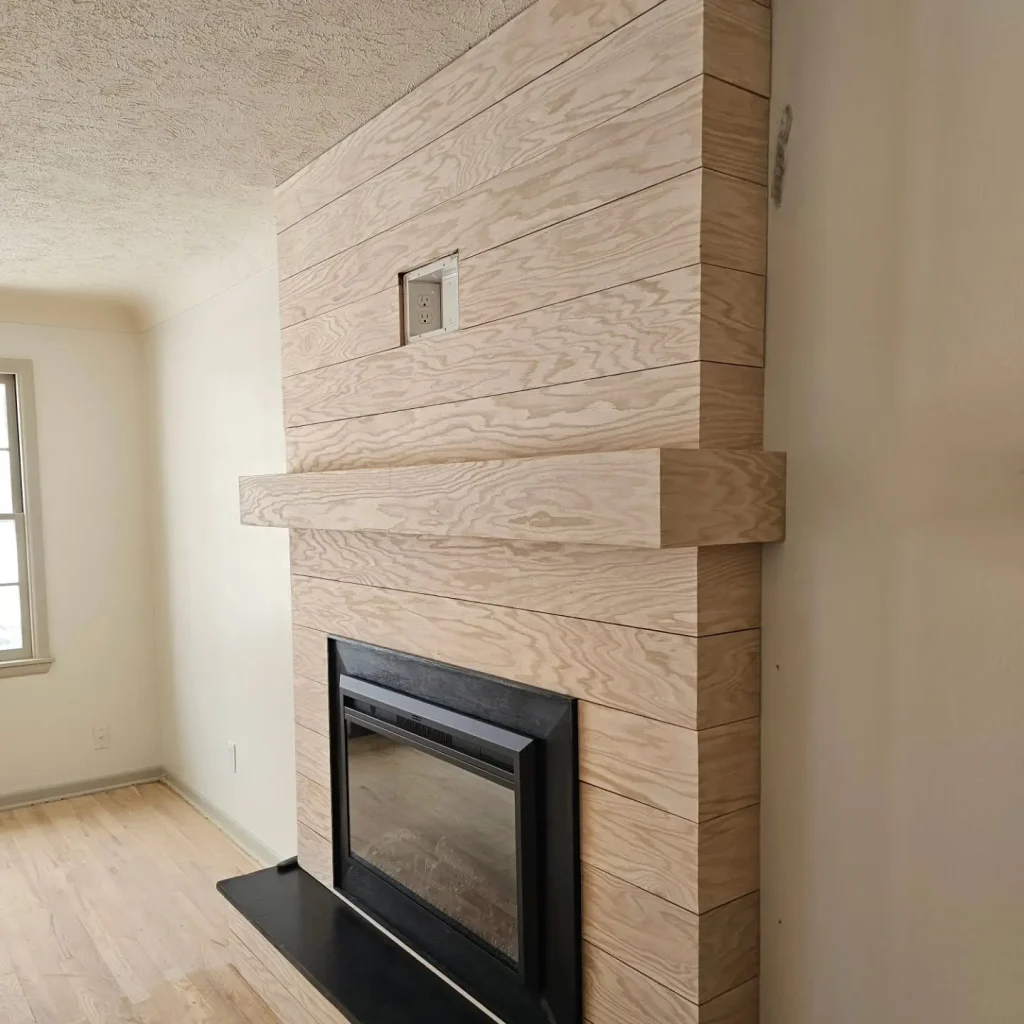
Credits:@houseonmillandhill
- Baltic Birch: Known for its high quality, with many thin, solid plies and attractive edge-grain, making it perfect for projects where the edges will be exposed. You can also use this pattern in kitchen walls.
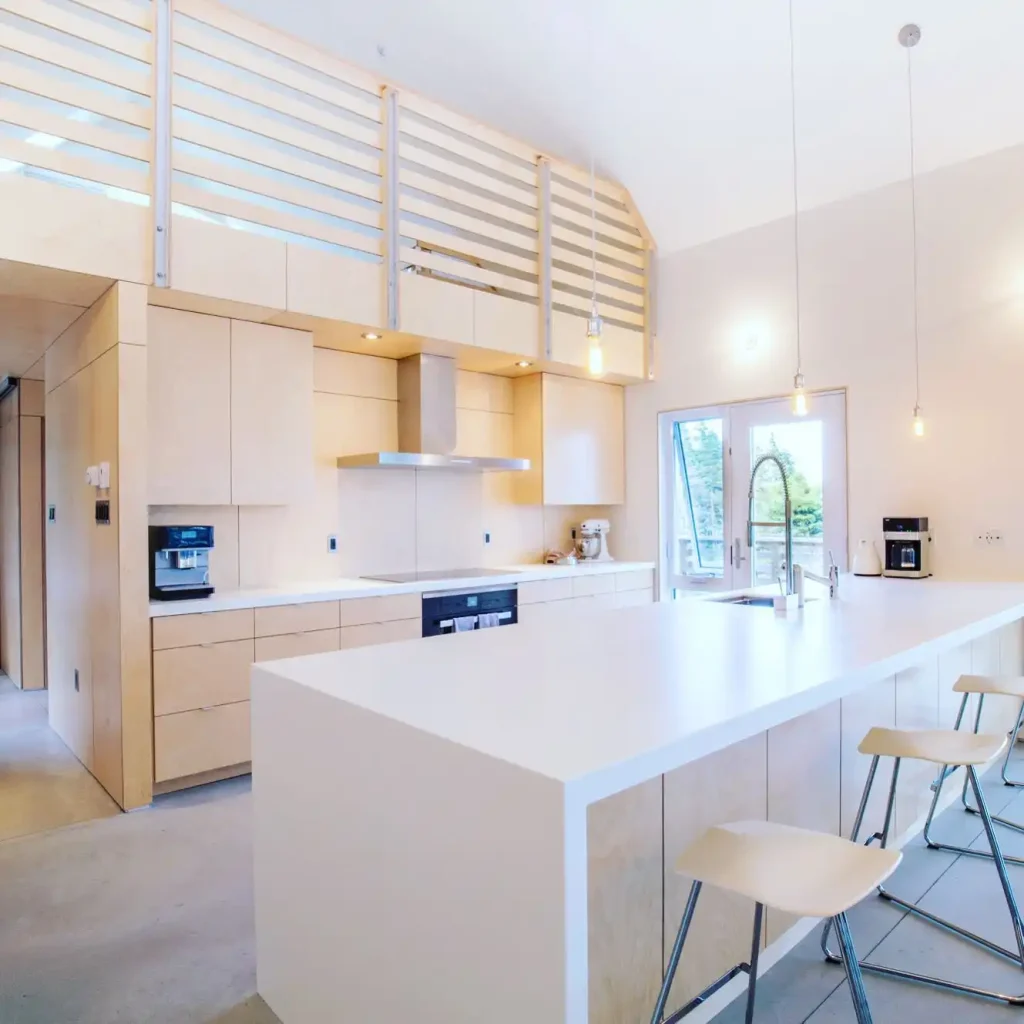
Credits:@bgcustomhomes
- Lower-Grade Plywood (like CDX): Don’t dismiss it! The large knots and rugged character can be sealed with epoxy for a stunning, industrial-artistic feature.
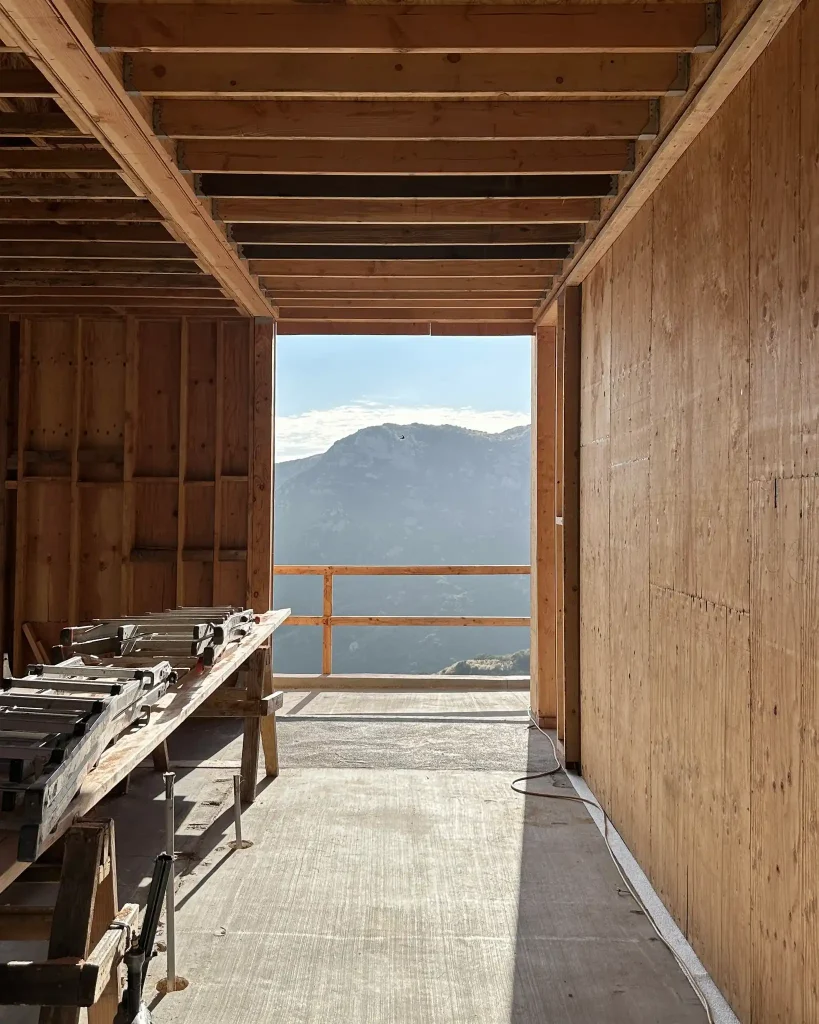
Credits:@tenbooks.studio
2. The Installation Process:
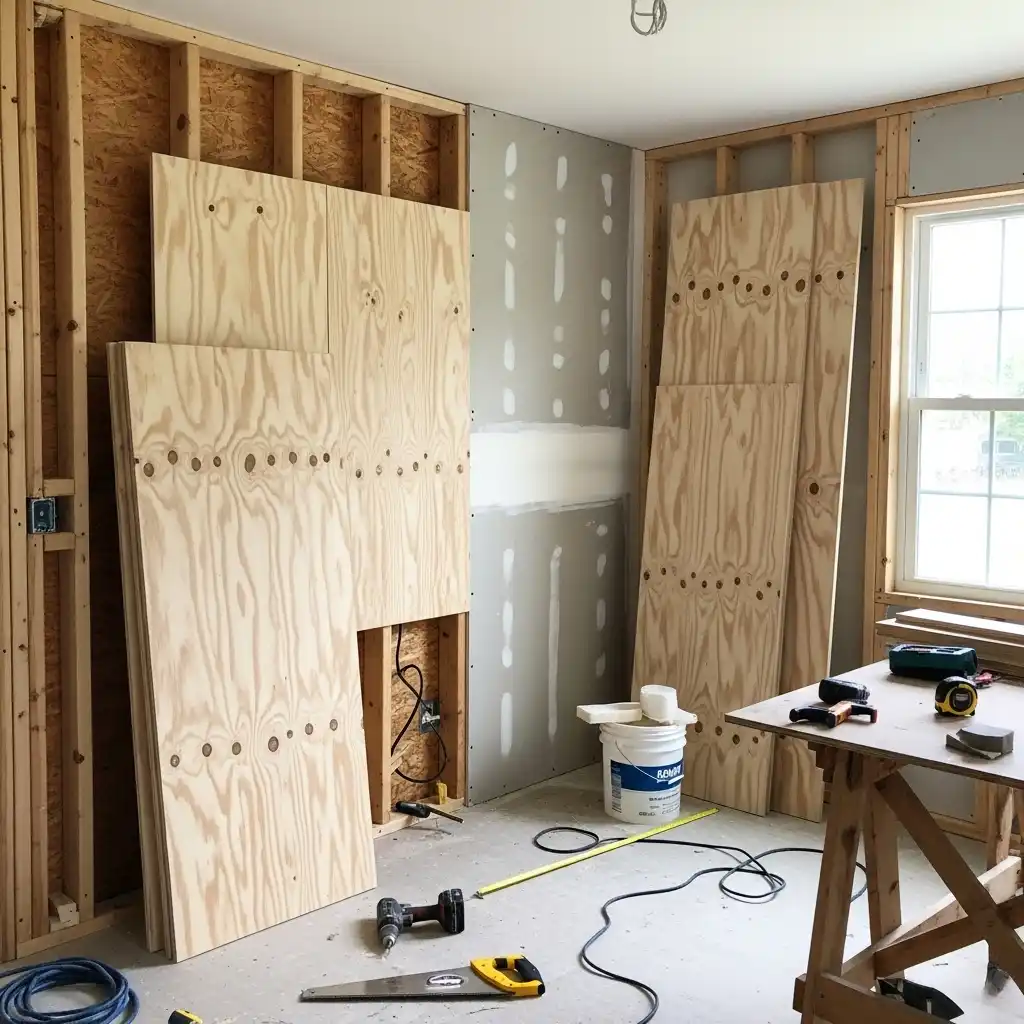
- Preparation: Plywood panels can be installed directly over studs or over existing drywall. Ensure the wall surface is flat, clean, and dry.
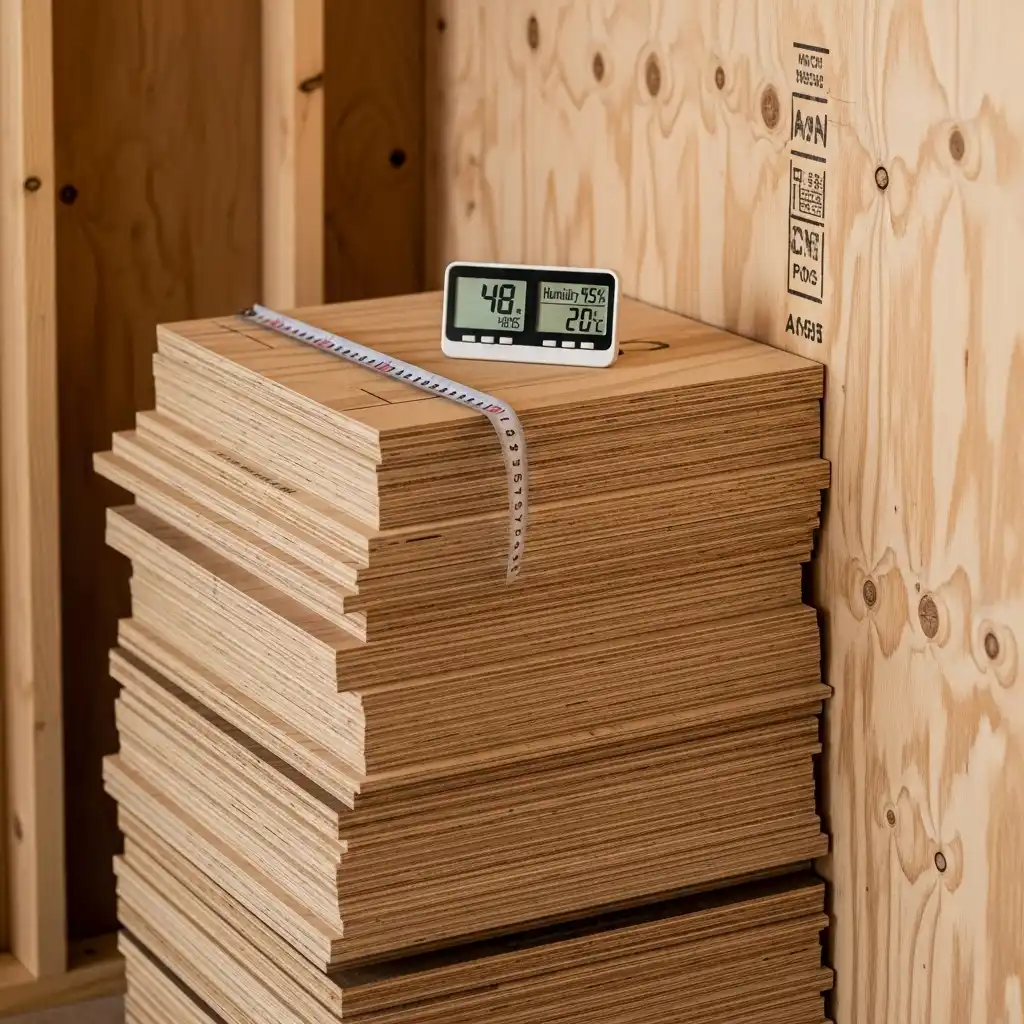
- Acclimatize: Let the plywood sheets sit in the room for 48 hours before installation to adjust to the humidity and temperature.
- Design the Layout: Plan your panel arrangement on the wall before you start cutting. Consider how the grain patterns will flow and whether you want to highlight the seams or make them disappear.
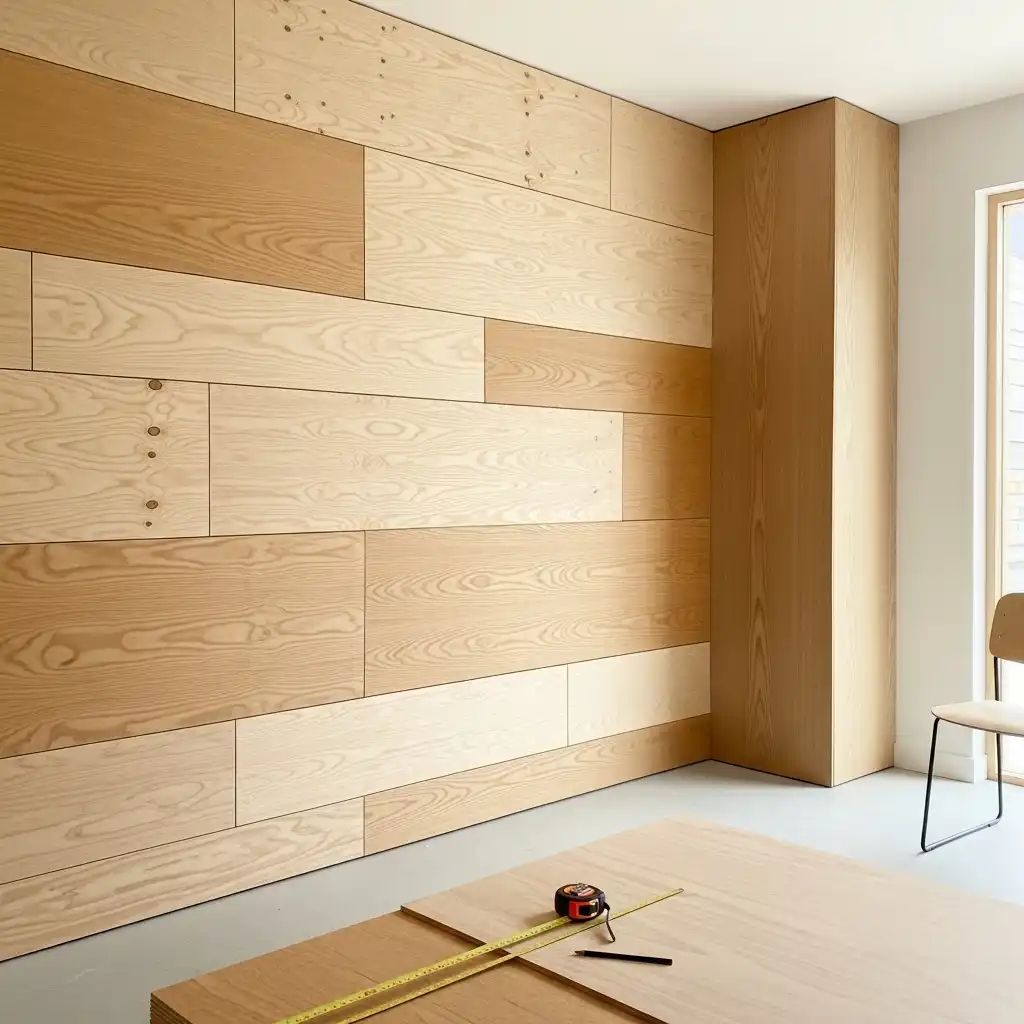
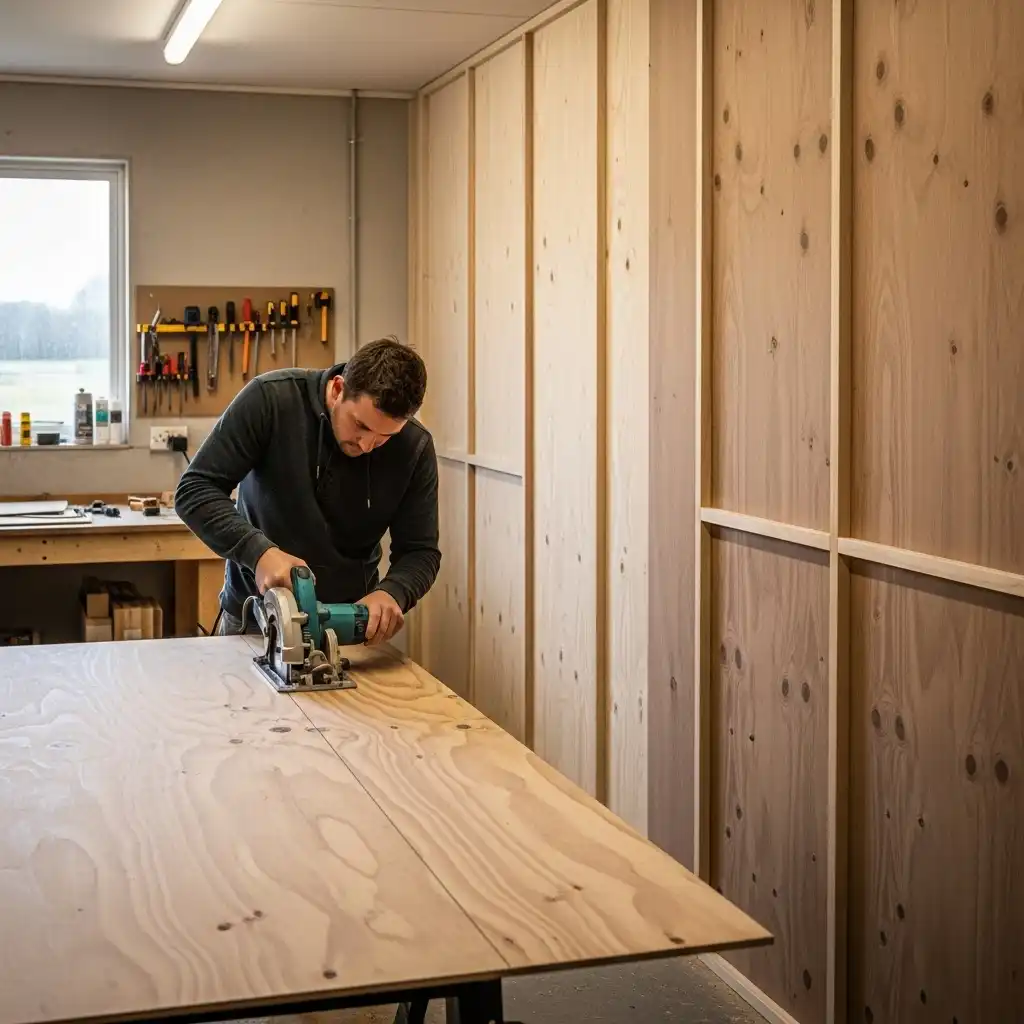
- Cutting and Finishing: You can have sheets cut at your local hardware store or use a circular saw for precision. Sand the edges and faces smoothly. You can fill the seams with wood filler for a seamless look, or leave them as intentional reveals for a more paneled effect.
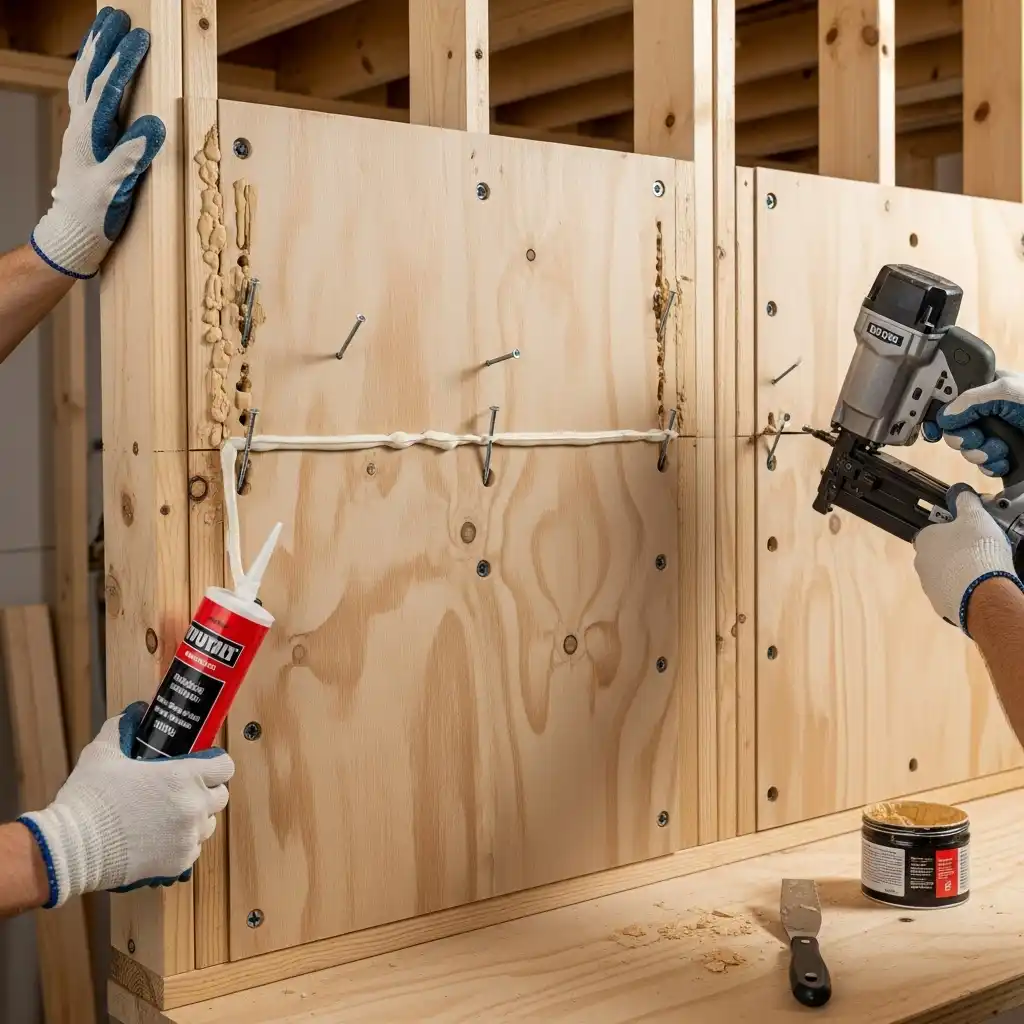
- Attachment: Secure the plywood to the wall studs using construction adhesive and finishing nails or screws. Countersink any fasteners and fill the holes with matching wood filler.
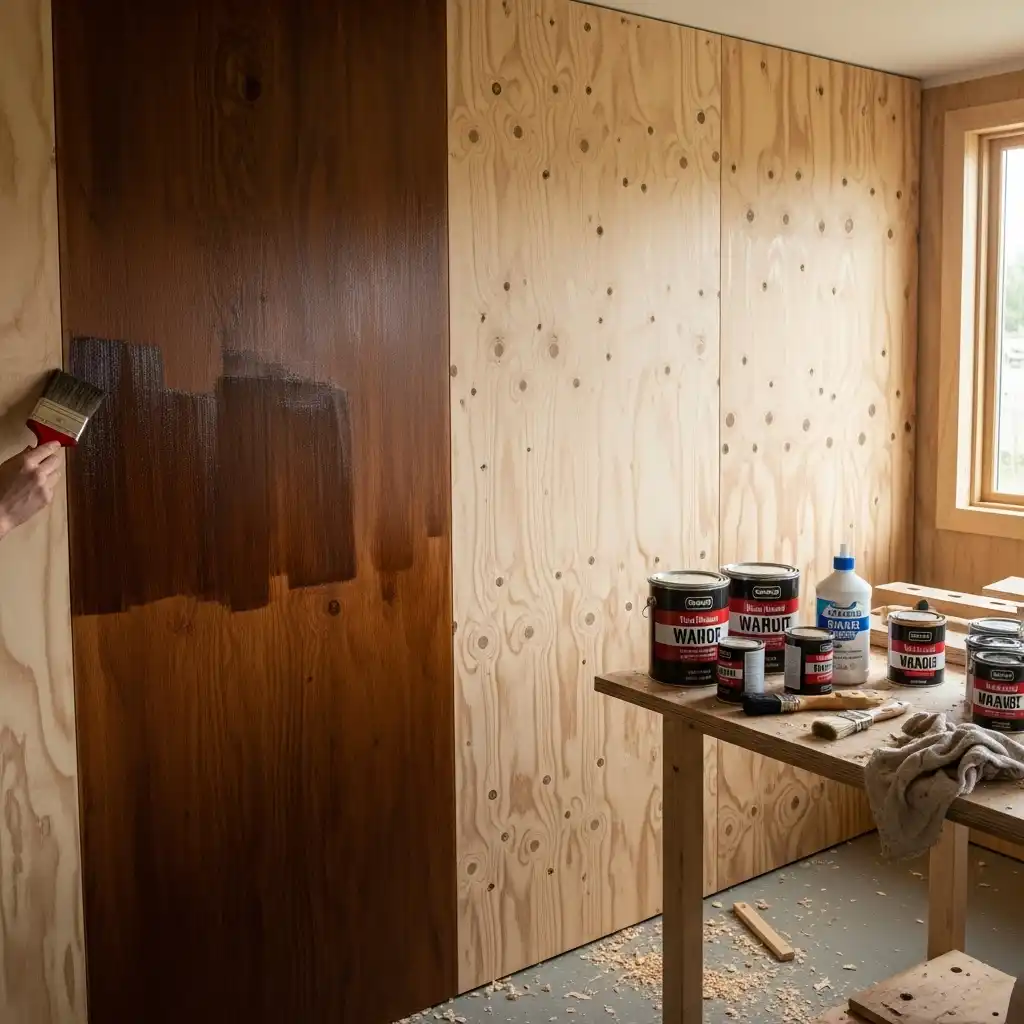
- The Final Finish: This is where the magic happens. Apply your chosen stain, paint, or a clear sealant (like polyurethane or a matte water-based topcoat) to protect the wood and achieve your desired look.
Design Inspirations: Unleashing Plywood’s Potential
How can you incorporate plywood into your home? Let these ideas be your starting point.
- The Modern Accent Wall: A floor-to-ceiling plywood wall in a living room or behind a bed adds instant architectural interest. Use a light stain for a Scandinavian vibe or a dark charcoal stain for a moody, dramatic effect.
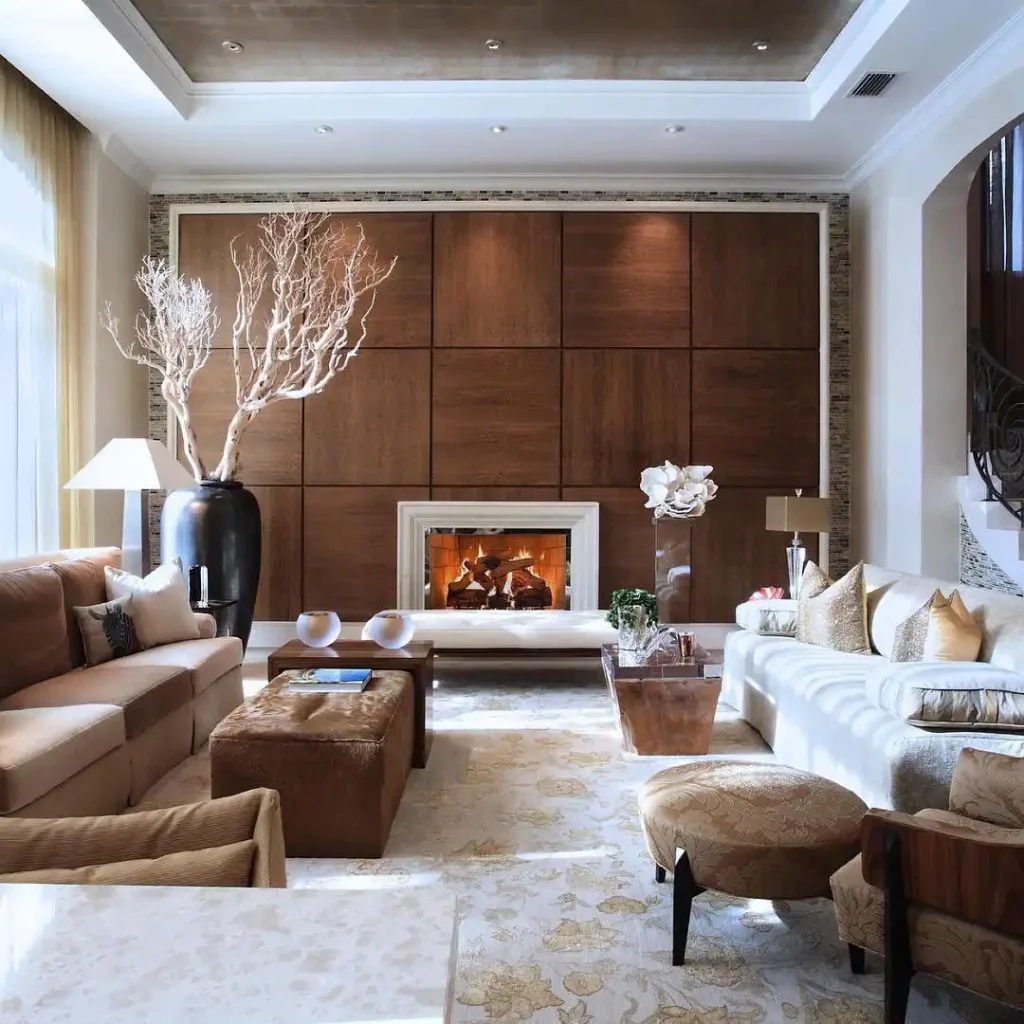
Credits:@jen_the_realtor305
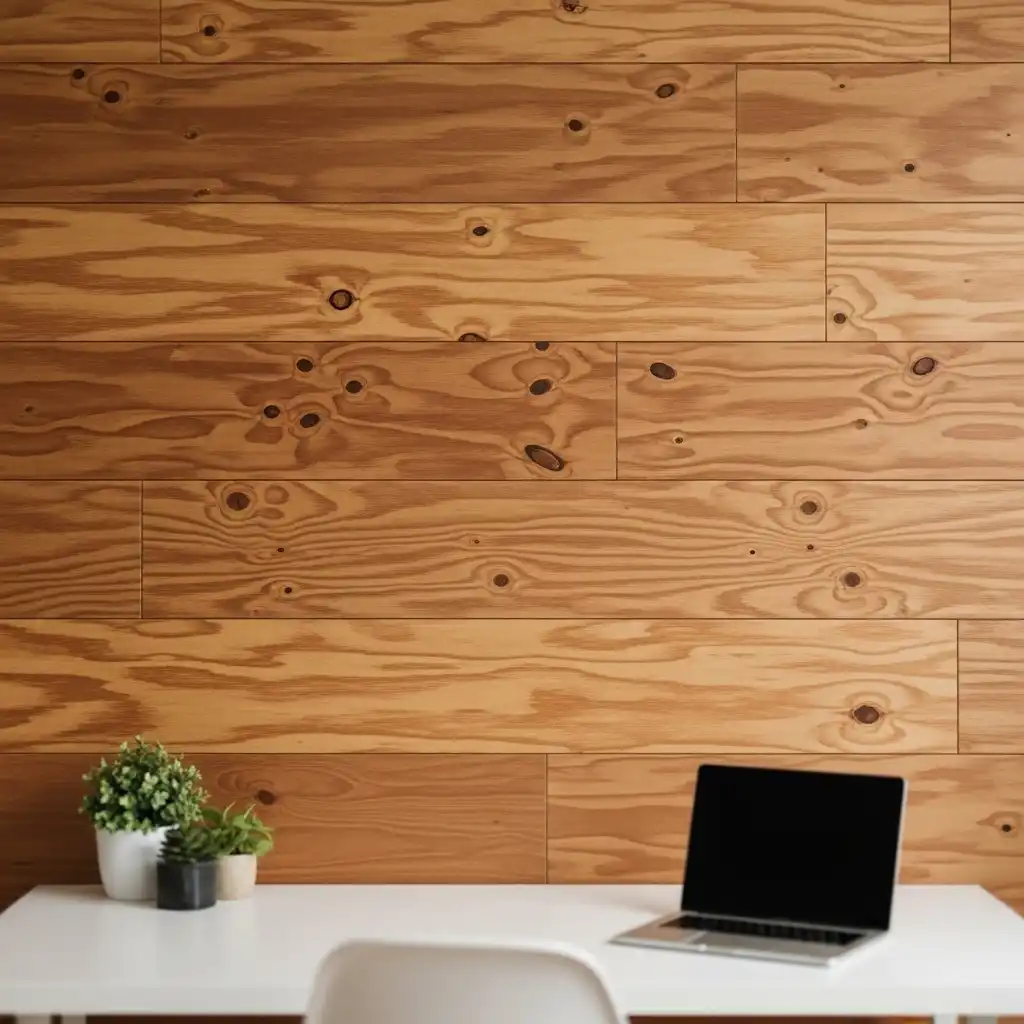
- The Home Office Backdrop: Stained birch plywood makes for a sophisticated and warm backdrop for video calls, elevating your workspace beyond a plain wall.
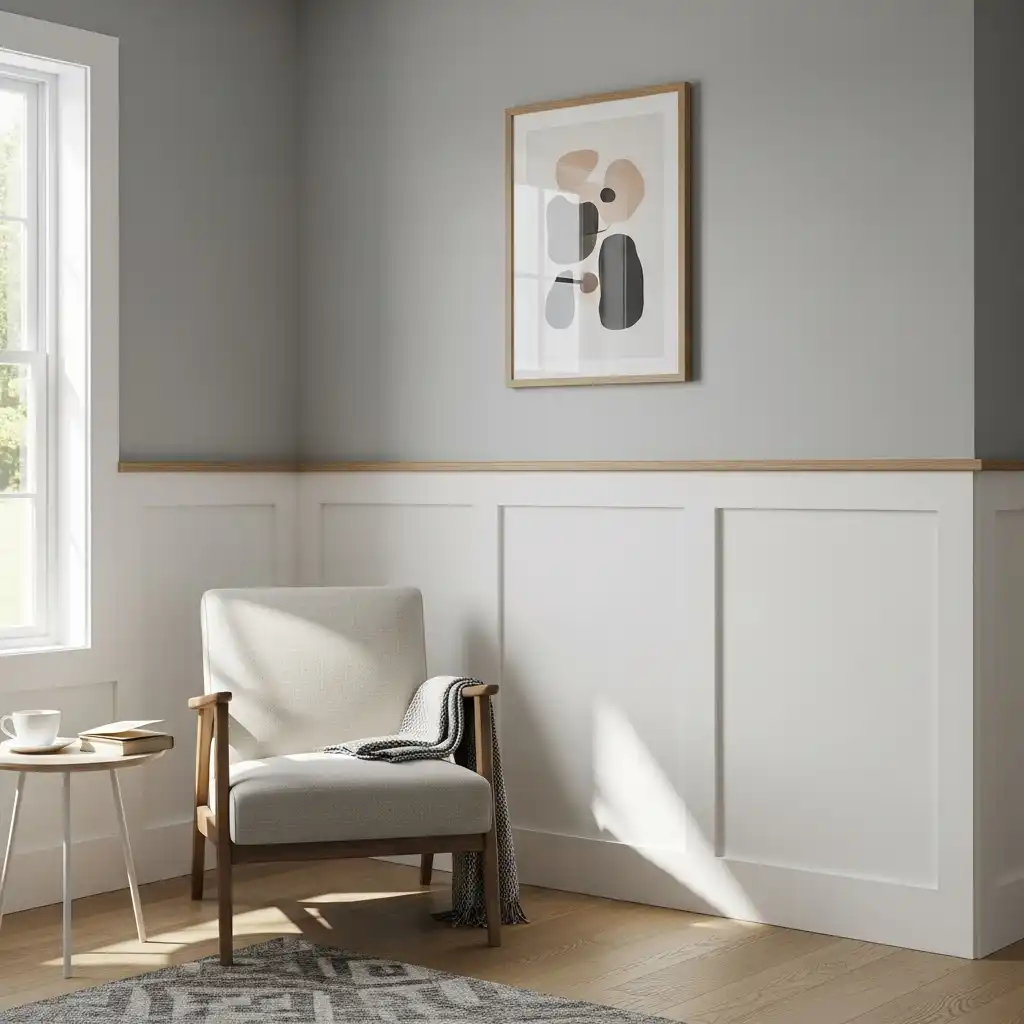
- Wainscoting or Half-Wall: Install plywood panels on the lower half of a wall, topped with a wooden cap, for a fresh take on traditional wainscoting. Paint it to match your trim for a built-in look.
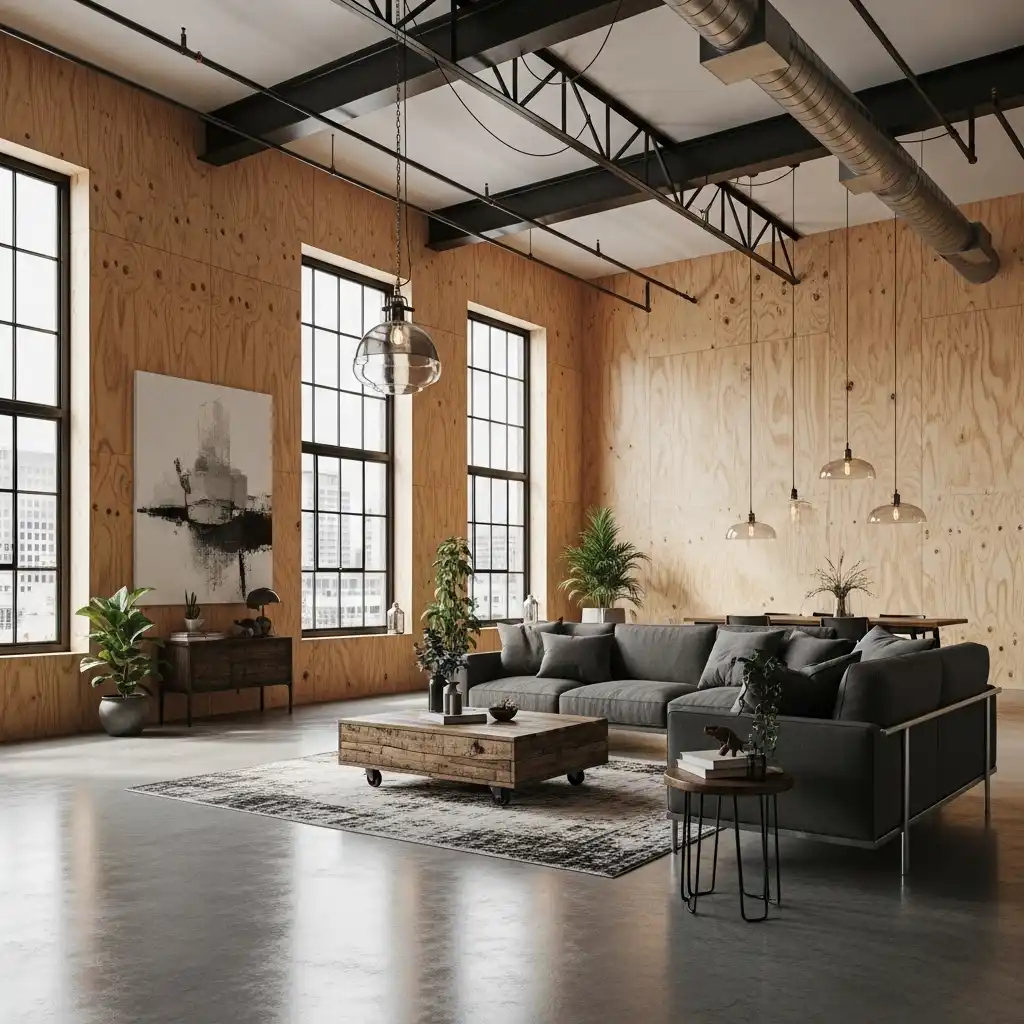
- The Industrial Loft: Embrace the raw material. Use a lower-grade plywood, seal it with a clear matte finish to protect it, and let the knots and imperfections shine as part of the aesthetic.
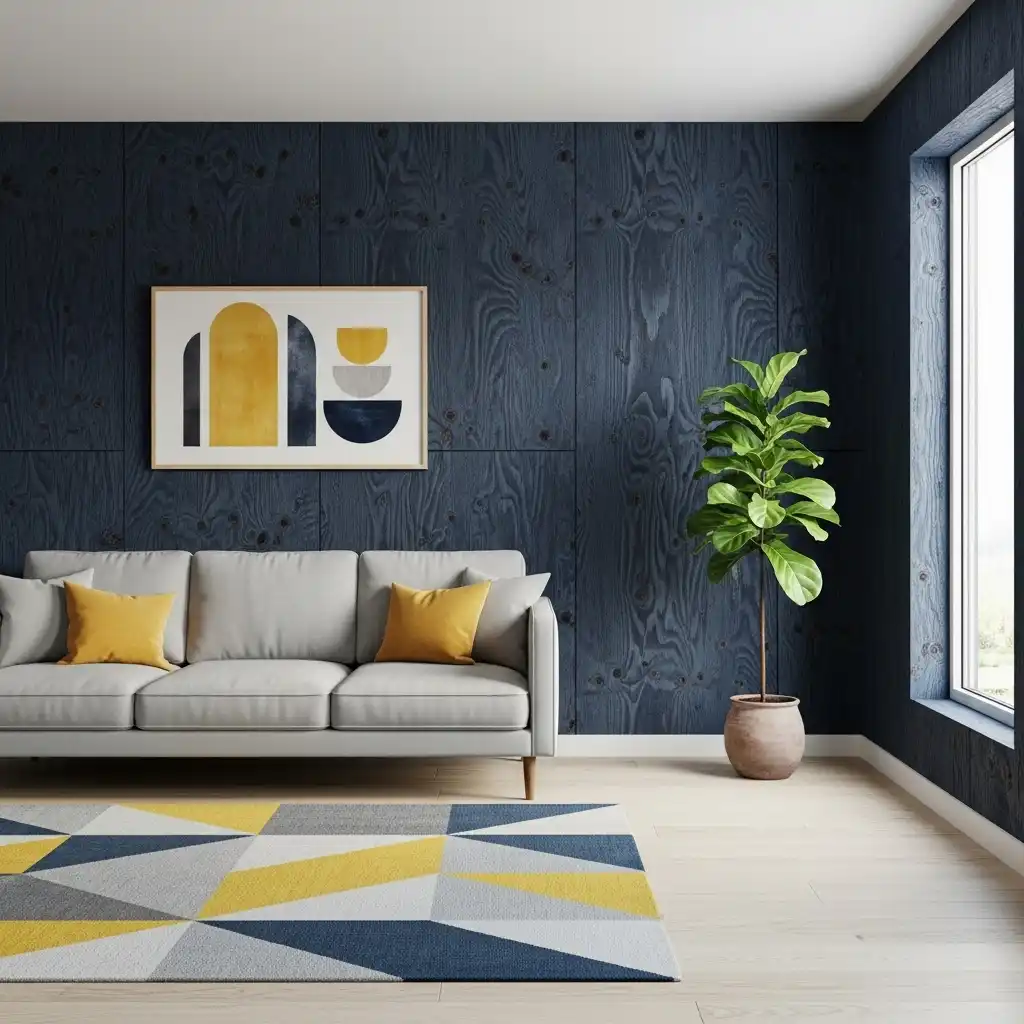
- Painted for Pop: Don’t think plywood has to look “woody.” Painting it a bold color—like a deep navy, forest green, or even a pastel—gives you incredible texture and depth that flat paint could never achieve.
1. Is plywood expensive for a feature wall?
No. It’s one of the most affordable wood wall options, as a single sheet covers a large area.
2. Can I install it myself?
Yes. With basic tools like a saw and a level, it’s a manageable DIY project.
3. How do I clean a plywood wall?
Dust regularly. For marks, use a slightly damp cloth. Avoid harsh chemicals.
Conclusion
Plywood walls are more than just a trend; they are a design statement that champions authenticity, warmth, and intelligent budgeting. They challenge the notion that beauty must be expensive or perfect, inviting the unique character of natural wood into our daily lives. So, the next time you’re contemplating a room refresh, look past the paint chips and consider the humble, powerful sheet of plywood—it might just be the design flex your home has been waiting for.