
Are you preparing for your baby’s arrival but struggling with limited square footage? Do you worry that a compact nursery means compromising on functionality, storage, or style?
Small nurseries present unique challenges, but with strategic planning and creative solutions, even the tiniest spaces transform into beautiful, functional sanctuaries that meet all your baby’s needs while providing comfort for exhausted parents.

Source: @cuddlecouk @hollieandhenry
The key to successful small nursery design lies in maximizing vertical space, choosing multi-functional furniture, and maintaining organization that prevents clutter from overwhelming limited areas. Smart storage solutions, scaled-appropriate furniture, and strategic design choices create airy, efficient spaces that feel cozy rather than cramped.
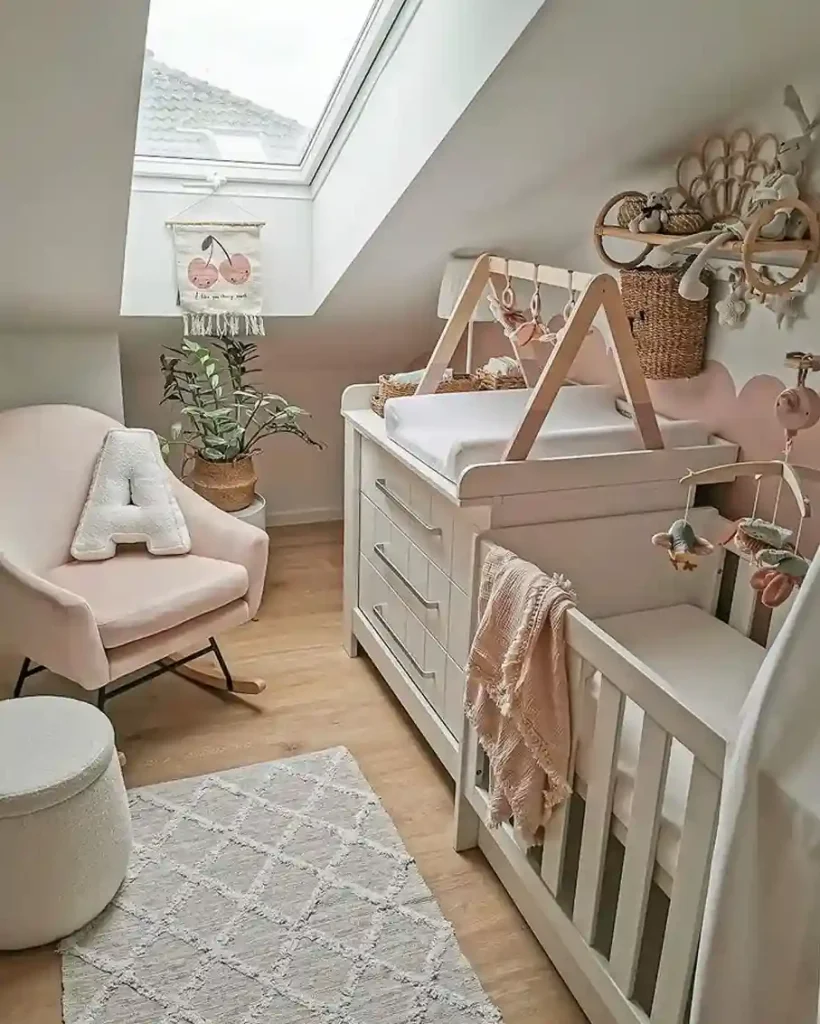
Source: @scandiborn @ocaroline.blog
Whether you’re converting a closet, carving out bedroom corners, or working with genuinely small rooms, these 22 small nursery ideas prove that thoughtful design matters more than generous square footage when creating perfect spaces for your little one.
1. Convertible Crib Investment
Choose convertible cribs that transform from infant beds to toddler beds and eventually full-size beds, maximizing long-term value while eliminating future furniture purchases. These space-efficient pieces adapt as children grow without requiring room for multiple bed types simultaneously.

Source: @cadebyhouse
The single investment serves years of use, making it smart choice for small nurseries where every piece must justify its footprint through extended functionality. Read our complete guide on woodland nursery with various ideas.
2. Wall-Mounted Changing Station
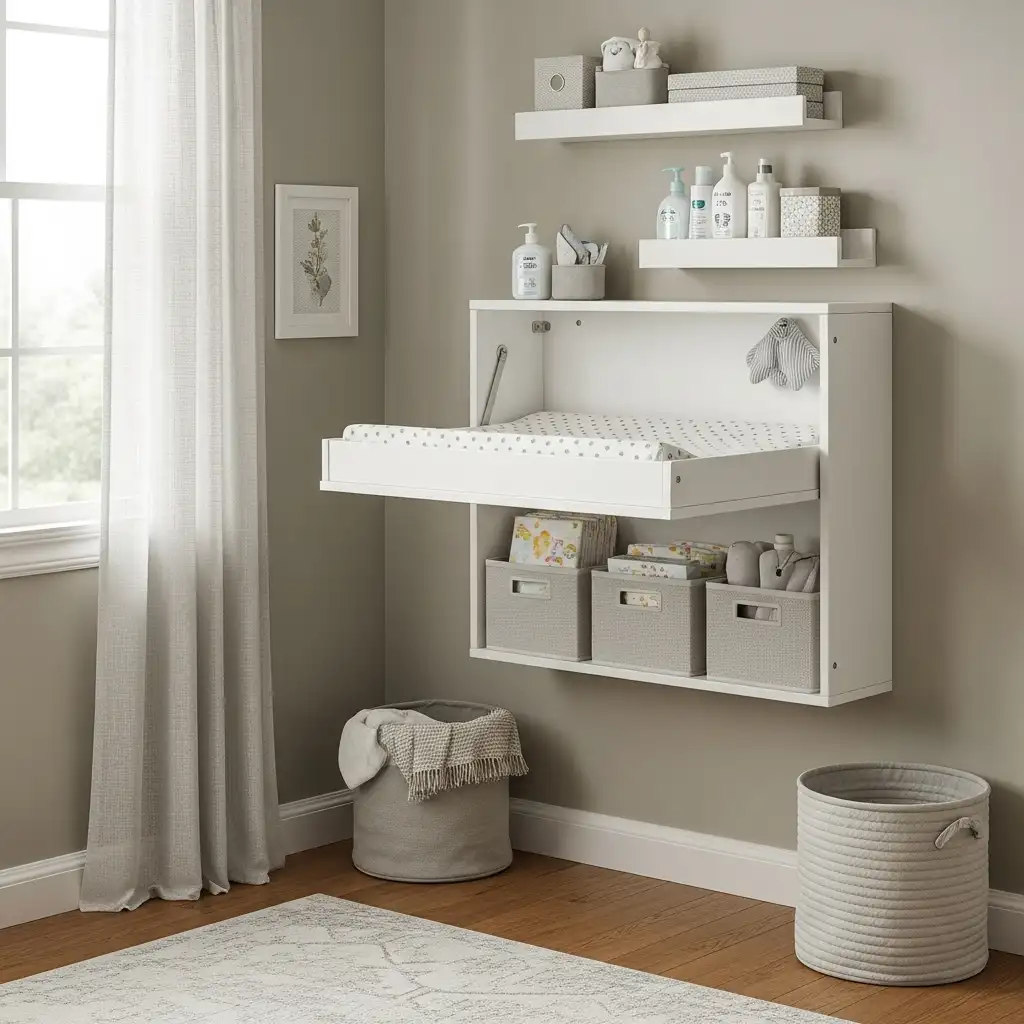
Install fold-down wall-mounted changing tables that collapse when not in use, freeing precious floor space for movement and play. These space-saving alternatives provide full changing functionality without permanent footprint, perfect for tiny nurseries where traditional changing tables overwhelm. Position near diaper storage and supplies, creating efficient changing zones that disappear completely after diaper years end. Check these baby nursery ideas only for the loved ones.
3. Vertical Storage Solutions
Maximize wall space through floor-to-ceiling shelving, hanging organizers, and wall-mounted storage keeping floors clear while providing substantial capacity. Vertical thinking transforms unused wall space into functional storage that small rooms desperately need without consuming limited floor area.

Source: @gemsnextchapter
Install shelves above changing areas, beside cribs, or flanking doors utilizing every available inch productively. For additional storage strategies, see our small bedroom storage ideas guide.
4. Mini Crib Alternative
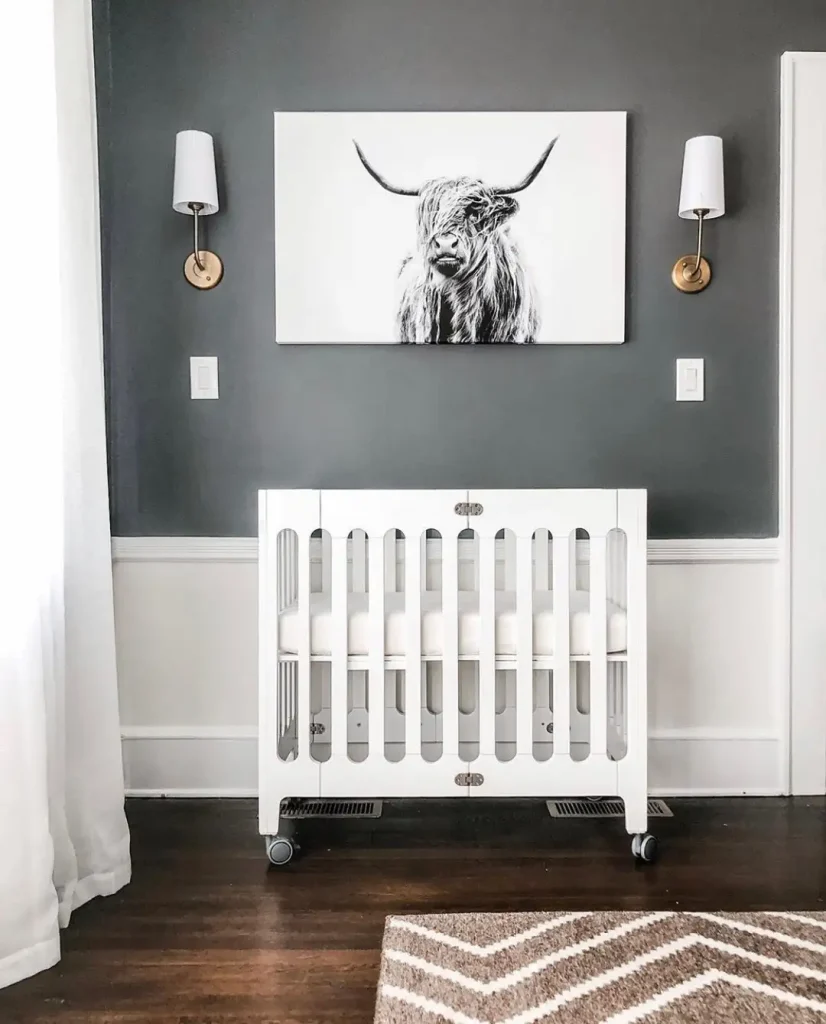
Source: @bloombaby
Consider mini cribs measuring approximately 38×24 inches versus standard 52×28 inches, providing safe sleep spaces while saving substantial floor area. These compact options work beautifully in small nurseries, though babies outgrow them around 18 months requiring toddler bed transitions. The space savings often justify earlier transitions, particularly in extremely tight quarters where standard cribs simply don’t fit comfortably.
5. Dresser Doubles as Changing Table
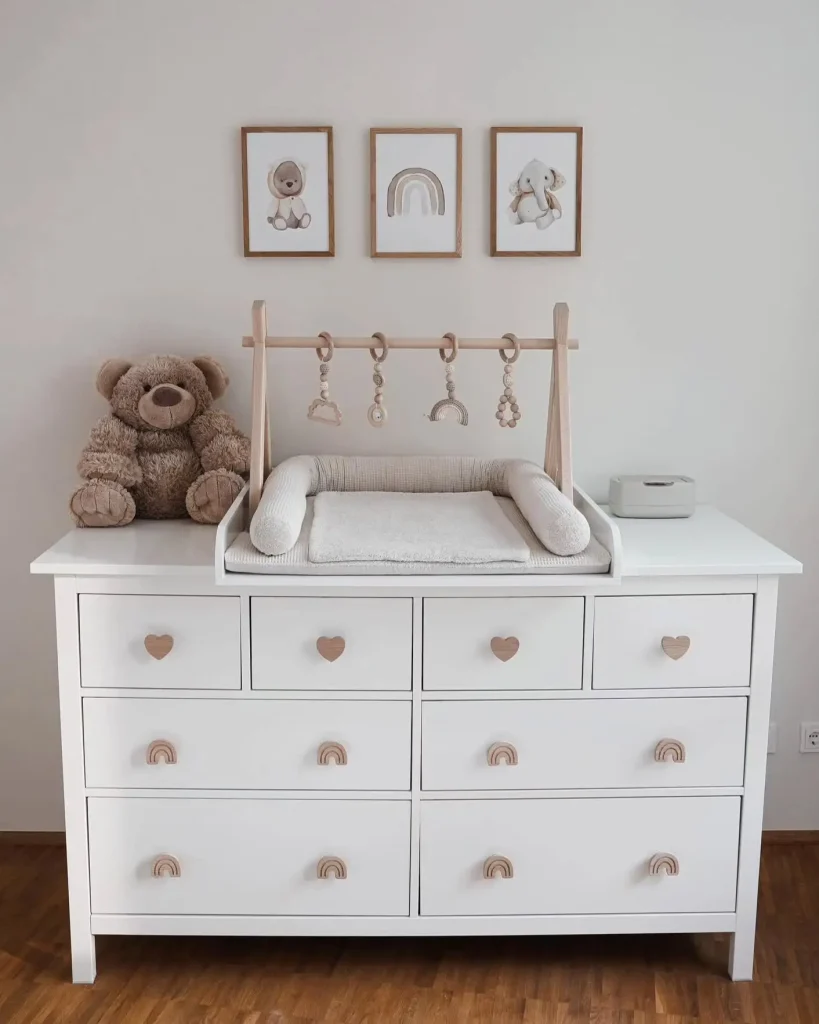
Use standard dressers topped with changing pads rather than dedicated changing tables, providing dual functionality that continues serving long after diaper changes end. This approach maximizes furniture value while reducing pieces competing for limited space. The dresser stores clothing and supplies efficiently while its top surface handles all changing needs during infancy without requiring separate furniture.
6. Corner Utilization
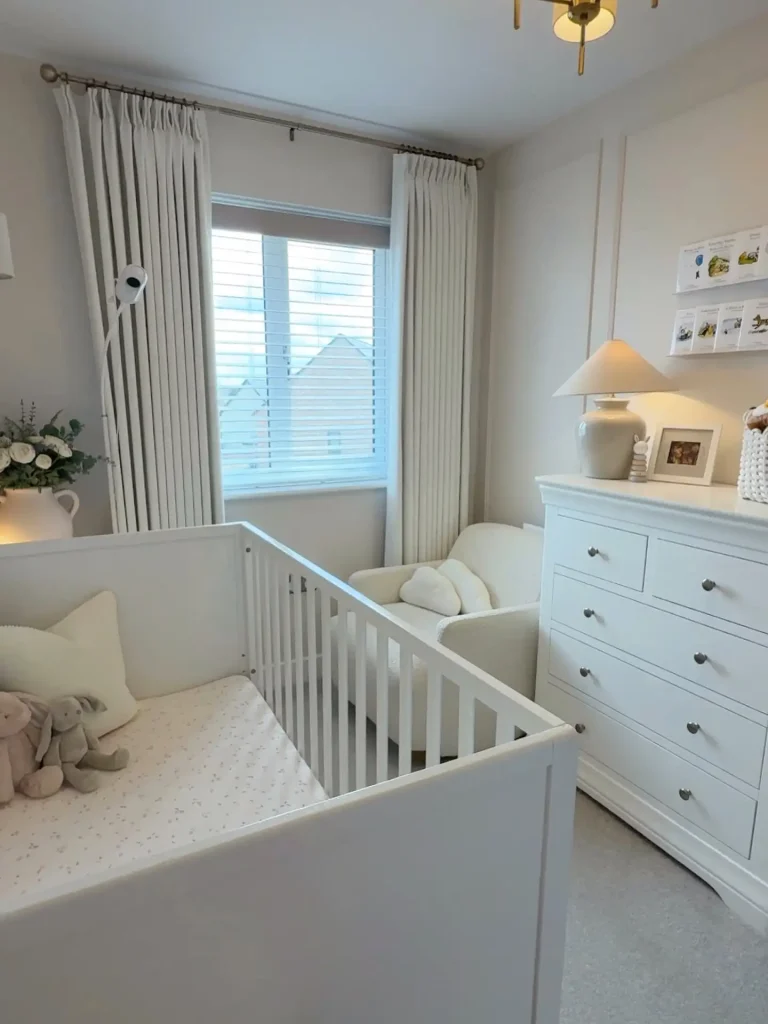
Source: @clarissashome
Position cribs or gliders in room corners maximizing wall space while creating cozy, protected sleeping areas. Corners often go unused in standard furniture arrangements, but strategic placement transforms them into functional zones perfect for nursery essentials. This approach leaves central floor space open for movement and future play areas as babies become mobile toddlers.
7. Under-Crib Storage

Utilize space beneath cribs with rolling storage bins, drawer units, or baskets organizing extra supplies, off-season clothing, or infrequently used items. This often-wasted space provides substantial hidden storage that keeps necessary items accessible without cluttering visible areas. Choose low-profile containers maximizing storage capacity while maintaining easy access during middle-of-night supply runs.
8. Light Color Palette
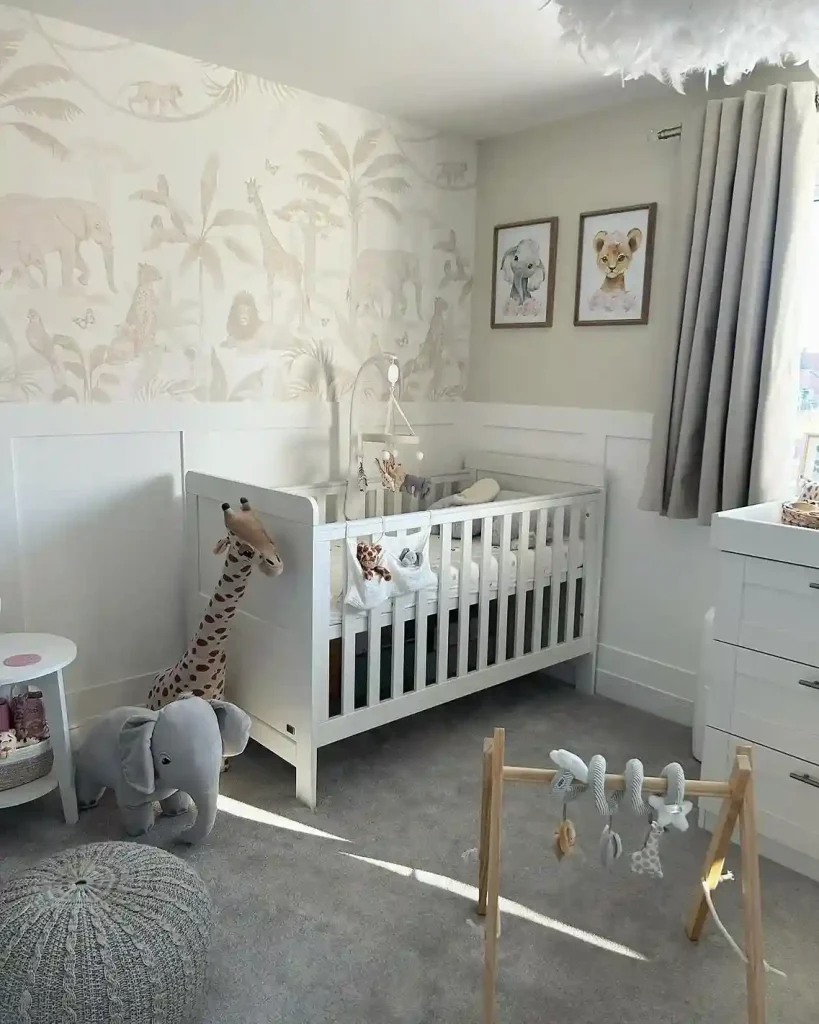
Create spacious feelings through light paint colors including whites, creams, soft grays, and pale pastels that reflect maximum light while making small rooms feel larger. Dark colors absorb light making spaces feel smaller and more confining—particularly problematic in compact nurseries. The airy palette also photographs beautifully for those precious newborn photos you’ll treasure forever while creating calm atmospheres.
9. Minimalist Approach
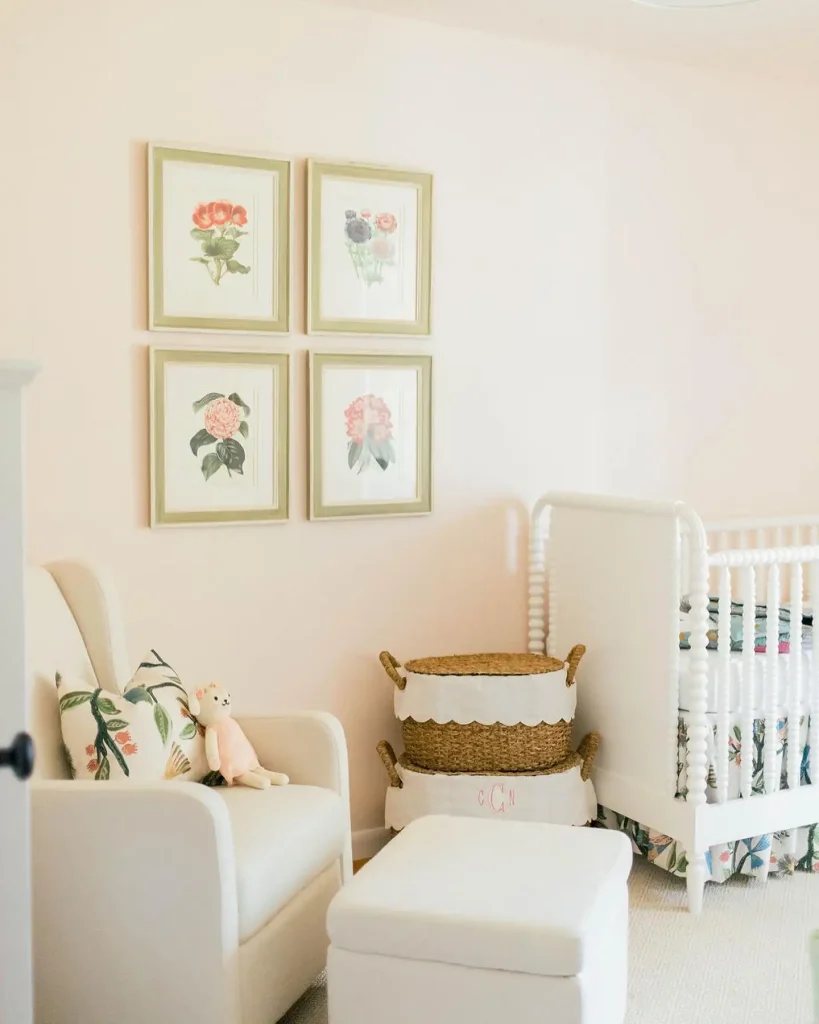
Embrace minimalism keeping only essential furniture and carefully curated accessories preventing clutter that overwhelms small spaces. Babies need surprisingly little—safe sleep space, changing area, storage, and comfortable seating suffice initially. Resist accumulating unnecessary items that consume space without adding real value to daily care routines or baby comfort during earliest months.
10. Compact Glider or Rocking Chair
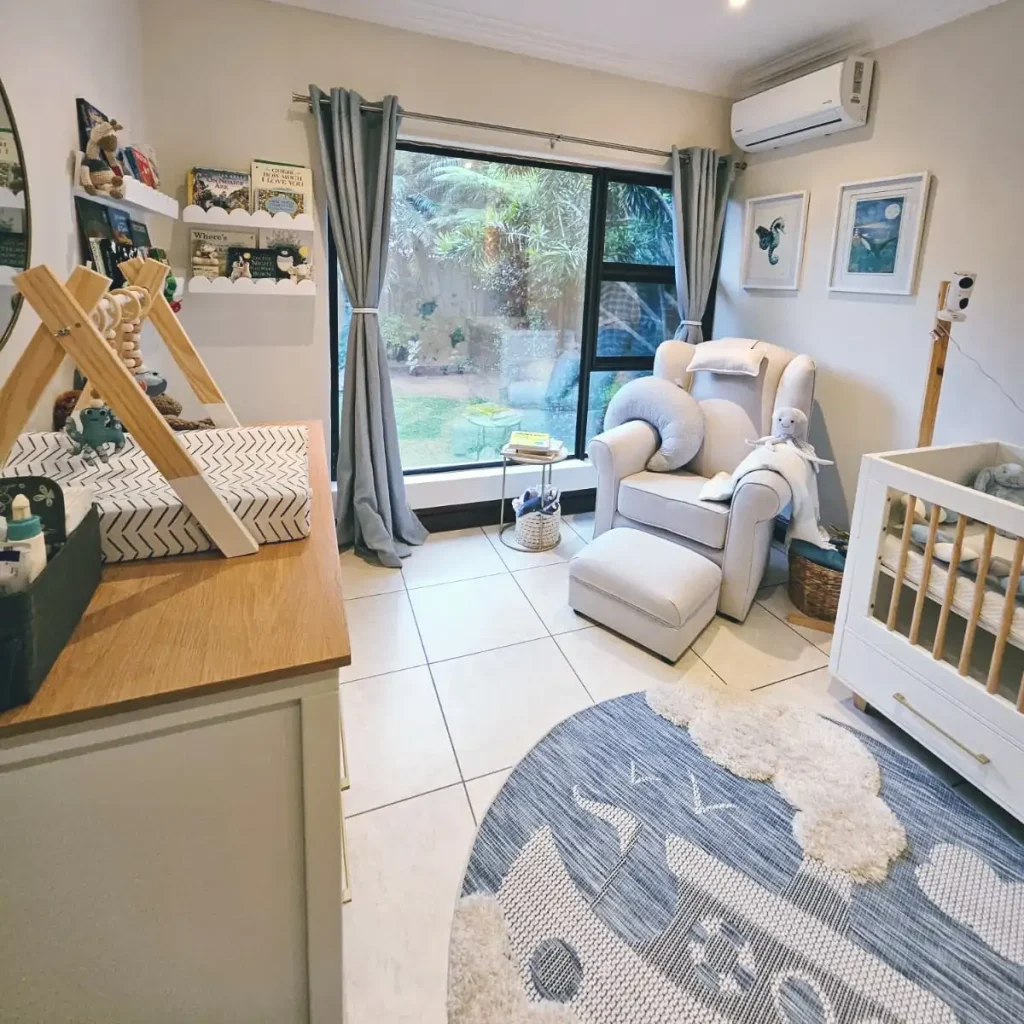
Select smaller-scale gliders or armless rocking chairs providing comfortable feeding spots without overwhelming tight quarters. Standard recliners consume excessive space that small nurseries cannot spare, but appropriately scaled seating maintains parent comfort without sacrificing precious square footage. Measure carefully ensuring adequate clearance for rocking or gliding motion without hitting walls or furniture. For small space strategies, visit our small bedroom ideas guide.
11. Sliding Barn Doors
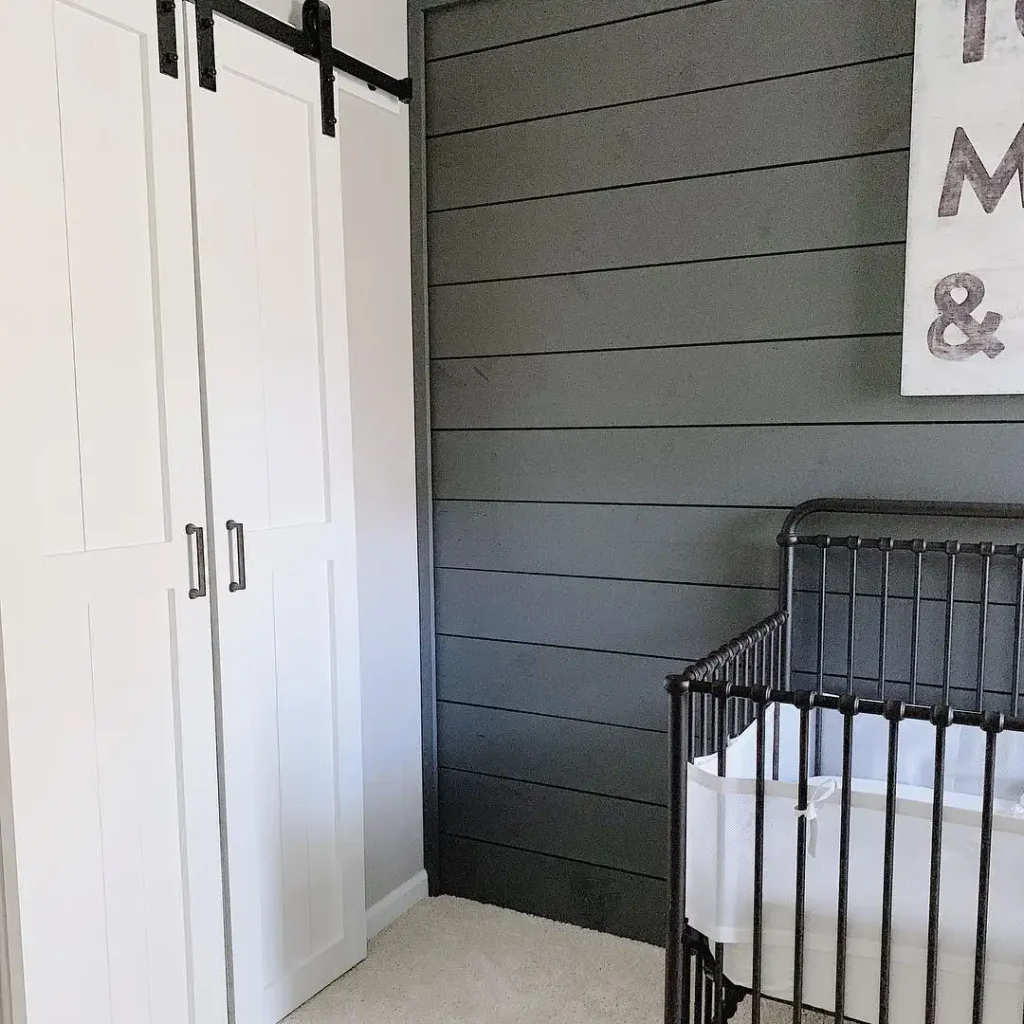
Replace traditional swinging doors with space-saving sliding barn doors eliminating door swing clearance requirements inside or outside nurseries. This architectural modification frees substantial space previously reserved for door operation, allowing furniture placement that wouldn’t work with conventional doors. The trendy barn door style also adds character and charm while solving practical space limitations.
12. Multi-Purpose Furniture

Choose furniture serving multiple functions including storage ottomans doubling as extra seating, benches with hidden compartments, or side tables with built-in storage. Every piece must work harder in small nurseries, justifying its footprint through multiple uses rather than single purposes. This strategic selection maximizes functionality while minimizing furniture quantity that would otherwise overcrowd limited areas.
13. Wall-Mounted Shelving
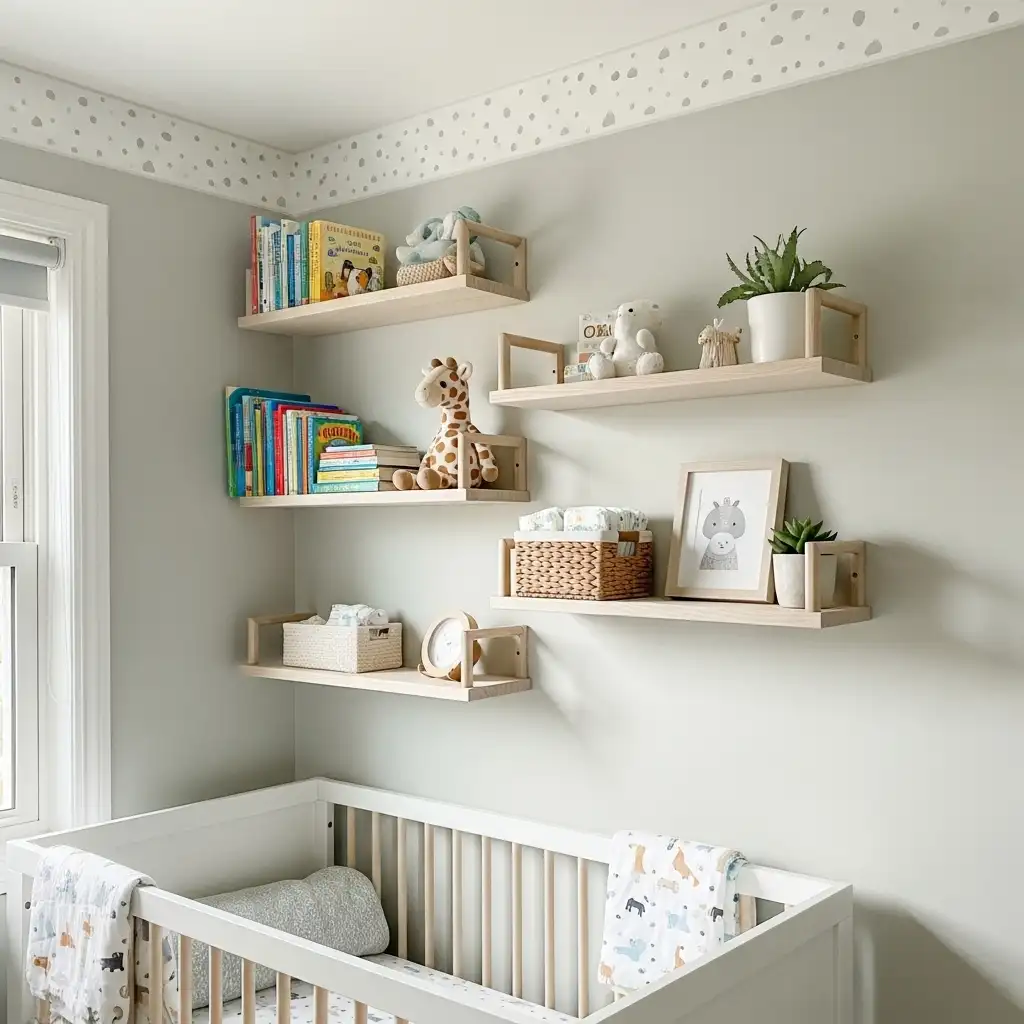
Install floating shelves instead of freestanding bookcases, providing display and storage without consuming floor space. These streamlined solutions hold books, decorative items, and frequently accessed supplies while maintaining open, airy feelings. Arrange shelves at varying heights creating visual interest while accommodating different item sizes from small stuffed animals to larger books and storage baskets.
14. Closet Organization Systems
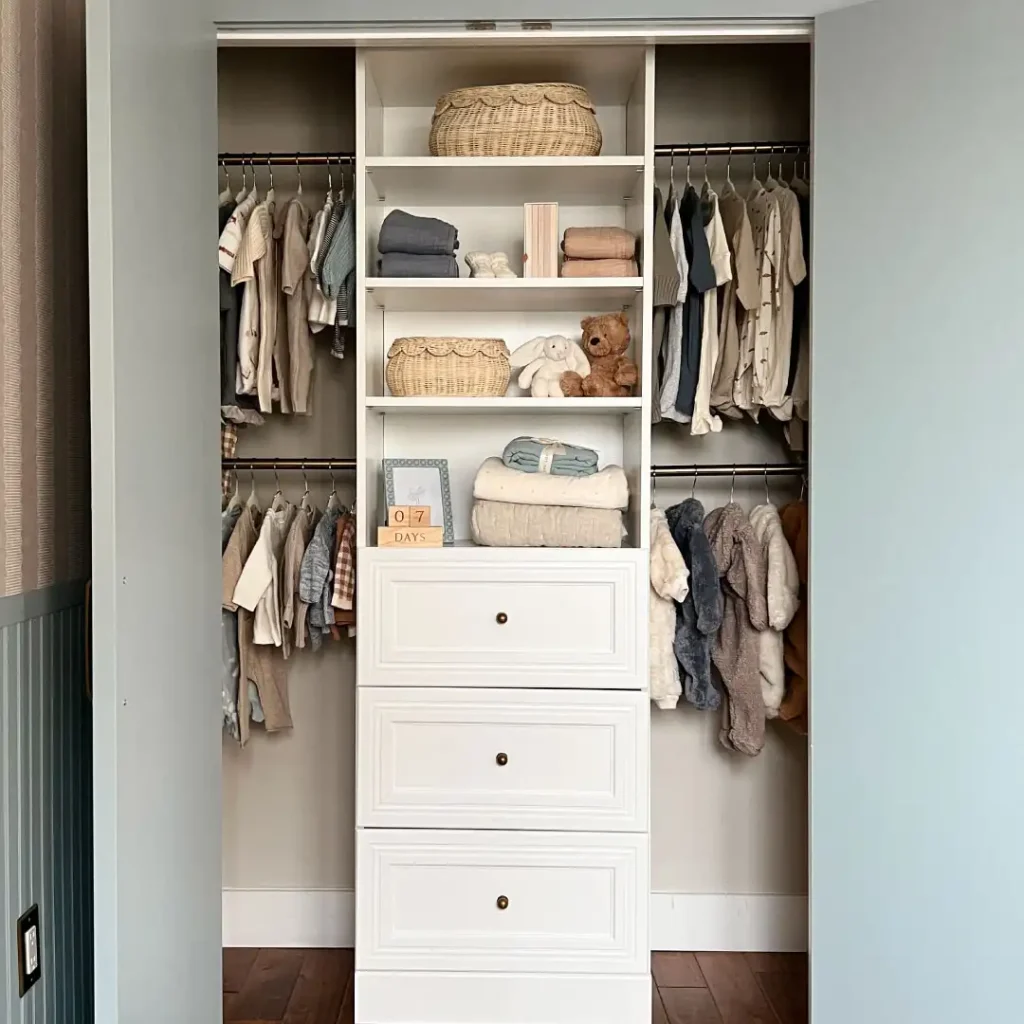
Maximize closet potential through organizational systems including double hanging rods, shelf dividers, and specialized organizers transforming standard closets into highly functional storage. Small nurseries require utilizing every inch efficiently, making closet optimization essential for maintaining organization. Install systems accommodating tiny baby clothes while adapting as children grow into toddlers requiring different storage configurations. See our bathroom closet organization ideas for closet strategies.
15. Pegboard Storage Walls
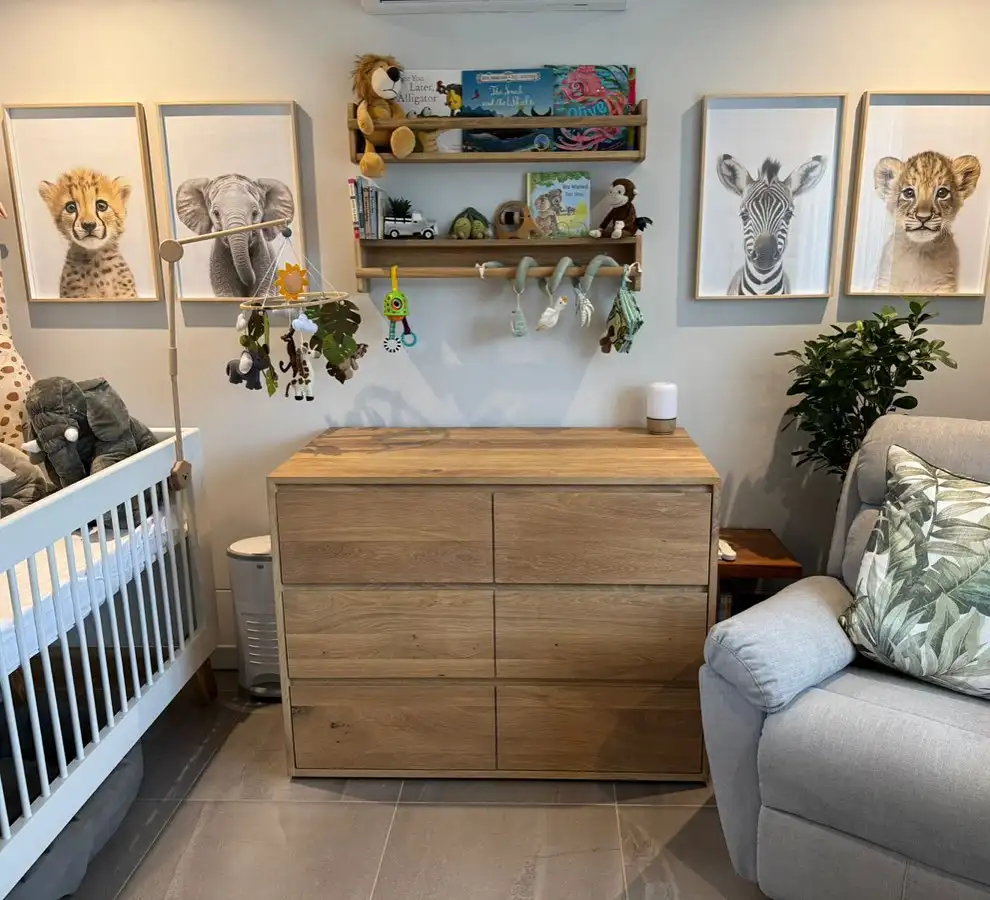
Install pegboard walls creating flexible, reconfigurable storage that adapts as needs change from infancy through toddlerhood. Hooks, baskets, and shelves rearrange instantly without tools, accommodating evolving storage requirements. Paint pegboard coordinating with nursery colors transforming functional storage into attractive design features that contribute to overall aesthetics while solving practical organization challenges.
16. Curtain Room Dividers

Create nursery spaces within shared bedrooms or studio apartments using curtain dividers providing visual separation and darkness for napping. This flexible solution costs less than permanent walls while offering easy installation and removal. Choose blackout curtains blocking light during daytime sleep while coordinating with overall decor creating cohesive spaces despite divided functions within single rooms.
17. Compact Baby Monitor
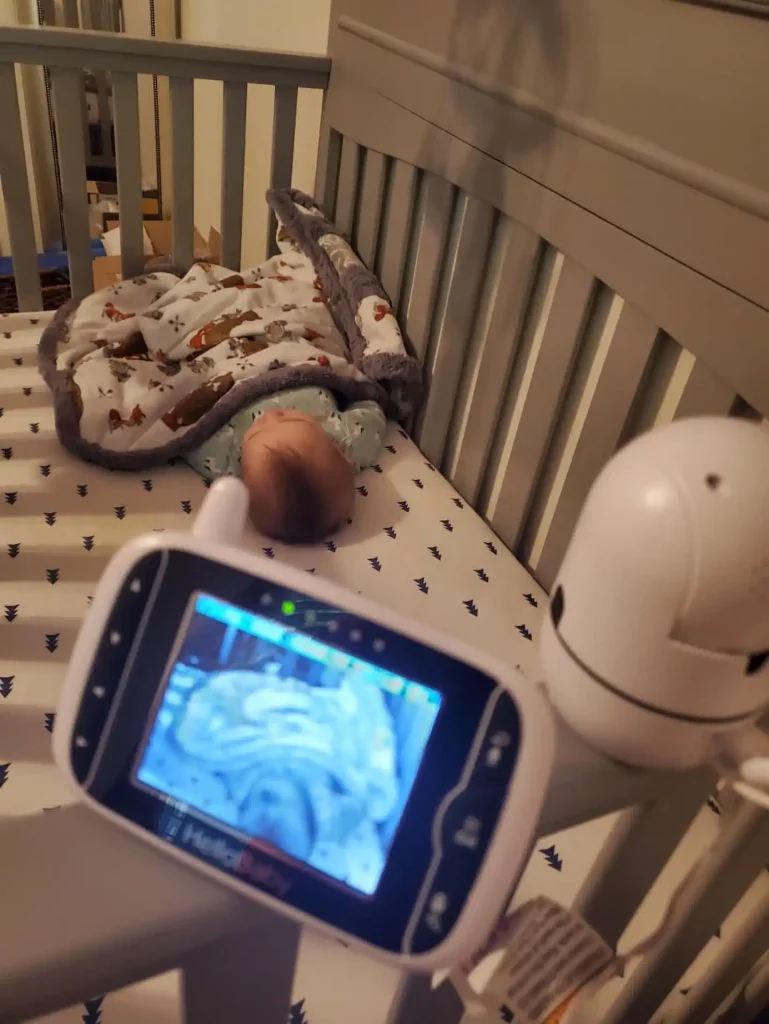
Select small, wireless monitors avoiding bulky receiver units that consume precious surface space on already crowded dressers or nightstands. Modern smartphone-connected monitors eliminate dedicated receivers entirely, providing monitoring through devices you already carry everywhere. The space savings seem minor but accumulate significantly when multiple items compete for limited surfaces in compact nurseries.
18. Clear Acrylic Furniture

Consider transparent acrylic furniture including cribs, chairs, or side tables maintaining functionality while virtually disappearing visually. This illusion creates spacious feelings since transparent pieces don’t add visual weight despite occupying physical space. The modern aesthetic works beautifully in contemporary nurseries seeking airy, light-filled atmospheres that small spaces desperately need for comfortable, welcoming feelings.
19. Mirrors for Illusion

Hang large mirrors opposite windows reflecting natural light and creating depth illusions making small nurseries feel substantially larger. This designer trick costs little but delivers impressive visual expansion that benefits any cramped space. Choose mirrors with safety backing preventing dangerous shattering, and secure properly ensuring they withstand potential bumps from active toddlers eventually inhabiting spaces.
20. Bassinets Instead of Cribs

Use bassinets during early months when babies sleep in parent bedrooms anyway, delaying crib purchases until transitioning to dedicated nurseries around 3-6 months. This phased approach prevents purchasing cribs before knowing whether moves, housing changes, or space reconfigurations might alter original nursery plans. The temporary solution also allows spreading major purchases across more manageable timeframes.
21. Rolling Storage Carts
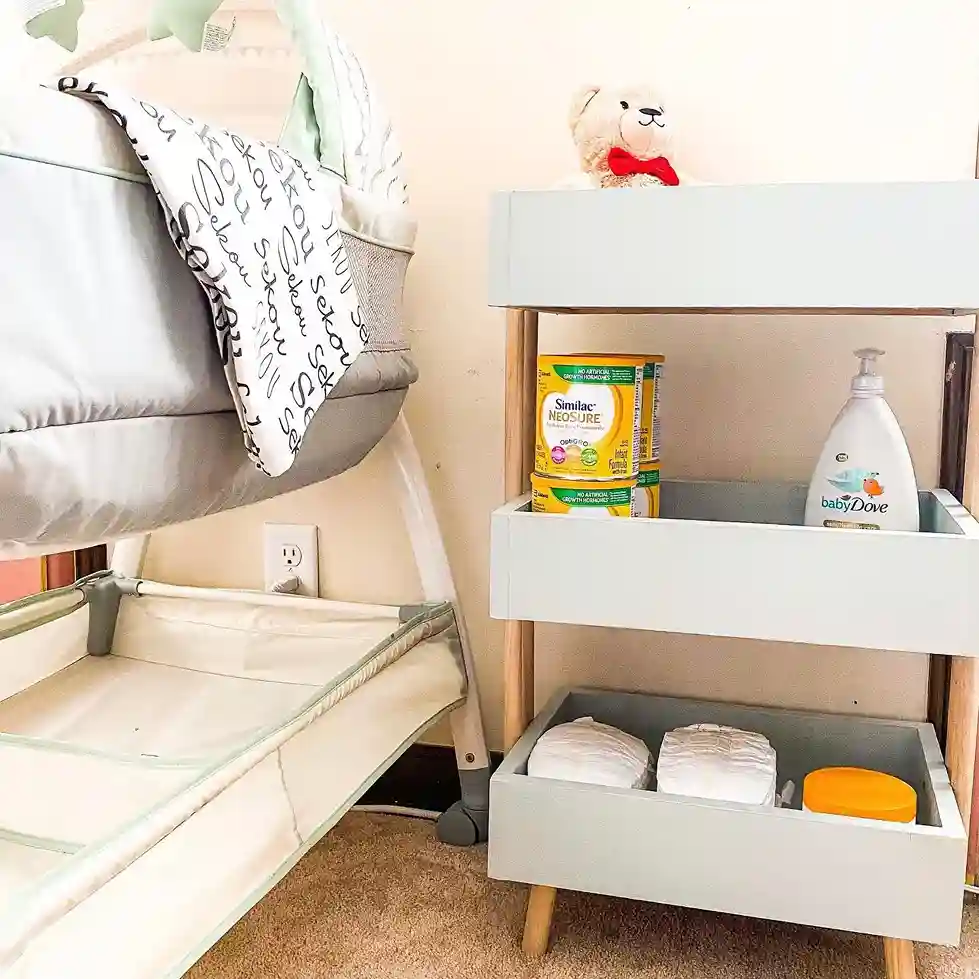
Invest in multi-tiered rolling carts organizing diapers, wipes, and supplies while tucking beside furniture or rolling into closets when not needed. These mobile solutions provide substantial storage and workspace without permanent footprints, perfect for small nurseries requiring flexibility. The carts move wherever needed—beside changing areas during diaper changes, near gliders during feedings, or into closets when company visits.
22. Shared Bedroom Nursery Nooks
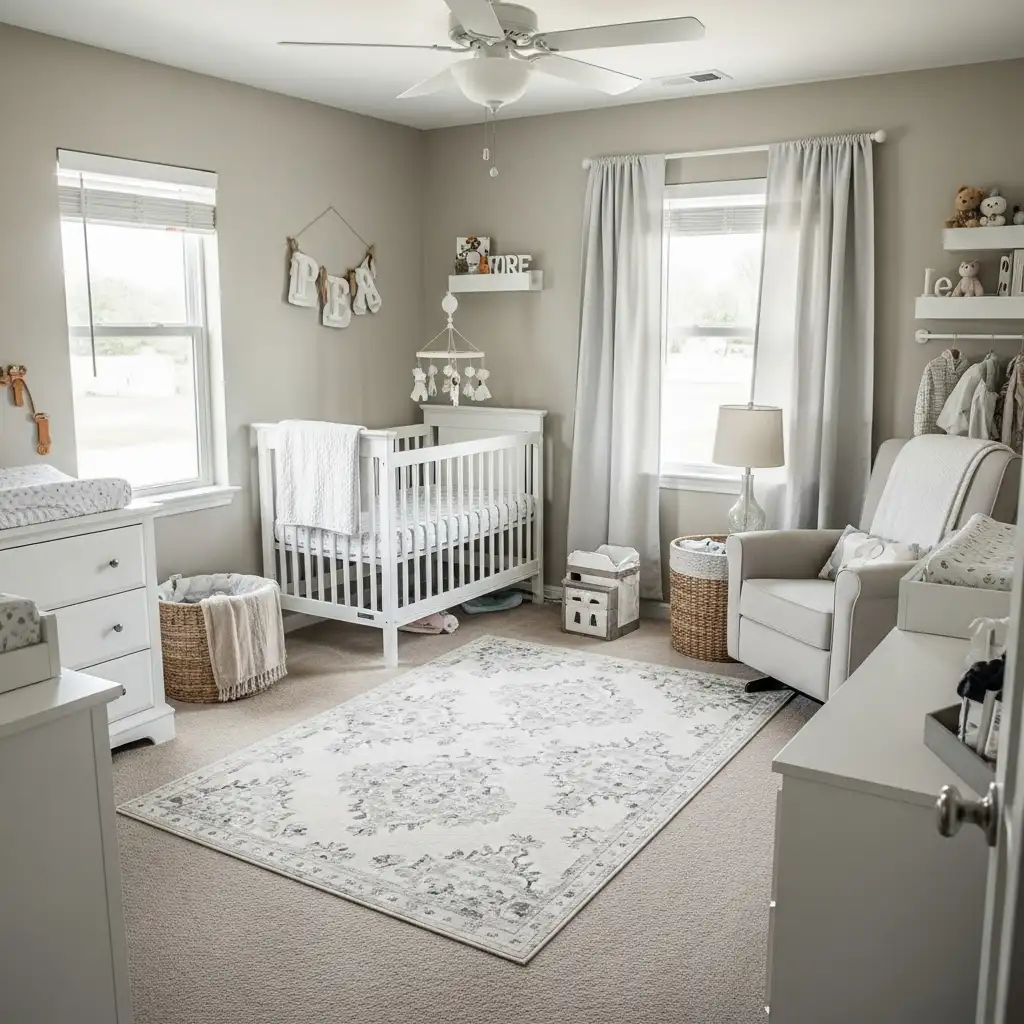
Create dedicated nursery zones within master bedrooms through strategic furniture placement, area rugs defining spaces, and coordinated decor maintaining visual cohesion. Many families successfully room-share during early months, making elaborate separate nurseries unnecessary initially. This practical approach works beautifully in small homes where converting spare rooms seems premature before babies arrive and sleep patterns establish themselves.
Essential Design Principles for Small Nurseries
Prioritize the Essentials
Focus on must-have items including safe sleep spaces, changing areas, adequate storage, and comfortable seating while eliminating non-essential furniture and decor. Small nurseries cannot accommodate everything found in spacious rooms, requiring ruthless prioritization ensuring every item earns its place through genuine utility rather than aesthetic preferences. Babies genuinely need very little initially despite marketing suggesting otherwise.
Embrace Vertical Space
Think upward rather than outward when planning storage and furniture placement. Walls offer substantially more available space than limited floor areas in compact nurseries. Install tall bookcases, high shelving, wall-mounted organizers, and hanging systems that capitalize on vertical real estate typically underutilized in small room designs lacking creative spatial thinking.
Maintain Clear Walkways
Ensure adequate circulation space between furniture preventing cramped, claustrophobic feelings while maintaining safety during nighttime navigation in darkened rooms. Minimum 24-inch walkways between furniture pieces provide comfortable passage, though wider proves better when possible. Clear paths prevent accidents during exhausted middle-of-night wake-ups when coordination and awareness suffer from sleep deprivation.
Use Multi-Functional Pieces
Every furniture item should serve multiple purposes in small nurseries where space constraints demand maximum efficiency. Dressers function as changing tables, ottomans provide seating and storage, shelves hold books and display decor simultaneously. This strategic selection reduces overall furniture quantity while maintaining complete functionality necessary for comfortable, efficient baby care.
Color and Light Strategies
Light Reflecting Colors
Choose light paint colors, white or cream furniture, and pale textiles maximizing natural and artificial light reflection throughout small spaces. Dark colors absorb light making rooms feel smaller, while light palettes create airy, open feelings that combat physical size limitations. This doesn’t mean sterile all-white rooms—soft pastels, gentle grays, and warm neutrals provide color while maintaining brightness essential for small nurseries.
Strategic Lighting
Layer multiple light sources including overhead fixtures, table lamps, and wall sconces creating bright, well-lit spaces that feel larger and more welcoming. Adequate lighting proves particularly crucial in small rooms where poor illumination creates cave-like oppression. Include dimmer switches allowing brightness adjustment supporting various activities from energetic diaper changes to calm nighttime feedings requiring different illumination levels.
Natural Light Maximization
Keep windows unobstructed during daytime hours maximizing natural light that makes small spaces feel infinitely larger and more pleasant. Use simple window treatments like roller shades or minimal curtains that don’t consume wall space when open. Natural light also supports healthy circadian rhythm development crucial for establishing good sleep habits early.
Organization Tips for Tiny Nurseries
Everything Needs a Home
Establish designated storage locations for every item preventing clutter accumulation that quickly overwhelms small spaces. When everything has specific homes, maintaining organization becomes habitual rather than overwhelming. Label containers, use drawer dividers, and implement systems that make returning items to proper places easier than leaving them scattered across surfaces.
Regular Decluttering
Schedule weekly or monthly decluttering sessions removing outgrown clothing, unused items, and accumulated clutter that small nurseries cannot accommodate. Babies grow rapidly, making continuous evaluation necessary ensuring storage contains only currently useful items. Donate or store outgrown items elsewhere, keeping only immediate-use items in limited nursery space preventing overwhelming accumulation.
Closed Storage Priority
Emphasize closed storage through cabinets, drawers, and covered bins rather than open shelving that displays clutter making small spaces feel messier and more chaotic. Closed storage conceals necessary items while maintaining clean visual lines that help small rooms feel more spacious and organized. Reserve minimal open shelving for deliberately displayed decorative items that enhance rather than clutter aesthetics.
Frequently Asked Questions
What is the minimum size for a nursery?
No official minimum exists, though 50-75 square feet accommodates essential furniture comfortably. Many families successfully create functional nurseries in 40 square foot spaces through creative planning and minimal furniture. Closets, bedroom corners, or alcoves measuring just 4×6 feet can work when absolutely necessary, proving that thoughtful design matters more than generous dimensions.
Do I need a separate nursery?
No, many families successfully room-share during early months keeping babies in master bedrooms using bassinets or mini cribs. Separate nurseries provide convenience but aren’t essential initially when babies wake frequently requiring parental proximity. Consider your specific situation, home layout, and comfort levels determining whether dedicated nurseries make sense for your family circumstances.
How do you make a small nursery look bigger?
Use light colors reflecting maximum light, hang large mirrors creating depth illusions, minimize furniture keeping only essentials, and maximize vertical storage freeing floor space. Adequate lighting, clear walkways, and organized clutter-free surfaces all contribute to spacious feelings despite limited actual dimensions. Strategic design choices dramatically impact how small spaces feel regardless of unchangeable square footage.
Can a nursery be too small?
While extremely tight spaces present challenges, most areas accommodating crib, changing surface, and minimal storage suffice for baby care. Functionality matters more than size—a well-organized 50 square foot nursery serves better than cluttered 150 square foot room. Focus on making whatever space you have work efficiently rather than stressing about ideal but unavailable square footage.
Conclusion: Small Space, Big Love
Small nurseries prove that limited square footage need not limit your ability to create beautiful, functional spaces welcoming babies home. Through strategic furniture selection, creative storage solutions, and thoughtful design choices, even the tiniest rooms transform into efficient sanctuaries meeting all baby care needs while providing comfort for parents. The 22 ideas presented demonstrate that smart planning and purposeful design matter infinitely more than generous dimensions when creating perfect nurseries.
Remember that babies need remarkably little initially—safe sleep spaces, basic care areas, and loving parents matter infinitely more than spacious designer nurseries. Small spaces often create cozier, more intimate environments that babies find comforting rather than overwhelming. Embrace your compact nursery’s potential, implement space-maximizing strategies, and trust that the love and care you provide matter far more than square footage measurements.
Ready to design more small spaces? Explore our guides including small apartment ideas, apartment decorating on a budget, chic small bedroom ideas, mini kitchen ideas for small spaces, and home interior design ideas for complete small space inspiration. Your perfect small nursery awaits—start planning today and create a cozy, functional sanctuary where your baby’s beautiful journey begins surrounded by everything truly needed: safety, comfort, and boundless love.