
Is your front porch ceiling an overlooked blank canvas that could be making a powerful first impression? Are you missing an opportunity to add character, style, and warmth to the very first thing visitors see when approaching your home?
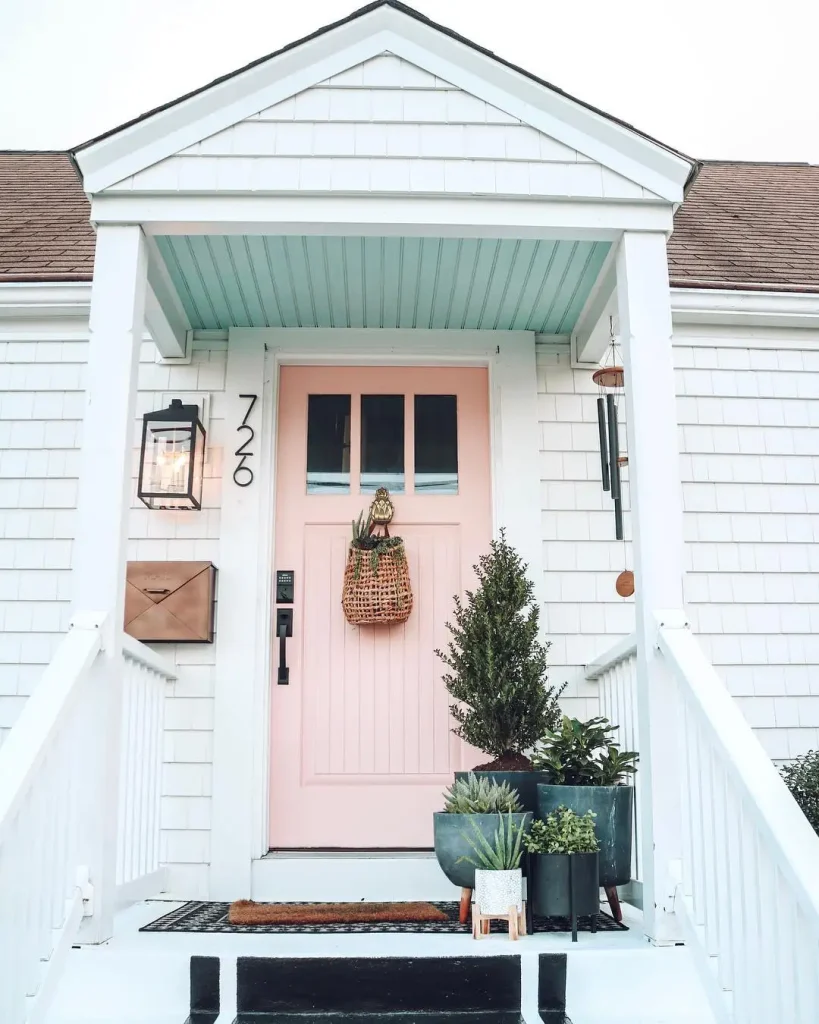
Credits: @nestingwithgrace
Your front porch ceiling deserves thoughtful design attention – it’s a key architectural element that sets the tone for your entire home’s exterior and creates that welcoming atmosphere that makes guests feel at home before they even ring the doorbell.
From classic haint blue traditions to modern wood installations and innovative lighting solutions, let’s explore front porch ceiling ideas that combine beauty with functionality.
Why Front Porch Ceilings Matter for Curb Appeal
Your front porch ceiling is prominently visible from the street, contributing significantly to your home’s first impression and overall curb appeal. A thoughtfully designed ceiling transforms a basic covered entry into an architectural statement that signals attention to detail.

Credits: @vivianaventers
Whether you choose painted beadboard for cottage charm, stained wood for rustic warmth, or striking haint blue for Southern tradition, your ceiling choice speaks volumes about your home’s character. For additional curb appeal strategies, explore our driveway entrance curb appeal guide.
The Timeless Appeal of Haint Blue
Haint blue – that distinctive soft, robin’s egg blue – represents one of the most iconic front porch ceiling traditions, particularly in the American South. This color carries historical significance, traditionally believed to ward off evil spirits while deterring wasps and other insects from building nests.

Credits: @benjaminmoore
Beyond folklore, haint blue creates stunning visual impact that extends the sky overhead, providing calming, welcoming atmospheres. The color pairs beautifully with white columns and trim, creating classic contrast that never goes out of style. See more porch ceilings ideas.
Classic White: Clean and Bright
White front porch ceilings remain timelessly popular for excellent reasons – they brighten covered entries, reflect maximum light, and complement virtually any exterior color scheme. Crisp white creates clean, fresh appearances that work equally well with traditional colonial homes and contemporary farmhouse designs.

Credits: @keelysversion
This versatile choice serves as a neutral backdrop that allows architectural details, lighting fixtures, and decorative elements to shine. White also makes porch ceilings feel higher and more spacious, particularly important in homes with lower rooflines.
Beadboard Ceiling Charm
Beadboard represents the quintessential front porch ceiling material, featuring narrow vertical planks with distinctive grooves that create subtle texture and cottage-style character. This traditional choice suits virtually any architectural style from Victorian to farmhouse, offering versatility that explains its enduring popularity.

Available in both solid wood and moisture-resistant vinyl or PVC composites, beadboard accommodates various budgets and maintenance preferences. The grooved pattern effectively hides minor imperfections while creating visual interest that plain surfaces cannot match. For comprehensive details, visit our beadboard ceiling guide.
Tongue and Groove Wood Planks
Tongue and groove wood planks create substantial visual impact with wider boards that showcase natural grain patterns and organic warmth. These planks typically range from 3-6 inches wide, creating rustic, architectural character perfect for craftsman, lodge, or farmhouse-style homes.

Popular species include pine, cedar, and cypress, chosen for their natural rot resistance and beautiful aging characteristics. The material can be left natural to develop silvery gray patinas, stained to emphasize grain, or painted for cleaner appearances. Learn more in our tongue and groove ceiling guide.
Shiplap for Modern Farmhouse Style
Shiplap brings contemporary farmhouse style to front porch ceilings with its distinctive horizontal planks and visible gaps between boards. This material creates clean, linear patterns that feel both rustic and refined, perfectly complementing modern farmhouse and coastal design schemes.

Shiplap can be painted white for classic appeal or stained for warmer tones that add organic character. The horizontal installation makes front porches appear wider and more expansive. Check our shiplap ceiling ultimate guide for detailed installation tips.
Natural Wood Stain Finishes
Stained wood ceilings showcase the natural beauty of wood grain while adding warmth and organic character to front entries. Light honey stains create casual, beachy vibes, while rich walnut or mahogany tones deliver sophisticated elegance that complements traditional architecture.

Natural wood finishes pair beautifully with stone columns, brick exteriors, and rustic furniture. They create cohesive outdoor entries that feel like natural extensions of interior living spaces. The warm tones work particularly well on homes with earth-tone exteriors.
Bold Painted Color Statements
For homeowners seeking unique personality beyond traditional blue or white, painted front porch ceilings in unexpected colors create memorable first impressions. Soft grays offer modern sophistication, sage greens connect to surrounding landscapes, and even dramatic blacks create contemporary contrast on the right homes.

Credits: @ourgatheredcottage
When choosing bold colors, consider how they’ll appear in different lighting conditions throughout the day. Ensure colors complement your home’s overall exterior palette, siding color, and trim details for cohesive results that enhance rather than clash.
Adding Architectural Interest with Beams
Incorporating exposed beams adds architectural dimension and rustic character to front porch ceilings. Natural wood beams create warmth and visual rhythm, breaking up large ceiling expanses into more human-scaled sections that feel intentional and designed.

These structural elements work particularly well with tongue and groove or shiplap between beams, creating layered depth. Beams can match ceiling material for subtle definition or contrast dramatically with painted surfaces. For inspiration, visit our wood beams on ceiling ideas guide.
Coffered Ceiling Elegance
Coffered ceilings bring formal elegance to front porches with their recessed panels and geometric patterns. This upscale treatment works beautifully on traditional homes where architectural detail is paramount, creating sophisticated entries perfect for formal Colonial or Victorian architecture.

While more expensive than basic beadboard, coffered ceilings create impressive first impressions that significantly boost curb appeal. The dimensional depth catches eye attention and signals quality craftsmanship. Learn more in our coffered ceiling ideas collection.
Lighting Integration for Front Porches
Recessed Can Lights
Recessed lighting provides clean, unobtrusive illumination that maintains the ceiling’s visual simplicity while delivering functional light for evening arrivals. Space fixtures strategically to eliminate shadows near the front door and create even coverage across the porch area.
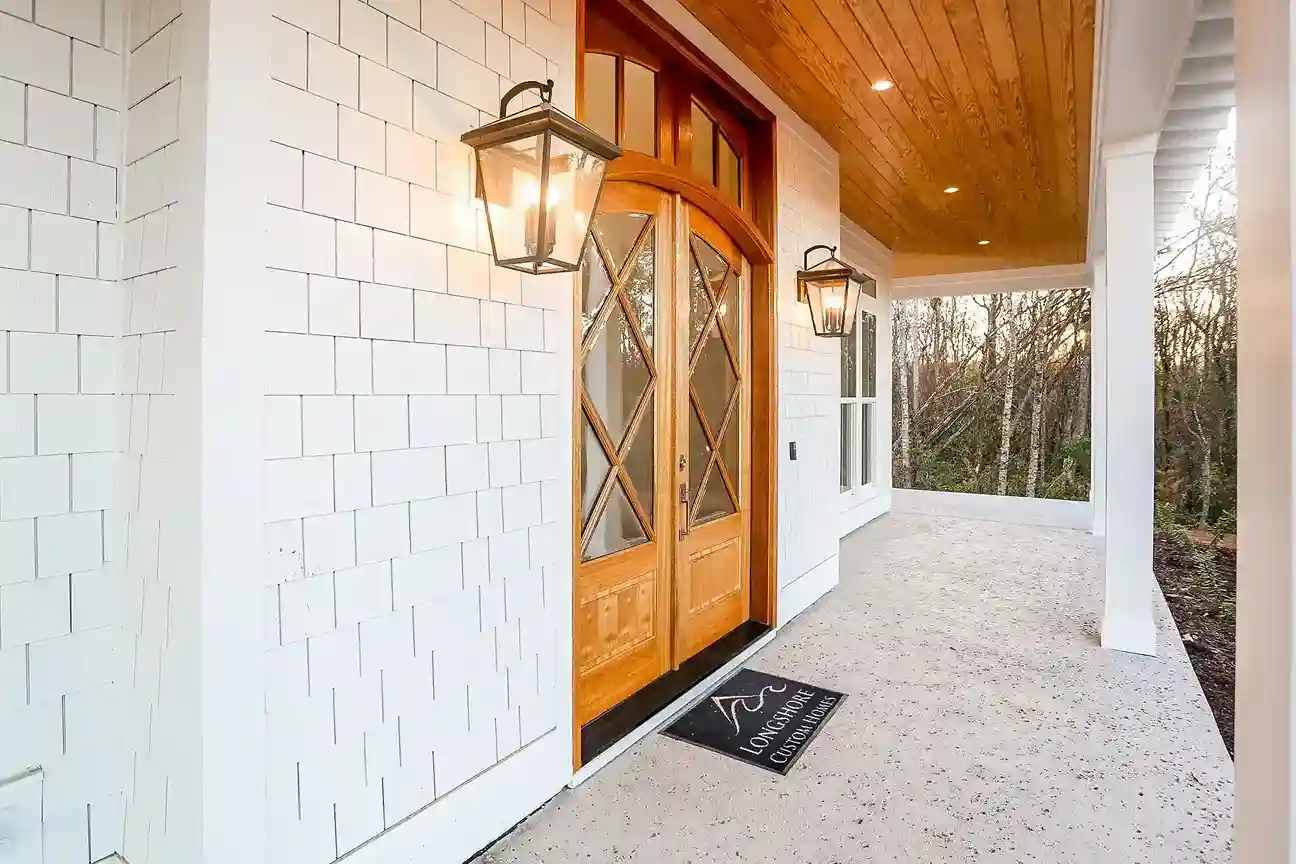
Credits:@longshorecustomhomes
LED options offer energy efficiency and long lifespan, reducing maintenance needs in hard-to-reach ceiling locations. Dimmable LED recessed lights allow you to adjust brightness for different occasions.
Pendant Lights and Lanterns
Statement pendant lights or hanging lanterns create focal points while providing ambient illumination that welcomes guests home. Hang fixtures at appropriate heights to avoid head bumps while creating visual drama that’s visible from the street.

Credits:@jeffherrphoto
Choose weather-rated fixtures designed for outdoor use, and consider styles that complement your home’s architectural character. Traditional lanterns suit colonial homes, while modern pendants enhance contemporary designs. Explore options in our guide to ceiling lights.
Flush Mount Fixtures
Flush mount ceiling lights work well on lower front porch ceilings where hanging fixtures would feel cramped or create safety hazards. Modern designs offer substantial style despite their low-profile installation, with options ranging from traditional lantern styles to contemporary geometric shapes.
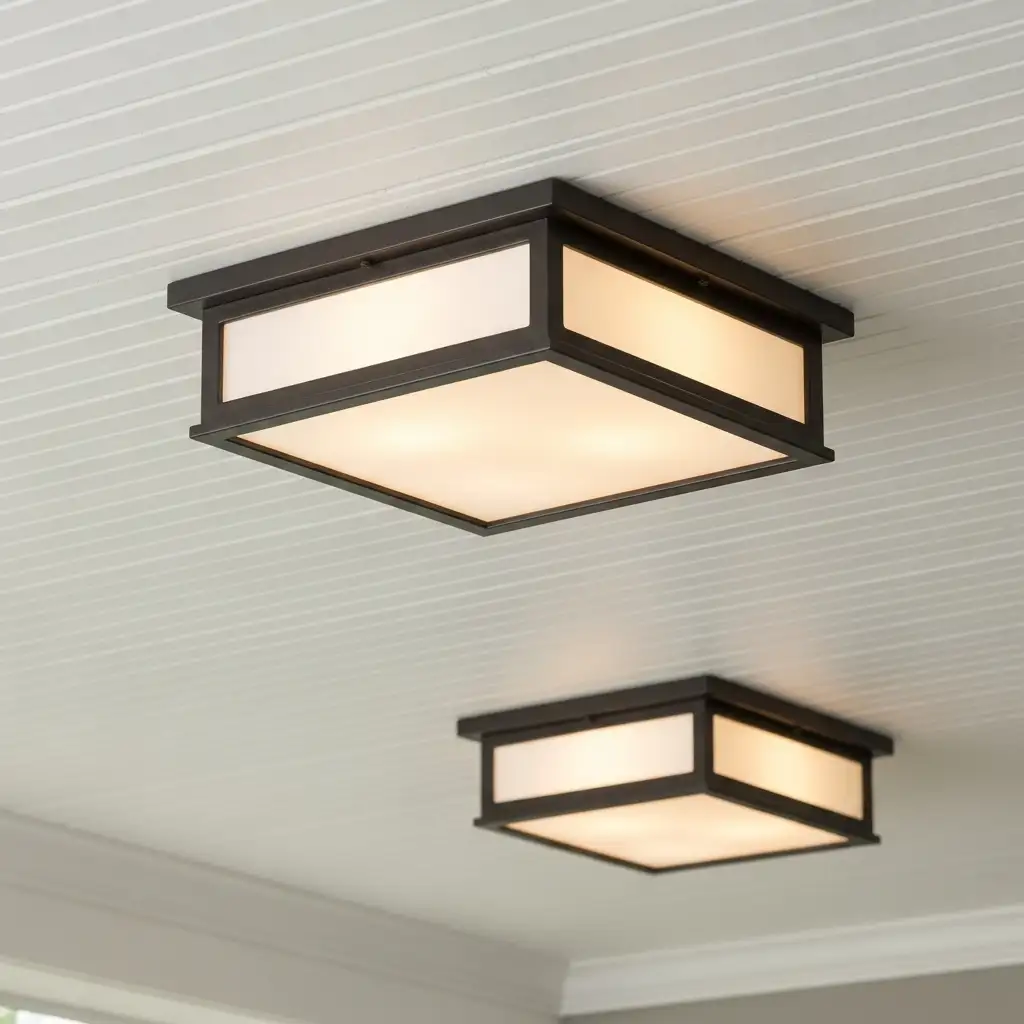
These fixtures provide necessary illumination without compromising headroom or visual flow. Visit our flush mount ceiling light ideas for inspiration.
Material Durability and Weather Resistance
Front porch ceilings must withstand rain, humidity, temperature fluctuations, and UV exposure, making material selection critical for longevity. Choose materials specifically rated for exterior use or covered outdoor applications that resist moisture, mold, and insect damage.
Vinyl and PVC products offer superior moisture resistance compared to wood, requiring virtually no maintenance while resisting warping and rot. If choosing wood, select naturally rot-resistant species like cedar or cypress, and apply appropriate exterior-grade paints or sealers immediately after installation.
Proper Ventilation Considerations
Proper ventilation prevents moisture accumulation that can lead to mold, mildew, and premature deterioration of ceiling materials. Ensure your front porch ceiling allows adequate airflow, particularly in humid climates or on fully enclosed porches where air circulation is limited.
Vented soffit materials or strategic gaps in ceiling installation promote air circulation while maintaining finished appearances. Consult with contractors about ventilation requirements specific to your climate and porch configuration.
Matching Ceiling to Home Architecture
Traditional and Colonial Homes
Traditional homes benefit from painted beadboard in classic white or soft haint blue, creating timeless appeal that honors historical architectural roots. Add optional coffered details for increased elegance that matches formal styling.

Credits: @squiresfarmhouseliving
Symmetrical lighting placement and classic fixtures like lanterns complete the refined aesthetic. Keep color schemes restrained with whites, creams, or traditional blues that complement colonial color palettes.
Farmhouse Style Porches
Farmhouse porches embrace painted beadboard or shiplap ceilings in white, cream, or soft colors, often paired with exposed wood beams for rustic charm. Natural wood stains also work beautifully, adding organic warmth that complements farmhouse character.

Credits: @housepitalitydesigns
Add hanging ferns, rocking chairs, and vintage lighting fixtures to complete the welcoming aesthetic. For comprehensive farmhouse design guidance, visit our farmhouse living room ideas which translate beautifully to porch spaces.
Coastal and Beach House Entries
Coastal front porches favor light, airy aesthetics with white or haint blue ceilings that echo sky and water. Tongue and groove in weathered finishes or painted white creates relaxed, vacation-inspired atmospheres that welcome beach living.

Pair with natural fiber elements, wicker furniture accents, and nautical-inspired lighting for complete coastal charm. Light colors keep entries feeling fresh and breezy regardless of climate.
Modern and Contemporary Homes
Contemporary front porches embrace clean lines with stained wood planks, smooth painted surfaces in grays or blacks, or even concrete for industrial appeal. Integrated LED lighting and minimalist fixtures complement modern architecture without fussy details.

Keep color palettes restrained with blacks, grays, or natural wood tones that emphasize form over ornament. Horizontal shiplap installation enhances modern aesthetics while maintaining warmth.
Budget-Friendly Front Porch Ceiling Updates
Paint Existing Surfaces
The most affordable update involves simply painting existing front porch ceilings. A fresh coat of haint blue, white, or another chosen color dramatically transforms appearance for minimal investment requiring only quality exterior paint and basic tools.
Properly prepare surfaces by cleaning, scraping loose paint, and priming bare wood for lasting results. Choose exterior-grade paint with mildew resistance for durability.
Vinyl Beadboard Panels
Vinyl beadboard offers authentic appearance at lower cost than wood with virtually no maintenance requirements. Panels install quickly over existing surfaces, making this an excellent DIY weekend project that delivers professional-looking results.
Choose from various widths and groove patterns to match your home’s architectural style. The moisture resistance makes vinyl ideal for porches receiving rain exposure.
Basic Wood Planks
Pine or pressure-treated lumber provides affordable alternatives to premium species when properly sealed and painted. While requiring more maintenance than vinyl, wood delivers authentic character at budget-friendly prices under $3 per square foot for materials.
Paint or stain immediately after installation to maximize durability and weather resistance. This approach works well for DIYers comfortable with basic carpentry.
Maintenance and Long-Term Care
Different materials demand varying maintenance levels that affect long-term costs and time investment. Wood ceilings require periodic inspection for rot, insect damage, or paint failure, with repainting or restaining every 5-10 years depending on exposure and climate conditions.
Vinyl and PVC materials need only occasional washing with mild soap and water to maintain appearance and prevent mildew buildup. Establish a maintenance schedule that includes cleaning, inspecting fasteners and caulking, and addressing any damage promptly to prevent minor issues from becoming major problems.
Frequently Asked Questions
What is the best color for a front porch ceiling?
The best front porch ceiling color depends on your home’s architectural style and personal preference, though white and haint blue remain most popular. White brightens entries, reflects maximum light, and complements any exterior color scheme. Haint blue creates distinctive Southern charm while providing calming atmosphere and potentially deterring insects. Both colors enhance curb appeal while maintaining timeless appeal that won’t feel dated.
Why do people paint porch ceilings blue?
People paint porch ceilings blue following a Southern tradition where the soft blue color (haint blue) was believed to ward off evil spirits and deter insects from nesting. While scientific evidence for insect deterrence remains debatable, the tradition endures due to the color’s undeniable aesthetic appeal creating serene, sky-like atmospheres. The color also provides beautiful contrast against white trim and columns while connecting outdoor spaces visually to the sky above.
What material is best for a front porch ceiling?
The best front porch ceiling material balances durability, maintenance requirements, and aesthetic preferences. Vinyl or PVC beadboard offers maximum durability and minimal maintenance, ideal for humid climates. Natural wood like cedar or tongue and groove pine provides authentic character but requires periodic refinishing. For covered porches with minimal weather exposure, painted wood delivers classic beauty at moderate cost. Consider your climate, maintenance tolerance, and desired aesthetic when selecting materials.
How much does it cost to install a front porch ceiling?
Front porch ceiling installation typically costs $3-$12 per square foot depending on materials, labor, and project complexity. Basic vinyl beadboard DIY installations may cost just $3-$5 per square foot for materials, while professional installation of premium wood with integrated lighting can exceed $12-$15 per square foot. A typical 100 square foot front porch ceiling might cost $300-$1,500 total. Factors affecting cost include material choice, ceiling height and accessibility, existing ceiling removal requirements, and whether you hire professionals or DIY.
Conclusion: Creating a Welcoming Front Entry
Your front porch ceiling represents a valuable opportunity to enhance curb appeal, express personal style, and create welcoming entries that make powerful first impressions. Whether you choose classic beadboard in timeless white, embrace Southern tradition with haint blue, or install dramatic wood planks with exposed beams, the right ceiling treatment transforms basic covered porches into architectural statements.
Consider your home’s architectural style, local climate, maintenance preferences, and budget when selecting materials and designs. Start with durable, weather-appropriate materials that will protect your investment for years, then layer in personal touches through color choices and lighting fixtures.
For additional exterior inspiration, explore our guides to outdoor Christmas decorations, christmas lights exterior house ideas, and home entryway ideas that create cohesive designs from porch to interior. The most successful front porch ceilings balance aesthetic appeal with practical durability, creating spaces that look beautiful while withstanding the elements season after season.