
Is wood flooring the right choice for your home renovation project? Are you overwhelmed by the countless options available in today’s market, from solid hardwood to engineered planks, and uncertain about which type best suits your lifestyle and budget? Choosing the perfect wood flooring involves understanding not just aesthetic preferences but also practical considerations like durability, maintenance requirements, and long-term value.
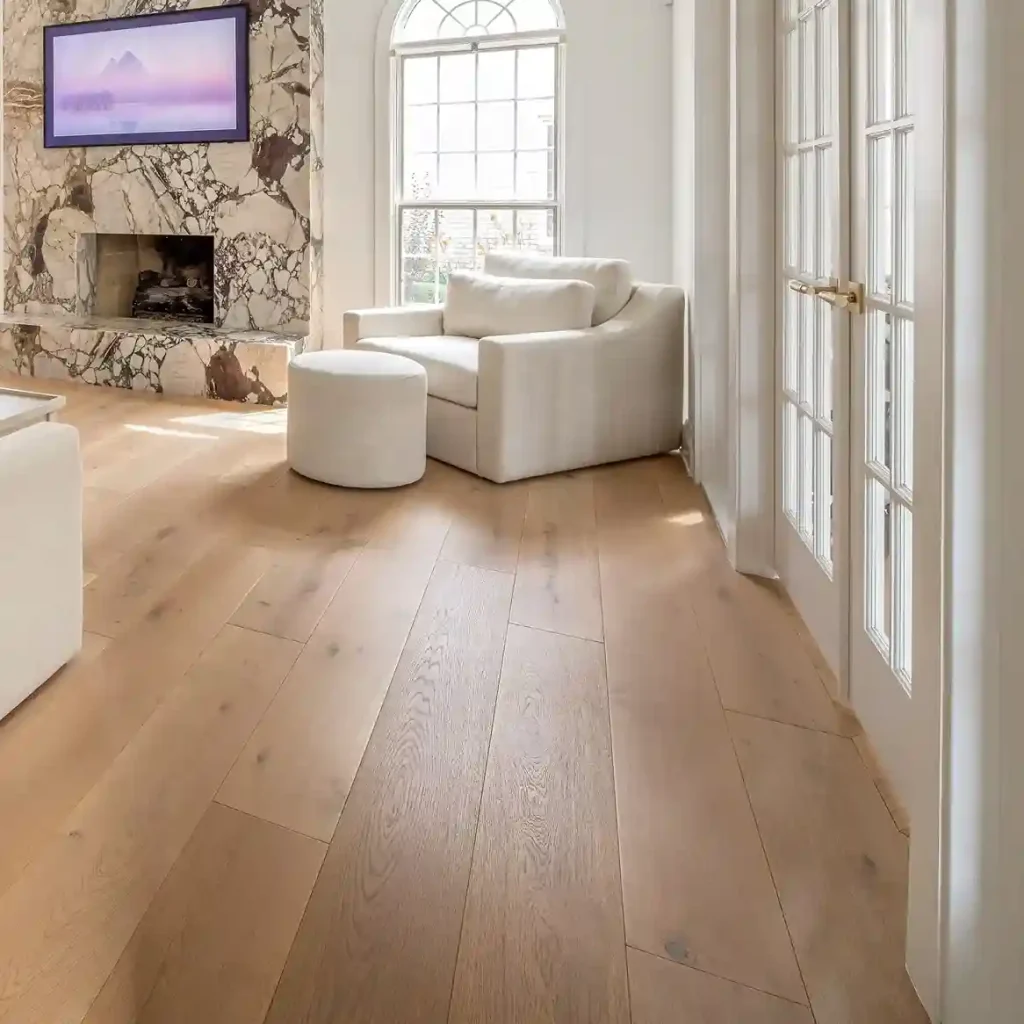
Wood flooring has remained one of the most sought-after home improvement investments for centuries, and for good reason. Beyond its undeniable beauty and timeless appeal, wood floors offer durability, increase property value, and provide versatility that complements virtually any interior design style. Whether you’re building a new home, renovating an older property, or simply updating a single room, understanding the nuances of wood flooring options, installation methods, and maintenance requirements will help you make an informed decision that you’ll appreciate for decades to come.
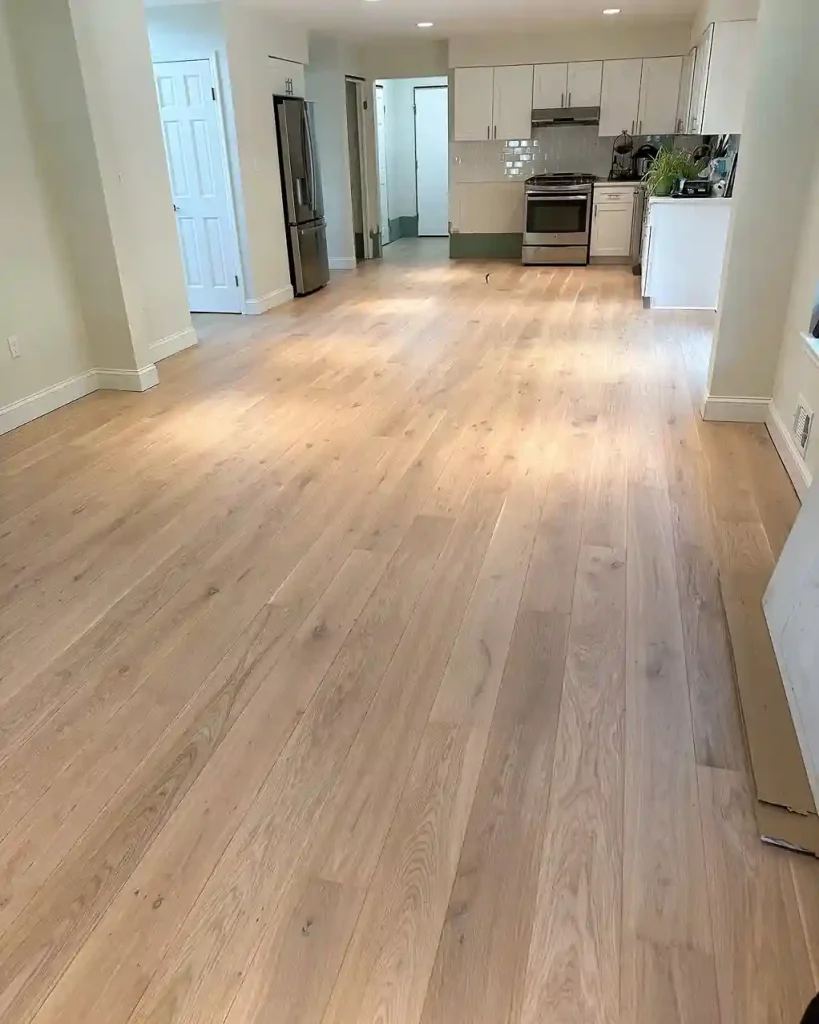
Credits: @michaelphillipscustomhardwood
Types of Wood Flooring: Understanding Your Options
Solid Hardwood Flooring
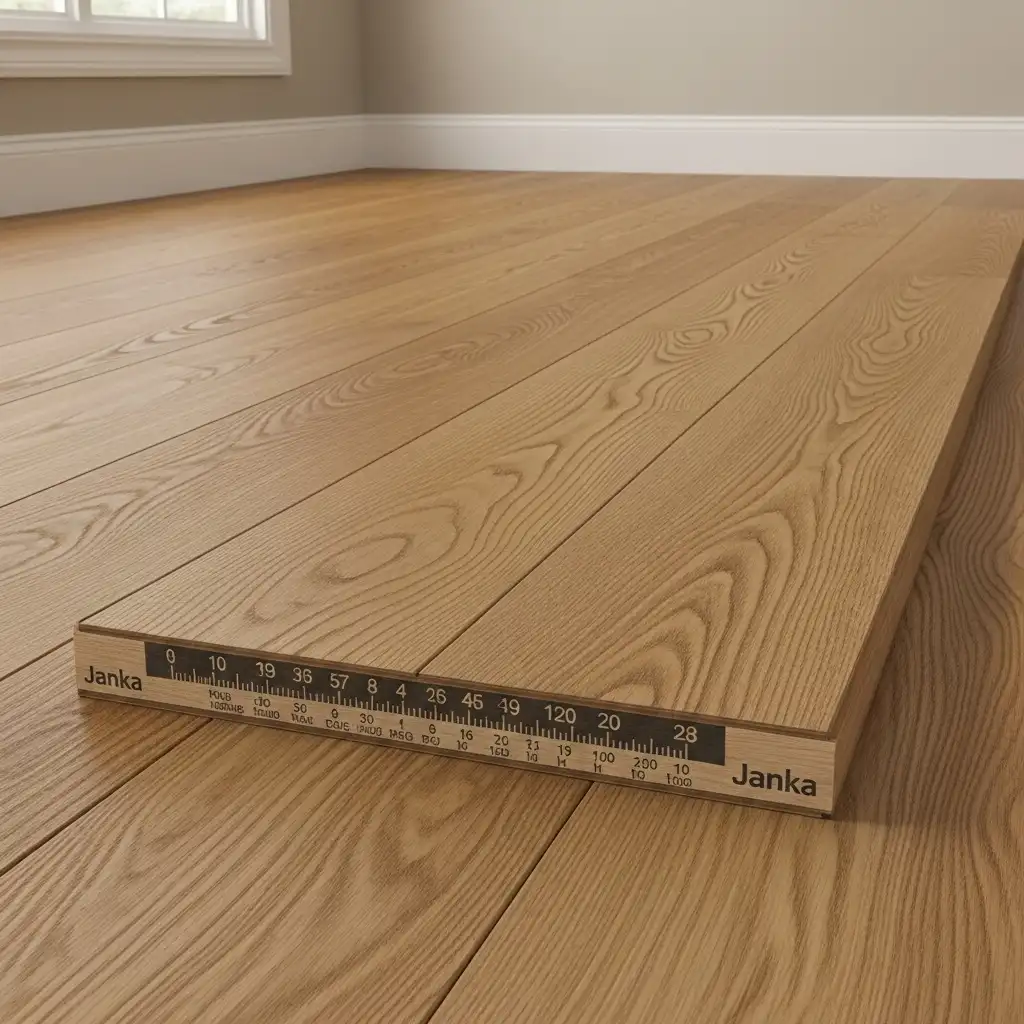
Solid hardwood flooring consists of planks milled from a single piece of timber, typically three-quarters of an inch thick. This traditional flooring option offers unmatched authenticity and can be refinished multiple times throughout its lifespan, potentially lasting over a century with proper care. Popular wood species include oak, maple, cherry, walnut, and hickory, each offering distinct grain patterns, color variations, and hardness levels measured on the Janka scale.
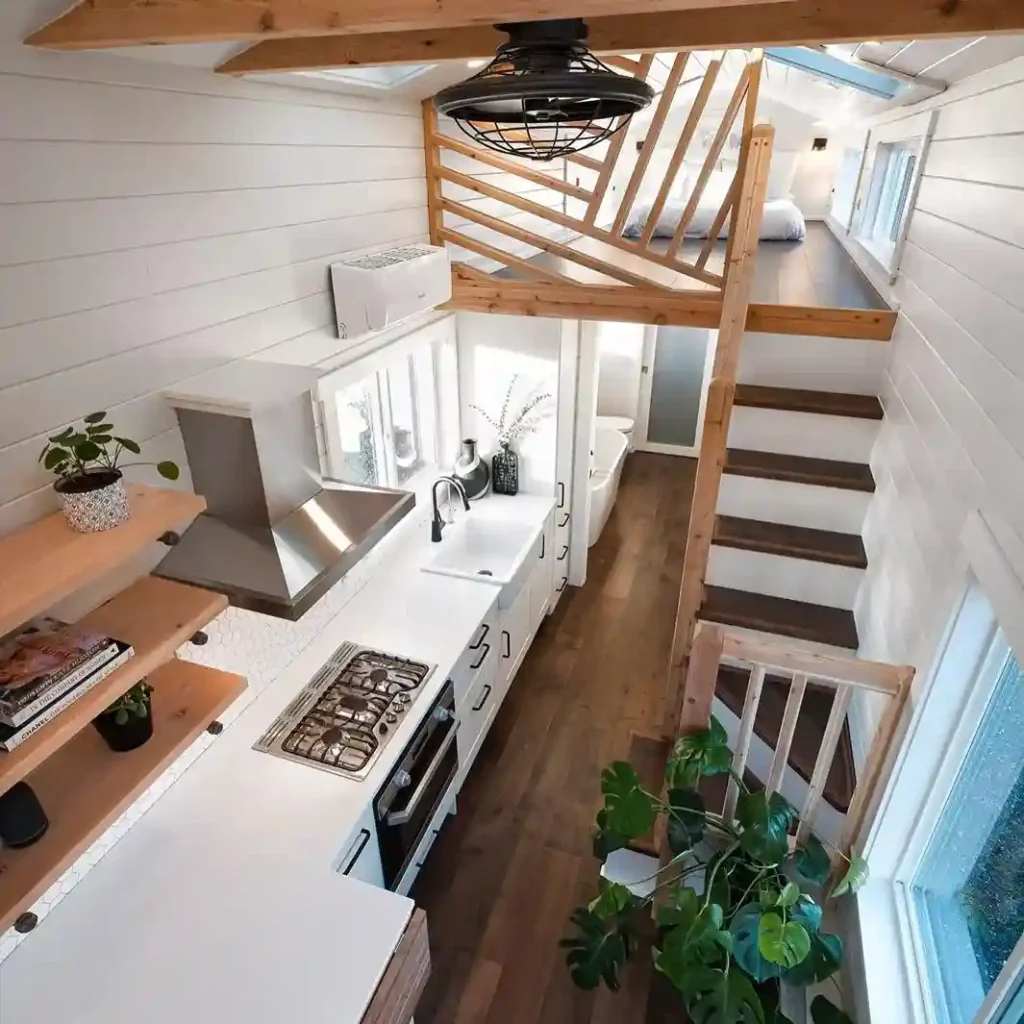
The primary advantage of solid hardwood is its longevity and refinishing potential. Most solid hardwood floors can be sanded and refinished five to seven times, allowing you to change stain colors or repair surface damage without replacing the entire floor. However, solid hardwood is susceptible to moisture and temperature fluctuations, making it unsuitable for basements, bathrooms, or areas with high humidity. It also requires acclimation to your home’s environment before installation to prevent warping or gapping after installation.
Engineered Hardwood Flooring
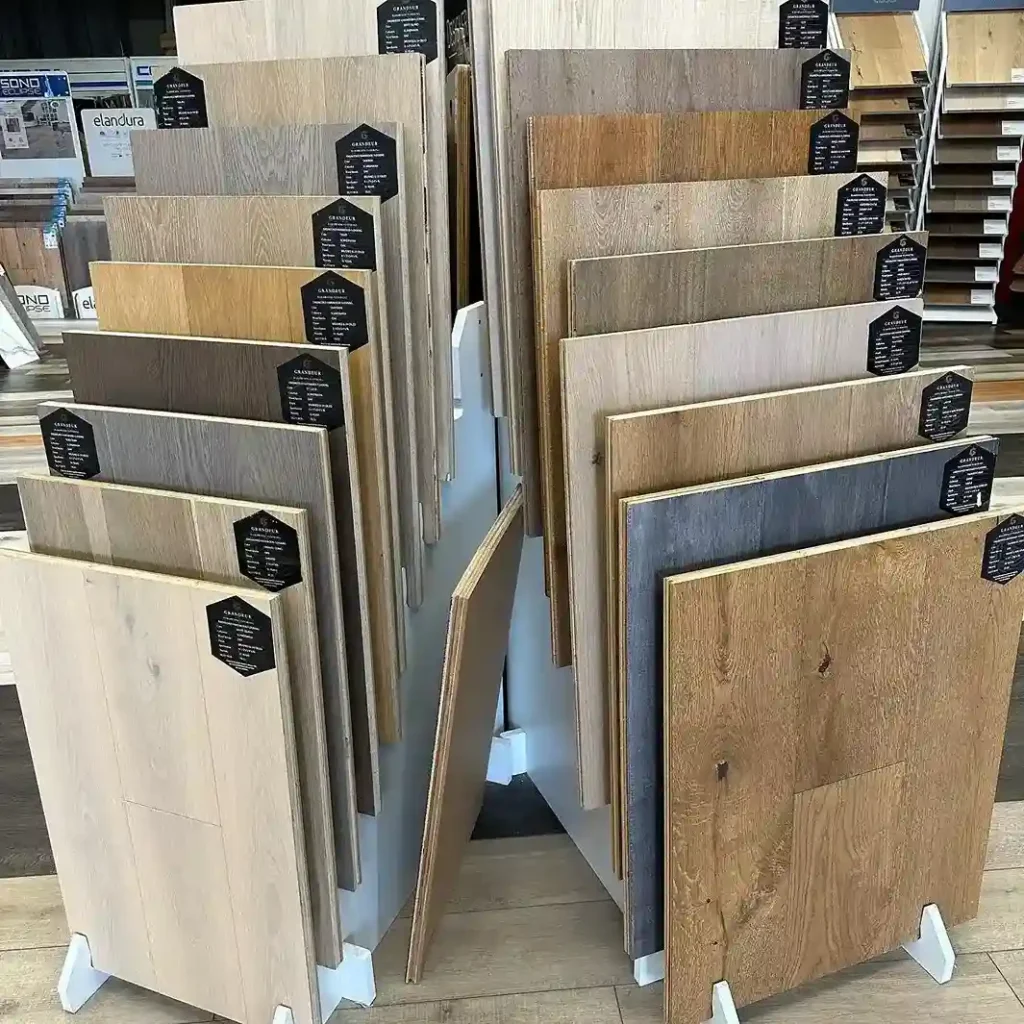
Credits: @kaplanflooringcanada
Engineered hardwood consists of multiple layers of wood pressed together, with a top layer of genuine hardwood veneer bonded to a core of plywood or high-density fiberboard. This construction method creates a more dimensionally stable product that resists warping and can be installed in areas where solid hardwood would fail, including basements and over radiant heating systems.

Credits: @homeonthehey
Modern engineered hardwood offers impressive quality, with top wear layers ranging from two to six millimeters thick, allowing for refinishing depending on the thickness. The multilayer construction also makes engineered hardwood more environmentally friendly by using less premium hardwood per plank. While generally more affordable than solid hardwood, high-quality engineered options with thick wear layers can approach solid hardwood pricing while offering superior moisture resistance and installation versatility.
Reclaimed and Vintage Wood Flooring
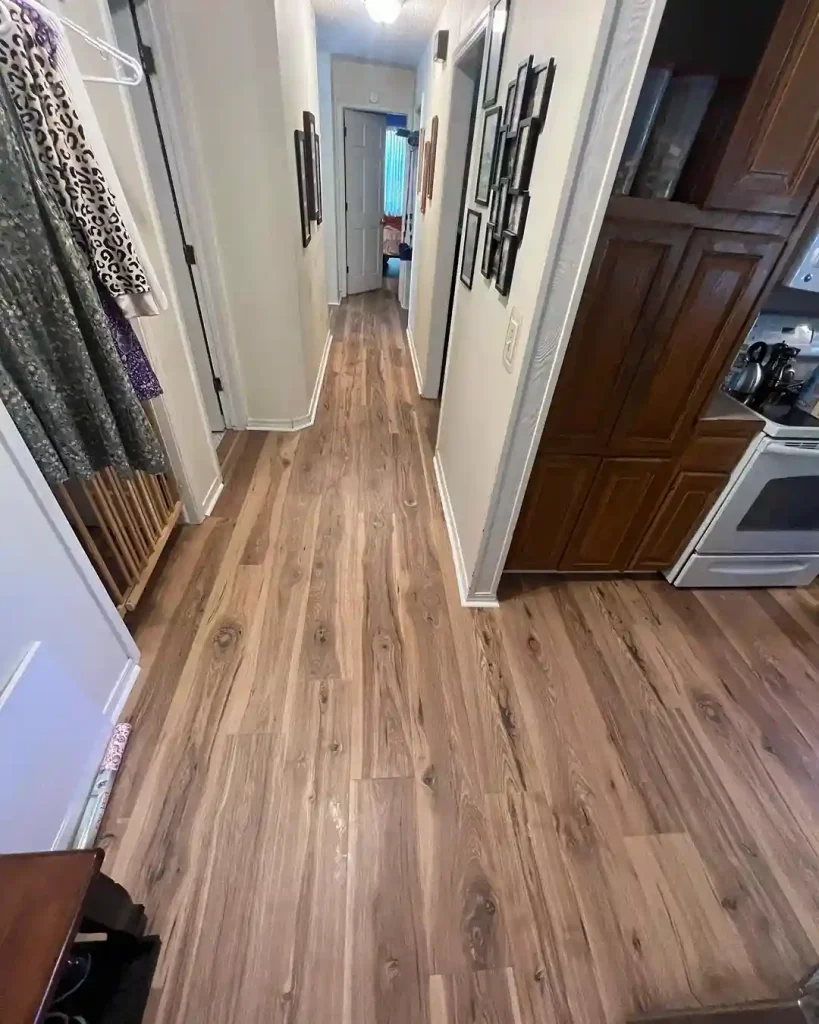
Credits: @kingsfloorcoveringinc
Reclaimed wood flooring sourced from old barns, factories, or demolished buildings offers unique character with weathered patinas, nail holes, and saw marks that tell a story. This eco-friendly option reduces demand for newly harvested timber while providing one-of-a-kind aesthetics impossible to replicate with new materials. Reclaimed wood often comes from old-growth forests, offering superior density and stability compared to modern lumber.
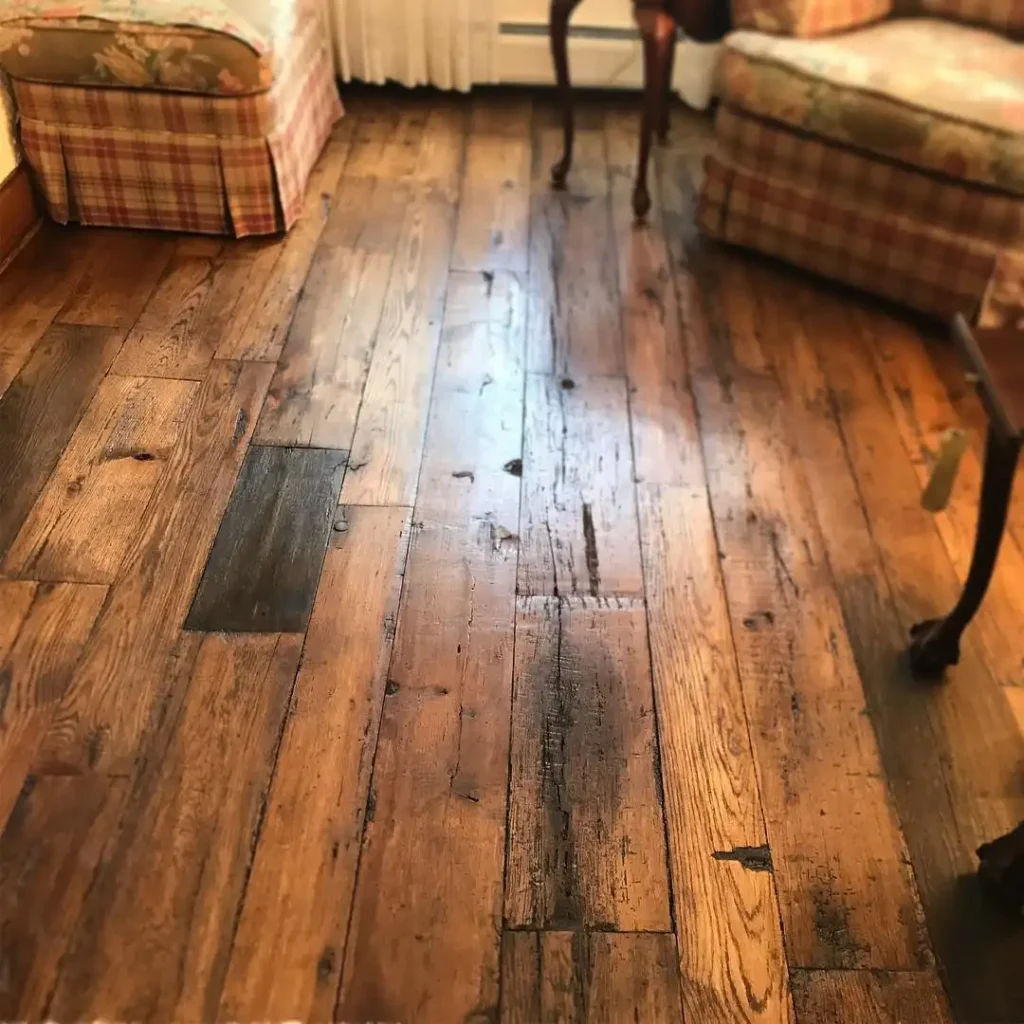
Credits: @realantiquewoodmill
However, reclaimed flooring requires careful inspection for hidden nails, termite damage, or structural issues. Professional installation is typically recommended due to varying plank dimensions and potential complications. Prices vary widely depending on wood species, age, and condition, sometimes exceeding premium new hardwood costs. The investment delivers unmatched character and environmental benefits while supporting sustainable building practices.
Popular Wood Species and Their Characteristics
Oak Flooring: The Classic Choice
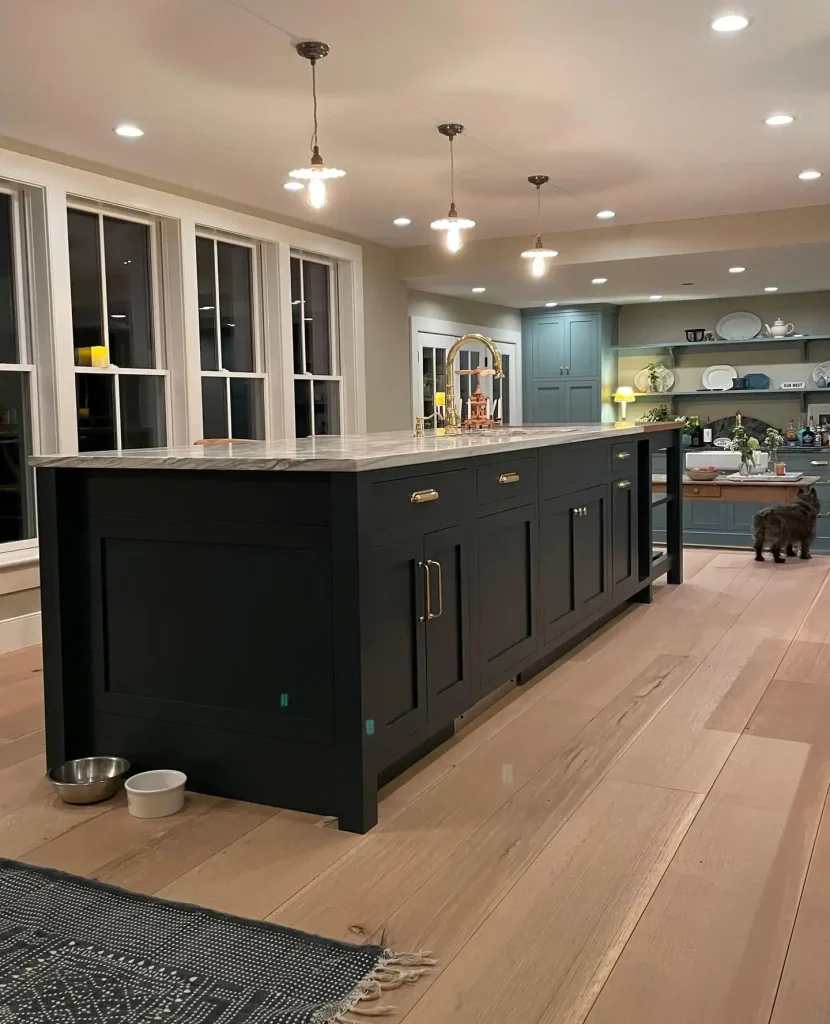
Credits: @vermontplankflooring
Oak remains the most popular hardwood flooring choice in North America, available in red and white varieties. Red oak features warm, pinkish undertones with prominent grain patterns, while white oak offers cooler, more neutral tones with subtler graining. Both species offer excellent durability with Janka hardness ratings around 1,290 (red oak) and 1,360 (white oak), making them suitable for high-traffic areas.
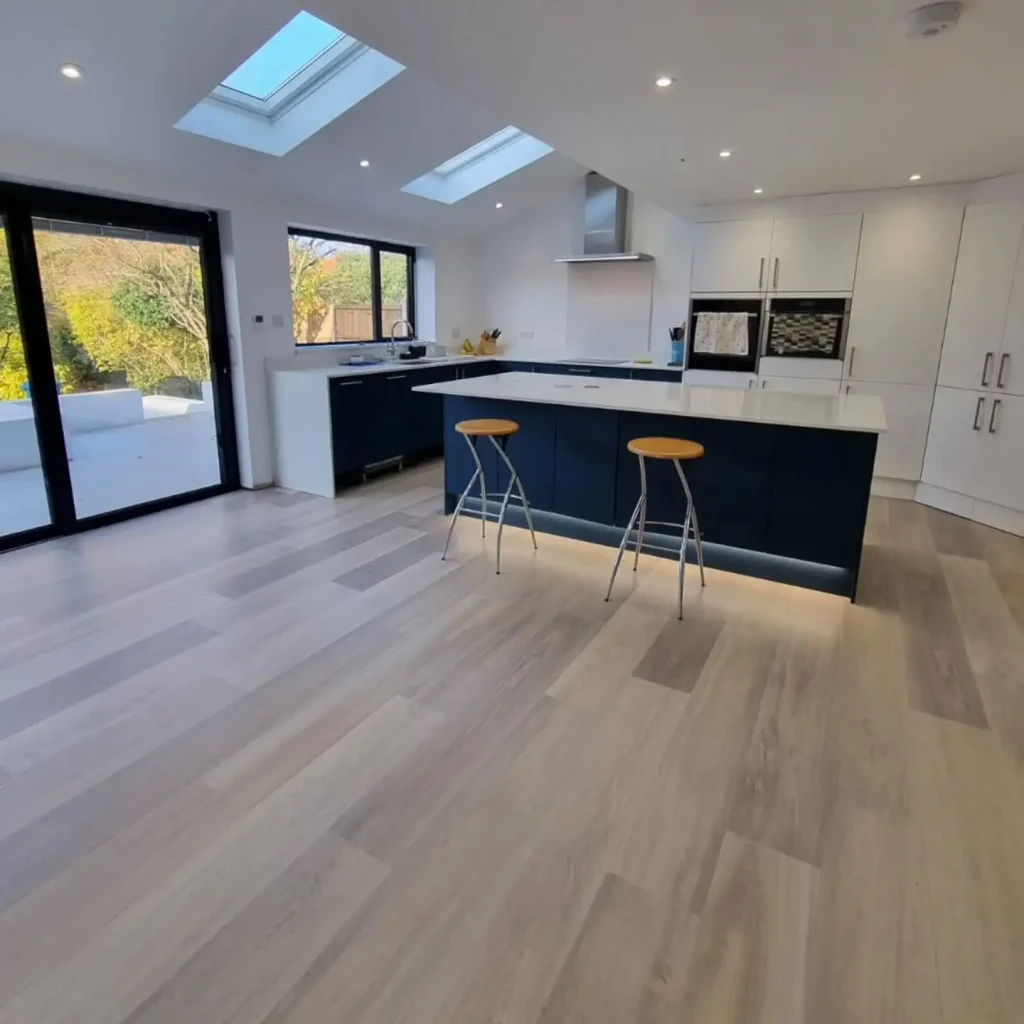
Credits: @rgs_flooringspecialists
Oak’s widespread availability keeps costs moderate compared to exotic species, and its open grain pattern accepts stains beautifully, allowing for extensive color customization. The wood’s forgiving nature makes it ideal for DIY refinishing projects, and its timeless appeal ensures it never goes out of style. Whether you prefer traditional or contemporary aesthetics, oak flooring adapts seamlessly, making it a safe investment that appeals to future homebuyers.
Maple Flooring: Smooth and Contemporary
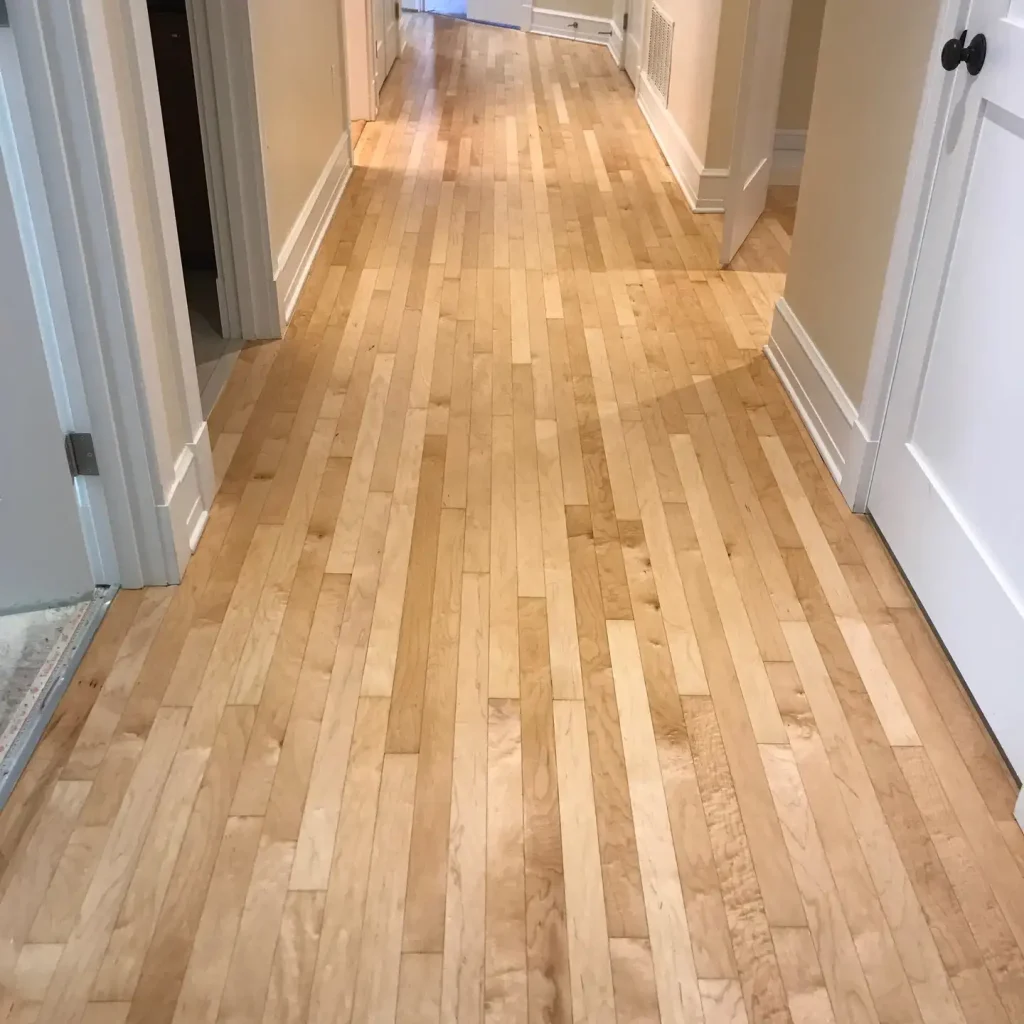
Credits: @the_pasquale_floors
Maple hardwood offers a smooth, consistent grain pattern with subtle color variations ranging from nearly white to light amber tones. With a Janka rating of 1,450, maple is harder than oak, providing excellent resistance to dents and scratches in busy households. Its light, uniform appearance creates a clean, contemporary look that brightens spaces and complements modern design schemes.
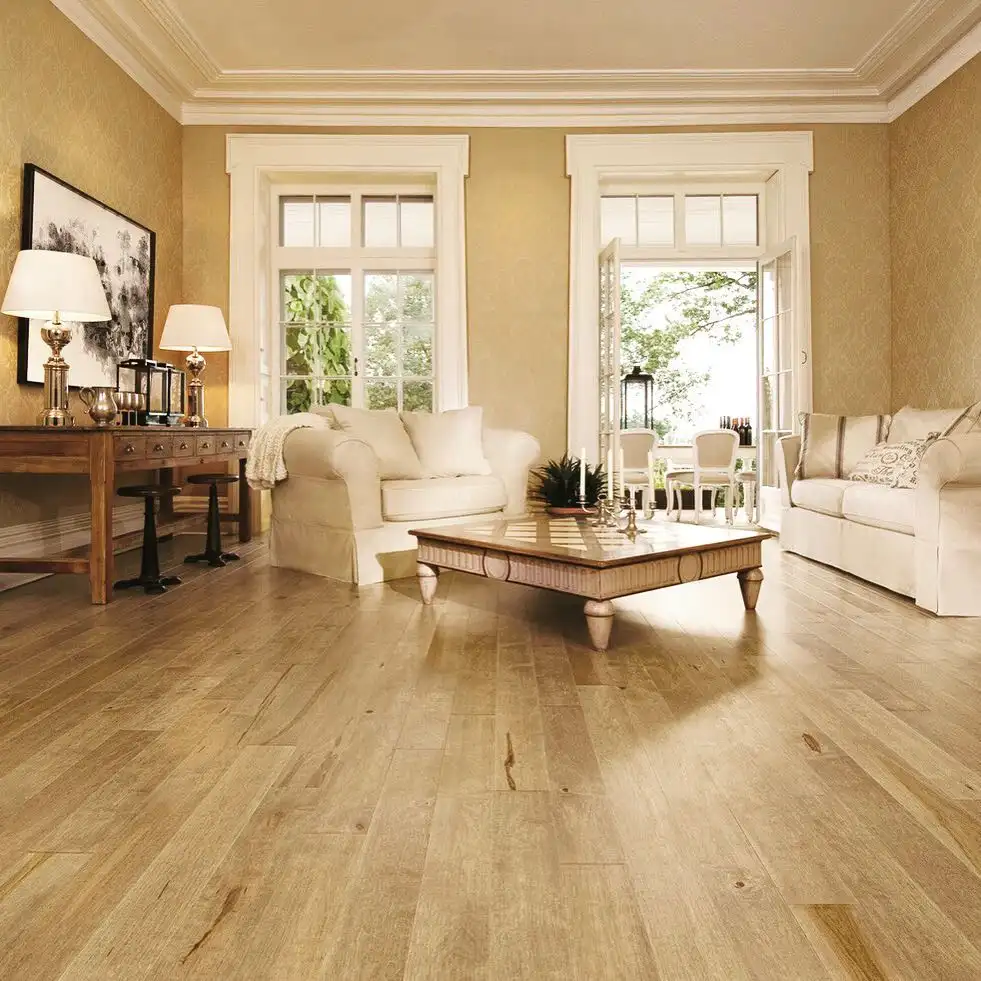
Credits: @cqflooring
However, maple’s tight grain makes it less receptive to staining than oak, sometimes resulting in blotchy appearance if attempting dramatic color changes. Many homeowners opt for clear finishes that showcase maple’s natural beauty or light stains that enhance rather than transform its appearance. Maple’s hardness, while beneficial for durability, can make it more challenging to install and may cause dulling of cutting tools during milling.
Walnut Flooring: Rich and Luxurious
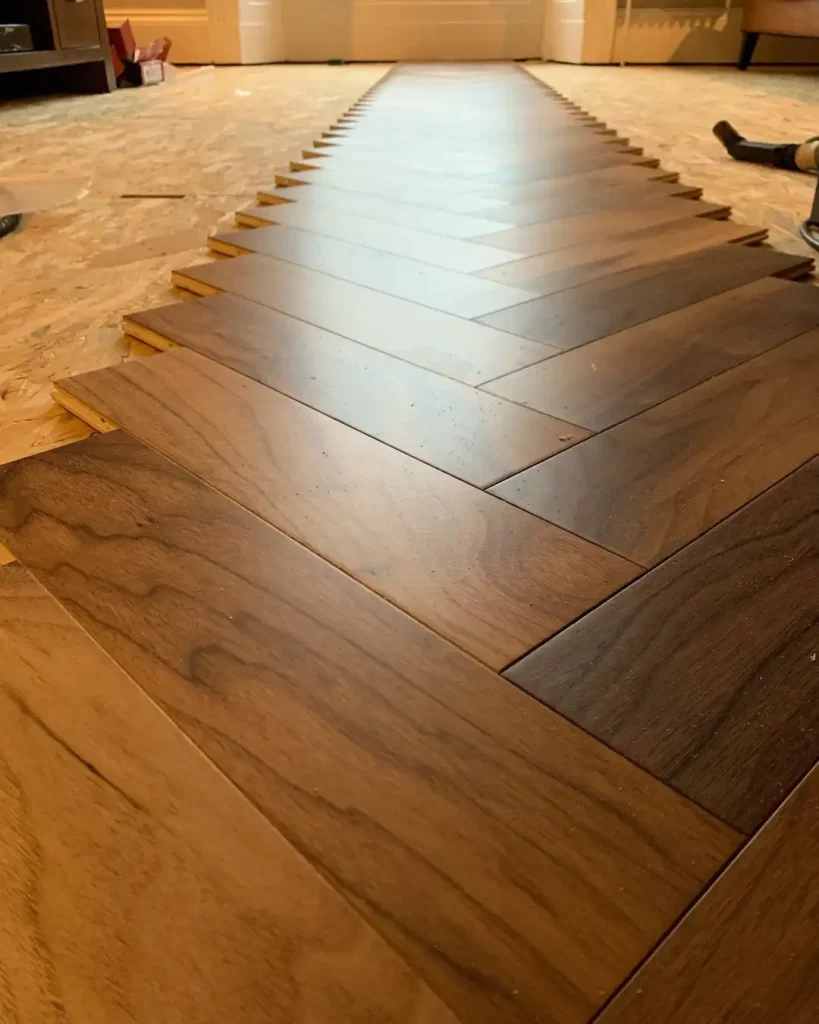
Credits: @hoffparquet
American walnut delivers sophisticated, chocolate-brown tones with rich grain patterns that add instant luxury to any space. Despite its softer Janka rating of 1,010, walnut remains sufficiently durable for residential applications when properly maintained. Its naturally dark coloration eliminates the need for staining, and its distinctive appearance makes it a designer favorite for high-end installations.
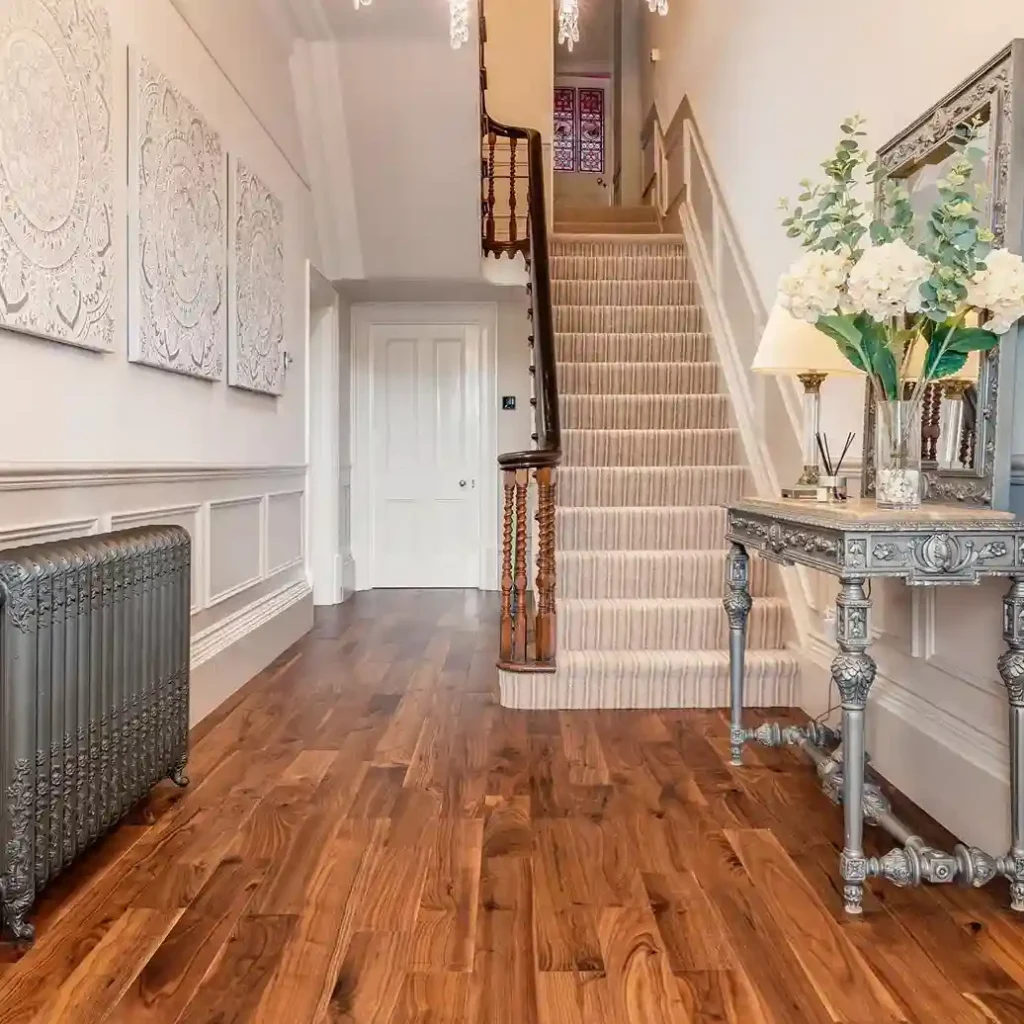
Credits: @v4woodflooring
Walnut’s premium pricing reflects its relative scarcity and slow growth rate compared to more common species. The wood’s natural oils provide some moisture resistance, and its color actually deepens with age and light exposure, developing more character over time. Walnut pairs beautifully with both traditional and ultra-modern design schemes, offering versatility that justifies its higher investment for discerning homeowners.
Exotic Wood Species
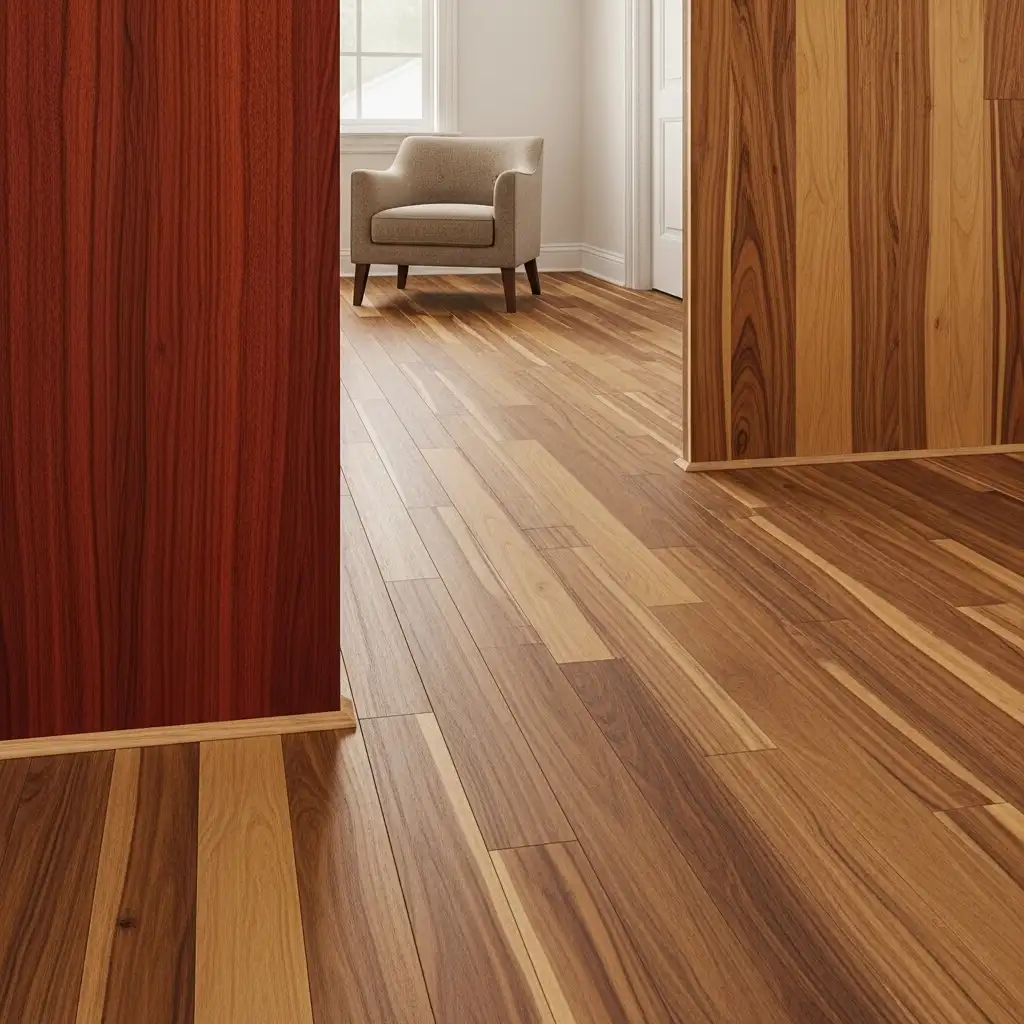
Exotic hardwoods like Brazilian cherry, teak, mahogany, and bamboo offer unique colors, extreme hardness, and distinctive grain patterns unavailable in domestic species. Many exotic options exceed 2,000 on the Janka scale, providing exceptional durability for commercial applications or high-traffic residential areas. These species often feature striking color variations, from the deep reds of Brazilian cherry to the golden tones of teak.
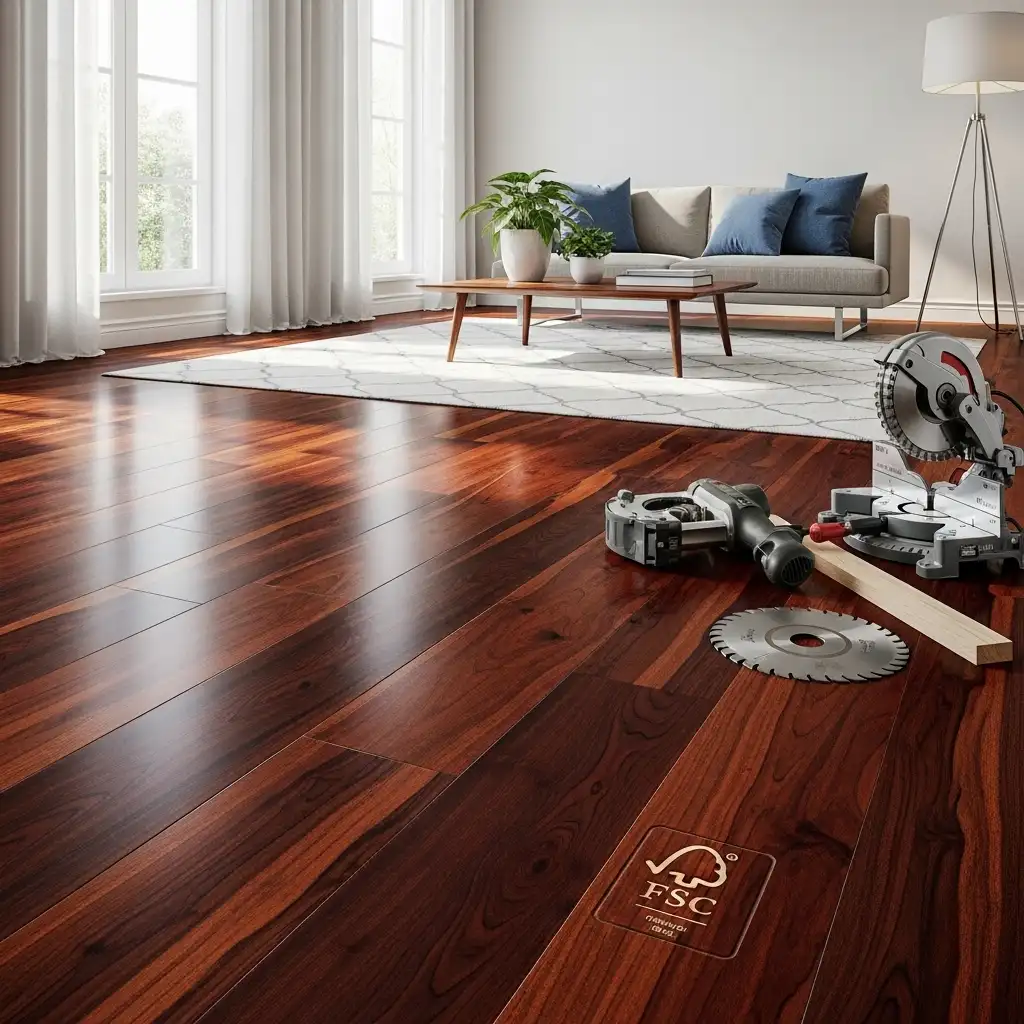
Consider environmental implications when choosing exotic woods, ensuring products carry Forest Stewardship Council (FSC) certification indicating sustainable harvesting practices. Exotic species typically cost significantly more than domestic options due to import expenses and limited availability. Their extreme hardness can also complicate installation, requiring specialized tools and experienced installers to achieve professional results.
Wood Flooring Finishes and Surface Treatments
Polyurethane Finishes
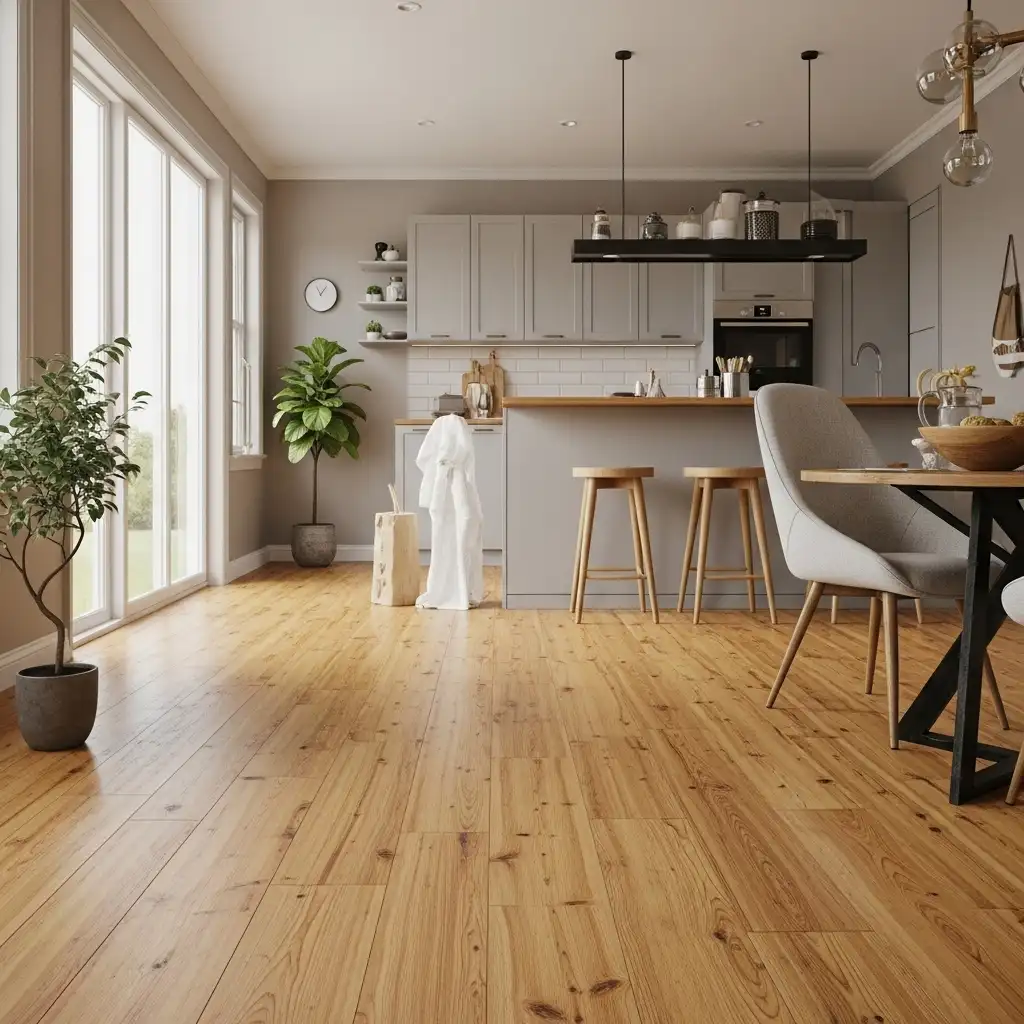
Polyurethane remains the most common protective coating for wood floors, available in oil-based and water-based formulations. Oil-based polyurethane provides a warm amber glow that enhances wood’s natural color while offering exceptional durability and scratch resistance. However, it requires longer drying times, produces strong odors during application, and yellows over time, particularly noticeable on lighter wood species.
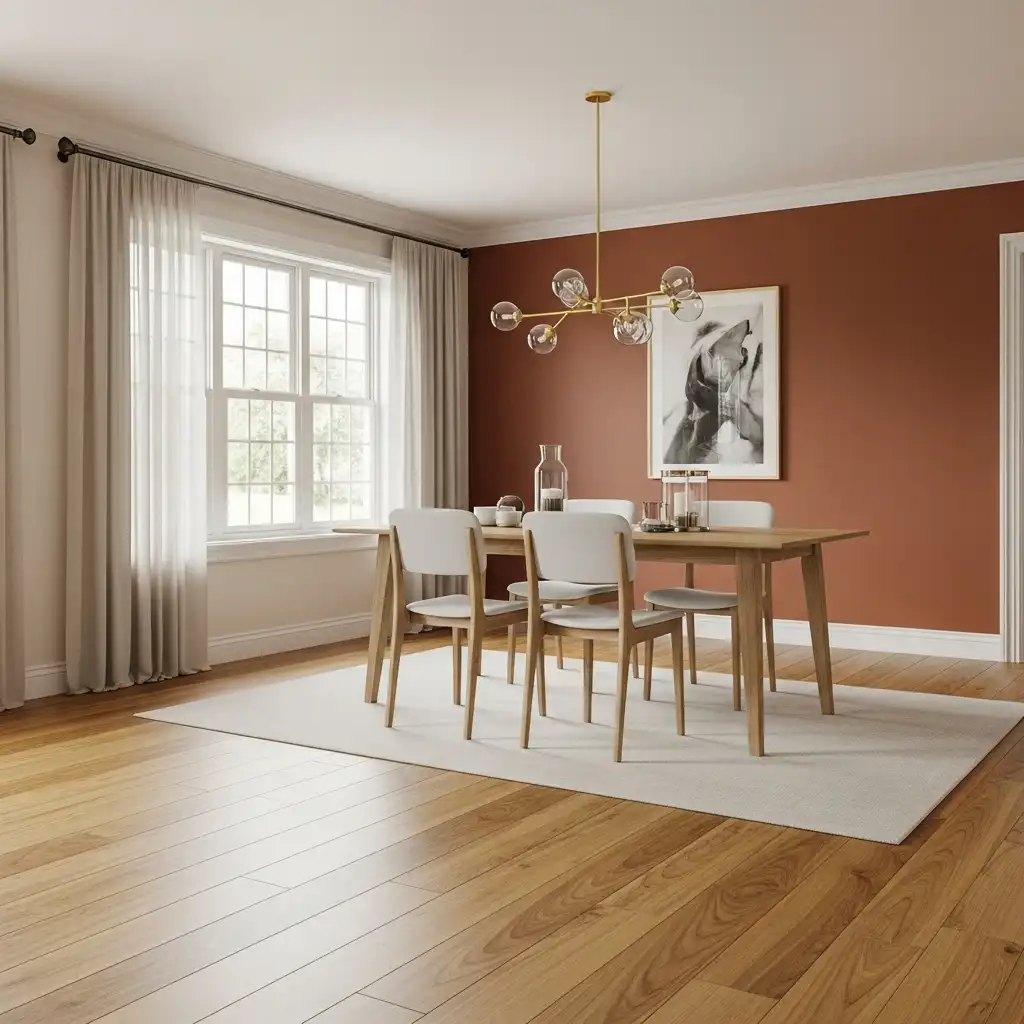
Water-based polyurethane dries clear, won’t yellow, and produces minimal odor, making it ideal for occupied homes. Modern water-based formulas rival oil-based durability while offering faster drying times and easier cleanup. Multiple thin coats build effective protection without the thick, plastic appearance sometimes associated with older water-based products. Both types are available in gloss, semi-gloss, satin, and matte finishes to match aesthetic preferences.
Oil and Wax Finishes
Natural oil and wax finishes penetrate wood fibers rather than creating a surface film, resulting in a more natural appearance that showcases wood texture. These finishes allow wood to breathe, reducing moisture-related issues while creating a matte, organic look popular in European design. Maintenance involves periodic reapplication of oil or wax rather than full refinishing, making spot repairs easier than with polyurethane.
However, oil and wax finishes offer less protection against water spills and scratches compared to polyurethane, requiring more attentive maintenance. They work best in lower-traffic areas or homes where residents are committed to regular upkeep. The natural patina that develops over time appeals to those seeking authentic, lived-in character rather than pristine perfection. Consider this option if you appreciate floors that show their history and don’t mind ongoing maintenance.
Pre-finished vs. Site-finished Flooring
Pre-finished flooring arrives with factory-applied finish that’s cured under controlled conditions using UV light or other industrial processes, creating extremely durable surfaces resistant to scratches and wear. Installation generates less dust and odor, and floors are immediately usable after installation. Factory finishes often include aluminum oxide or other additives that exceed the durability of site-applied finishes.
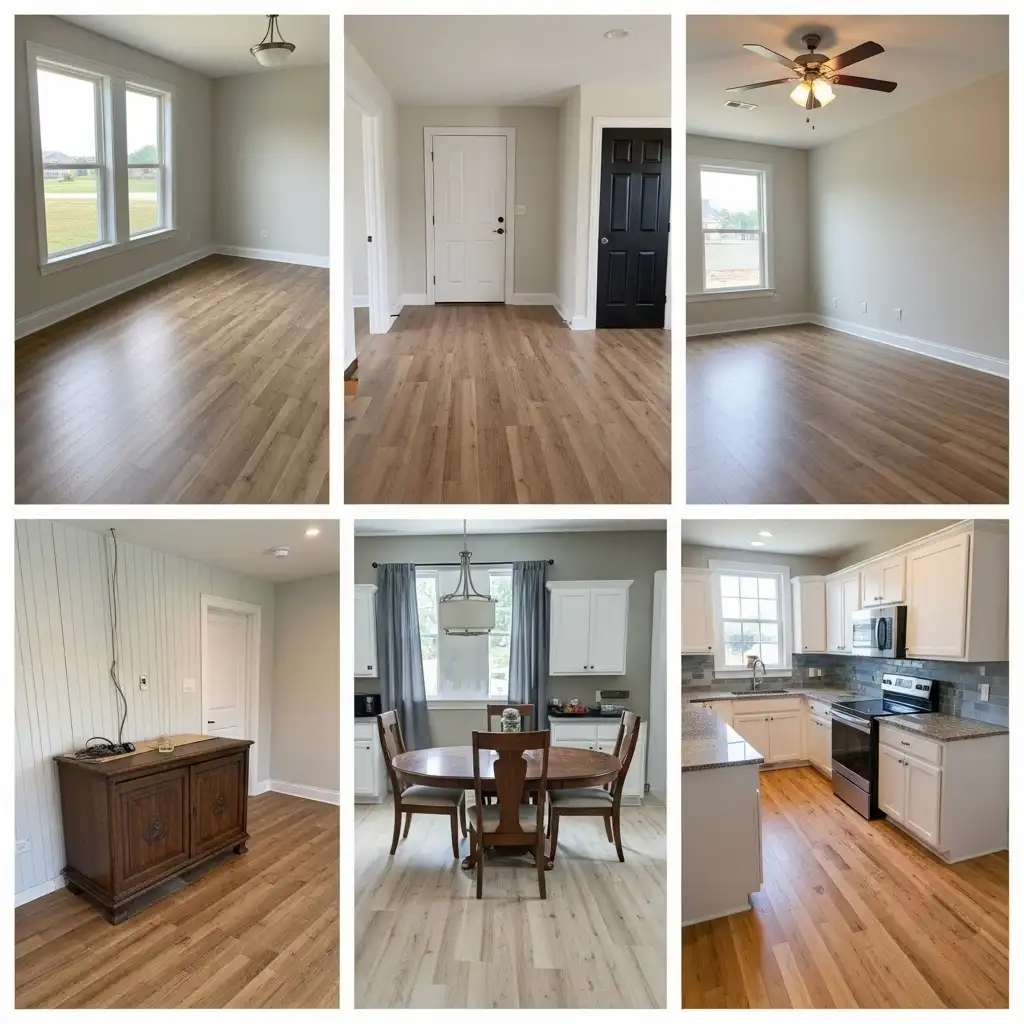
Site-finished flooring allows for seamless integration between planks and custom stain colors perfectly matched to your vision. The finishing process creates a uniform surface without the micro-bevels present in pre-finished products, resulting in a more traditional appearance. However, site finishing requires several days for application and curing, during which the space is unusable, and produces dust and odors throughout the home. The choice depends on timeline priorities, budget considerations, and desired aesthetics.
Installation Methods and Considerations
Nail-Down Installation
Traditional nail-down installation remains the gold standard for solid hardwood flooring over wooden subfloors. Pneumatic flooring nailers drive specialized cleats through plank tongues at precise angles, securing boards while remaining invisible on the finished surface. This method creates permanent installation that maximizes floor lifespan and refinishing potential while providing excellent stability and minimal hollow sound when walking.
Nail-down installation requires solid wooden subfloors, making it unsuitable for concrete slabs or radiant heating systems. Professional installation is recommended unless you have experience with flooring nailers and understand proper techniques for maintaining straight lines and tight joints. The process is relatively quick once started, with experienced installers completing several hundred square feet daily. This method works exclusively with solid hardwood or thick engineered planks designed for nailing.
Glue-Down Installation
Glue-down installation uses specialized flooring adhesive to bond planks directly to subfloors, suitable for both wood and concrete substrates. This method works well with engineered hardwood, particularly in basement installations or over radiant heating where dimensional stability is crucial. The adhesive creates a solid connection that eliminates hollow sounds while accommodating the flexibility of engineered products.
Proper glue-down installation requires meticulous subfloor preparation, ensuring surfaces are level, clean, and moisture-free. Trowel selection affects adhesive coverage and bond strength, with different products requiring specific trowel sizes and notch patterns. Working time varies by adhesive type, requiring efficient installation to prevent adhesive skinning before plank placement. While more labor-intensive than floating installation, glue-down provides superior stability and longevity when executed properly.
Floating Floor Installation
Floating installation connects planks to each other rather than the subfloor, creating a unified floor that “floats” over underlayment. Click-lock or tongue-and-groove systems glued along edges hold planks together while allowing the entire floor to expand and contract as a single unit. This DIY-friendly method requires no specialized tools beyond basic saws and measuring equipment, making it accessible for homeowners.
Floating floors work well over any level subfloor including concrete, existing vinyl, or even ceramic tile, provided proper underlayment is used. Installation progresses quickly, with rooms often completed in a day, and floors are immediately usable after completion. However, floating floors may feel slightly less solid than nailed or glued installations and can develop hollow sounds in high-traffic areas. They’re ideal for engineered hardwood but unsuitable for solid hardwood, which lacks the dimensional stability required for floating installation.
Maintenance and Long-term Care
Daily and Weekly Maintenance
Proper maintenance begins with prevention: use doormats at entrances to trap dirt and moisture, require shoe removal or provide indoor slippers, and place felt pads under furniture legs to prevent scratches. Daily sweeping or dust mopping removes abrasive particles that act like sandpaper underfoot, gradually dulling finishes and creating micro-scratches. For deeper cleaning, use manufacturer-approved wood floor cleaners applied with slightly damp microfiber mops, avoiding excessive water that can penetrate seams and damage wood.
Vacuum weekly using floor brush attachments rather than beater bars that can scratch surfaces. Address spills immediately with dry or barely damp cloths, never allowing water to sit on wood surfaces. Maintain consistent indoor humidity between 35-55% using humidifiers in winter and dehumidifiers in summer to prevent gapping or cupping caused by moisture fluctuations. These simple habits preserve finish integrity and wood beauty while preventing damage that would require premature refinishing.
Refinishing and Restoration
Even well-maintained wood floors eventually require refinishing to address accumulated wear, deep scratches, or changing color preferences. Solid hardwood’s greatest advantage is refinishing potential, allowing transformation through sanding away old finish and damaged wood, then applying fresh stain and protective coatings. Professional refinishing typically costs two to four dollars per square foot, significantly less than replacement, and can be repeated multiple times throughout the floor’s lifespan.
The refinishing process involves aggressive sanding with progressively finer grits to create smooth, level surfaces ready for new finish. This work generates substantial dust despite modern dust containment systems, requiring furniture removal and occupant relocation during the multi-day process. Consider refinishing when finish wear exposes bare wood in traffic patterns, when widespread scratching diminishes appearance, or when updating stain colors during remodeling. Engineered hardwood with thick wear layers can be refinished once or twice, depending on veneer thickness.
Design Considerations and Style Options
Plank Width and Length
Flooring dimensions dramatically impact room perception and aesthetic character. Traditional strip flooring measuring two to three inches wide creates busy, linear patterns that suit smaller spaces and traditional design schemes. Wide planks ranging from five to twelve inches create contemporary, spacious feelings while showcasing dramatic grain patterns and reducing visible seams. Longer planks minimize end joints, creating cleaner sight lines and more sophisticated appearances.
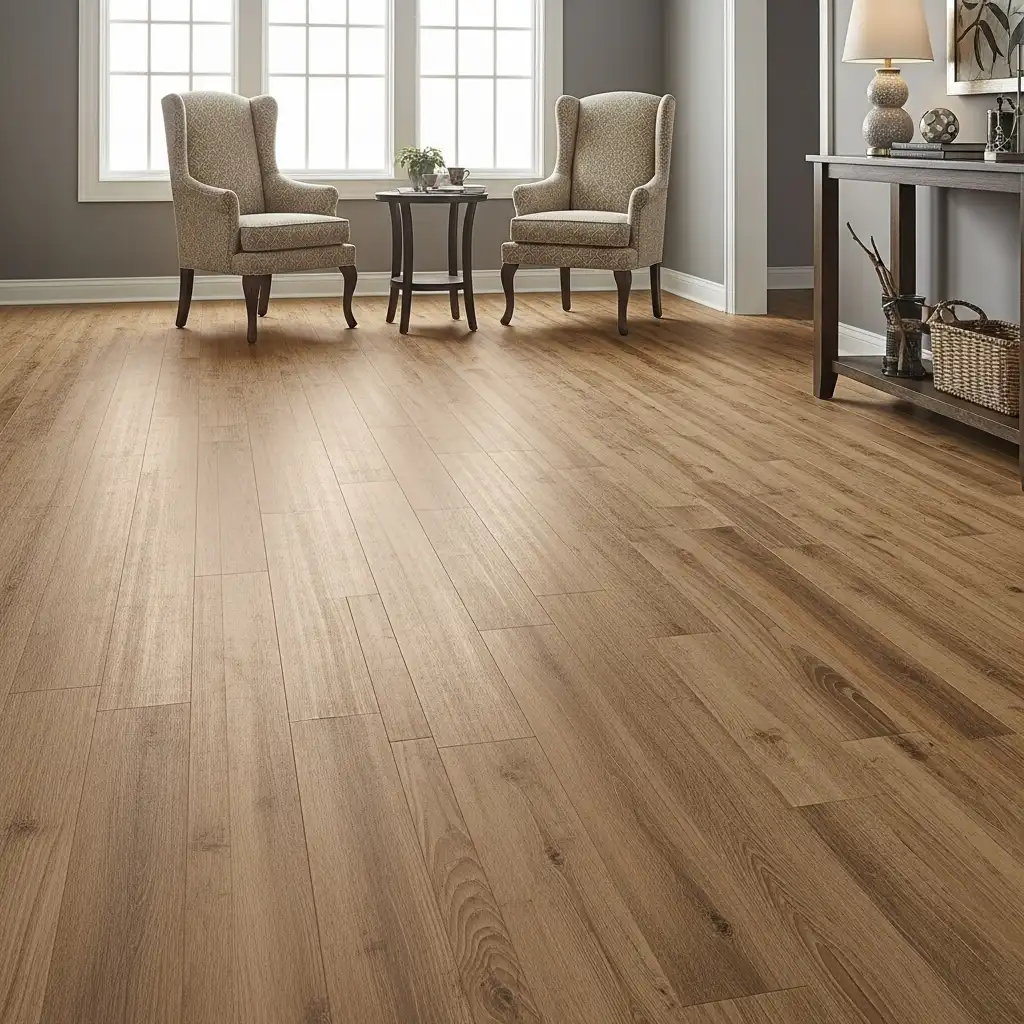
Consider room size when selecting dimensions: narrow planks can make small spaces feel cramped, while extra-wide planks may overwhelm compact rooms. Longer lengths work best in larger, open areas where their uninterrupted flow enhances spaciousness. Also factor in waste and installation complexity: wider and longer planks generate more cutoff waste during installation and require more careful layout planning to avoid awkward short pieces at room edges.
Color Selection and Staining
Wood floor color dramatically influences room atmosphere and apparent size. Light floors reflect more light, making spaces feel larger and airier while hiding dust and light scratches better than dark floors. However, light floors show dark pet hair and may appear stark in traditionally decorated homes. Dark floors create intimate, sophisticated atmospheres while making rooms feel smaller and showing every speck of dust and light-colored pet hair.
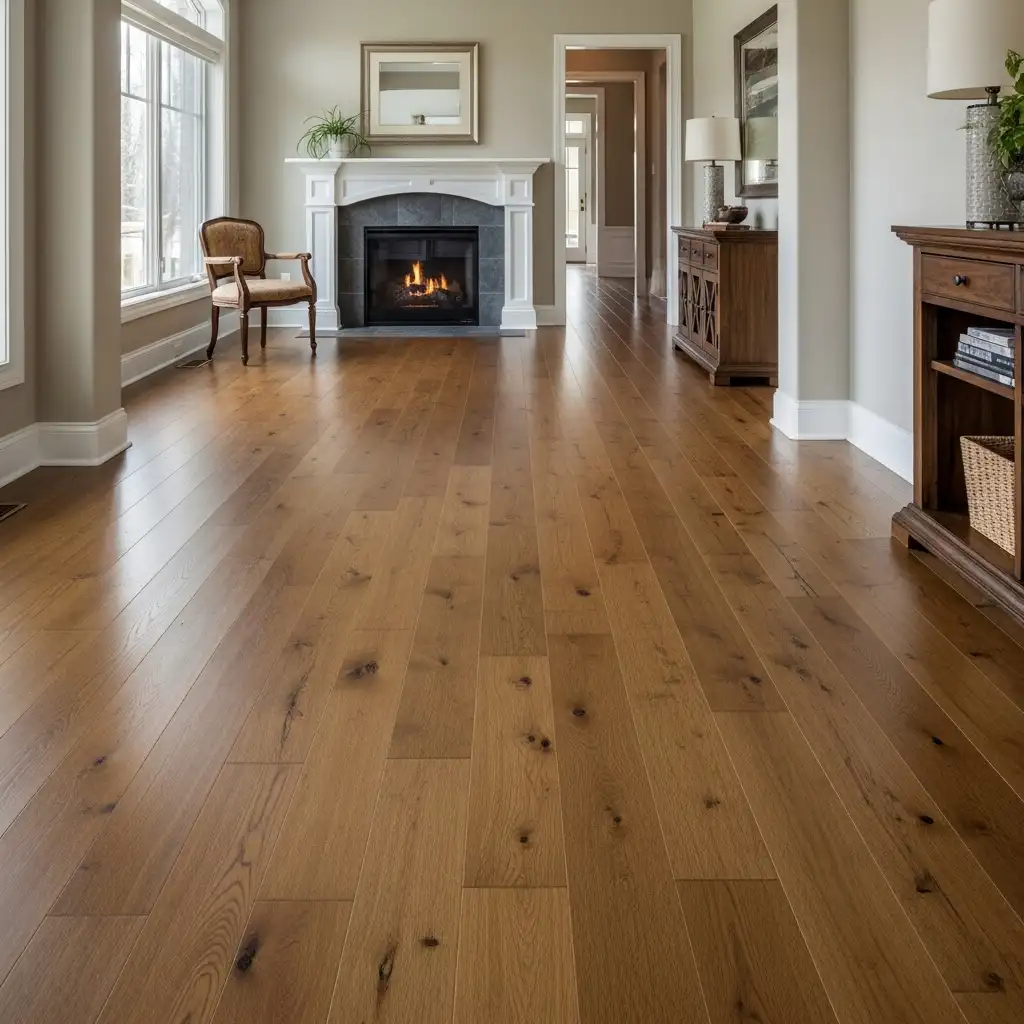
Medium-toned floors offer practical middle ground, providing warmth without extreme maintenance challenges. Current trends favor gray-toned stains and natural, unstained finishes that showcase wood’s inherent beauty. Consider your home’s overall palette, natural lighting conditions, and maintenance tolerance when selecting colors. Remember that wood species affects stain absorption and final color: oak accepts stains predictably, while maple can appear blotchy with darker stains, and some species like walnut require no staining due to naturally rich coloration.
Installation Patterns
While straight, parallel installation remains most common due to material efficiency and straightforward installation, creative patterns add visual interest and architectural character. Herringbone and chevron patterns create sophisticated, high-end appearances perfect for formal spaces, though they require more material, skilled installation, and higher costs. Check out herringbone wood floors guide and the herringbone floor guide for detailed information on these timeless patterns.
Diagonal installation adds dynamic energy to square rooms while making spaces appear larger, though it increases waste and complexity. Parquet patterns using geometric arrangements of small wood pieces create Old-World elegance but require significant labor and expertise. Consider installation patterns during initial planning stages, as pattern choices affect material quantities, installation timelines, and overall project costs. Elaborate patterns showcase premium wood investments while creating distinctive, memorable floors that become conversation pieces.
Conclusion
Wood flooring represents a significant investment that delivers lasting value through timeless beauty, durability, and versatility that adapts to evolving design trends and lifestyle changes. By understanding the differences between solid and engineered options, selecting appropriate wood species for your traffic patterns and aesthetic preferences, and committing to proper maintenance routines, you’ll enjoy beautiful floors for decades to come. Whether you choose classic oak for its broad appeal, luxurious walnut for dramatic impact, or contemporary maple for clean minimalism, wood flooring elevates any space while increasing your home’s market value.
Take time to research options, consult with experienced installers, and select products that balance your budget, lifestyle requirements, and design vision. The right wood flooring choice becomes more than just a surface you walk on—it becomes the foundation of your home’s character and a backdrop for countless memories. For more inspiration on complementing your new wood floors, explore our guides on living room design ideas and home interior design to create cohesive spaces that showcase your beautiful new flooring investment.